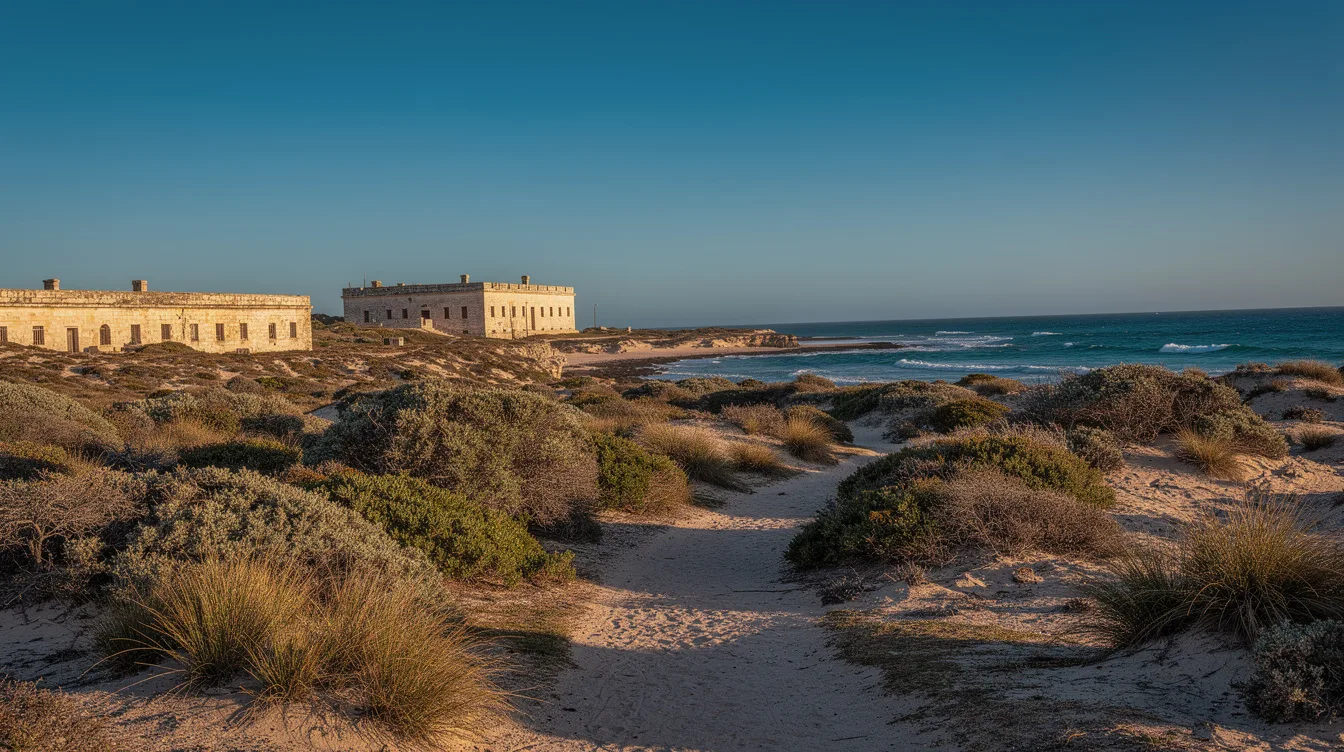
Rottnest Island is marketed with quokkas, turquoise coves, and easy ferry escapes from Perth. But the island also known as Wadjemup holds a history that should shape every visit: at least 373 Aboriginal people died here and were buried in unmarked graves.
From 1838 to 1931, the island operated as a prison and forced-labor camp for more than 3,600 Aboriginal people. That 93-year period is not a footnote beneath the beach photos. It is the central fact of Wadjemup.
Wadjemup asks visitors to look beyond the beach
The Whadjuk Noongar name, Wadjemup, means “place across the water where the spirits are.” You can arrive on a bright morning with swimmers headed for the coves, then find the island’s past sitting close beneath the holiday routine.
At least 373 prisoners were buried in unmarked graves in at least two areas north of the Quod. The Quod, a former prison building, was used for tourist accommodation until 2018. That contrast is hard to ignore, and it shouldn’t be softened.
But Wadjemup is not a museum with one fixed mood. It is a living place of remembrance and a popular island reserve, which means visitors need to make room for both pleasure and respect.
A 30-minute ferry ride, then a different kind of day
From Fremantle, the crossing takes about 30 minutes by ferry. Daily ferries also depart from Perth and Hillarys Boat Harbour, so access is straightforward even though the island sits about 11.2 miles west of Fremantle.
And private cars are generally not allowed, which changes the pace quickly. You can hire a bike or e-bike, walk, or take the island shuttle and hop-on-hop-off bus. Bring water, sunscreen, a hat, swim gear, and a wind layer because the exposed roads can feel longer than they look.
A day trip works from Fremantle, but one night gives you more breathing room. You won’t have to turn every stop into a race back to the jetty, and cycling between bays feels less like a checklist.
Can you still enjoy the water here?
Yes. The Basin is close to the main settlement and is an easy choice for swimming or snorkeling. Little Salmon Bay has protected water, while Parker Point links visitors with snorkeling trails.
There are 63 beaches on Rottnest, plus salt lakes and walking routes. The water can look almost aquamarine in strong light, and the air often carries salt across the low, open island. Lively, but never a reason to treat the place carelessly.
Quokkas are part of the draw, not the whole story
Rottnest’s quokkas attract a huge share of the cameras. Keep your distance, don’t feed or touch them, and don’t chase a selfie. You’ll get a better encounter by standing still and letting the island remain theirs.
And there is more than the familiar animal encounter. Pinky Beach is popular at sunset with views toward Bathurst Lighthouse. Oliver Hill has a World War II gun battery and tunnels, while Wadjemup Hill is the island’s highest point and a lighthouse area.
The island receives around 780,000 annual visitors, so solitude isn’t guaranteed. Still, the largely car-free setup slows people down. You hear bicycle tires, ferry engines, and wind rather than a steady rush of traffic.
When to go, and how to visit with care
Summer is the busiest period, especially around Christmas, and accommodation can sell out far ahead. Winter is quieter, but cooler and windier. If you want a less crowded visit, the trade-off is packing that extra layer.
But timing alone doesn’t make a thoughtful trip. Read about the prison history before you go, approach memorial and heritage sites quietly, and resist treating painful history as a quick stop between swims.
Wadjemup can hold a day of clear water and cycling, but it also holds Australia’s largest known deaths-in-custody grave site. By the time the ferry leaves for Fremantle, the wind still moves over the salt lakes, and the unmarked ground remains.