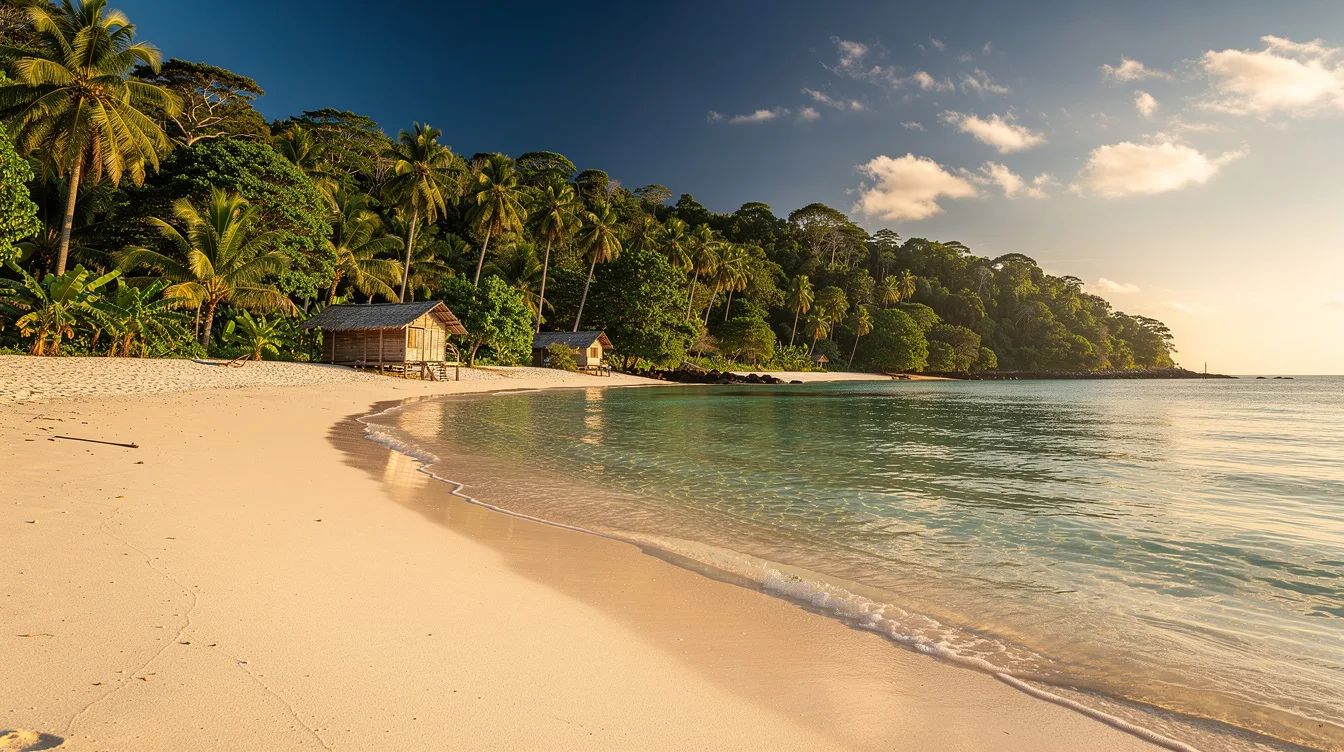
Koh Kood is Thailand’s fourth-largest island, yet its infrastructure remains limited. That mismatch is the point: this is a jungle-covered island in Trat Province where clear water and long beaches matter more than convenience.
It sits in the Gulf of Thailand near Cambodia, and getting here takes intention. Because there’s no airport on the island, the crowds that fill easier Thai beach stops tend to thin out before they reach the sand.
Its size hasn’t made Koh Kood a resort machine
Thailand’s fourth-largest island still feels lightly built because its economy has long centered on fishing, agriculture, and tourism rather than nonstop development. The interior is dense and tropical, so the island doesn’t unfold like one continuous hotel strip.
And that gives a trip here a particular rhythm. You’ll find low-key resorts, small restaurants, mangroves, and freshwater waterfalls, but not the late-night churn associated with southern party islands.
Limited infrastructure is both the reward and the trade-off. It keeps many beaches quieter than Koh Chang, but it also means you should plan transport, carry cash, and not expect every errand to be effortless.
But Koh Kood isn’t trying to win on convenience. It wins when you want a beach day that doesn’t come with loud music, dense traffic, or a schedule built around getting somewhere else.
Laem Sok is the filter, and the boat ride matters
Most visitors travel through Trat, then continue to Laem Sok Pier for the crossing. From there, a ferry or speedboat usually takes 1 hour 15 minutes to 2 hours, depending on the operator and sea conditions.
That extra leg explains a lot. You can fly to Trat Airport or travel overland from Bangkok, but the island remains separate from the mainland’s quick-arrival logic because every visitor still has to meet a boat.
And you should book around your actual arrival rather than assume a late departure will be waiting. Boat schedules can become more limited in the lower season, so a missed connection can turn an easy day into a long one.
There’s no airport on Koh Kood, and that absence is a real boundary. It’s remote enough to feel removed, but not so difficult that a first-time visitor can’t manage it with a little planning.
Can you arrive without renting a scooter?
Yes, but a scooter is usually the most practical way to explore once you’re there. If you don’t ride, arrange transport through your accommodation and choose your base carefully, since inland stays make independent movement more necessary.
But don’t treat the roads casually. They can be dark, wet, uneven, and remote at night, which is why a slow daytime ride is far wiser than chasing one last beach after sunset.
Klong Chao makes a first trip easier
For a first visit, Klong Chao is the sensible base because it combines beach access, restaurants, and proximity to Klong Chao Waterfall. It is more tourist-oriented than some corners of the island, but that’s useful when you’re still learning the geography.
You can also stay in Bang Bao for quieter beaches and more upscale options. The trade-off is simple: it feels more removed, so transport matters more when you want dinner somewhere else.
Ao Yai is worth the trip for its fishing-village character and seafood-focused local dining. It sits farther south, though, so it makes more sense for travelers who value atmosphere over a central base.
And leave a day unplanned. Swim, kayak, visit a waterfall, or sit through the heat with nowhere urgent to be. Koh Kood is large enough to explore, but it’s better when you don’t turn it into a checklist.
November through February brings the easiest beach days
November to February is generally the most reliable period for beach weather, with favorable beach conditions often continuing through April. The water looks clearest when the day is still, and the soft sand is more inviting when you aren’t negotiating rain plans.
But lower-season travel has a cost. From roughly May into October or November, seas can turn choppy, boat schedules may shrink, and some restaurants or accommodations close.
You should also pack strong mosquito repellent. Thailand’s tourism authority specifically advises DEET repellent because malaria-carrying mosquitoes are present on the island, especially relevant if your evening plans include quiet roads and the humid interior.
Three to four nights gives the island enough room to work on you. By the time the boat noise fades and the palms start moving in the late light, Koh Kood feels less like an attraction than a place that has deliberately stayed hard to rush.