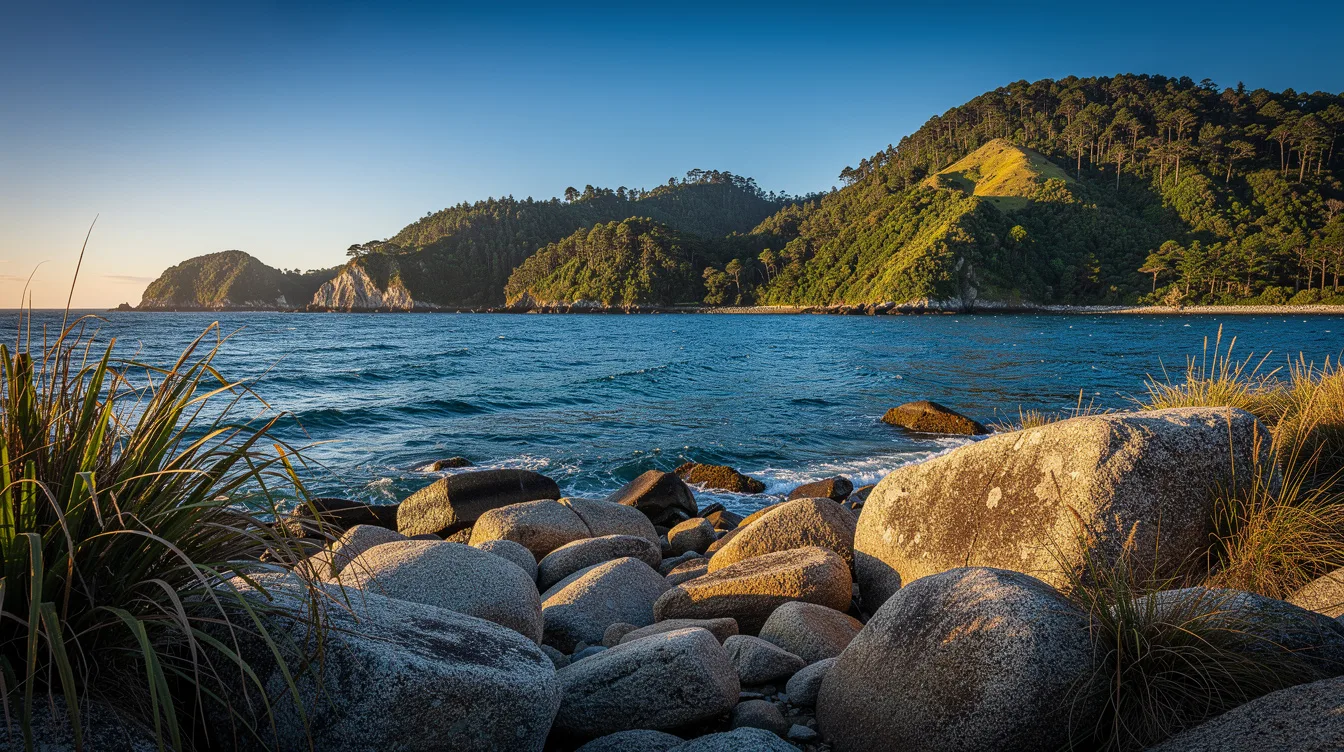
Stewart Island/Rakiura sits 18.6 miles south of New Zealand’s South Island, across Foveaux Strait, and it has the kind of darkness most travelers have forgotten exists. It’s recognized as an International Dark Sky Sanctuary, so the night sky is the main event, not an after-dinner extra.
And that distinction matters. The island’s only settlement is Oban, which keeps the human footprint small while the sky above remains startlingly open. You come here for a place where night arrives without city glow.
85% of the island is parkland, so darkness has room
About 85% of Stewart Island/Rakiura lies within Rakiura National Park. Rainforest, wetlands, beaches, rugged coast, and sheltered inlets fill much of that protected ground, which is why the island feels bigger than its map position suggests.
But it isn’t an easy-weather escape. Conditions are cool, wet, and changeable, with average summer temperatures around 59°F and winter averages around 48°F. Pack waterproof layers, because a clear sky can’t be scheduled here.
Rakiura is often translated as “glowing skies,” a name linked to the aurora australis. That makes the sanctuary status feel less like a marketing label and more like an extension of what the island has long suggested after sunset.
Can you see stars from Oban?
Yes. Oban, around Halfmoon Bay, is the island’s only settlement, so you don’t need to drive through suburban sprawl to find a darker view. Step away from the harbor lights and let your eyes adjust.
The effect is quiet, then enormous.
And don’t expect a polished observatory experience with a fixed program. This is weather-dependent stargazing, which is part of its appeal but also its limitation. Bring patience, and give yourself more than one night.
The ferry crossing is part of the filter
The trip starts at Bluff, where the ferry reaches Oban in about one hour. Because the crossing separates the island from the South Island, Stewart Island feels genuinely removed without requiring a long expedition.
You can also take a light aircraft from Invercargill in about 20 minutes. That’s the practical choice if time is tight. The ferry is better if you want the arrival to feel earned, with Foveaux Strait between you and the mainland.
Summer brings more tourism, but the island still operates at a smaller scale than New Zealand’s better-known outdoor stops. It’s lively enough to feel inhabited, but never built around crowds.
For an overview of the region before you go, explore Southland travel information. You’ll want to plan the transport first, then let the rest stay a little loose.
Daylight belongs to tracks, birds, and Paterson Inlet
The night sky is the hook, but daylight gives the trip its texture. Walk part or all of the Rakiura Track, one of New Zealand’s Great Walks, then return to Oban with wet boots and the clean smell of forest still on your clothes.
But don’t treat the island as a checklist. Paterson Inlet invites slower plans, including kayaking, fishing, diving, or simply watching the water shift under a low sky. The sheltered inlets soften the coast, while the weather keeps things honest.
A water taxi can take you to Ulva Island/Te Wharawhara, a predator-free sanctuary known for rare birds and plants. It’s a strong daytime counterpoint to the stars, especially if you want a close look at the island’s native birdlife.
You may also spot kiwi in the wild after dark, though care matters. A guided experience is the sensible route when appropriate, since the goal is to see the bird without turning its habitat into a spectacle.
Stay long enough for a second clear night
Stewart Island is New Zealand’s third-largest island, yet its pace feels deliberately small. There’s no need to fill every hour. You’ll get more from it by leaving room for rain, a delayed plan, or a night when clouds finally pull apart.
And that’s the real trade-off. You might cross the strait for stars and get fog instead. But when the weather clears, the protected island drops into shadow, the harbor goes still, and the dark above Oban finally explains why you came.