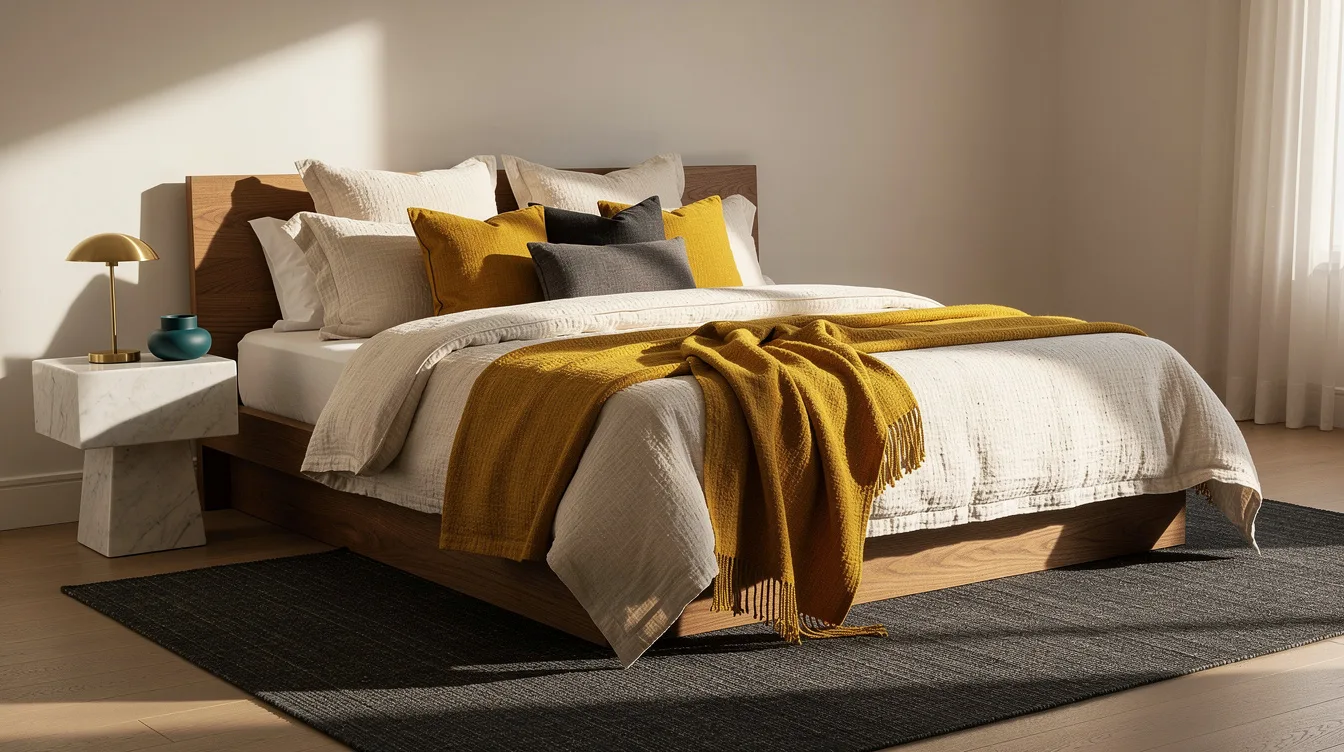
I wanted my bedroom to feel calmer, but the pair of flimsy nightstands beside my 54-inch bed made the whole wall feel temporary. A marble bedside table changed that visual weight fast, and in 2026, budget accent pieces typically start around $250 while furniture-house designs can run past $2,000.
I learned to treat marble as a deliberate bedside material, not a tiny luxury flourish. The best result came from matching the stone’s scale, warmth, and daily function to the room I actually use.
Measure the Bedside Reach First
I started with reach instead of browsing finishes. A nightstand typically works best when its top lands close to mattress height, and a compact footprint around 18 to 22 inches wide keeps a marble piece from crowding the bed.
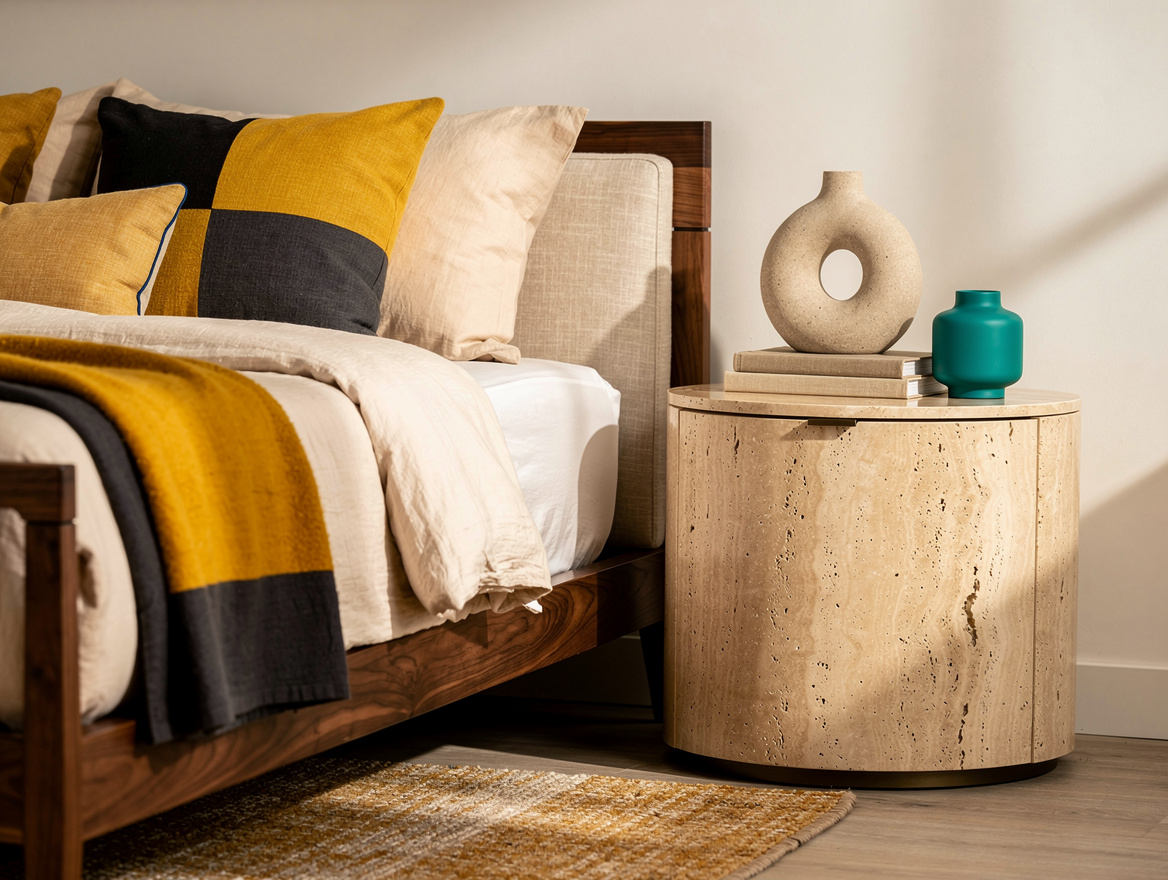
For my bedroom, a rounded travertine drum made more sense than a deep two-drawer cabinet because it left a clean path around the bed. Marble is visually dense, so a small table can still read as substantial.
Leave enough top surface for the real nightly lineup: a glass of water, a book, and a lamp. A table that only holds a decorative candle will become annoying by Tuesday.
Choose Stone for the Room’s Temperature
White Carrara marble made my pale bedroom feel brighter without pushing it toward a sterile hotel look. Its soft gray veining works especially well with cream bedding, brushed brass, and warm white walls.
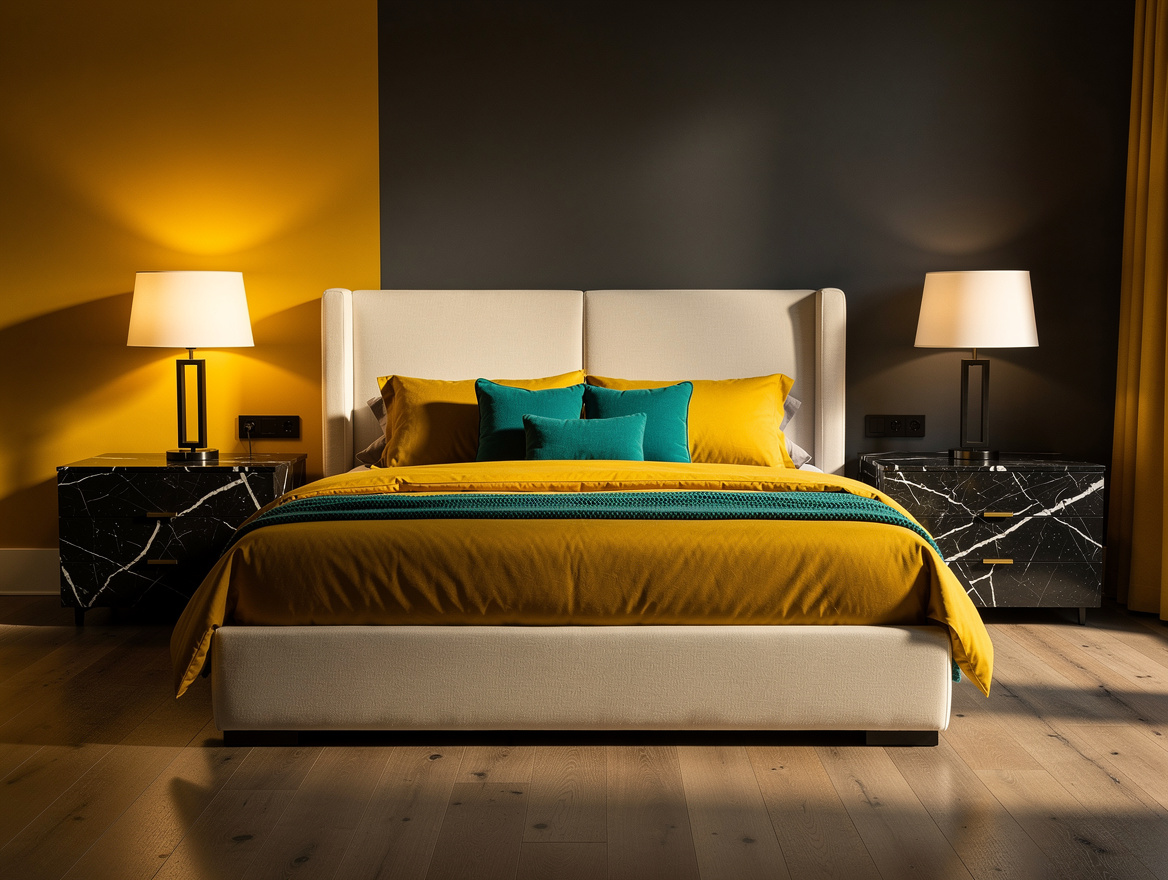
I would use black Marquinia marble only where the room needs contrast, such as beside an upholstered ivory bed or against a sand-colored plaster wall. It looks dramatic in a good way, but it can make a small dark bedroom feel even heavier.
Green marble brings depth to oak furniture, while warm terrazzo and beige travertine soften rooms full of linen, boucle, and natural wood. Pick the stone after you look at the floor, not after you fall for a product photo.
Give the Stone a Warmer Partner
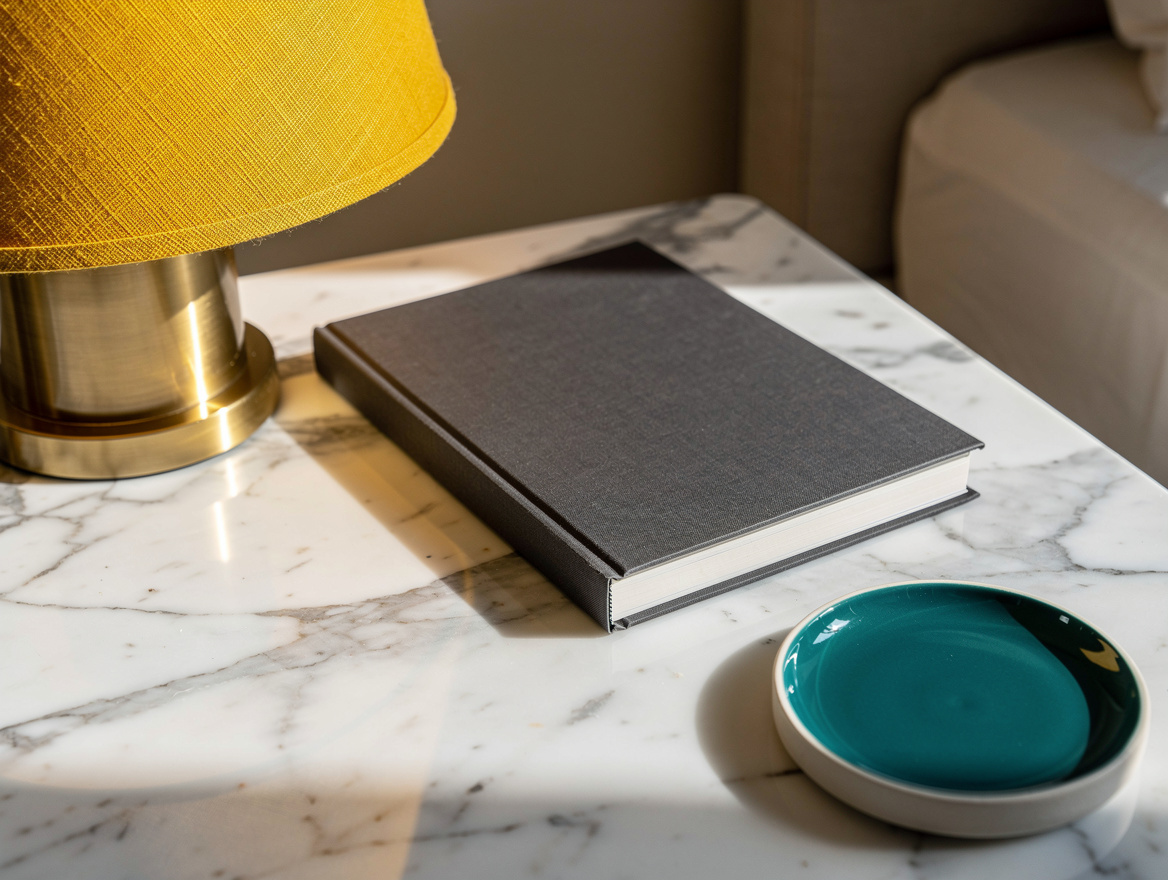
My favorite marble bedside tables pair a stone top with a walnut or warm oak base. That combination keeps the table grounded and avoids the chilly, lobby-like feeling that can happen when marble meets mirrored surfaces and chrome.
A slim brass pull or frame is enough metal for most bedrooms. I’d skip gold legs, gold lamps, and gold hardware all at once, because the finish starts to look like a costume rather than a choice.
For a lower-commitment version, look for a marble-topped wood nightstand at Wayfair, Target, or Home Depot. A typical marble-effect or stone-topped option may cost around $30 to $300, which is sensible when the room still needs a rug and proper lighting.
Use a Sculptural Shape With Restraint
A cylindrical marble pedestal has more presence than its footprint suggests. I like one beside a low platform bed, especially when the rest of the furniture has straight lines and the room needs a softer silhouette.
Classic drawer nightstands still win in bedrooms where receipts, chargers, medication, and reading glasses need somewhere to disappear. Choose a simple slab top over a busy carved base, because strong veining already gives the table plenty to say.
Floating forms can look sharp above a narrow floor plan, but install them only when the wall support is right and the table can safely hold daily weight. A sculptural piece should never require you to set down your coffee like you are defusing something.
Spend Where the Material Actually Shows
I wouldn’t assume every expensive-looking piece is solid stone. A marble slab over wood or metal can be a smart buy, while faux finishes are better suited to a secondary bedroom or a rental where moving a heavy table sounds miserable.
For a primary bedroom, the designer tier typically lands around $500 to $900 and often gives you a stronger profile, better hardware, and a more convincing material mix. That is the range where a table can photograph beautifully without swallowing the furniture budget.
True luxury bedside furniture can typically reach around $2,000 to $4,000 or more. I’d reserve that spend for a piece with real drawer construction, substantial Calacatta or travertine, and a shape I would still want after a bedding change.
Build in Nighttime Function
Marble needs a job beyond looking polished at noon. I used a shaded lamp with a warm bulb, then kept a soft coaster on the marble slab for water glasses and skincare bottles that could leave rings.
A built-in LED glow or wireless charging pad can work in a streamlined bedroom, especially when cords are already visible near the bed. I prefer a concealed charging solution over a bulky power strip sitting beside a beautiful stone table.
Keep the styling spare. A linen lampshade, one low dish, and a book are enough. Busy trays and stacked objects hide the very surface you paid to bring into the room.
Start by measuring the space between your mattress and the nearest wall, then choose the smallest marble silhouette that still holds your nightly essentials. Get the proportion right first, and the stone will make the bedroom feel finished on its own.
Mia Carter writes about small-space living and budget home makeovers. She has restyled three rentals and tests most ideas in her own 45 sqm flat.