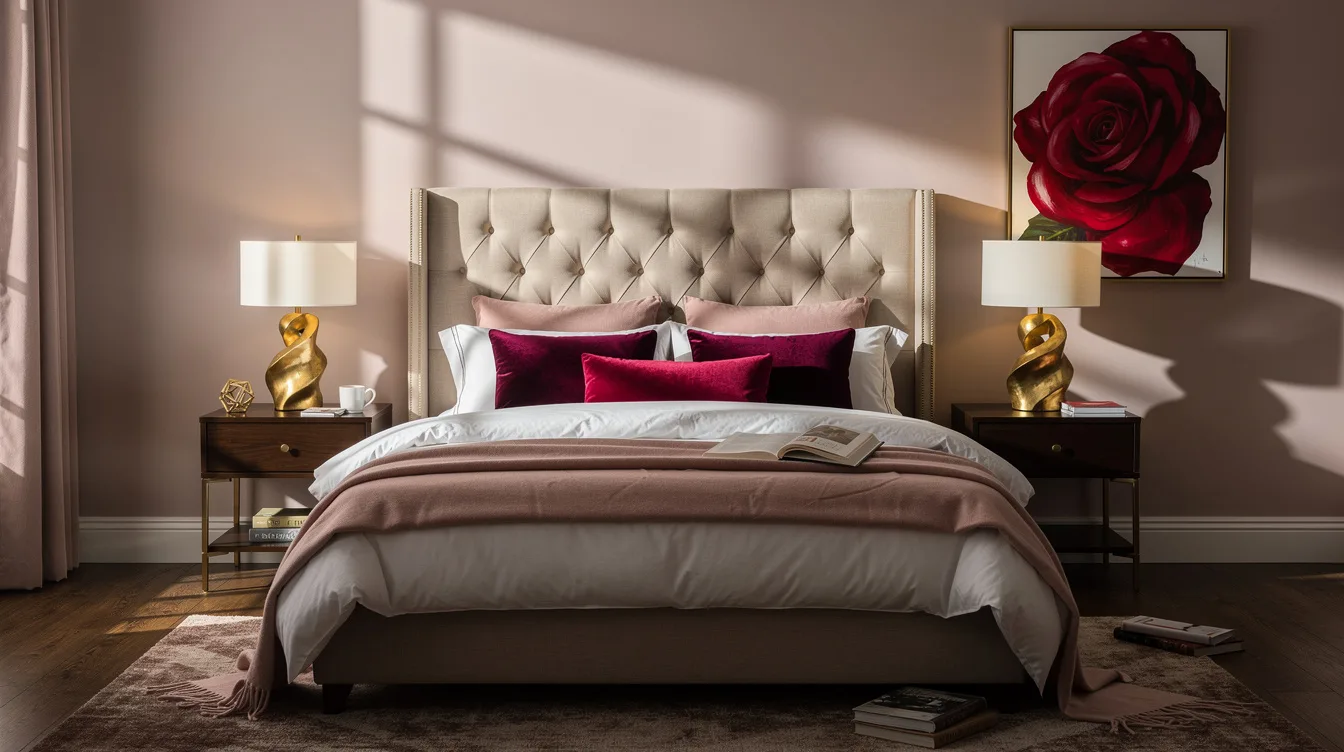
I lived with a queen bed pushed against a plain wall for about three months, and I kept pretending the setup looked intentional. It didn’t, and the gap behind the mattress annoyed me every single day.
What finally changed my mind was realizing a typical upholstered headboard can cost around a few hundred dollars, while the room looked half-finished without any anchor at all. Designers are right on this one: the bed wall needs structure.
Add a Real Buffer Between You and the Wall
The first thing I noticed after adding a Wayfair upholstered headboard was comfort, not style. Sitting up in bed stopped feeling like I was leaning against drywall, and that alone made the purchase feel justified.
Designers keep pushing headboards because they solve a plain physical problem: walls are hard, cold, and easy to bump into at night. I think skipping that layer is fine only if you never read, scroll, or work in bed, which is not how most people actually live.
Stop the Pillow Drop Behind the Mattress
My old setup had that irritating dead zone where pillows, charging cables, and sometimes a book slipped behind the bed. A simple IKEA MALM headboard setup, or any attached panel with enough height, cuts off that gap and makes the bed feel contained.
This sounds minor until you’re fishing around the floor before sleep. In a small bedroom, daily friction matters more than a dramatic design move, and this is one of those fixes that earns its keep fast.
Use Upholstery When You Actually Sit Up in Bed
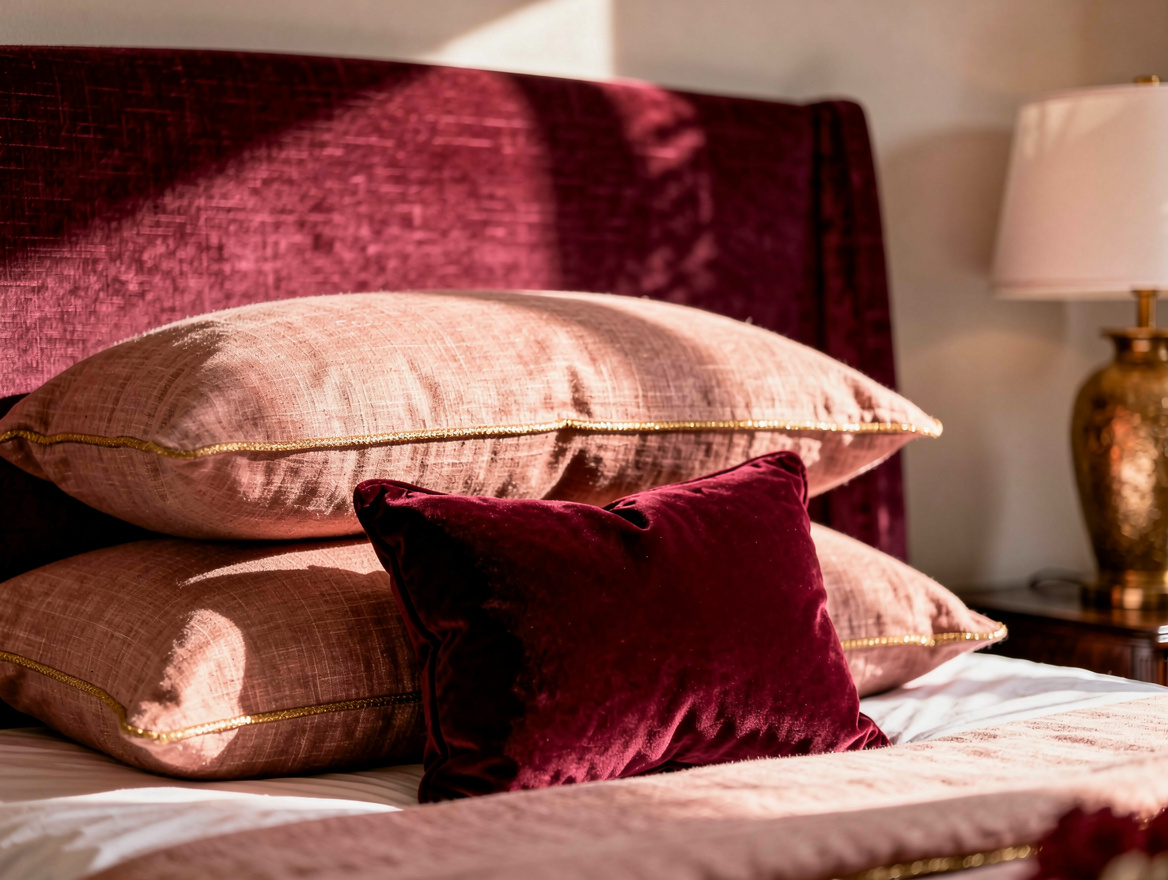
If you treat your bed like a second sofa, fabric wins. A padded Amazon tufted headboard or a clean channel-stitched panel gives your back support that stacked pillows never quite manage.
Typical upholstered headboards for a queen-size bed often land around the low hundreds to roughly $500, depending on fabric and height. That range makes sense to me because this is one of the few bedroom upgrades that changes both comfort and the whole visual balance of the room.
Linen blend upholstery. A warmer feel. Better sound absorption.
Those details make a bedroom calmer, and I notice them more than I notice trendier accessories.
Ground the Bed So It Doesn’t Float
Without a headboard, my bed looked like a platform dropped in the middle of the room with no reason for being there. The minute I installed a Target wood-panel headboard, the whole layout snapped into focus.
Designers often say the bed should read as the center of the composition, and I completely agree. A mattress on its own can look temporary, even in a nicely decorated room, while a wood or upholstered panel gives the bed weight and intention.
For a basic panel style, typical mid-market prices are often around $100 to $300. That’s a reasonable spend for something that fixes the largest piece of furniture in the room.
Stretch the Headboard Across the Whole Wall
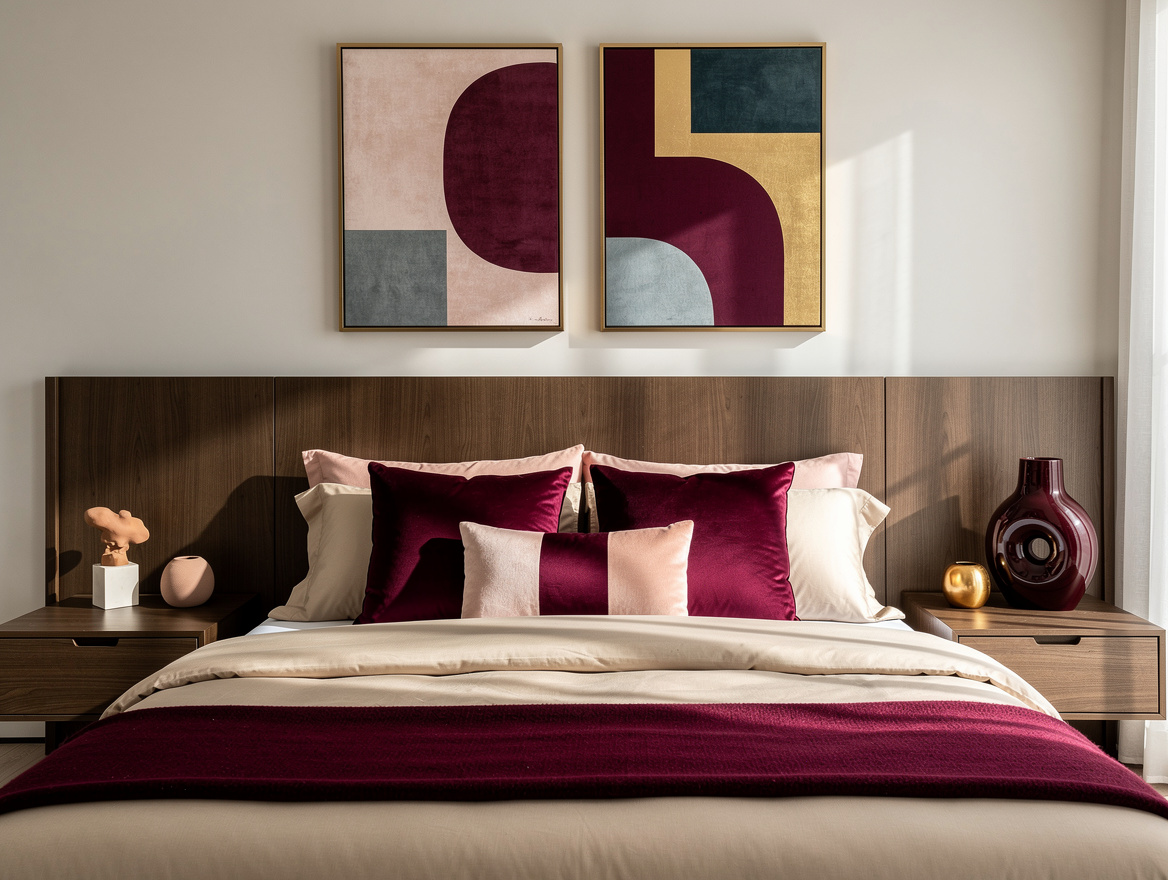
The smartest version I’ve seen is a full-width fabric wall panel behind the bed with slim nightstands attached or floating in front. It gives that boutique-hotel effect, but more importantly, it solves the empty-wall problem in one move.
Custom versions can run into the low four figures, sometimes roughly $1,000 to $3,000 depending on width, upholstery, and carpentry. I wouldn’t call that necessary for every bedroom, but for a primary suite, it’s one of the strongest ways to make the room feel finished.
A wide panel in performance fabric also softens noise and makes the room feel more settled. That’s a practical bonus, not just a style flourish.
Fake the Effect if You Refuse a Physical Headboard
If you absolutely don’t want a built piece, you still need an anchor. I like a painted band, roughly 30 to 40 inches tall, behind the bed because it gives the wall a job and keeps the mattress from looking stranded.
A quart or two of Home Depot interior paint can cost far less than a furniture purchase, and a painted headboard look is often doable for under about $150 if you’re handling it yourself. It’s not as comfortable as upholstery, but visually, it’s miles better than leaving the wall blank.
You can also hang one oversized canvas artwork, add a rattan panel, or stack intentionally large pillows. My opinion is blunt here: if you skip the headboard, you must replace its function, or the room will keep reading as unfinished.
Pick a Shape That Matches the Room, Not a Trend
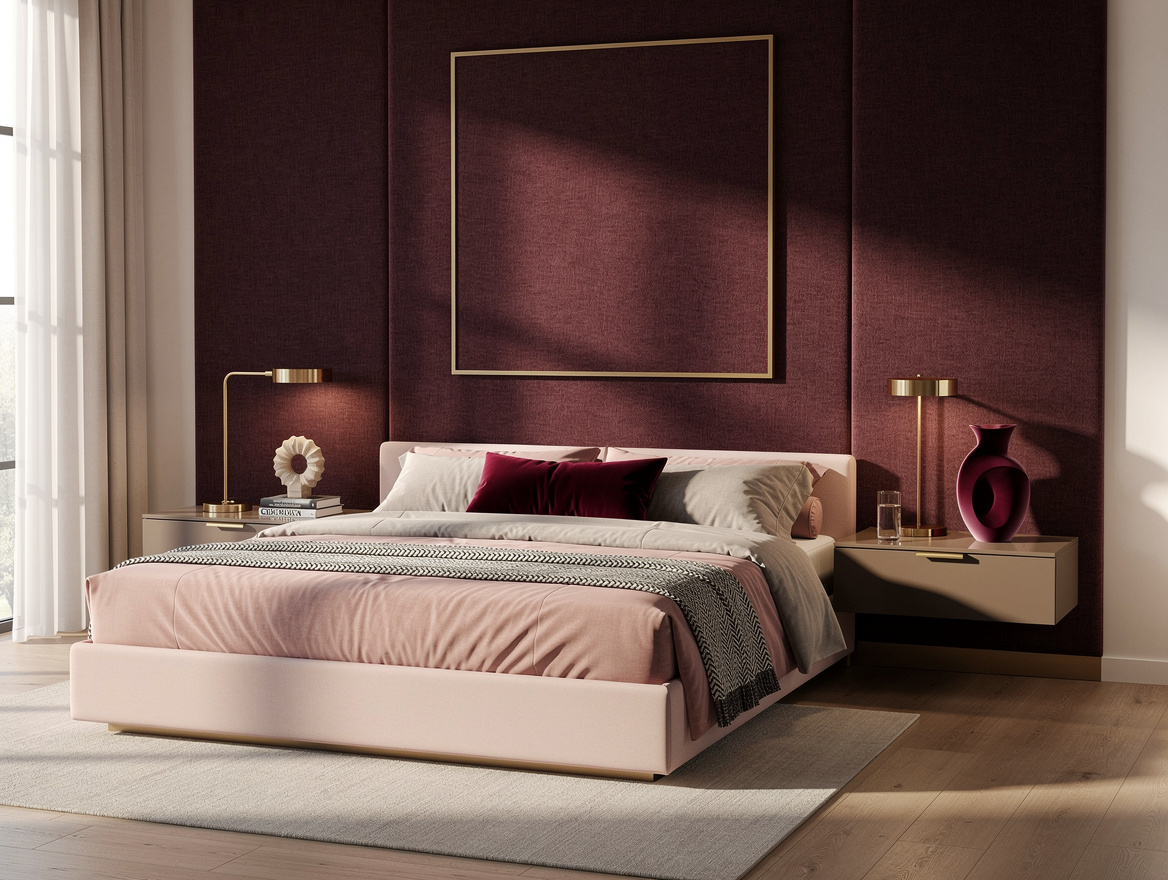
I almost bought a tall statement headboard just because it looked impressive online, but my ceiling height didn’t need that much drama. A lower rattan headboard or a simple rectangular fabric panel often works better in smaller bedrooms because it bridges the bed and wall without crowding the space.
Taller statement styles can cost roughly $400 to $1,000, especially once you move into thicker upholstery or more sculptural shapes. They can look great, but only when the room has enough breathing room to support them.
For most bedrooms, I think restraint looks more expensive than spectacle. The right headboard should calm the bed wall down, not start a fight with everything else around it.
Start with the bed size and how you actually use the room at night. If you read in bed, go upholstered, and if the budget is tight, paint the wall first so the bed has an anchor before you buy anything else.
Mia Carter writes about small-space living and budget home makeovers. She has restyled three rentals and tests most ideas in her own 45 sqm flat.