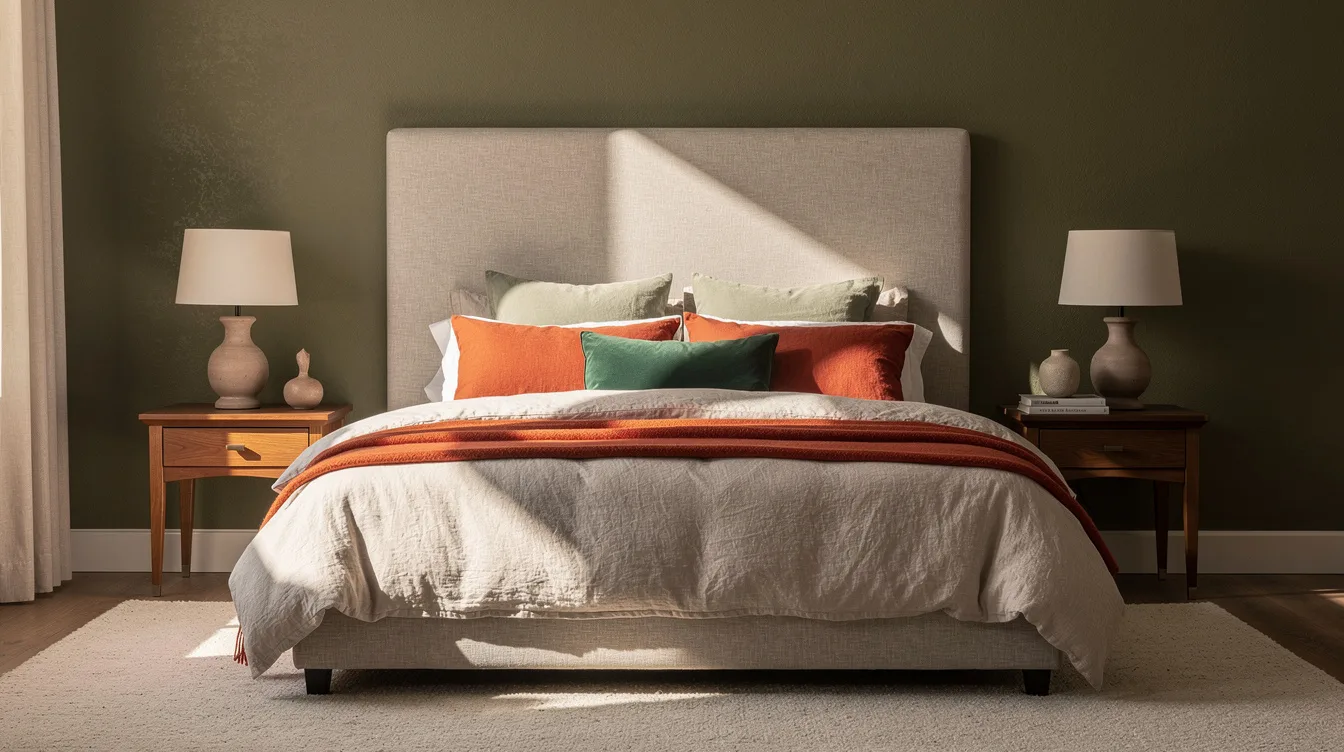
A bedroom can feel tired long before the furniture is actually bad. In my experience, the quickest fix is usually a handful of visible changes around a queen bed, about 60 inches wide, not a full makeover.
The look that keeps winning from 2024 through 2026 is warmer, simpler, and more tactile: one soft wall color, better bedding, natural materials, and one clear statement piece. That is also why a refresh can happen on a typical budget of about $200 to $700, instead of turning into a full-room project.
Warm the Walls With One Softer Shade
If your bedroom still leans icy gray or flat white, that is the first thing I would change. A warmer wall color makes even an average 10-by-12-foot room feel calmer and more finished.
A Home Depot paint update for one wall typically runs about $40 to $90, depending on the finish and how many supplies you already own. Cream, toffee, olive, and soft blue-green work harder than stark white, and matte always looks more expensive than a shiny wall in a bedroom.
If painting is off the table, go for removable wallpaper behind the bed instead. A large-scale stripe, floral, or geometric print from Target gives you the same focal-point effect without touching the whole room.
Limit the Palette to One Bold Accent
The fastest bedrooms right now are not colorless, they are controlled. Start with warm neutrals, then add one clear accent, dusty yellow, rust, or muted blue, and stop there.
A single Walmart accent chair, throw, or oversized lumbar pillow can shift the whole mood for around $25 to $120. Designers are right to avoid five competing colors here, because bedrooms fall apart fast when every surface asks for attention.
I like one bold note against cream bedding and medium-tone wood. A Wayfair rug in olive or a rust bench at the foot of the bed does more than a dozen tiny decorative objects ever will.
Cut the Bedding Back to Better Basics
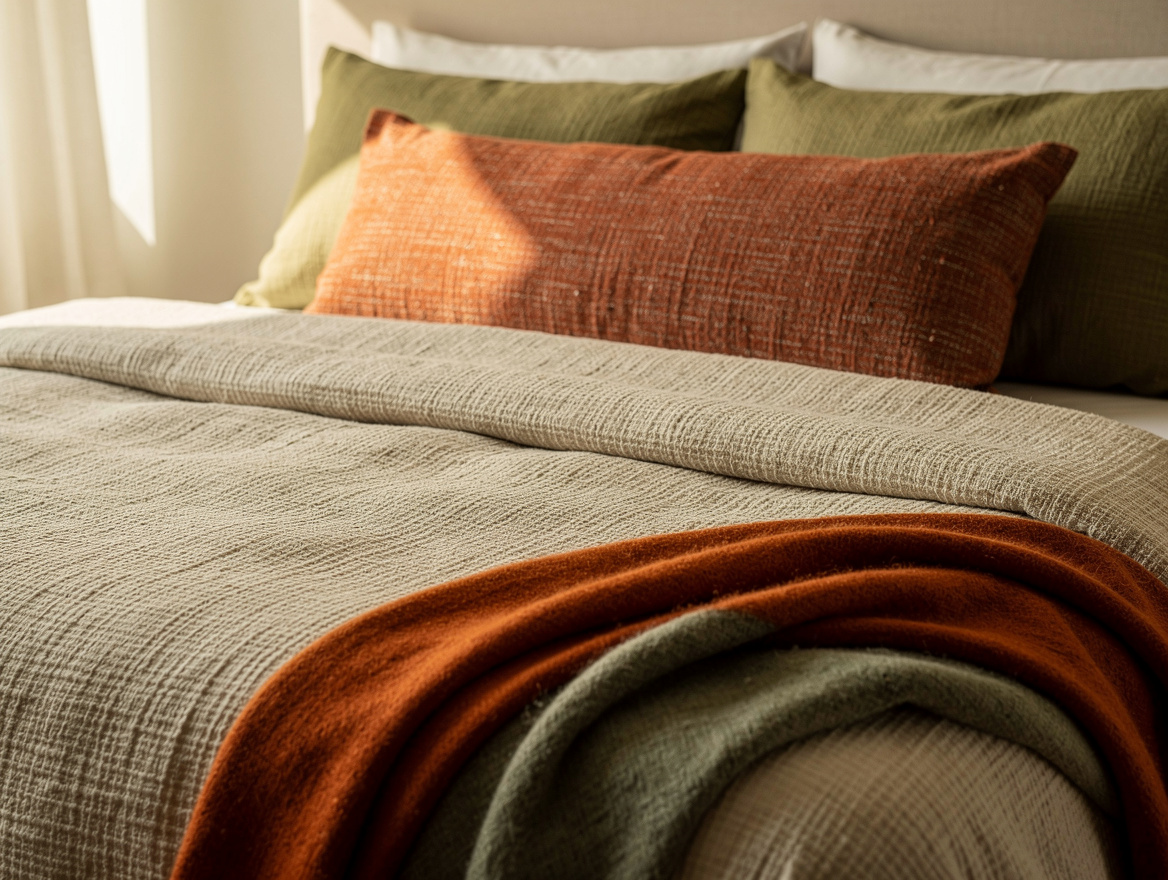
This is the easiest reset of the bunch: fewer pillows, better fabric, cleaner lines. Hotel-stiff white bedding reads generic now, while washed texture feels lived-in and current.
A IKEA linen or cotton duvet cover set typically starts around $70 to $150, and that is enough to change the whole bed. Stick to cream, sand, soft green, or muted blue, then keep the pillow count disciplined.
For most queen beds, two sleeping pillows, two shams, one accent pillow, and one throw are plenty. A Amazon bolster or textured lumbar usually looks sharper than a pile of six decorative pillows, which just eats space and makes the room feel fussy.
Layer Natural Texture Where the Eye Lands
The bed should not rely on color alone. Bedrooms look richer when the first thing you notice is texture, linen, wood, wool, or a quilted cotton layer.
Add one tactile piece, not four. A Costco wool throw or quilted coverlet typically lands around $30 to $100, and that single layer gives flat bedding the depth it usually lacks.
Wood matters too, especially near the bed. A simple IKEA oak-look nightstand or wood bench brings back warmth that painted furniture often strips out, and I think that warmth is what makes this trend last beyond one season.
Make the Headboard Do the Heavy Lifting
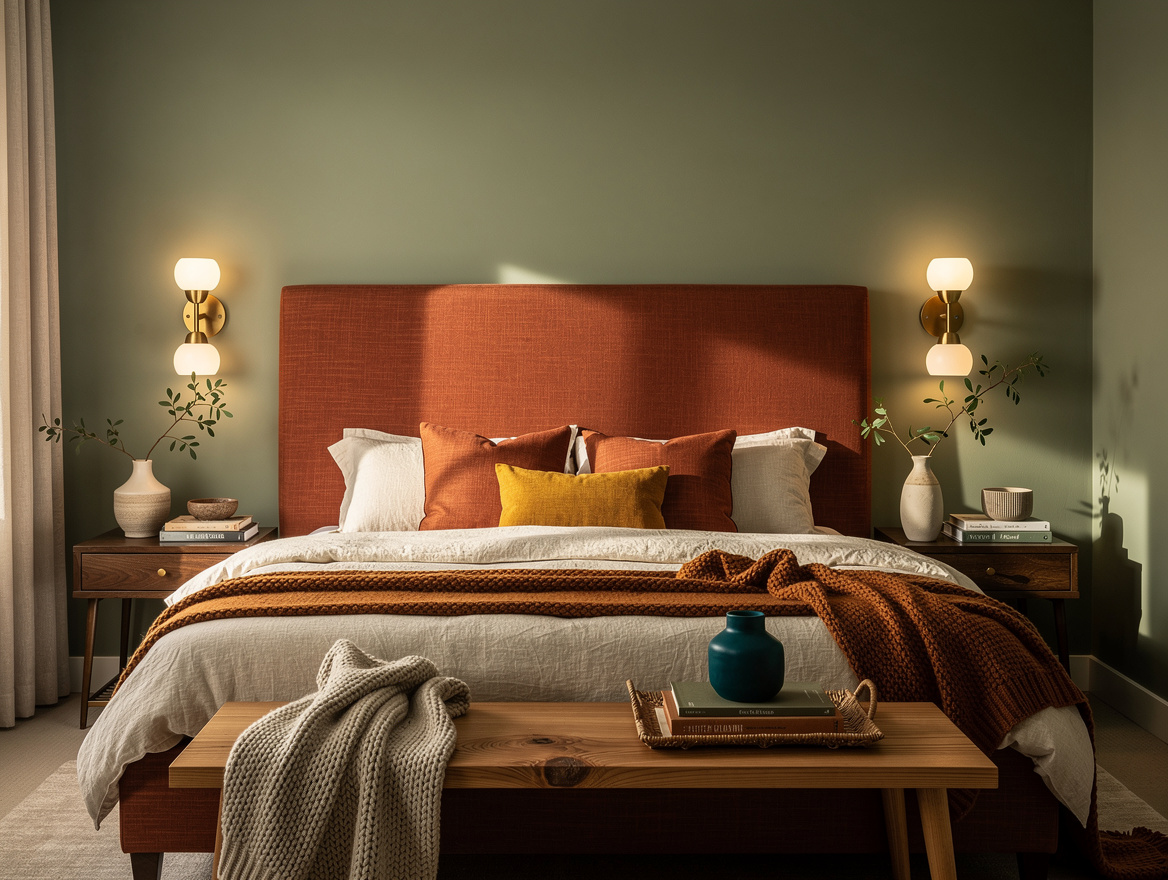
If you want one statement move, make it the headboard wall. Designers keep returning to oversized upholstered panels, tall wood slats, and bed walls that look intentional from floor to ceiling.
For a queen bed, the mattress is about 60 inches wide, so a headboard that reaches wider than that usually feels more custom. A Wayfair upholstered headboard typically costs about $150 to $400, while a full slat-wall setup can run higher, but it gives the room a real center of gravity.
You can also fake the effect with paint or wallpaper behind the bed, then add floating nightstands. A Lowe’s wood-slat DIY wall is more work, but it has a cleaner, more architectural payoff than another framed print ever will.
Replace Overhead Glare With Bedside Glow
Most bedrooms are dragged down by one bad ceiling fixture and almost no layered light. The fix is simple: bring the light lower, closer, and warmer.
Plug-in sconces from Amazon or Target typically cost around $30 to $90 a pair, and they instantly make the bed area feel designed. I would take bedside sconces over a trendy chandelier in a small bedroom every single time, because the room has to feel good at night, not just in daylight.
If you have room for one more upgrade, add a lamp with a linen shade on the dresser. A Walmart lamp in ceramic, brushed metal, or ribbed glass gives you that soft evening glow that harsh cool bulbs completely kill.
Ground the Room With a Rug That Reaches Out
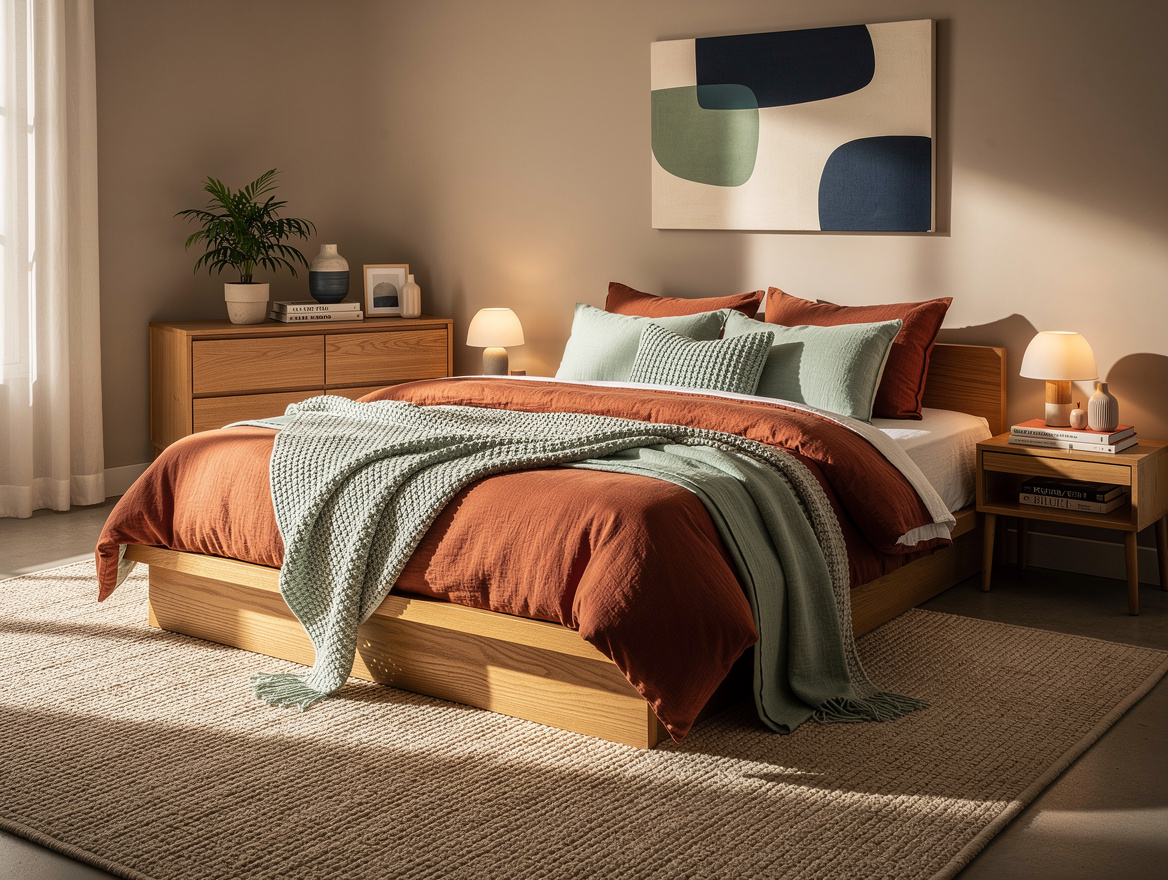
A bedroom refresh often stalls because the floor still feels bare, cold, or undersized. The rug should extend beyond the bed enough to soften the first step each morning and visually widen the room.
For a queen bed, an 8-by-10 rug is a typical target if the layout allows it. A Wayfair or Target rug in wool-look texture, muted pattern, or warm neutral tones often runs about $120 to $300, and that is usually a smarter spend than buying more wall decor.
Skip the tiny rug that only peeks out at the foot of the bed. A larger Amazon area rug with a low pile is the move if you want the room to feel calmer, quieter, and more expensive without adding clutter.
Start with the surface that takes up the most visual space, your walls or your bed, then add just one statement move after that. When the color is warmer and the bedding is cleaner, the rest of the room usually tells you what it still needs.
Mia Carter writes about small-space living and budget home makeovers. She has restyled three rentals and tests most ideas in her own 45 sqm flat.