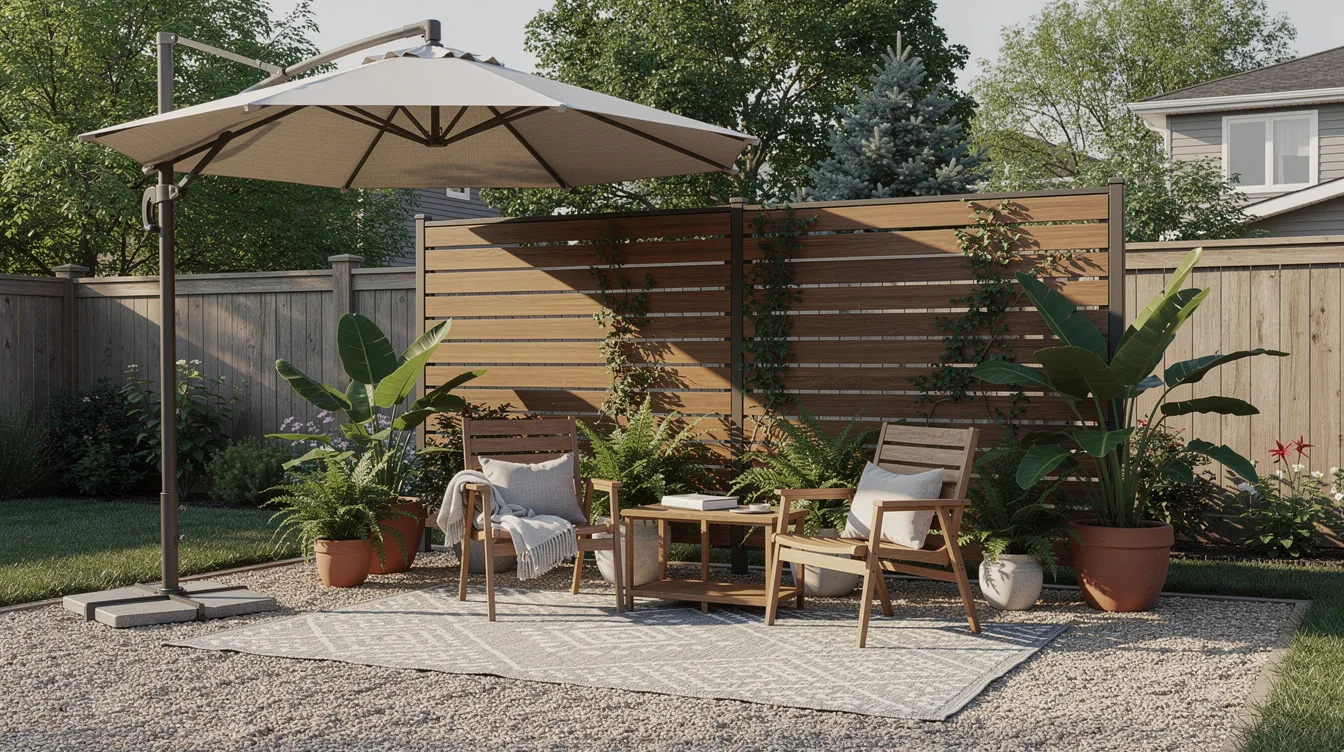
The worst spot in my yard was not the middle, it was the back corner where the fence met at a weird angle and the grass gave up every July. It collected a broken pot, two spare pavers, and that one folding chair nobody actually wanted to sit in.
I kept thinking it needed a full patio project, which meant permits, labor, and a bigger budget than I wanted. What it really needed was shade, a clean floor, and a layout that stopped fighting the shape of the space.
Measure the corner before you buy anything
I started with a tape measure because this kind of project gets expensive fast when the footprint is off by even a foot. My corner was awkward, with a fence jog, a downspout, and one patch that stayed damp after rain, so guessing would have been a dumb move.
A typical small retreat needs about 8 x 10 feet to fit two chairs, a side table, and a path you can actually walk through. I marked the outline with a garden hose first, and that made it obvious where the seat backs would hit the fence.
I also checked my local rules before buying anything tall or attached. Freestanding pieces are usually the easiest route, and that is why I skipped anything that looked like a permanent roof.
Cover the ground so the space feels finished
The biggest visual fix was getting rid of the patchy dirt and the stubborn weeds that made the corner look abandoned. I laid a weed barrier, then added pea gravel, because it drains well and gives a small area a clean edge without pouring concrete.
A typical gravel base for a compact seating zone runs around $4 to $6 per square foot if you also need edging and landscape fabric. I bought most of the basics at Home Depot, and I would do that again because this is the part where cheap materials look cheap very quickly.
To keep the chairs from wobbling, I set a few large pavers where the front legs would land. That little detail matters more than people think, and I would choose stable footing over decorative stone every time.
Create shade with one move, not a full build
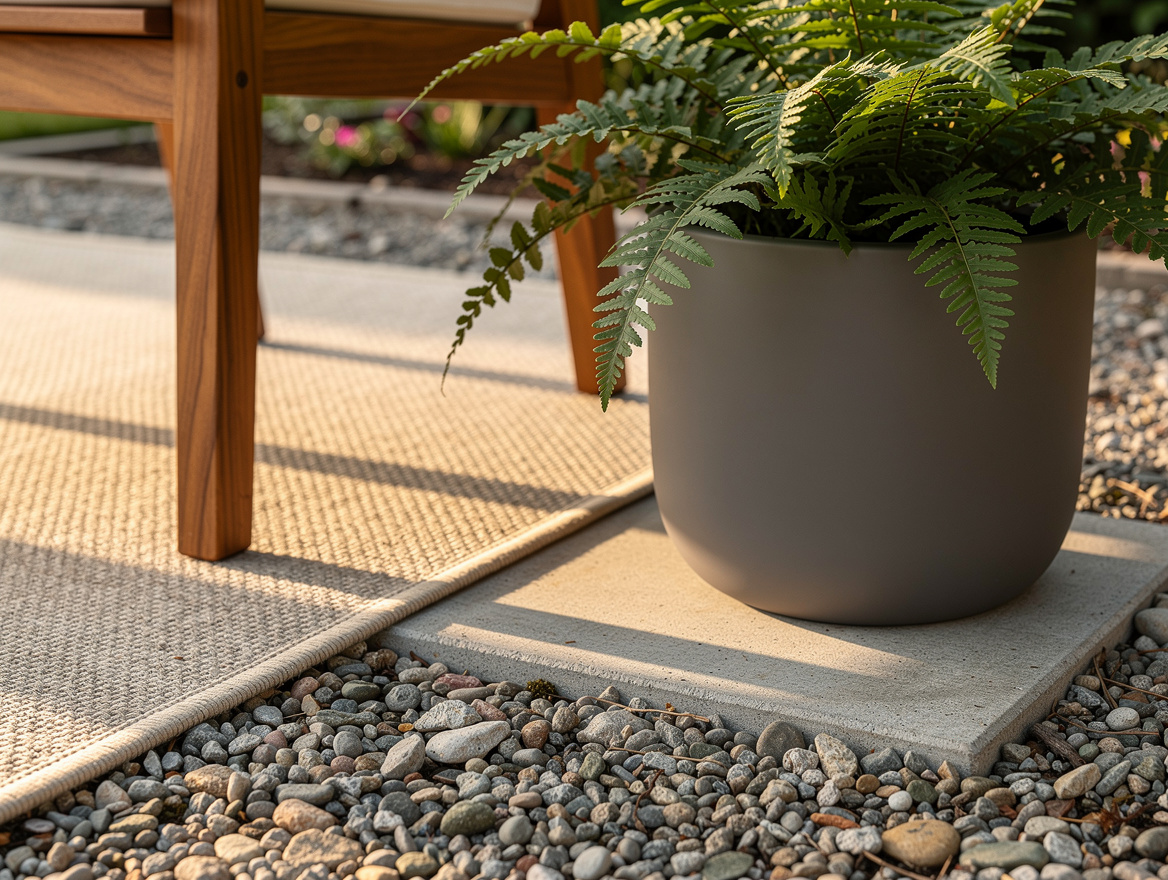
I knew the corner would never get used unless I solved the late afternoon sun first. Instead of flirting with a permit issue, I went with a freestanding offset umbrella, which gave me coverage without attaching anything to the house or setting deep posts.
A typical 10-foot umbrella from Target or Walmart often lands around $80 to $150, and that is enough for a modest nook. I prefer this over a tiny market umbrella because the side pole keeps the center clear and makes the whole setup feel less cramped.
If your yard gets wind, do not skimp on the base. I used a heavy weighted stand and treated that as a non-negotiable purchase, because a flopping umbrella will make you hate the whole corner.
Block the harsh view with a light screen
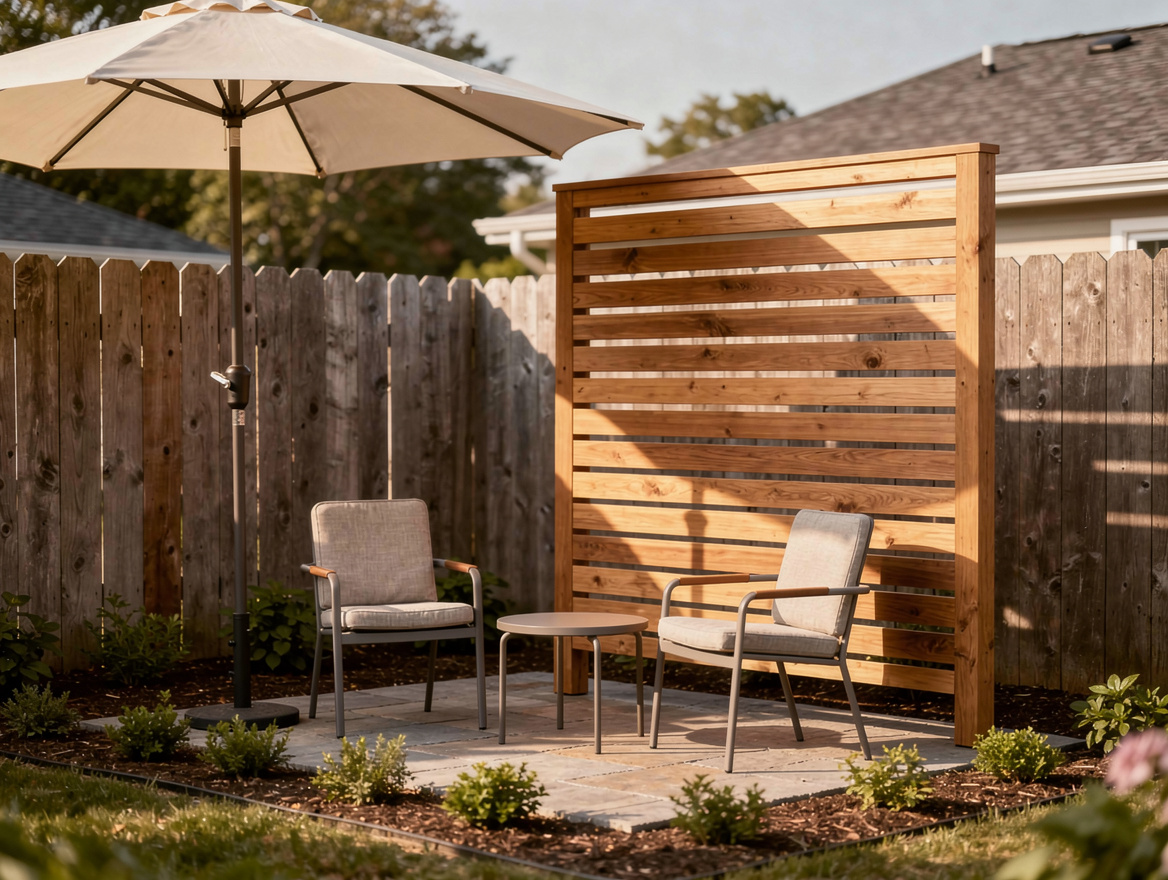
My corner faced the least charming part of the yard: fence stains, hose clutter, and the side of the trash can area. A simple outdoor privacy screen changed the mood in one afternoon and made the spot feel intentional instead of accidental.
I looked at freestanding panels from Wayfair and Amazon because they are easier to move if the layout changes. Typical folding outdoor screens often cost about $90 to $180, and I think that money goes farther than blowing the budget on extra decor.
I kept the screen slightly off the fence so the corner would still breathe after rain. A tight, sealed setup can feel stuffy, and I wanted shade, not a boxed-in cubicle.
Use smaller seating that still feels like a real retreat
I almost bought a full patio set, then remembered the corner was not a deck and did not need to pretend to be one. Two compact acacia wood chairs with slim arms fit better, looked lighter, and gave me room for a table without crowding the path.
A lot of decent small-space sets at Lowe’s or IKEA sit in the roughly $150 to $300 range, depending on cushions and frame material. I would rather buy fewer pieces with better proportions than wedge in oversized seating that nobody enjoys using.
Then I added one narrow side table for a drink, a book, or a citronella candle. That was enough, and I think overfurnishing is the fastest way to make an outdoor corner feel smaller than it is.
Layer in soft texture and low-maintenance planting
This was the step that made the corner feel like a retreat instead of a practical fix. I brought in an outdoor rug to warm up the gravel, then added cushions in faded green and sand so the whole thing matched the shade instead of fighting it.
A typical 5 x 7 outdoor rug from Amazon or Costco often costs about $40 to $100, and it is worth it if the seating area feels too bare. I do not love loud patterns in a tiny yard corner because they make the space look busy fast.
For plants, I stuck with containers that handle partial shade well, like fern, hosta, and coleus. A couple of matte resin planters from Walmart were enough, and I would always choose larger pots over a bunch of tiny ones that dry out and look fussy.
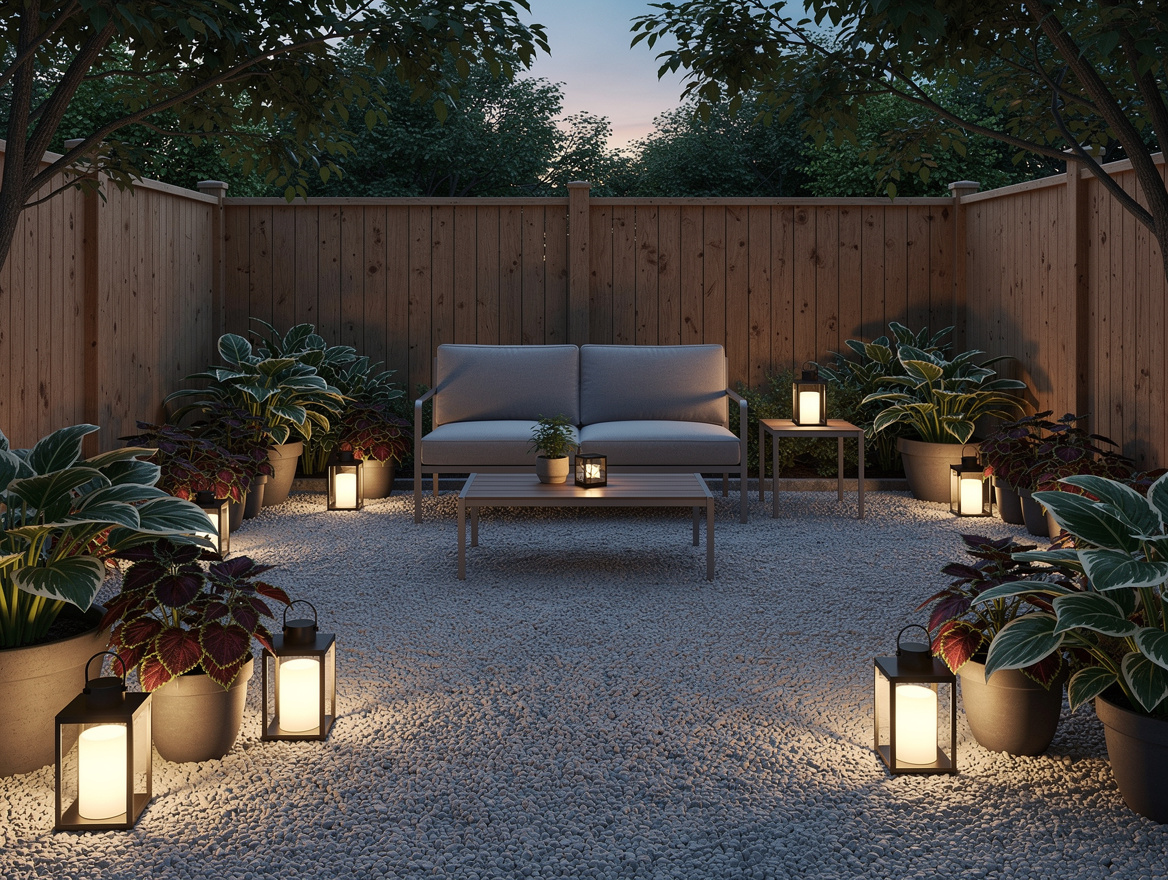
At night, I used battery lanterns and a solar path light instead of hardwiring anything. A lantern with warm light is softer than bright string lights, and the corner now works for ten quiet minutes outside, which was the whole point.
Start with the ground and the shade, then buy seating last. Once those two pieces are right, even a stubborn yard corner can turn into the spot you use most on hot evenings.
Mia Carter writes about small-space living and budget home makeovers. She has restyled three rentals and tests most ideas in her own 45 sqm flat.