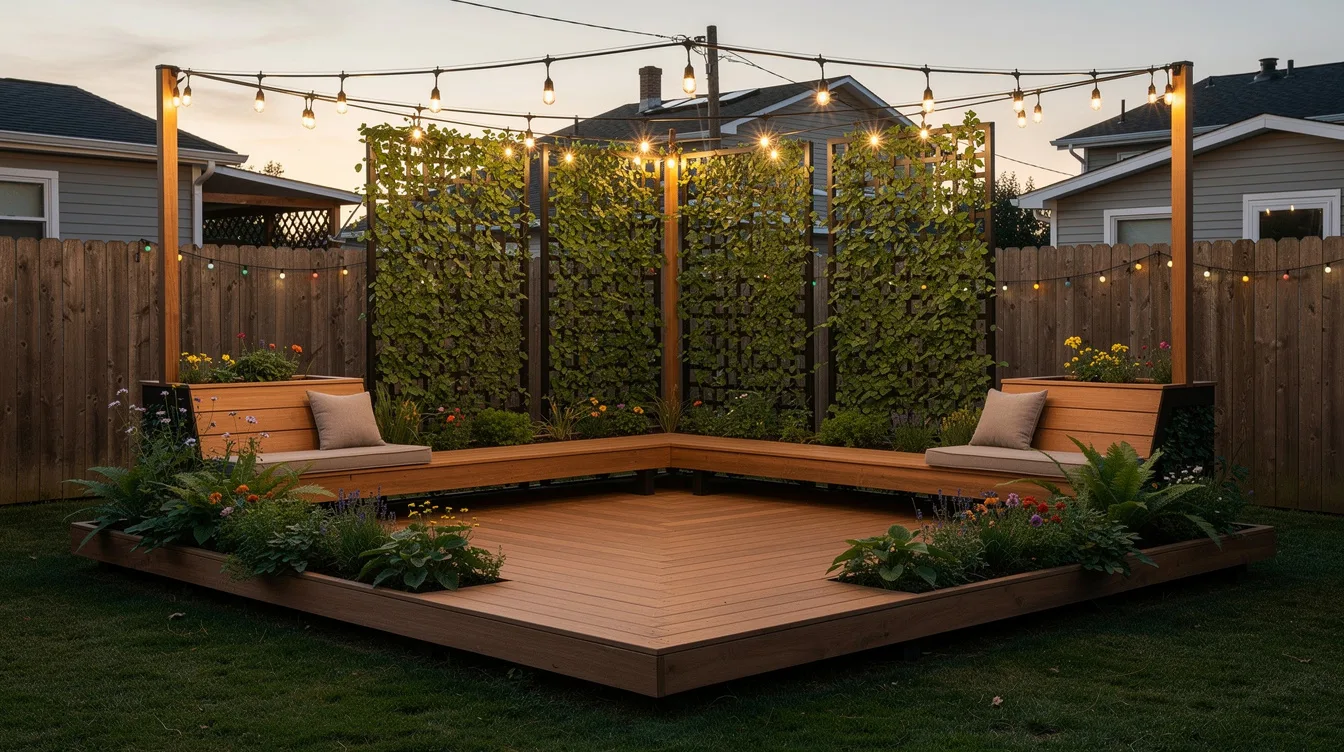
The first thing I noticed every time I opened my back door was how little room I had left after two chairs, three planters, and a hose reel got involved. The yard itself was not that tiny, but the broken-up floor made it feel tighter every week.
I fixed it with one weekend build: a low platform that turned the whole space into a single zone. No digging for footings, no attachment to the house, and in many areas, no permit needed if you keep it low and freestanding.
Map One Clear Platform Before You Buy Anything
I stopped thinking about my yard as a bunch of little spots for chairs, pots, and a grill. I treated it like one outdoor room and marked a simple rectangle with string, about 10 by 13 feet, leaving a narrow border around the edges for plants and lights.
That single move changed the whole plan. A continuous floor reads larger than scattered surfaces, and in a small yard, that matters more than squeezing in extra furniture.
Build a Low Floating Base That Usually Stays Permit-Free
I kept the platform low and freestanding, roughly 12 inches or less, because that usually avoids permits in many places when you are not attaching to the house or changing a structure. You still need to verify local rules, but staying low is the smartest way to keep the build simple.
For ground prep, I scraped away a couple inches of soil, pulled weeds, laid landscape fabric, and added a thin leveling layer of gravel. A typical roll of Home Depot landscape fabric runs about $25 to $40, and basic gravel for a small footprint is often another $40 to $70.
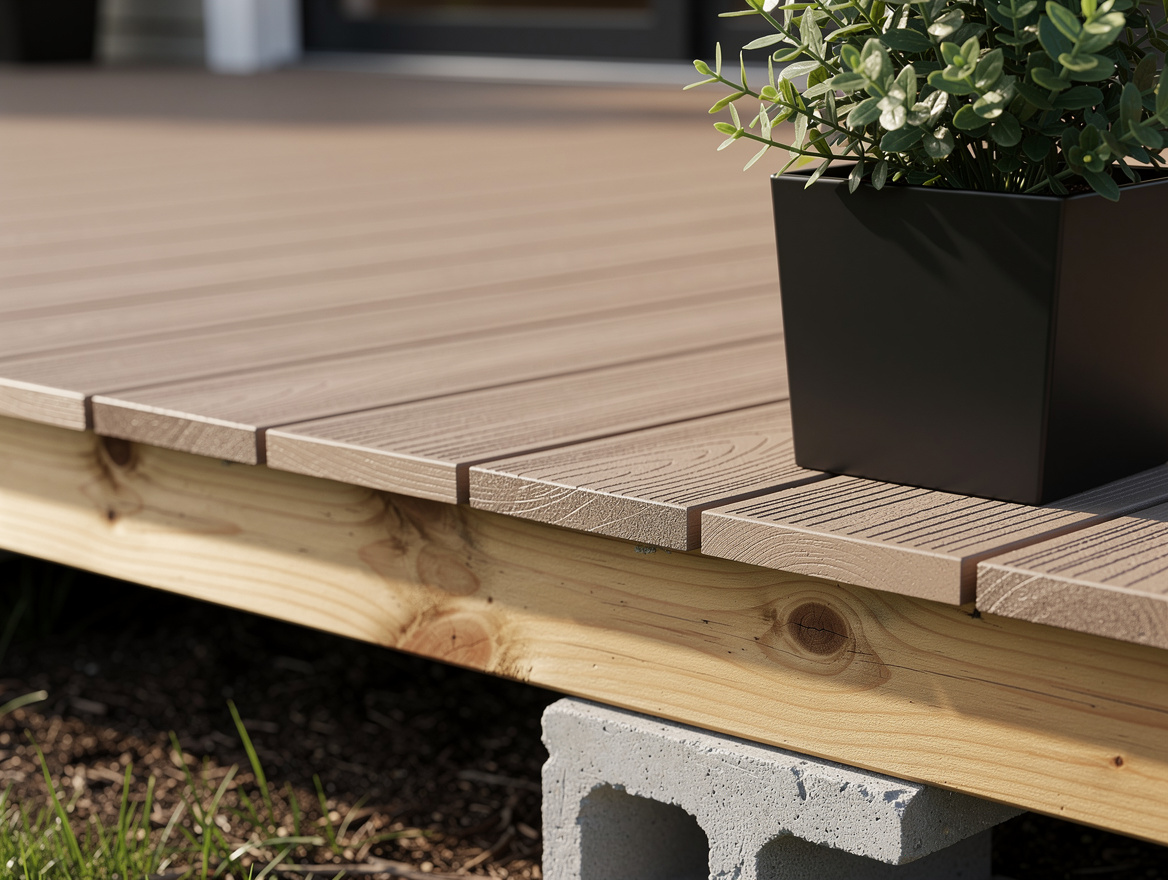
I like deck blocks for this job because they are fast and forgiving. At Lowe’s, deck blocks or similar support bases typically land around $8 to $12 each, and a platform this size often needs about 12 to 16 of them.
Choose One Surface and Commit to It
I went with composite decking because it feels warmer underfoot than pavers and makes a small yard look more like an actual room. Typical midrange Trex composite boards sold through Home Depot average about $4 to $6 per linear foot, and for a compact platform, material cost often lands around $900 to $1,200 once you add framing and clips.
If you want a cleaner, harder look, large patio pavers work too. A typical Lowe’s concrete paver setup averages less than composite, but I think pavers can look choppy in a very small space unless you keep the joints and colors extremely restrained.
The frame was plain pressure-treated lumber with joists spaced evenly so the deck felt solid. Nothing fancy, and that was the point, because the visual calm on top matters more than hidden complexity underneath.
Push Seating and Storage to the Perimeter
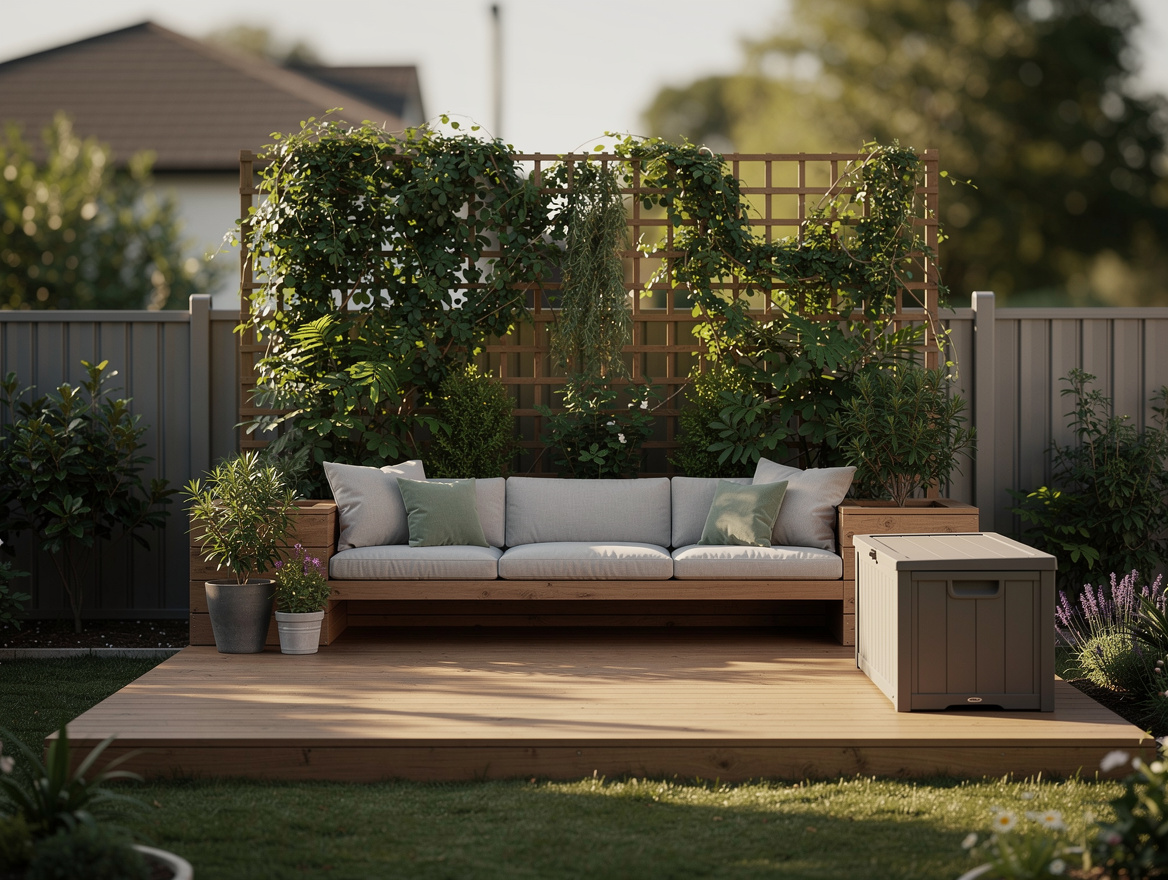
The mistake I almost made was putting loose seating in the middle. Instead, I built a simple bench along one edge and used a Walmart deck box on the back side, which gave me places to sit and stash cushions without eating up the open floor.
A bench depth of about 16 to 18 inches is usually enough, and it keeps the platform useful without turning it into a maze. Deck boxes at Walmart or Target typically start around $80 to $150, and I would absolutely buy one before I bought a second chair.
I also skipped oversized sectionals. Two compact seats, one bench, and hidden storage feel disciplined, and discipline is what makes a tiny yard look expensive instead of crowded.
Run Greenery Up the Fence, Not Across the Floor
Planters were the thing that kept making my yard feel pinched. I moved every pot to the edges and added a vertical layer with a Target metal trellis and a couple of wall-mounted planters so the eye went up instead of tripping over containers.
For a small space, I think tall and narrow beats wide and bushy every time. A trellis or planter wall usually costs less than adding more furniture, often about $30 to $80 per piece, and it gives you privacy without closing the space.
I kept the center open and used only a few larger planters instead of many tiny ones. A pair of matte black or warm clay containers from Wayfair planters looks sharper than six mismatched plastic pots, even if the total spend is about the same.
Hang the Lighting So the Floor Stays Open
Floor lamps and lantern clusters were a dead end in my yard because they stole walking space. I used Amazon outdoor string lights overhead and clipped a few small solar lights into the planting edge, which lit the zone without adding clutter at my feet.
Typical outdoor string lights on Amazon or Costco run about $25 to $60, depending on length and bulb style. I prefer warm white and black wire because clear cords and blue-toned bulbs make a small yard feel cheaper fast.
I also avoided stuffing every corner with decor. One overhead line of light, one candle on the bench, and one textured pillow did more for the mood than a pile of accessories ever could.
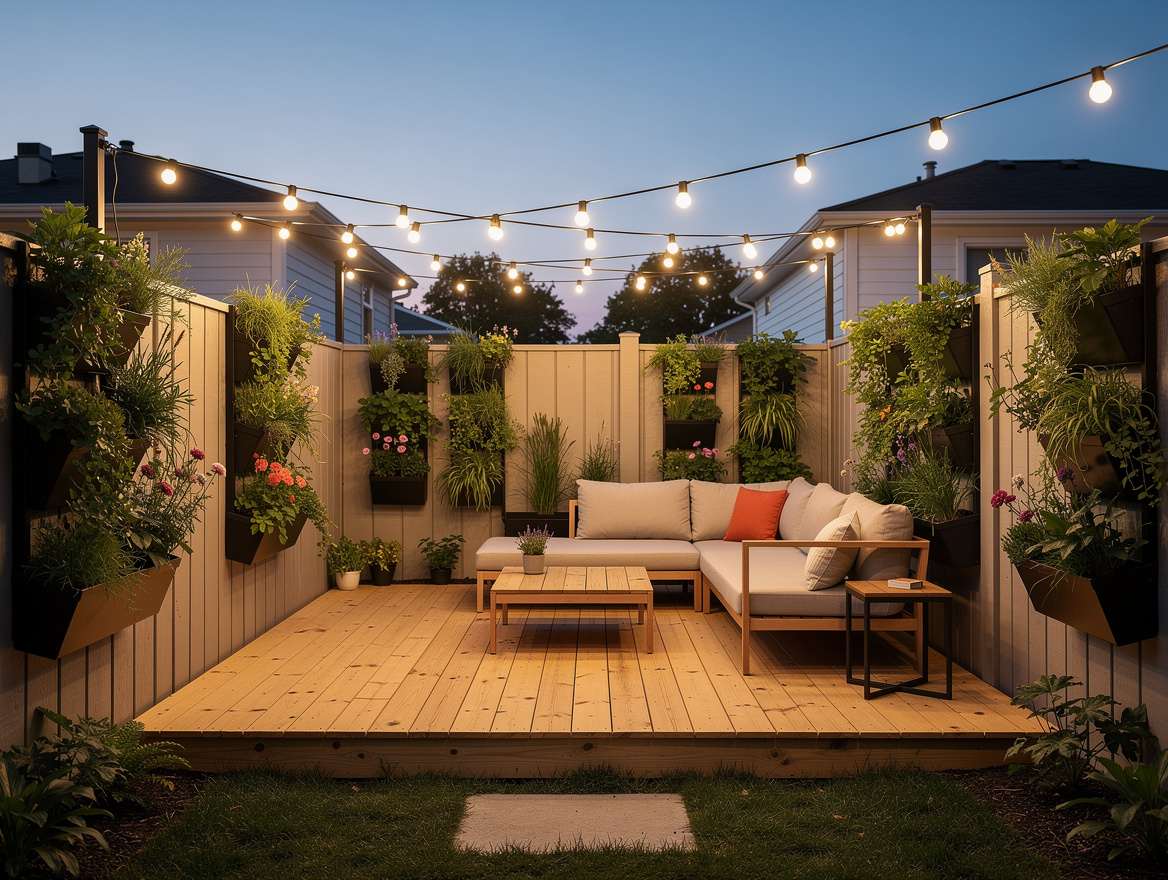
My total DIY budget for a small composite version was typically around $1,300 to $1,700 once I counted the base, framing, surface, storage, and lighting. If you want the fastest win, start by clearing the middle and building one low rectangle first, then let everything else live at the edges.
Mia Carter writes about small-space living and budget home makeovers. She has restyled three rentals and tests most ideas in her own 45 sqm flat.