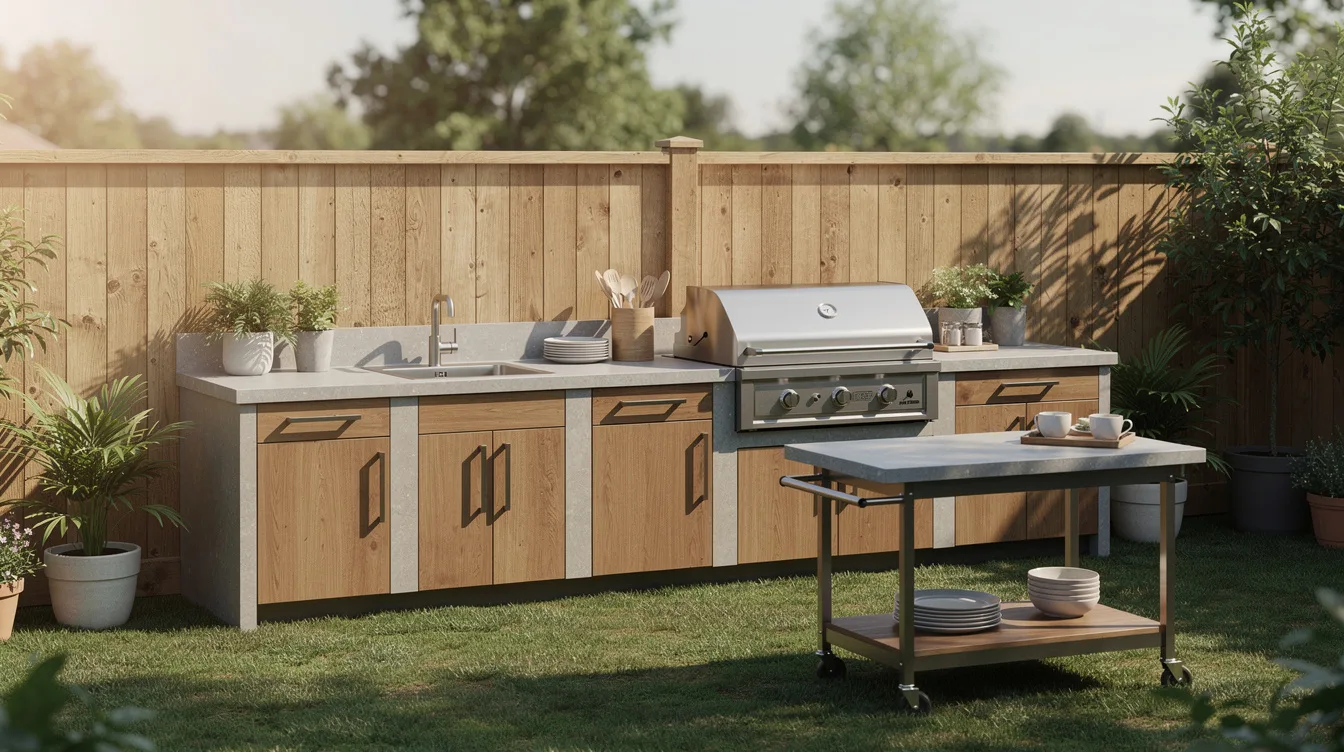
The backyard kitchens that bother me most are the ones that looked expensive on install day and awkward six months later. You can spot them fast: a giant grill island, blinding counters at noon, and nowhere easy to set down a tray of burgers or a pitcher.
Designers in 2026 are telling clients to step away from the flashy, permanent setup and build something warmer, simpler, and easier to change. That shift makes sense, because outdoor cooking habits keep changing faster than masonry does.
Break Up the Oversized Grill Island
I still see backyards with one giant stone grill island eating half the patio, and it rarely works as well as people hoped. A typical old-school built-in run stretches about 13 to 16 feet, runs roughly 35 to 40 inches deep, and can cost well over $10,000 installed once masonry, veneer, and counters are factored in.
Designers are pushing clients toward smaller modular zones instead: one cooking run, one prep table, one drink station. A flexible setup from IKEA or Wayfair makes more sense because you can add a pizza oven, smoker, or griddle later without demolishing the whole yard.
Swap Glossy Counters for Textured Surfaces
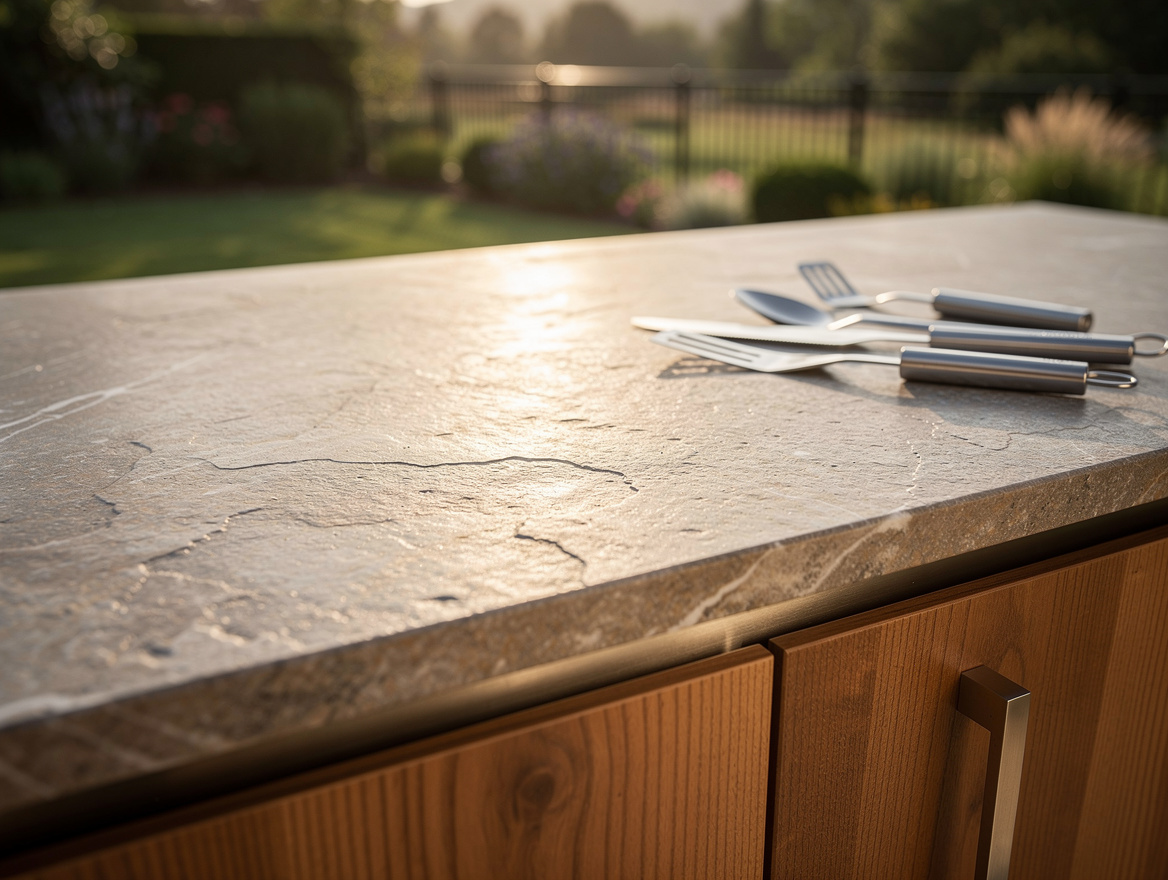
Bright, polished counters looked expensive for a minute, then outdoor light exposed every fingerprint and grease mark. A shiny white quartz countertop still tends to cost around $50 to $100 per square foot installed in the US, and outdoors it often feels too slick and too indoor.
What looks better now is a matte finish with some texture: honed travertine, leathered limestone, or even outdoor-rated porcelain with a stone look from Home Depot. I’m firmly on the anti-gloss side here, because a backyard kitchen should relax the eye, not bounce sunlight straight back at you.
Tone Down the Flashy Metal Details
Too much polished hardware is dating outdoor kitchens fast. When every handle, faucet, sconce, and trim piece is bright polished brass, the setup starts reading like a showroom display instead of a place where people actually grill.
Designers are leaning toward softer finishes, especially aged bronze, blackened steel, and muted nickel tones from Lowe’s. Those finishes hide wear better, feel warmer next to wood or stone, and they do not demand constant polishing just to look decent.
Shrink the Fire Feature Near the Cook Zone
Big built-in fire pits right beside the grill are losing ground for a reason: they dominate the layout and steal room from prep and seating. A fixed masonry fire pit that measures 60 to 80 inches across can become the visual center of the yard, even when the whole point is cooking and gathering.
Smaller, movable fire elements work better, or no fire feature at all if the patio is tight. A compact propane model from Target or Walmart plus better lighting usually gives you more usable square footage, and I think that is the smarter trade every time.
Stop Building Around One Grill Only
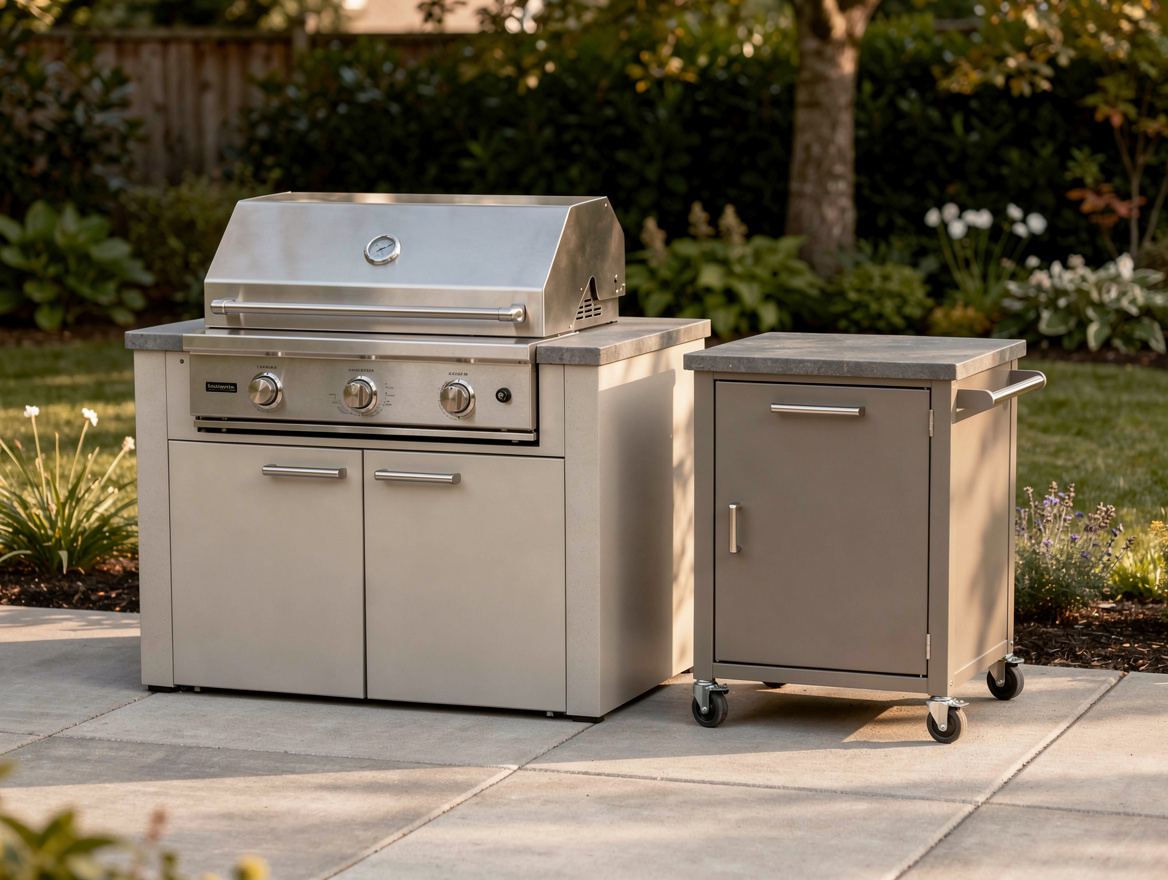
A single built-in gas grill with no landing space, no cold storage, and no side function feels stale in 2026. Plenty of older setups wrapped a 36- to 48-inch gas grill into masonry and called it done, even though real outdoor cooking now includes griddling, chilling drinks, and holding platters.
Designers are breaking that up with separate pieces: a prep cart, a beverage station, and sometimes a plug-in pizza oven or griddle. A rolling stainless cart from Amazon or Ace Hardware typically lands around $150 to $400, and that kind of add-on is far more practical than rebuilding a permanent base.
Quit the Matchy Stone Veneer Everything Look
One of the quickest ways to date a backyard kitchen is covering the island, seat wall, fire feature, and planter boxes in the same stacked stone veneer. It creates a heavy, overbuilt block of texture that can make even a large yard feel tighter and darker than it is.
Designers are mixing smoother plaster-like finishes, slatted wood-look panels, and one grounded stone surface instead of four competing ones. You can get outdoor-friendly composite screening and panel systems through Costco or Wayfair, and the simpler mix feels a lot more current.
Ditch Fixed Seating That Locks the Layout
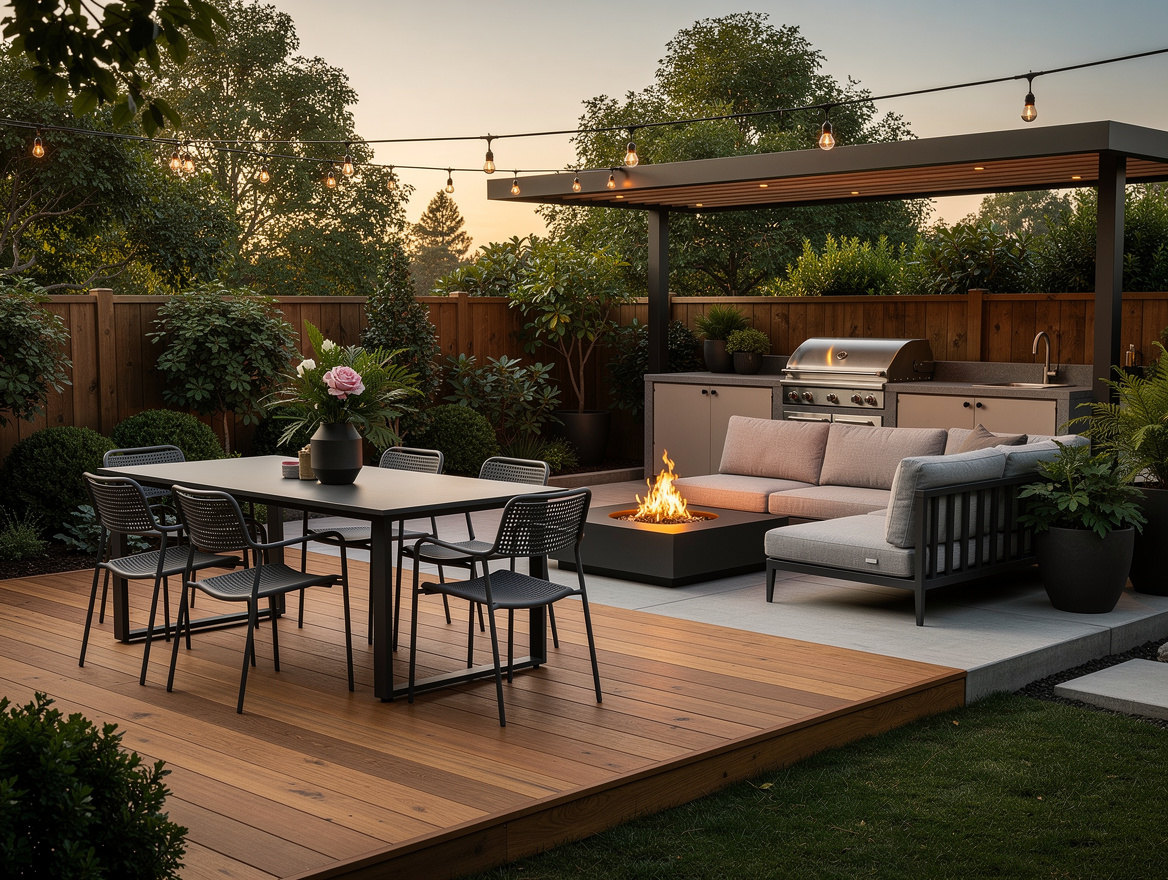
Permanent curved benches around the cook area used to feel custom, but they lock you into one traffic pattern forever. Once a built-in seating wall goes in, moving the grill, adding a prep cart, or making room for a smoker gets harder than it should be.
Loose dining pieces and mobile prep furniture are the better call, especially in medium-size suburban yards. I’d rather see a 60- to 72-inch table from Walmart paired with stackable chairs than a built-in bench that decides the whole backyard for you.
Start with the layout, not the finish: keep your cooking run compact, add one real prep surface, and leave room to move things later. The backyard that ages best is usually the one that was not overbuilt on day one.
Mia Carter writes about small-space living and budget home makeovers. She has restyled three rentals and tests most ideas in her own 45 sqm flat.