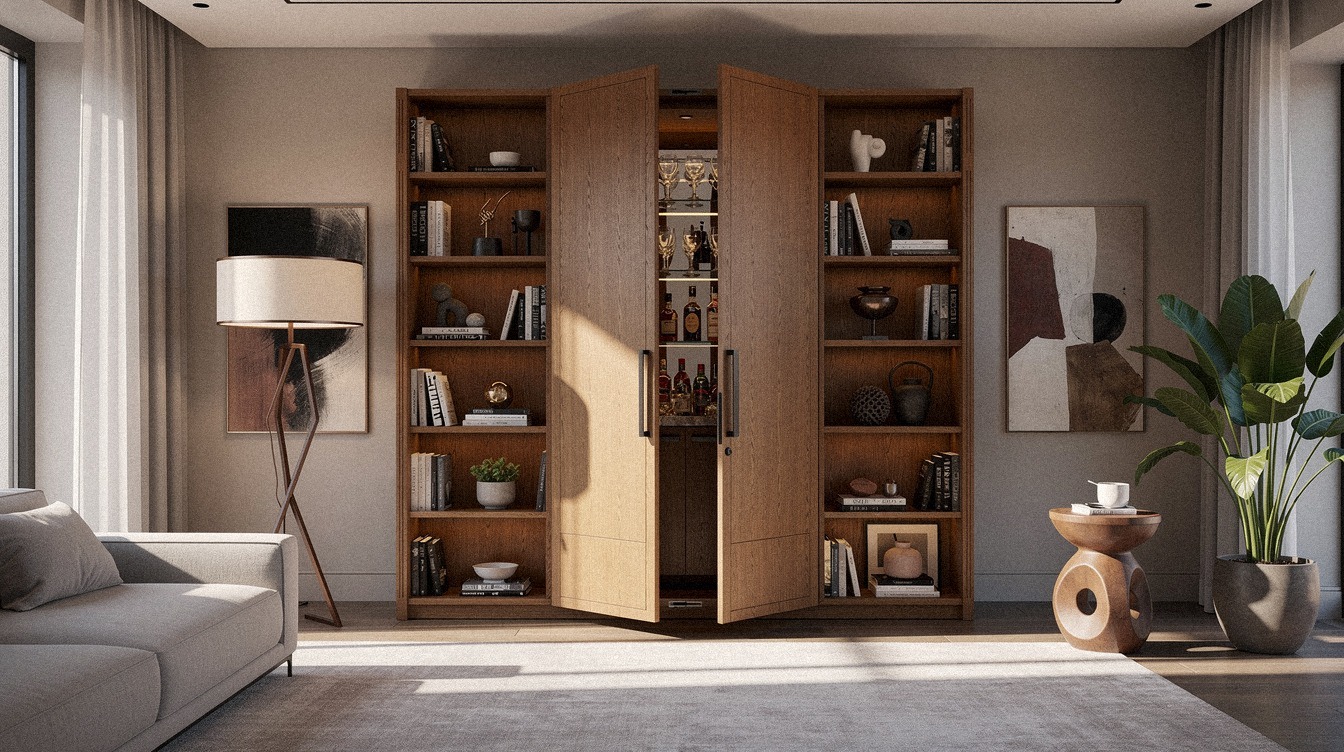
I’ve built exactly one hidden bar behind a bookcase, and I’m still a little smug about it. Eight months in, guests walk past the shelf, compliment the books, sit on the sofa, and never once ask why the third shelf is missing a row of paperbacks. Then I push the false back, the latch clicks, and the room goes very quiet. That’s the moment this whole thing was built for. Here’s how the wall really came together, what it cost, and the thirteen details I’d copy if I did it again.
Here’s what it looked like before
It was the kind of boring wall that’s almost worse than a bad one. A builder-grade Billy bookcase from IKEA sat flush against drywall, three shelves of paperbacks I never reread, and a floor lamp doing nothing useful.
No reveal. No personality. The opposite of intentional.
The whole room was a parade of “fine.” I hated the “fine.” And the more I stared at that shelf, the more obvious it became that a flat wall is a missed chance, not a problem. If you’ve got a similar dead wall, our small bedroom layout ideas walk through how to think about every zone of the room before you commit to anything, and our bedroom zone layout ideas cover the furniture spacing side.
- measure the wall twice and lie to yourself once
- Frame the cavity with a 2×4 header
- Anchor a pivoting bookcase door with a heavy-duty hinge
- Style the decoy books like you mean it
- Hide the latch in a book spine
- Line the cavity with linen and add a mirror
- Stock three bottles, three glasses, and stop
- Light it like a tiny speakeasy
- Soundproof the door with felt strips
- Add a tiny rug under the reveal
- Stage the room so the door stays invisible
- Wire a second hidden outlet inside the cavity
- Tell exactly one person, then wait
1measure the wall twice and lie to yourself once
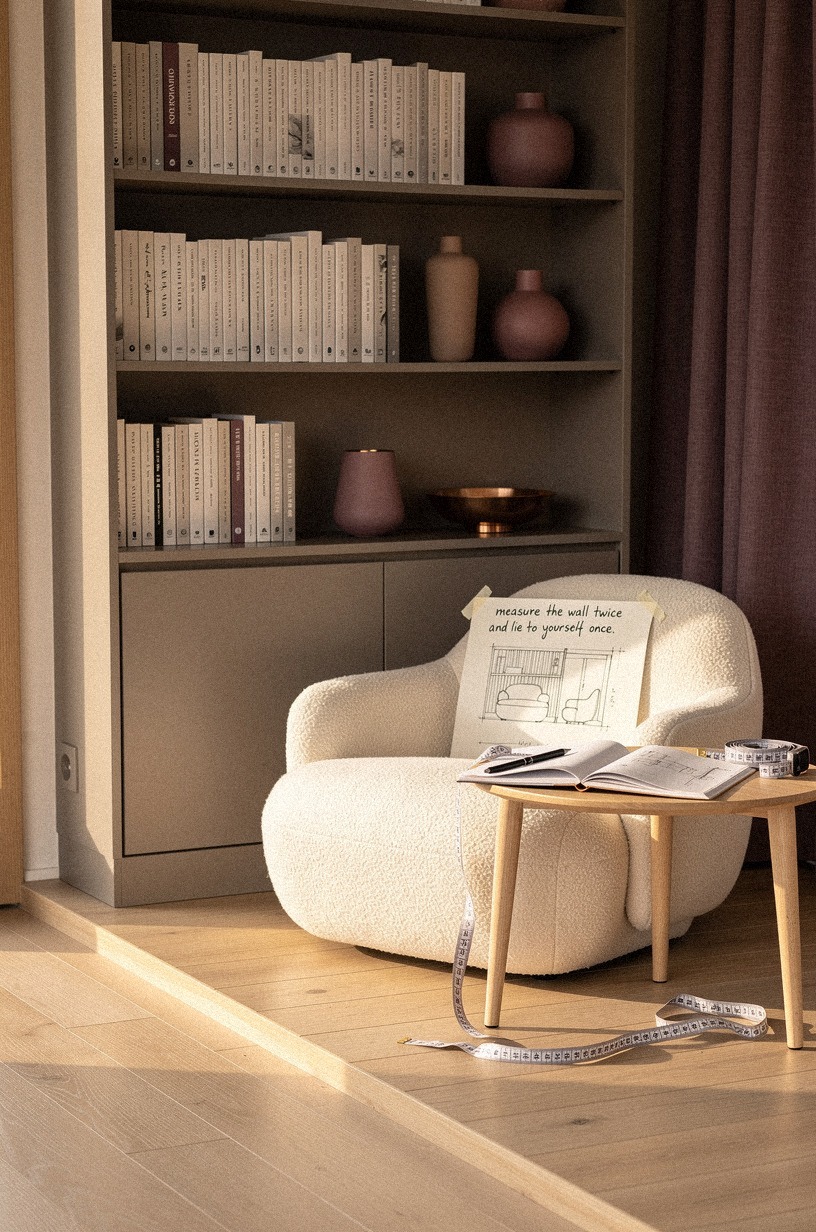
You’ll thank me later. Measure the opening width at three points (top, middle, bottom), and use the smallest number.
Old houses lie about their dimensions, and the gap between “looks close enough” and what really fits is about three quarters of an inch. A shallow recessed bookcase only needs about 9 inches of cavity depth for a bar shelf, a stemware rack, and a mirror.
That’s less than a standard bookshelf. Most people overbuild this part.
The hinge swing is the detail everyone forgets. A bookcase door needs about 28 inches of clear arc to open a full 90 degrees, so plan the rug, the sofa, and any side table around that arc.
I learned this after watching a friend cut into a wall, mount the hinge, and then realize the floor lamp was in the way. The shelf doesn’t get to be the only thing in the room.
2Frame the cavity with a 2×4 header
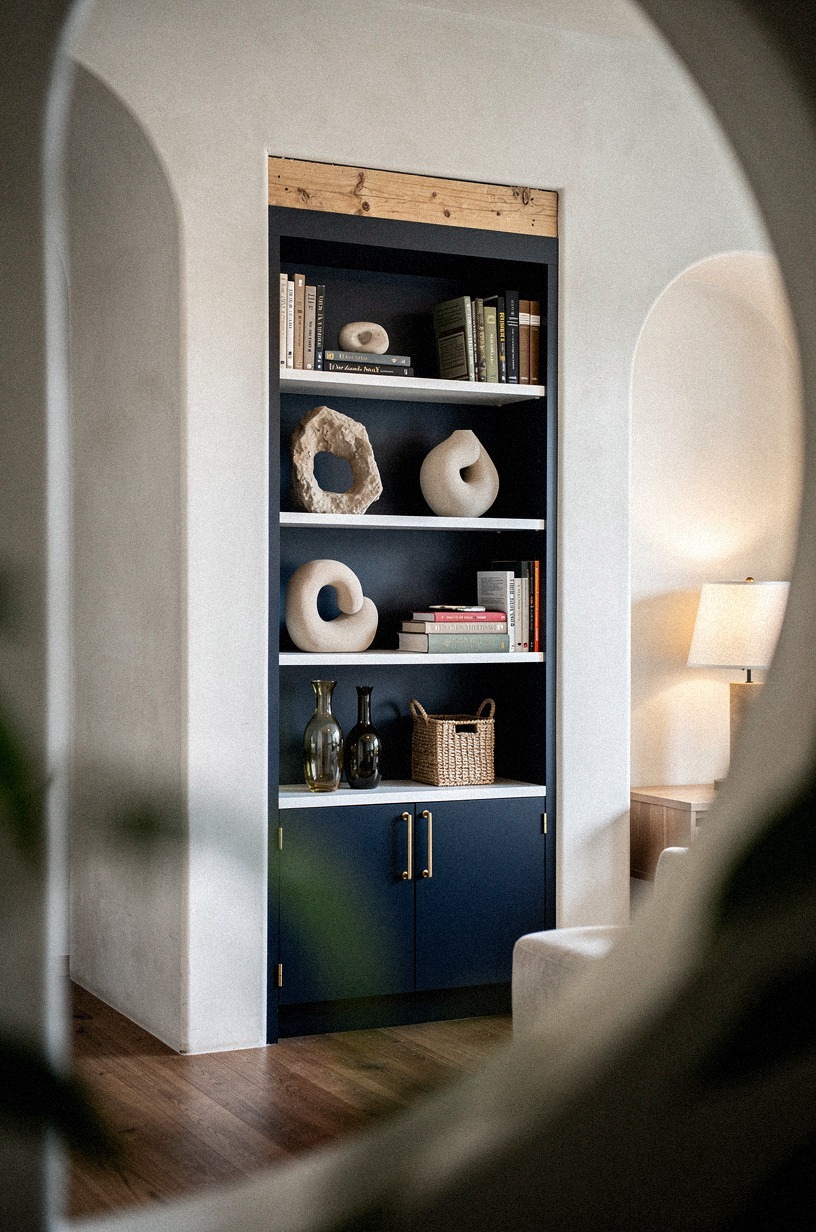
If you’re cutting into drywall, you frame the opening the same way a door installer would.
3Anchor a pivoting bookcase door with a heavy-duty hinge
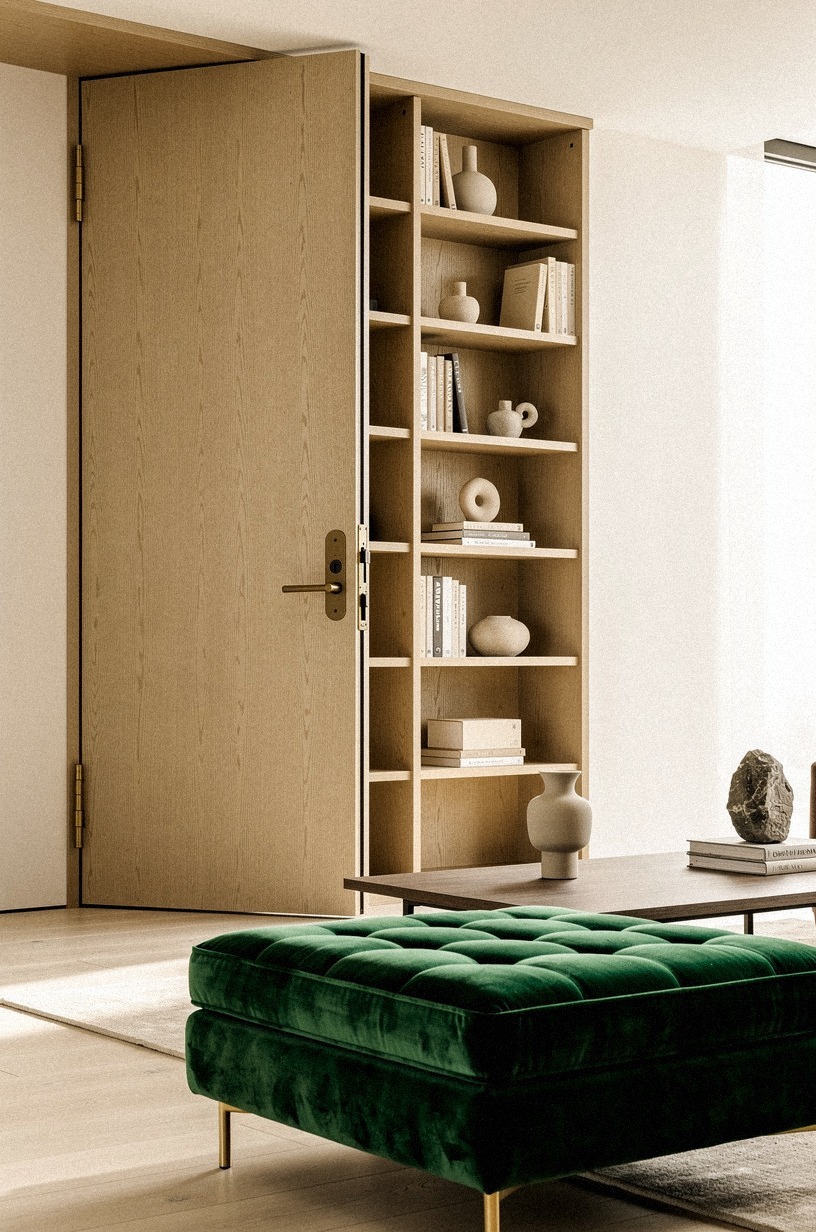
The pivot hinge is the magic trick. A single heavy-duty pivot hinge rated for at least 75 pounds sits at the bottom center of the shelf, the spine is drilled to accept a center pin, and the whole bookcase rotates open like a saloon door in slow motion.
No visible hardware. No exposed piano hinge.
Just a shelf that swings. I went with a satin brass pivot from a local ironmonger, and it’s the only piece I let myself splurge on.
A cheap pivot wobbles after a year. A good one is invisible.
The bookcase itself should be real wood, not hollow-core MDF. A loaded shelf full of novels weighs 60 to 80 pounds, and hollow-core will sag at the hinge point within six months.
I used a solid birch IKEA BORGSHULT with a custom cleat screwed to the back of the case. If you’re buying new, look for a shelf with adjustable shelves so you can dedicate the top two thirds to “decoy books” and the bottom third to clearance over the bar surface.
4Style the decoy books like you mean it
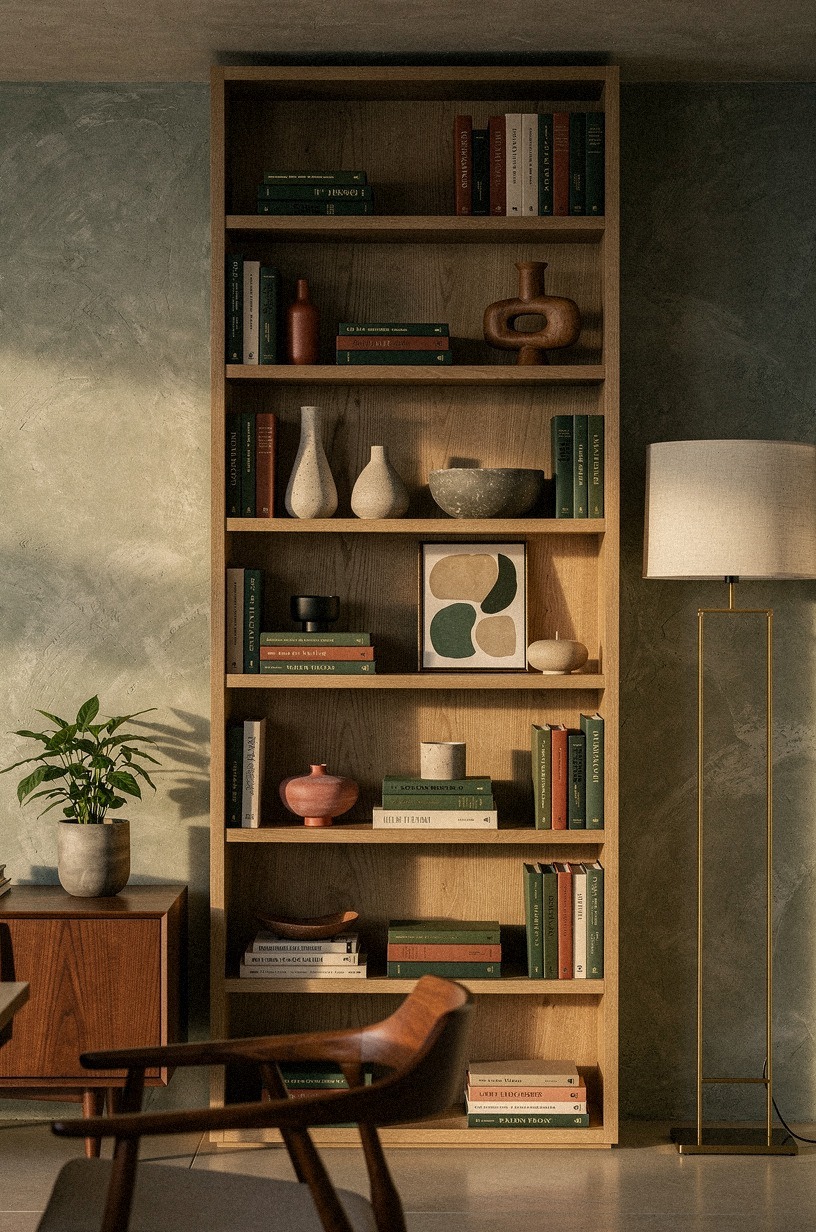
A secret door only works if the door looks boring.
5Hide the latch in a book spine
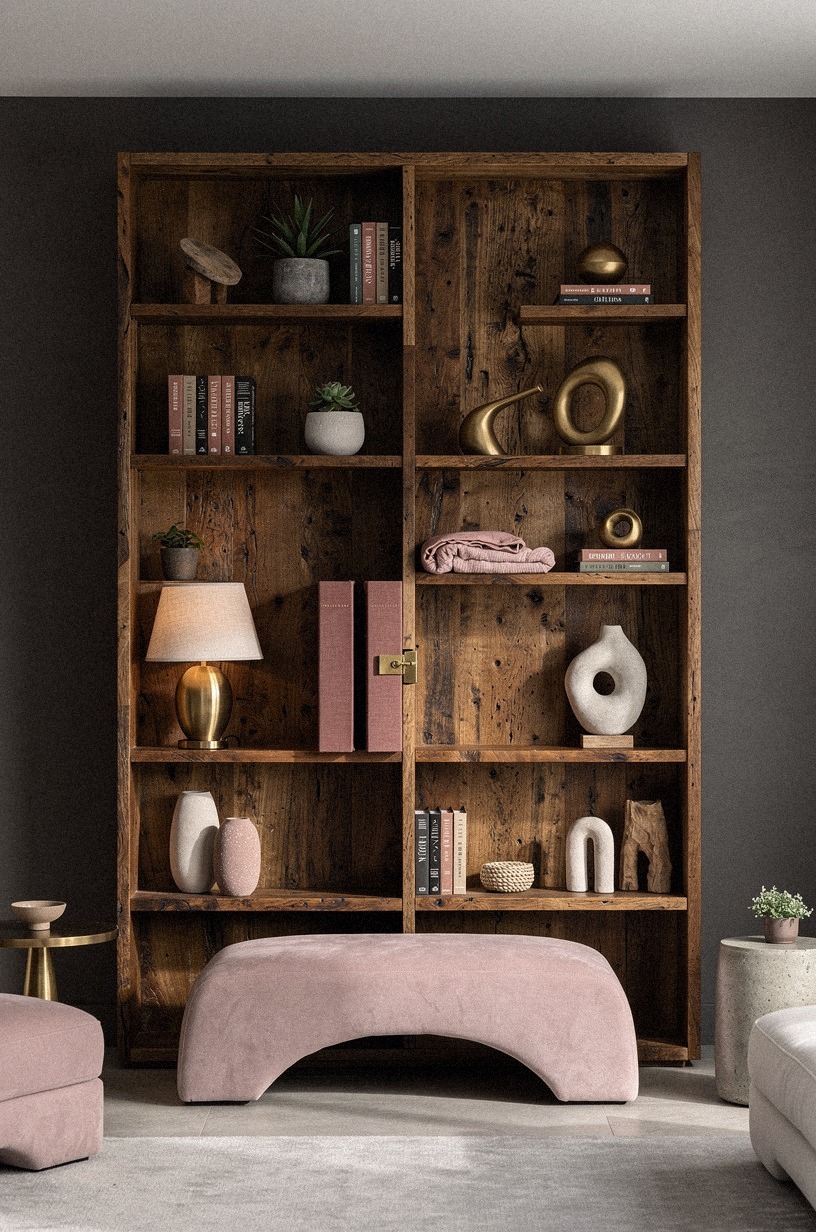
The latch is the second trick, and it lives in a book. I bought a hollowed-out hardcover from Etsy for about forty dollars, slid a push-to-open magnetic catch into the spine, and mounted a thin strike plate on the false back of the bookcase.
Push the book, the magnet releases, the door swings free. No visible knob.
No drilled hole. The book looks like a book from any angle. And if you want to be cruel about it, glue a thumb-cut on the spine so it reads like a favorite paperback everyone touches.
If a hollowed-out book feels like a gimmick, a flush brass finger pull works too. A 2-inch brass edge pull recessed into the side of the case opens with a casual two-finger pull and never catches the eye.
Pick one. Don’t do both.
Two release mechanisms on a single door is the kind of detail that reads “escape room” instead of “library.”
6Line the cavity with linen and add a mirror
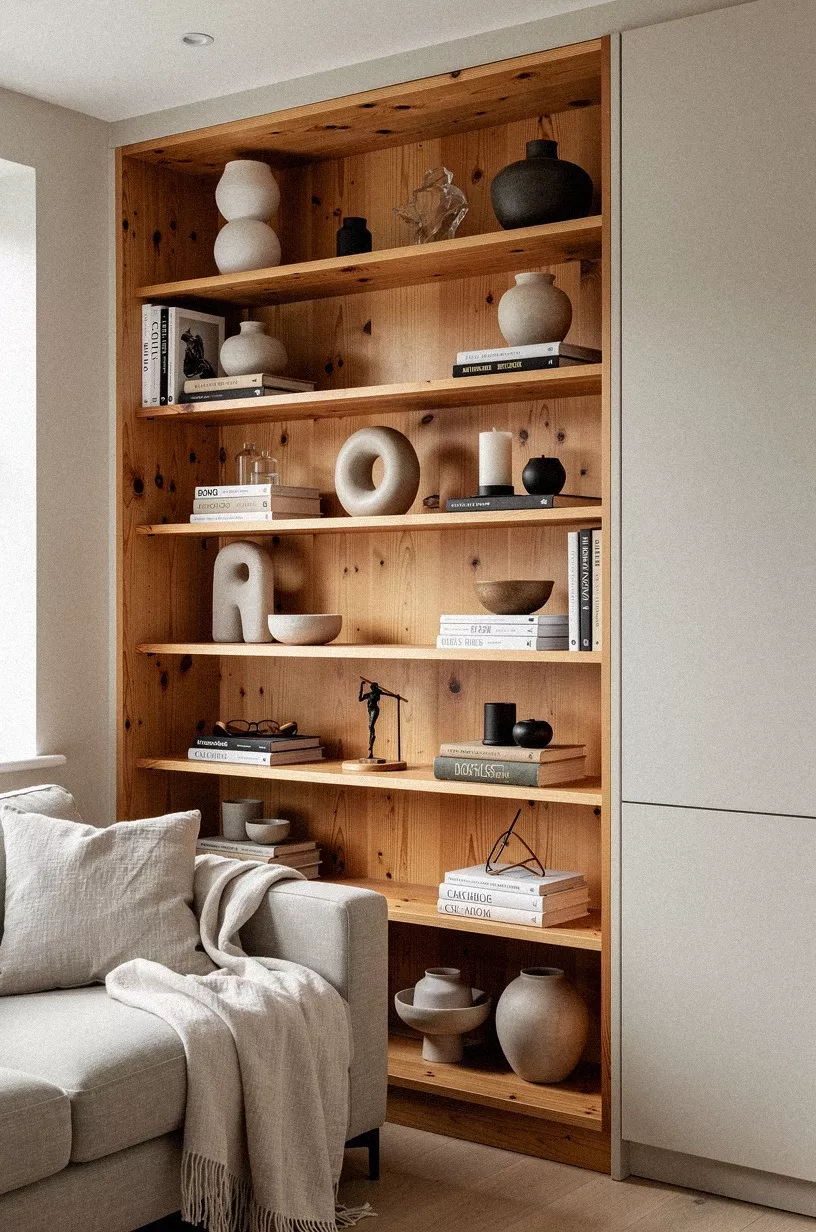
The inside of a hidden bar should look like a tiny bar, not a hole in the wall. Line the back wall and ceiling with washed Belgian linen panels, and the bar shelf with a single slab of white oak sealed with hardwax oil.
Linen drapes quieter than wood and reads warmer than drywall, and that softness is half the magic. White oak holds up to glass rings for about ten years before it needs a refinish, which is roughly the lifespan of any serious piece of furniture in this room.
Add a framed antique brass mirror to the back wall. Mirrors double the perceived depth of a 9-inch cavity into something that feels like a real bar, and antique brass keeps the color temperature warm. Skip the LED strip.
It screams “Dorm room, 2011.” A single warm Edison-style bulb in a small brass socket, dimmed to about 20 percent, does the same job for a tenth of the wattage. The dimmer is the part that costs nothing and changes everything.
For more on layering warm tones, our warm bathroom lighting guide covers the same idea at room scale, and the brass-mirror-and-amber combo shows up again in bedroom mirror ideas for any other wall you want to feel deeper than it is.
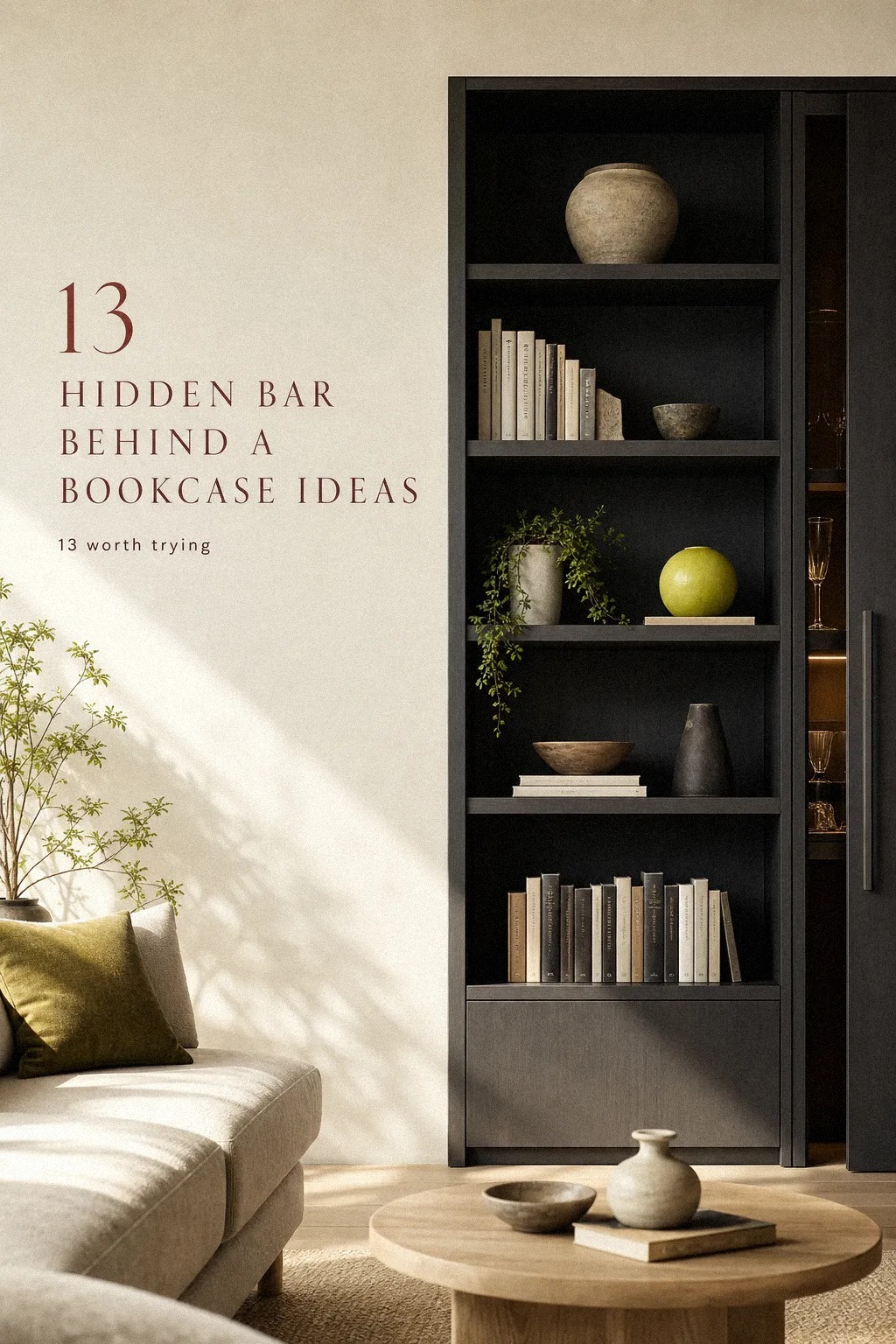
7Stock three bottles, three glasses, and stop
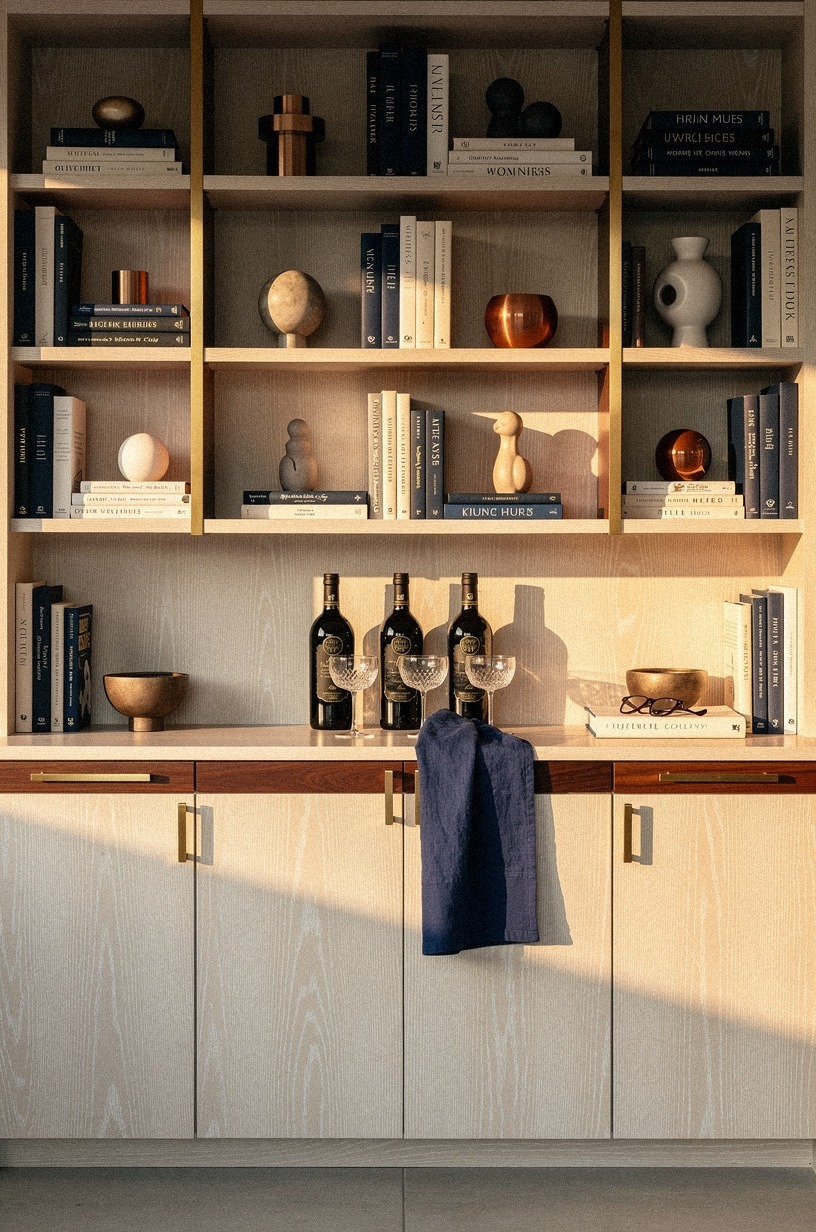
This is where most people overdo it. A hidden bar behind a bookcase is not a wine cellar.
It’s a moment. Three bottles on the counter, three glasses inverted on a small cerused white oak stemware rack, and a single ceramic decanter for whatever’s open.
The constraint is what makes it feel curated. Twenty bottles and a wine fridge inside a 9-inch cavity reads like a man cave, not a secret.
Most nights you’re pouring one drink, not hosting a tasting.
Pick three bottles that share a color story. I keep a bourbon, a dark rum, and an amaro because they’re all amber, all about 80 proof, and all read well in a small mirror.
The stemware rack should hold exactly the number of glasses you actually own, not the number you wish you owned. A half-empty rack says “I use this.” A full rack says “I bought these for the photo.”
8Light it like a tiny speakeasy
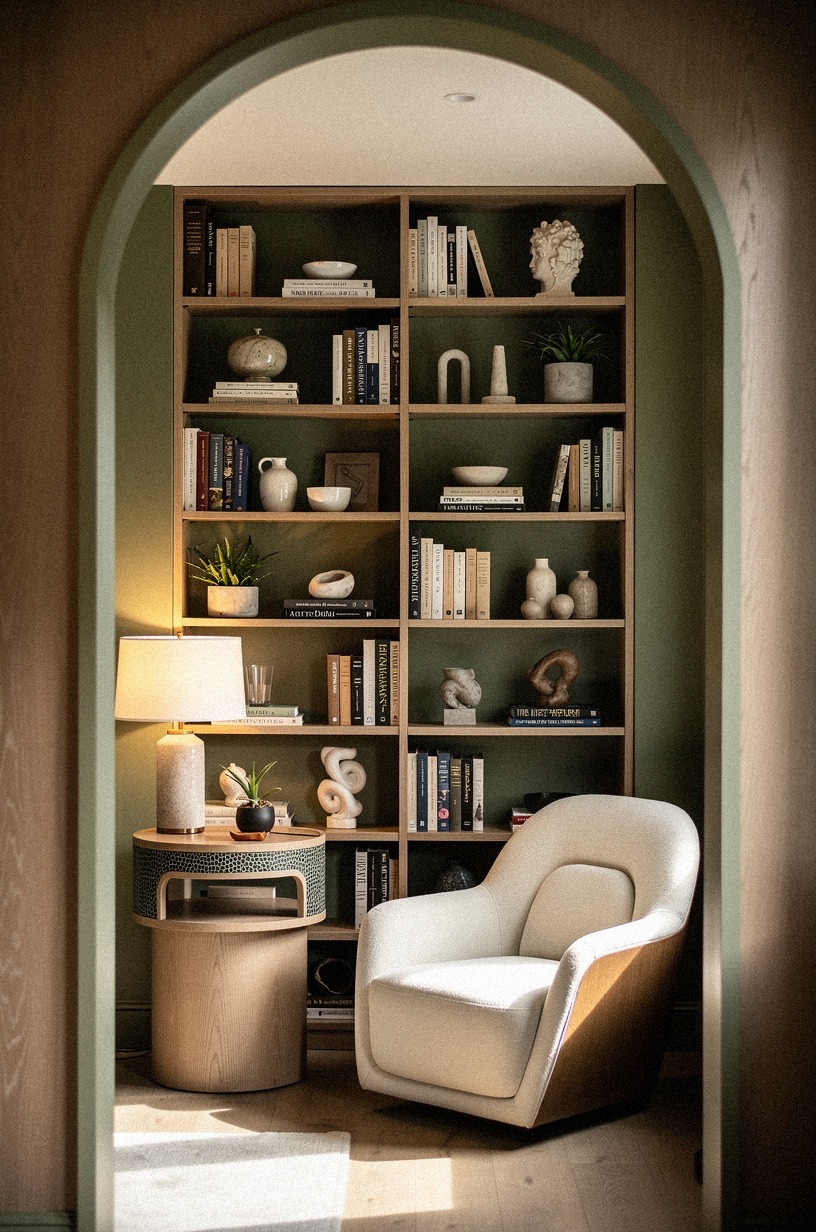
The whole point of a hidden bar is the reveal. The lighting should make that reveal feel cinematic, not fluorescent.
I ran a single warm 2700K bulb in a small brass gooseneck sconce on the back wall of the cavity, wired through the Romex I fished during framing. The bulb dims to about 15 percent for the “before” state and ramps to about 60 percent when the door opens.
That ramp is the show. The door swings, the light comes up, the room goes quiet.
People gasp. People really have gasped.
Add a candle on the bar shelf. A single unscented beeswax taper in a small brass holder, lit only when the bar is open, costs less than a dollar per evening and does 80 percent of the work the sconce does.
Candle light is uneven, warm, and flickers when someone walks past the door. Sconce light is steady.
You want both, layered. If you only have one, pick the candle.
It’s older technology and it works better. The same warm-and-layered principle shows up in outdoor string lights ideas, which I read before wiring this, and the brass-and-amber pairing lands just as well indoors as it does on a patio per outdoor living room ideas.
9Soundproof the door with felt strips
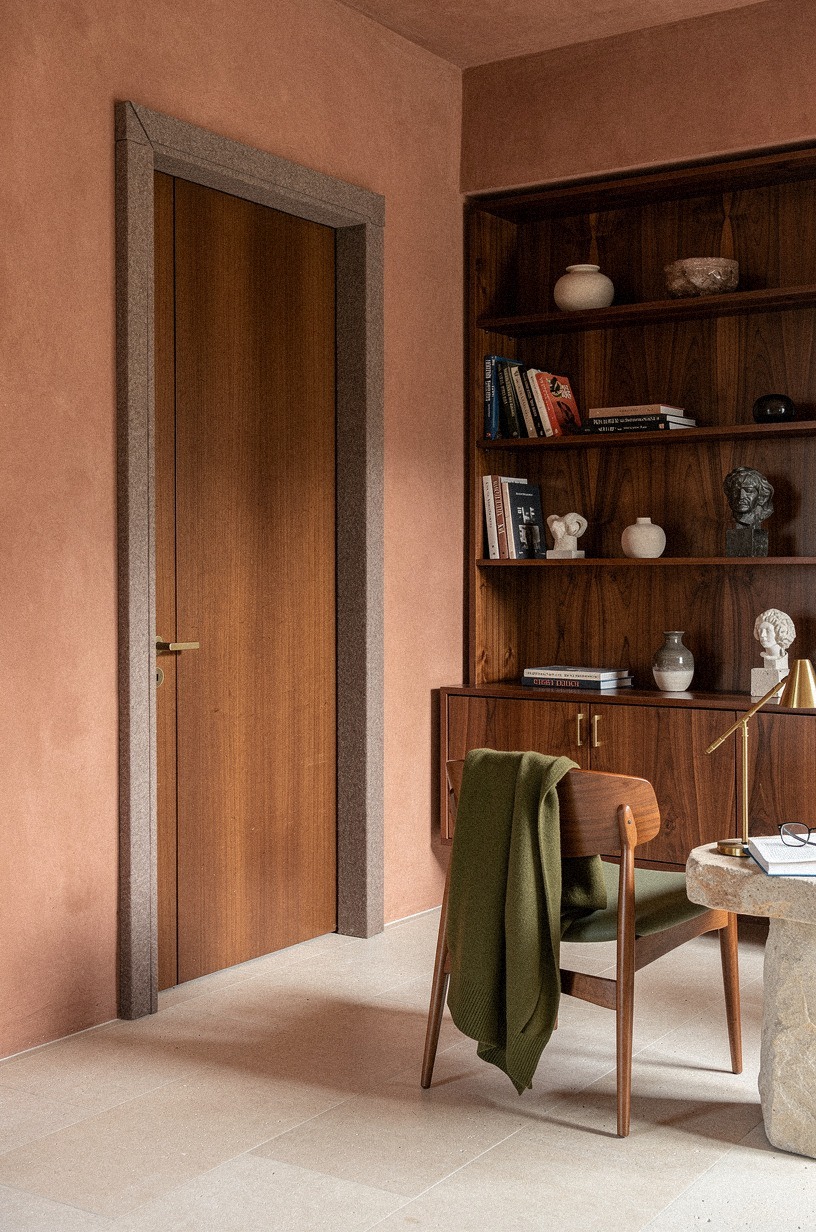
A hollow bookcase door clicks and clacks every time it opens, and that click is the third giveaway (after the seam and the latch).
10Add a tiny rug under the reveal
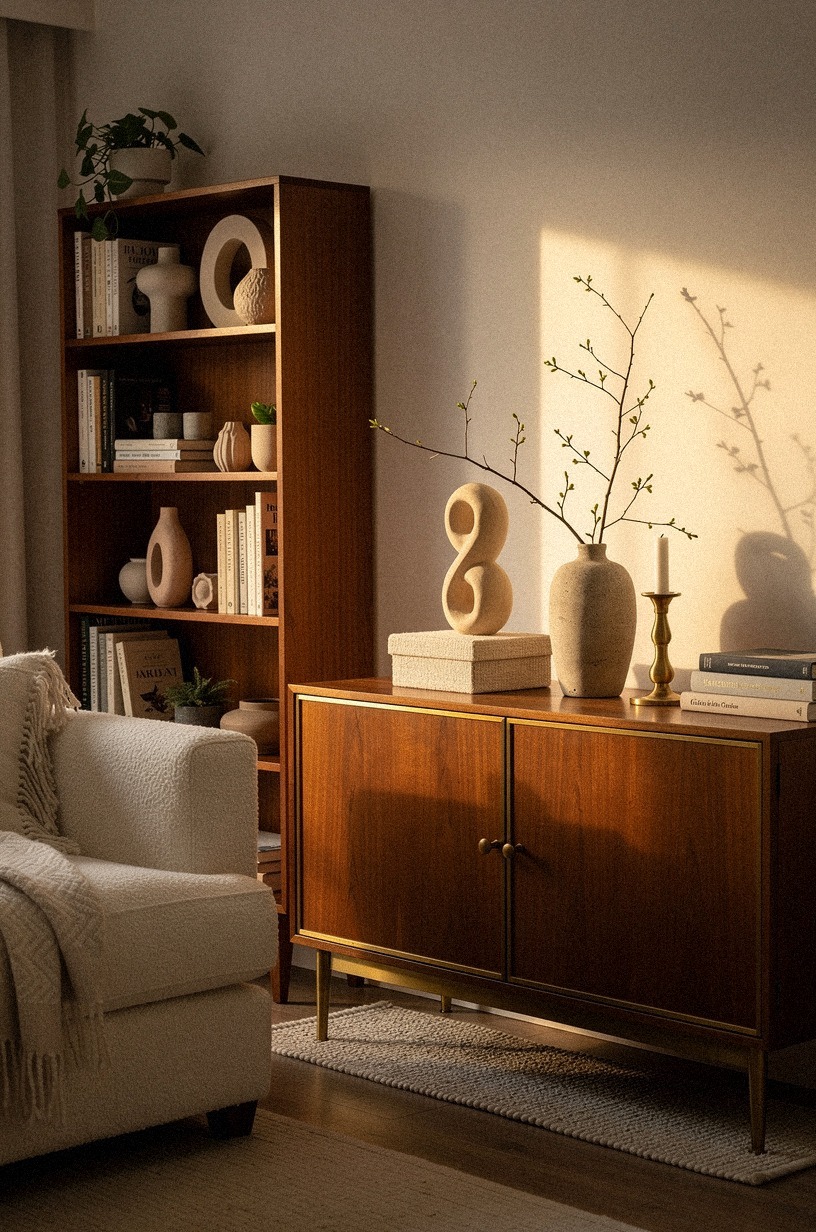
A 2-by-3-foot rug in front of the shelf does two things. It hides the seam where the floor meets the door’s swing arc, and it gives your guest a place to stand while they ooh and ahh.
I went with a small wool rug in soft clay and natural linen because the colors read warm under low light and the loops are forgiving of spilled bourbon. A new rug is fine, but a wool piece with a few years of natural fade in earthy tones looks like it’s always been there, which is the whole vibe.
If you’re renting, skip the rug pad nails and use a non-slip rug pad with a rubber backing. The pad stays put without puncturing the hardwood, and you can pull the whole setup in about ten minutes when you move out.
The wool rug will outlast three apartments. The pad will not. Plan accordingly.
And if your landlord is strict, lay the rug on top of an existing rug so the floor never gets touched.
11Stage the room so the door stays invisible
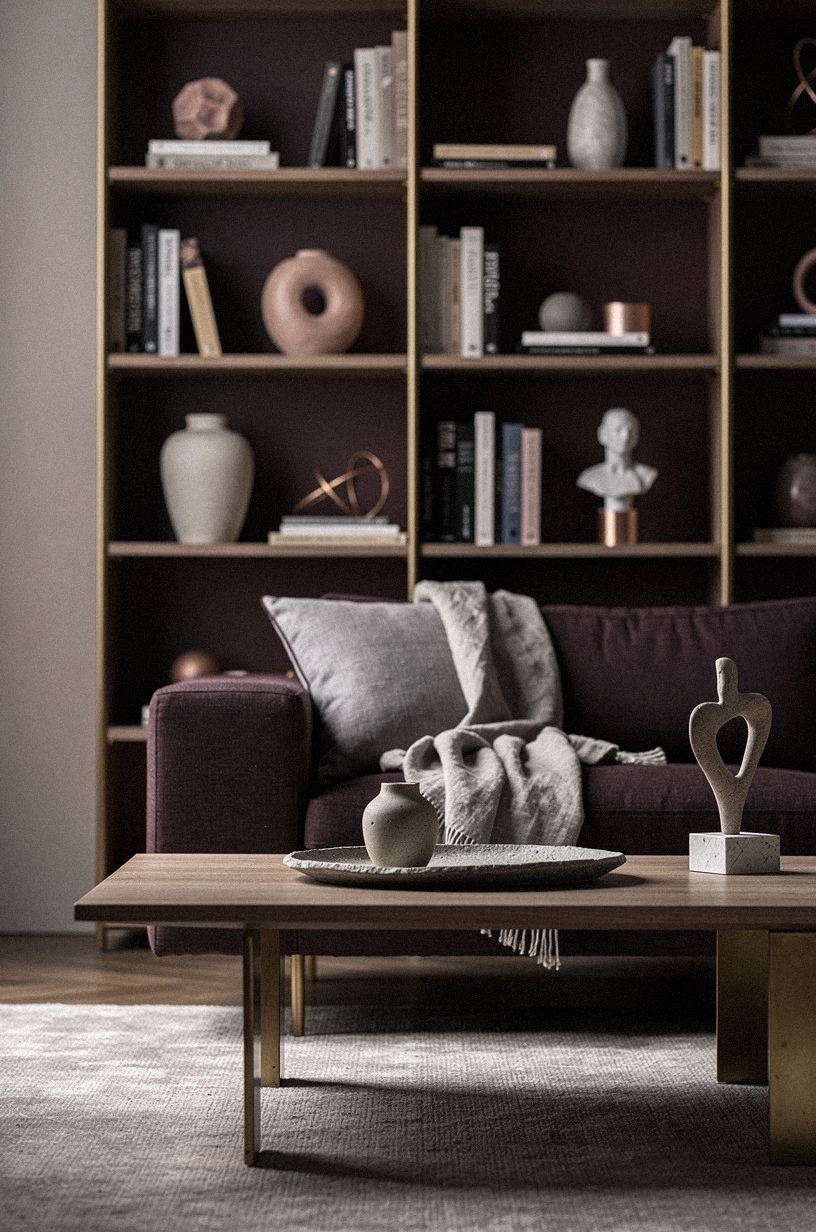
The decoy books should look like a normal bookshelf for the 90 percent of the time the bar is closed. That means no empty shelves, no obvious “decoy” props, no fake plants, no candle that looks like it might be hiding something.
I keep the door shelf styled identically to the two flanking shelves, with a small framed photo, a brass clock, and the same mix of horizontal and vertical book stacks. A guest scanning the wall should see “library,” not “riddle.”
Move the eye away from the seam with wall art. I hung a single framed print about 8 inches to the left of the door, and another about 12 inches to the right.
The eye lands on the frames and skips the seam entirely. Without the frames, the seam is the only horizontal line on the wall, and the brain reads it as “door” within about four seconds. With the frames, the seam is just another shadow.
Worth the thirty dollars and two nails. The same eye-leading trick shows up in our bedroom mirror ideas roundup, and the framing logic translates almost one-to-one from a gallery wall to a hidden door.
12Wire a second hidden outlet inside the cavity
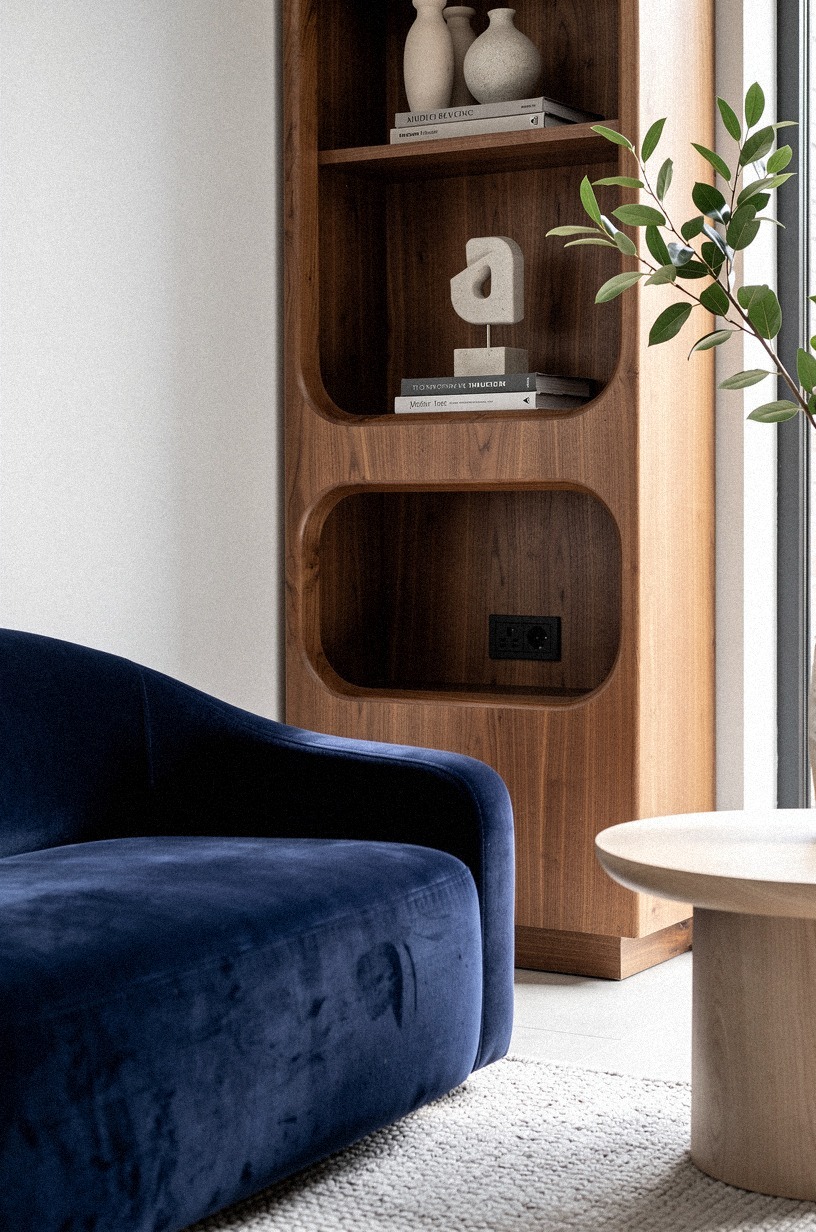
You’ll want to plug something in eventually. A small refrigerator drawer for bottles, a LED puck light if the sconce feels underwhelming, a phone charger if the cavity doubles as a charging station. While the wall is open, drop a single 14/2 Romex to a recessed outlet inside the cavity, mounted about 18 inches above the bar shelf.
Code requires the outlet be on a GFCI breaker if it’s near any plumbing, so plan for that. Skipping this step is the one regret I hear from every person who’s done this build.
Add a single gang low-voltage pass-through if you ever want to hide a smart speaker in the cavity. A small Sonos Roam tucked behind a row of decoy books plays jazz at conversation volume and disappears visually.
Most guests never see it. Some guests ask where the music is coming from.
That question is the second-best compliment the wall gets, right after “wait, is this a door?” The whole idea of hiding tech in plain sight is the same trick our teen room storage ideas roundup pulls off with outlets and chargers.
13Tell exactly one person, then wait
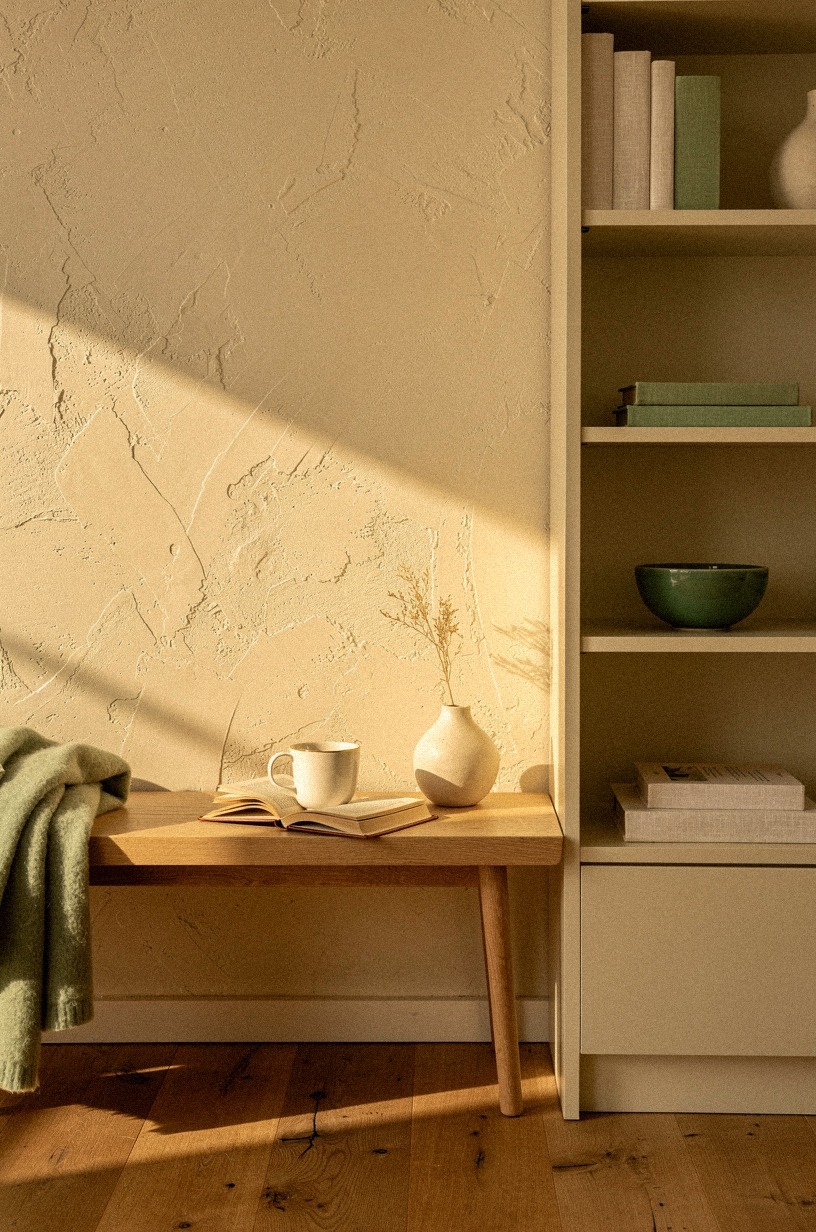
The funniest part of building a hidden bar behind a bookcase is watching someone not find it. My partner’s mother visited twice before I opened the door for her. My college roommate sat three feet from the shelf for an entire football game and never noticed.
The reveal works because the brain pattern-matches “bookshelf” and stops looking. The single best thing you can do after the build is tell exactly one person, watch them not find it, and pour them a drink from the inside shelf.
That moment, more than the build itself, is the payoff. The room goes from a quiet library to a tiny speakeasy in two seconds, and the guest’s face does the rest.
I’ve started keeping a small brass jigger and a stainless steel bar spoon in a felt-lined drawer inside the cavity, so the second pour takes about ten seconds. The drawer is the third magic move, and the only one that costs nothing. If you build this, build the drawer.
And then send me a photo of the reveal. I want to see the face.
What can you actually fit in a 9-inch cavity?
Short answer: more than you’d think, less than a real bar. Three bottles across the back, three glasses inverted on a stemware rack, a single decanter for whatever’s open, and one small drawer for tools. The decoy books take the top two thirds of the bookcase front, so the bar shelf itself only has about 12 inches of vertical clearance, but that’s plenty for a bourbon pour and a coupe.
Anything bigger than a magnum gets left in the kitchen. If your room can spare a deeper recess, the small bathroom layout ideas approach to tight zones will give you more of the same discipline.
How much it cost
Honest numbers, line by line. The framing lumber was leftover from a deck rebuild, so I marked it at retail (Home Depot prices) to be fair.
The bookcase was an IKEA BORGSHULT plus a custom cleat. The mirror was a Facebook Marketplace find.
The mid range for a fully custom build with a millworker, a pre-hung pivot system, and integrated lighting lands closer to $4,000 to $8,000. I did this on a Saturday-buddy budget with a carpenter friend, and the seam line is a good deal better than some of the $6,000 installs I’ve seen in AD.
If you can borrow a miter saw and a drill, you can do this build. If you can’t, a handyman will charge about $400 to $600 for a day and the result will still read as custom.
Our bathroom refresh on a budget guide uses the same priority logic: frame, light, surface.
What I’d skip, what I’d add
If I did it again, I’d upsize the cavity by about 2 inches. A 9-inch-deep recess is fine for bottles and glasses, but it makes the bar shelf feel tight when you really pour.
A 12-inch cavity reads as a real mini-bar and the extra 3 inches cost almost nothing in framing. I’d also spring for a continuous hinge along the bottom instead of a center pivot.
Pivots look cleaner but they require a perfectly level floor. A continuous hinge forgives about a quarter inch of slope, which every old house has.
I’d skip the LED strip. I know I keep saying it.
The candle does it better, costs less, and doesn’t require a driver. I’d also skip the matching bookends.
They’re a tell. Real shelves have a hodgepodge of objects: a geode from a kid’s science fair, a small framed photo, a single bud vase with a dried flower.
Anything too coordinated screams “I styled this for the photo.” Real is better than styled. Our natural materials bathroom guide makes the same point about wood, stone, and linen in a different room, and our bedroom paint color ideas roundup walks through the “looks lived-in vs looks styled” trap from the paint side.
Why a hidden bar feels different from a regular bar
A regular bar is a piece of furniture. A hidden bar behind a bookcase is a story that you choose to tell or not tell.
The story matters more than the bottles. I’ve poured drinks from this shelf for eight months now, and the best part is still the silence right before the door opens.
The guest sees a wall of books. They catch the linen. They hear the latch click. And then the room changes, and so does the conversation.
That change is what you can’t buy at a bar cart. And it’s why this build is worth the six hundred dollars and the eight weekends.
The other thing this wall does, quietly, is give you a permission slip to slow down. A regular bar is a thing you keep “open.” A hidden bar is a thing you choose to reveal.
The choice is the ritual. And the ritual is the part nobody sells you at IKEA. Our outdoor living value guide makes a related case for outdoor entertaining zones: the reveal is what turns furniture into a feeling.
The Questions I Get Asked Most
What is the best way to build a hidden bar behind a bookcase for a small living room?
A pivot hinge on a real-wood bookcase. Skip the cheap Billy, go with a solid birch IKEA BORGSHULT that won’t sag at the hinge point. A 9-inch cavity is enough depth for bottles and a stemware rack, and a 12-inch cavity reads as a full bar.
Where can I buy the pieces for a hidden bar on a budget?
IKEA for the bookcase and the hinge hardware, Home Depot or Lowe’s for the framing lumber and the Belgian linen panels, and Facebook Marketplace for the antique mirror and the wool rug. Total for the whole build lands between $490 and $1,040 if you source the mirror second-hand and skip the custom millwork.
How much does a hidden bar behind a bookcase makeover cost?
About $500 to $1,000 for a DIY build, $4,000 to $8,000 for a fully custom install with a millworker. The pivot hinge, the linen lining, and the lighting kit are the three line items that drive most of the cost. The bookcase itself is the cheapest part of the build, which surprises everyone.
Can I build a hidden bar on a budget?
Yes, and the cheapest version is the most fun. Borrow a miter saw, buy one pivot hinge, one linen panel, and one brass sconce, and you’ve got 80 percent of the look for under $150.
The rest is paint and patience, which are free. The reveal still works on a budget build. The reveal is not about the materials.
Is a hidden bar worth it in a small space?
Worth it, especially in a small space. A 9-inch cavity in a 10-by-12 living room gives you bar storage without losing floor square footage, and the reveal turns a quiet wall into a conversation piece. Small rooms benefit more than large rooms because the door swing arc is shorter and the reveal feels closer to the guest.
Is a hidden bar a good idea for a rental?
Yes, with three no-damage swaps. Mount the bookcase on French cleats instead of through the drywall, run the sconce on a plug-in cord through the baseboard, and use a non-slip rug pad under the wool rug.
The whole setup comes down in twenty minutes and leaves four small holes, which any landlord will forgive against a security deposit. For more renter-friendly fixes, our bathroom refresh on a budget guide lists similar no-damage upgrades.
How long does a hidden bar build take, start to finish?
Two weekends if you’ve framed a wall before, three if you haven’t. The wall framing and pivot mounting take the first weekend.
The linen lining, mirror, lighting, and styling take the second. Painting and decoy book staging fill the gaps between.
For projects you can finish in a single weekend, our outdoor shower DIY ideas roundup is the same scale of work with a different payoff.
Where I’d Start First
Start with the wall framing and the pivot hinge. Everything else is decoration, but the hinge and the frame are the part that, if you get them wrong, ruins the whole illusion.
Buy the brass pivot before you cut any drywall. Hold it in your hand.
Feel the weight. You’ll know it’s the right part the second you turn it. And then build out from there, one weekend at a time.