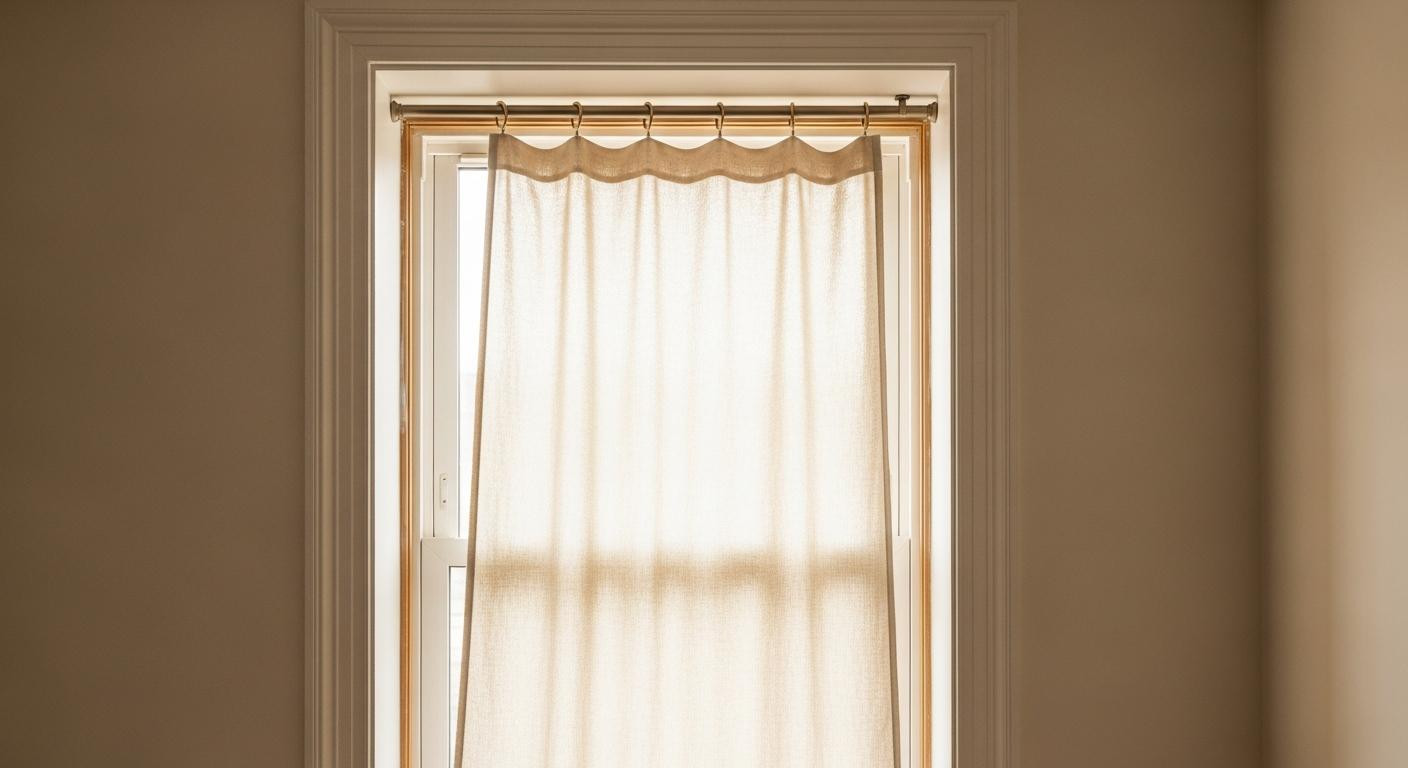
Your rental bedroom at 11:47am on move-out day when the property manager photographs the window frame where your curtain rod pressed into the painted wood for eleven months. The trim shows a 2-inch indent. You installed the rod in June following the bracket instructions, tightened it until it felt secure, and assumed tension meant no damage. The deduction letter arrives three weeks later: $340 for trim repair and repainting. Your neighbor hung the same rod style but placed it 1.5 inches differently and walked away with her full deposit. The placement gap between damage and security sits in that distance.
Tension rods damage rentals when they press trim instead of drywall
The Kwik-Hang instructions say “install between window frames,” but rental windows have three frame zones: the painted wood trim, the drywall behind the trim, and the actual window opening interior. Most renters tighten tension rods until they grip the trim because it feels most secure. That’s where damage starts.
The rod applies constant outward pressure at two points. Over six months, softwood trim compresses at roughly 6 to 12 psi of localized pressure, leaving visible dents even after you remove the rod. Property managers photograph trim damage because it’s the easiest deduction to justify.
And drywall compression in the same placement often stays invisible. But trim dents photograph dark and obvious, which is why deposit letters cite them so often.
Place tension rods 1.5 inches behind trim edges to hit drywall
Stand inside your window opening and measure from where the trim meets the wall surface inward toward the glass. Most rental trim extends 3/4 inch to 1.25 inches from the wall plane. Your tension rod needs to sit 1.5 inches behind that trim edge to contact drywall instead of painted wood.
That puts pressure on the more damage-resistant surface while keeping the rod visibly inside the window frame. According to ASID-certified interior designers featured in rental installation guides, the 1.5-inch setback also prevents paint chipping at trim corners where wood meets drywall.
This only works if your rod fits the compressed space. A 28- to 48-inch adjustable tension rod from Target costs $12.99 but needs at least 28 inches of space to engage the spring mechanism. If your window opening measures 26 inches after accounting for the 1.5-inch setback on each side, the rod won’t grip.
Measure your actual opening width
Subtract 3 inches total for setback, then buy the rod sized for that compressed dimension. A 48-inch rod placed with proper setback actually needs a 51-inch opening to avoid trim contact.
But most rental bathroom windows measure 24 to 30 inches, which is why tension rods work better there than in living rooms. The smaller span reduces sag and maintains grip without constant retightening.
The 8-pound rule for curtain fabric weight per panel
Adhesive curtain brackets support 5 to 8 pounds depending on wall texture and adhesive cure time. A single 96-inch linen panel from West Elm weighs 3.2 pounds when dry, 4.8 pounds after humid summer months when fabric absorbs moisture. Two panels on one rod exceed the 8-pound threshold, which causes brackets to separate from the wall in 4 to 7 months.
Tension rods distribute weight across two contact points with friction instead of adhesive, so they hold heavier fabrics longer without failure. And the spring mechanism adjusts slightly as fabric weight settles, which adhesive can’t do.
Professional organizers with residential portfolios confirm that tension rods max out at 12 pounds before the spring mechanism compresses and loses grip. That’s enough for two lightweight linen panels but not blackout curtains.
Blackout curtains require drill-free brackets with 20-pound capacity
Blackout curtains weigh 6 to 9 pounds per 96-inch panel because of the foam backing. The Kwik-Hang no-drill bracket system supports up to 20 pounds and mounts without screws by hanging over the top of door-frame-style trim, but it only works if your window has that trim profile.
Most post-2010 rentals use thinner composite trim that won’t support the bracket weight. You can test this by pressing down firmly on the top edge of your window trim. If it flexes more than 1/8 inch, the Kwik-Hang system will sag or pull the trim away from the wall over time.
For those who’ve already dealt with damage-free hanging solutions using Command products, the same weight-capacity logic applies to curtain hardware.
Magnetic rods work on steel-frame windows but not wood
The Southern Management renter guide specifies magnetic curtain rods only grip steel or metal-framed windows. Most rental apartments built after 2010 use vinyl or wood composite frames that won’t hold magnets. Before buying a $34 magnetic rod from Amazon, test your window frame with a refrigerator magnet.
If it falls, the rod won’t work. Magnetic rods also max out at 5 pounds capacity, making them suitable for sheer cafe curtains but not full-length drapery.
The convenience appeals until you realize the weight limit eliminates most privacy and light-blocking fabrics. But for steel utility doors or basement windows with metal frames, magnetic rods install in under 10 seconds and leave zero trace at move-out.
Design experts featured in Architectural Digest note that magnetic rods photograph best when paired with lightweight linen or cotton voile, which drapes softly without pulling the rod downward. Understanding proper weight distribution for no-damage installations becomes critical when choosing between magnetic and tension systems.
Your questions about no-damage curtain solutions for rental windows answered
Can I use a tension rod on textured walls without damage?
Textured drywall increases surface contact area, which helps tension rods grip without slipping. But the texture also creates uneven pressure points that can crack paint if the rod stays mounted for more than 9 months. Run painter’s tape along the contact points before installing the rod to create a buffer layer.
The tape compresses instead of the texture, and it peels off at move-out without removing paint. This technique works especially well on orange-peel and knockdown finishes common in 1990s apartment construction.
Do no-drill Roman shades actually look custom?
Roman shades mounted with Kwik-Hang brackets photograph identically to drilled installations if the brackets sit level. The visible difference shows up in how the shade hangs when raised: no-drill brackets sometimes allow 1/8-inch side gaps because the mounting depth is shallower than screw installations.
That gap only matters in direct sunlight when you want total blackout. For privacy and light filtering, the visual difference disappears from more than 3 feet away.
What’s the actual cost difference between tension rods and adhesive brackets?
A 28- to 48-inch tension rod costs $12.99 at Target. Kwik-Hang adhesive brackets run $24.99 per pair and need two pairs for windows wider than 36 inches, totaling $49.98. The tension rod saves $37 but limits you to 12-pound fabric weight.
The brackets allow heavier curtains but require 24-hour adhesive cure time before hanging anything. Similar to strategies used for temporary peel-and-stick installations, cure time determines long-term hold strength.
For renters planning multiple moves without damage, investing in the reusable bracket system pays off after the second apartment when tension rods would need replacement anyway.
Your rental living room at 6:18pm when afternoon light filters through linen panels that hang without damaging the trim behind them. The rod sits invisible inside the window frame, pressure distributed against drywall your landlord will never inspect. The deposit stays intact because the placement math worked before the fabric ever went up.