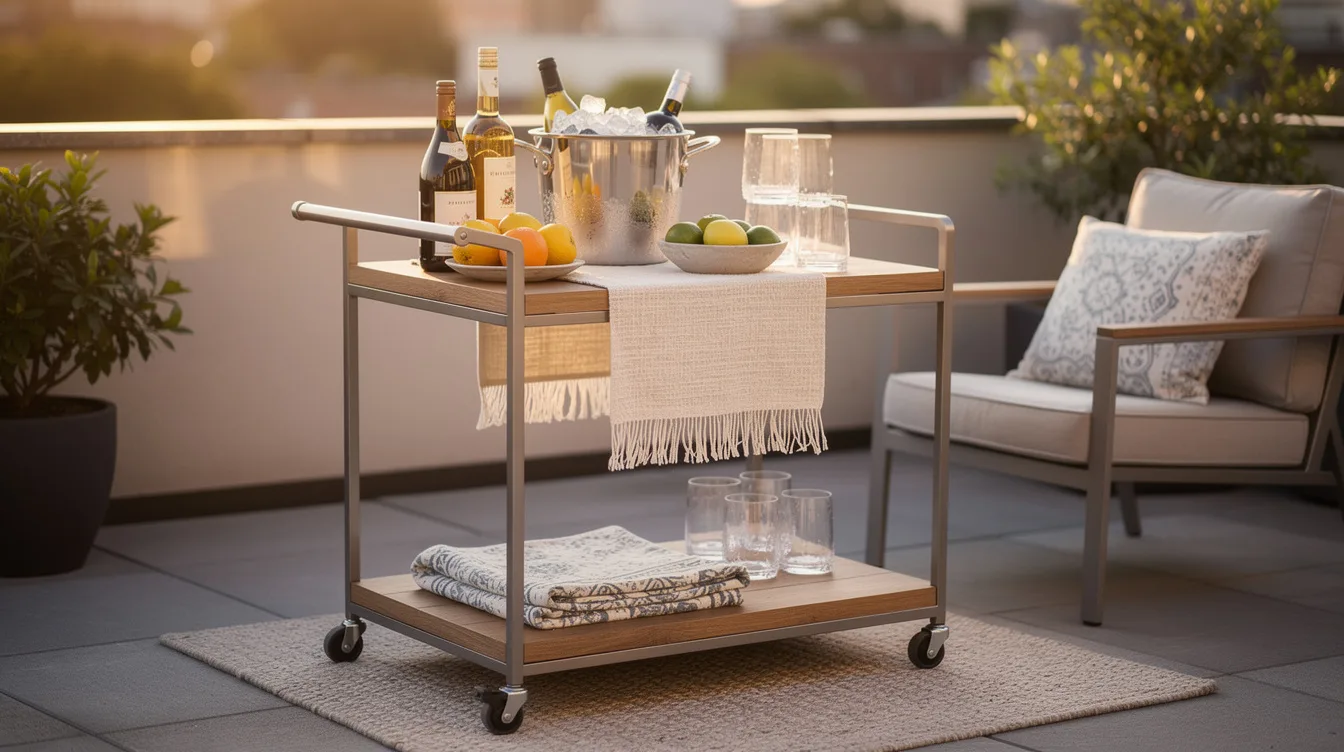
I learned this the hard way after balancing a sweating ice bucket on a side table that was already crowded with sunscreen, citronella, and a bowl of limes. Once drinks start moving outside, every extra trip back to the kitchen gets annoying fast.
A good outdoor bar cart fixes that, but only if the size, material, and storage actually match your patio. These six setups are the ones I’d consider first for summer entertaining, from a slim metal cart on a balcony to a wood trolley that works like a mini prep counter.
Choose a Slim Metal Cart for Tight Patios
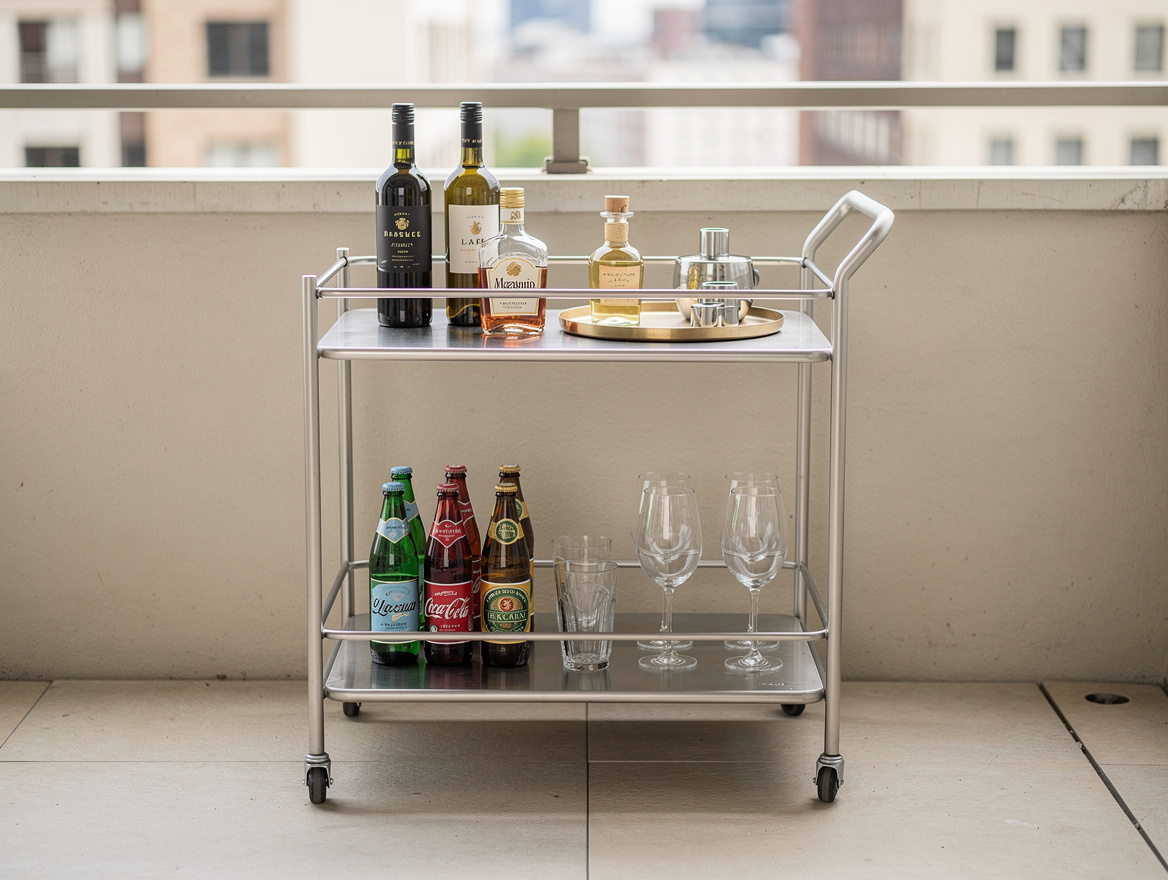
If you have a narrow balcony or a compact deck, a powder-coated steel cart is the cleanest answer. The typical size is about 30 to 34 inches wide, 18 to 20 inches deep, and 32 to 36 inches high, with a typical 2026 price around $300 to $380 for a true outdoor model.
I like this route for modern spaces because it hoses off easily and doesn’t feel visually heavy. Look at Wayfair, Target, or Amazon for the closest match, then keep the top shelf for bottles and ice, and the lower shelf for backup mixers and glassware.
Add two side hooks if the frame allows it. One bar towel and one small cutting board make the whole thing work harder without taking up any top-shelf space.
Lean Into Wicker When You Want Warmth
A resin wicker cart has a softer look than metal, and it instantly pushes the setup toward coastal or boho instead of apartment patio. Typical outdoor-ready versions run about 36 to 40 inches wide, 18 to 22 inches deep, and 32 to 36 inches high, with average prices around $150 to $220 for affordable models and much more for premium wrapped versions.
For this style, I’d shop Wayfair first because that’s where the range is usually broad enough to compare woven looks, frame colors, and storage layouts. Skip natural rattan outside in full weather, resin holds up better in direct sun and surprise rain.
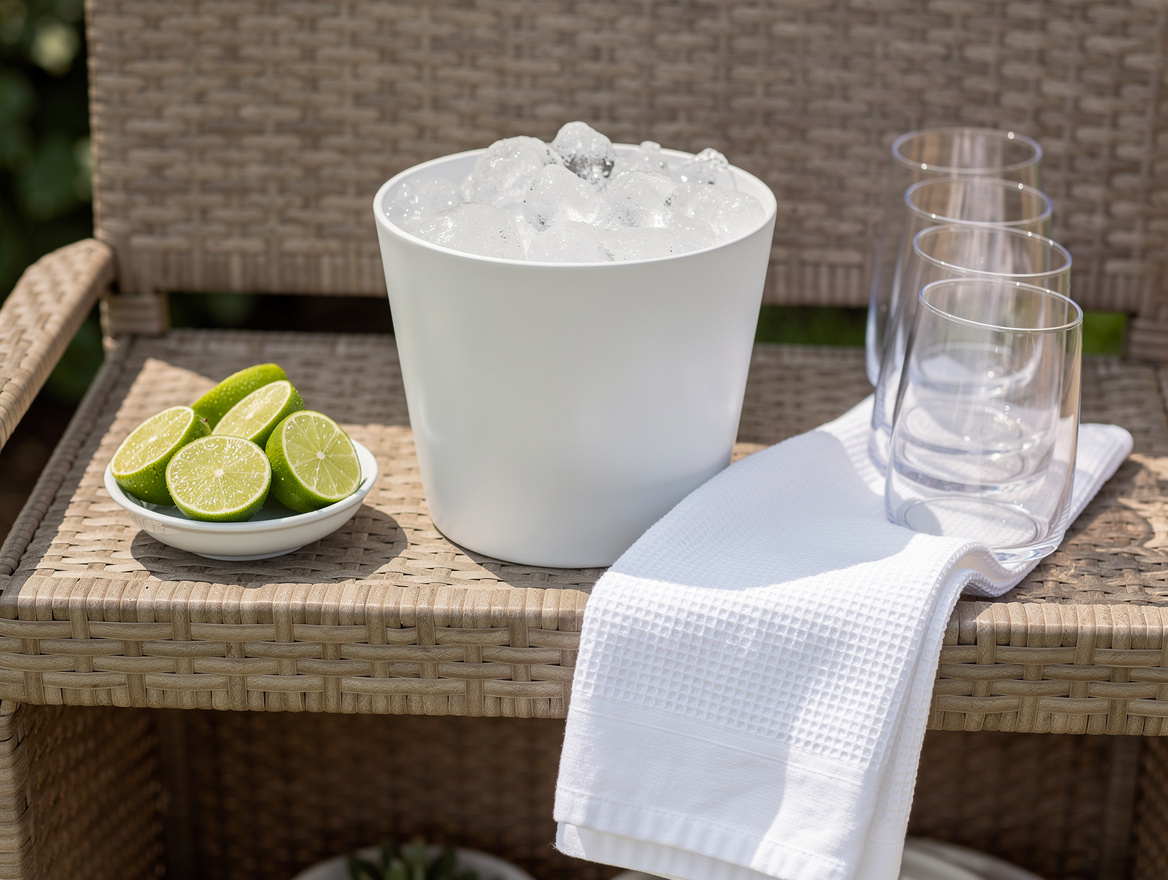
This is also the cart that benefits most from editing. A white ice bucket, six to eight bottles, and a stack of acrylic tumblers look better than cramming every mixer you own onto the shelves.
Use Teak or Acacia as a Prep Station
If you actually mix drinks outside instead of just setting out cans and wine, a teak trolley or acacia wood cart earns its footprint. Typical teak versions land around $800 to $1,200, while acacia carts are usually closer to $180 to $250, and many sit in the 40 to 48 inch width range with a 20 to 24 inch depth.
The extra surface matters more than people think. A bigger wood top gives you room for a shaker, sliced citrus, a drink tub, and a tray without that precarious, one-bad-bump feeling.
I’d check Home Depot or Lowe’s for acacia options if you want the wood look without premium teak pricing. Teak is the best long-term material here, but acacia is the smarter buy for most people who host a few times a month, not every weekend.
Pick a Folding Utility Cart for a Low-Stakes Setup
A folding serving cart is the budget option I recommend most often because it solves the problem without demanding a permanent outdoor zone. Typical prices run about $45 to $80, and average sizes are roughly 24 to 30 inches wide, 16 to 18 inches deep, and 29 to 32 inches high.
This is the cart for renters, small patios, and anyone who wants the bar to disappear after guests leave. Walmart and Amazon usually have the most useful versions, especially if you want weather-resistant shelves and a frame that folds flat for off-season storage.
Keep the layout simple. Top shelf: ready-to-pour bottles and a small ice bucket. Bottom shelf: backup cans, plastic cups, napkins, and one bin for trash so the party doesn’t scatter across the yard.
Create a Mini Bar Zone With Stools
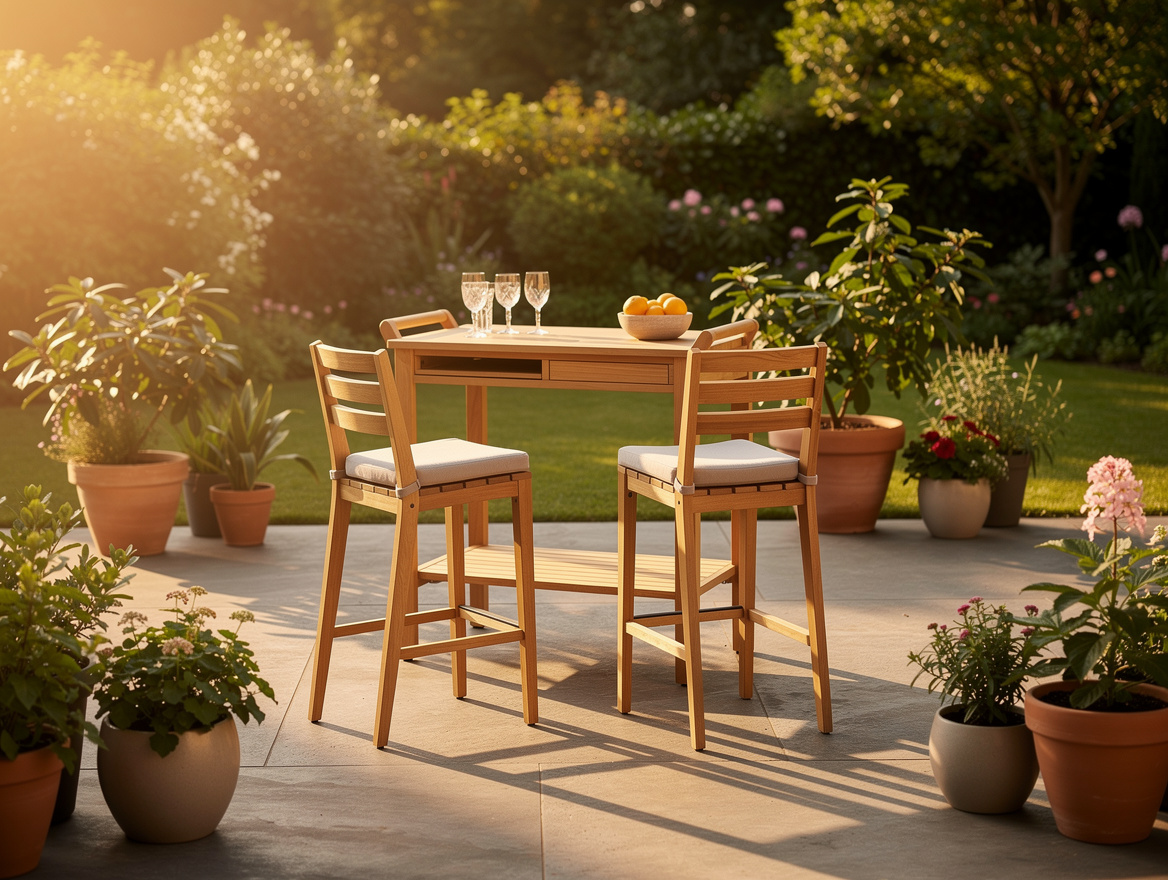
If your patio feels a little undefined, a bar cart and stools set gives the area a purpose right away. Typical sets come in around $350 to $600, with the cart section often about 40 to 50 inches wide, 20 to 24 inches deep, and close to 40 inches high for true bar-height use.
I’d browse Wayfair for this category because the all-in-one outdoor bar setups are easier to compare there than in most big-box assortments. The real win is behavioral, people gather at a station with seats, so drinks stop migrating to every random corner table.
This option works best on a medium patio where you can leave at least 36 inches of walking space around the setup. A pair of stools is enough, four usually starts to feel crowded unless the deck is genuinely large.
Build a Simple DIY Trolley When Storage Matters Most
If you need exact dimensions or want more shelving than most retail carts offer, a DIY wood trolley makes sense. The simplest versions use exterior wood with pipe hardware or a pallet-inspired frame, and they work especially well when you want one shelf sized for bottles and another tall enough for pitchers or a beverage tub.
The reason I like DIY here is control, not thrift theater. You can build the width around your wall space, choose larger wheels for uneven pavers, and add a lower slat shelf that actually fits a cooler bin instead of forcing you into decorative storage that holds very little.
For materials, Ace Hardware, Home Depot, and Lowe’s are the practical places to start. Use exterior-rated screws, seal the wood, and budget for a fitted outdoor cover from Amazon or Costco so you’re not dragging everything inside after every storm.
Start with the footprint before you fall for the style. Tape out a 30-inch by 18-inch rectangle on the patio, walk around it, and you’ll know within two minutes whether you need a slim metal cart, a folding utility piece, or a larger wood station.
Mia Carter writes about small-space living and budget home makeovers. She has restyled three rentals and tests most ideas in her own 45 sqm flat.