I’ve seen a lot of bathrooms go wrong at the paint stage, especially the ones with bright overhead bulbs, a white vanity, and tile that suddenly looks cold once the walls dry. Bathrooms are small, humid, and brutally honest, so the color has to work at 7 a.m. And again late at night.
The shades designers keep returning to in 2026 are warmer and calmer than the icy grays that ruled for too long. Think sage green, dusty blue, clay tones, soft whites, and pinks that read like plaster instead of candy.
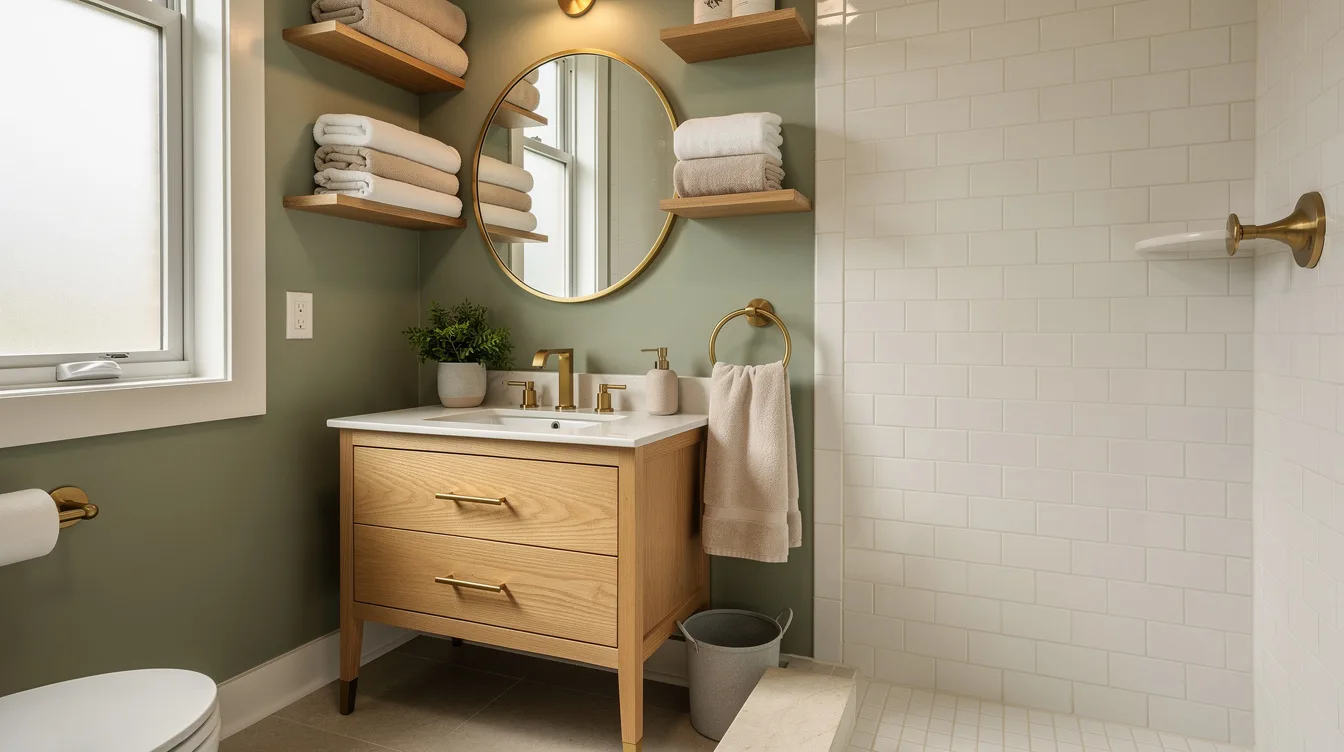
Paint the main walls in sage green
Sage green is the safest designer pick here because it calms a bathroom without making it feel flat. It works especially well in a primary bath with white tile, oak storage, or a simple IKEA vanity.
For a standard 8×6-foot bathroom with 8-foot ceilings, 1 gallon is often enough for two coats, and good interior paint usually lands around $25 to $70 per gallon. I’d spend a little more on a washable satin finish in a bathroom, because this is one room where wipeability matters more than bragging rights.
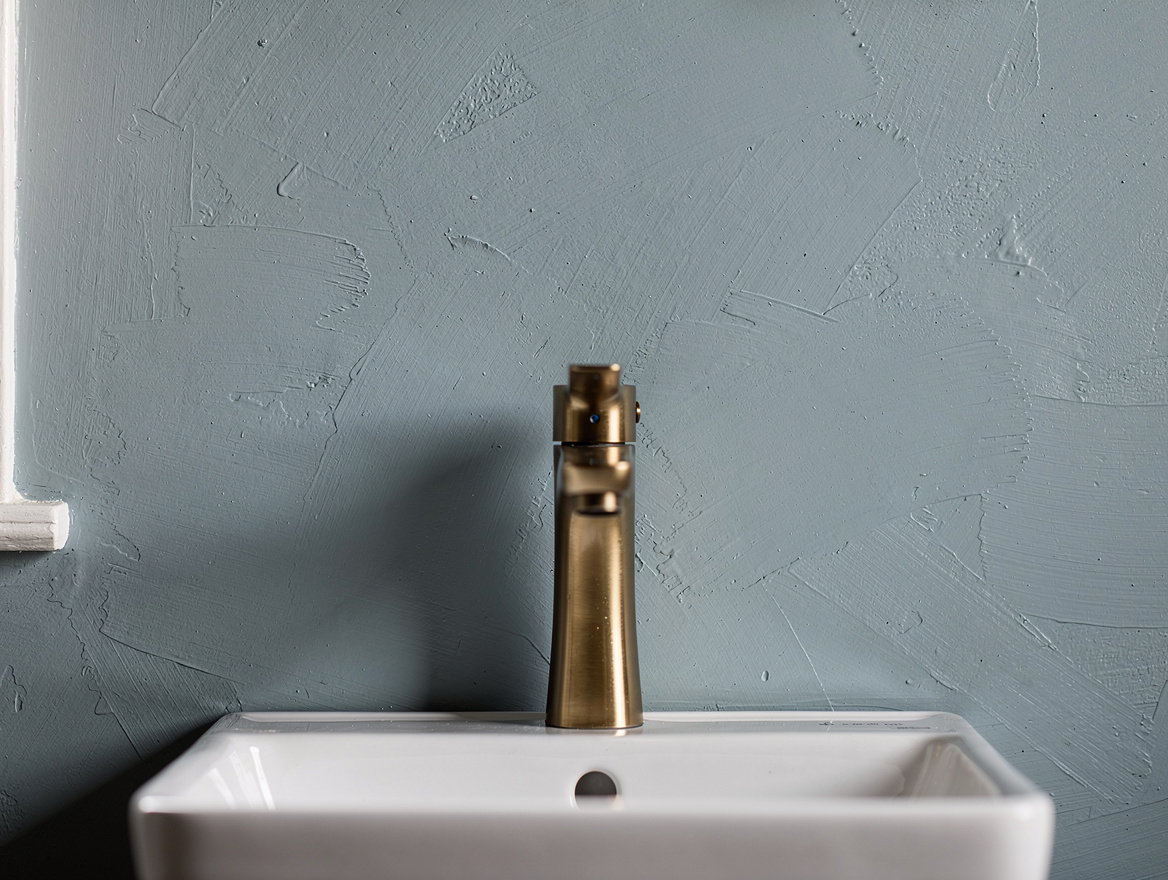
Cool the room with a dusty sea blue
Dusty blue gives you that spa mood people always want, but only when it has some gray or sea-glass softness in it. Pair it with warm white trim and brass hardware, otherwise the room can tip cold fast.
This is a great color for a small bath because it feels clean without shouting. I like it much more than bright aqua, which usually dates the room the second you hang a mirror from Target or swap in a new shower curtain.
Warm up a plain bath with terracotta
Terracotta or a muted clay tone gives a bathroom instant warmth, and it’s one of the few color families that can make builder-basic fixtures look intentional. With matte black or brushed brass, it starts to feel closer to a boutique hotel than a rushed DIY.
I wouldn’t use the strongest rust shade on every wall in a tiny powder room unless the lighting is good. On one vanity wall or in a guest bath, though, this color has personality and doesn’t rely on expensive stone to carry the room.
Brighten a tight bathroom with creamy off-white
Creamy off-white is still the low-risk winner for small bathrooms, especially ones with awkward tile, mixed metals, or no natural light. It softens the room better than stark white, which can make grout lines and shadows look harsher than they are.
For a powder room with about 40 to 70 square feet of wall space, a quart to a half gallon is often enough, so this is one of the cheapest color updates you can make. If you change accessories often, this is the color I trust most because it works with almost anything from Home Depot shelving to a new towel set from Walmart.
Try a soft pink in the powder room
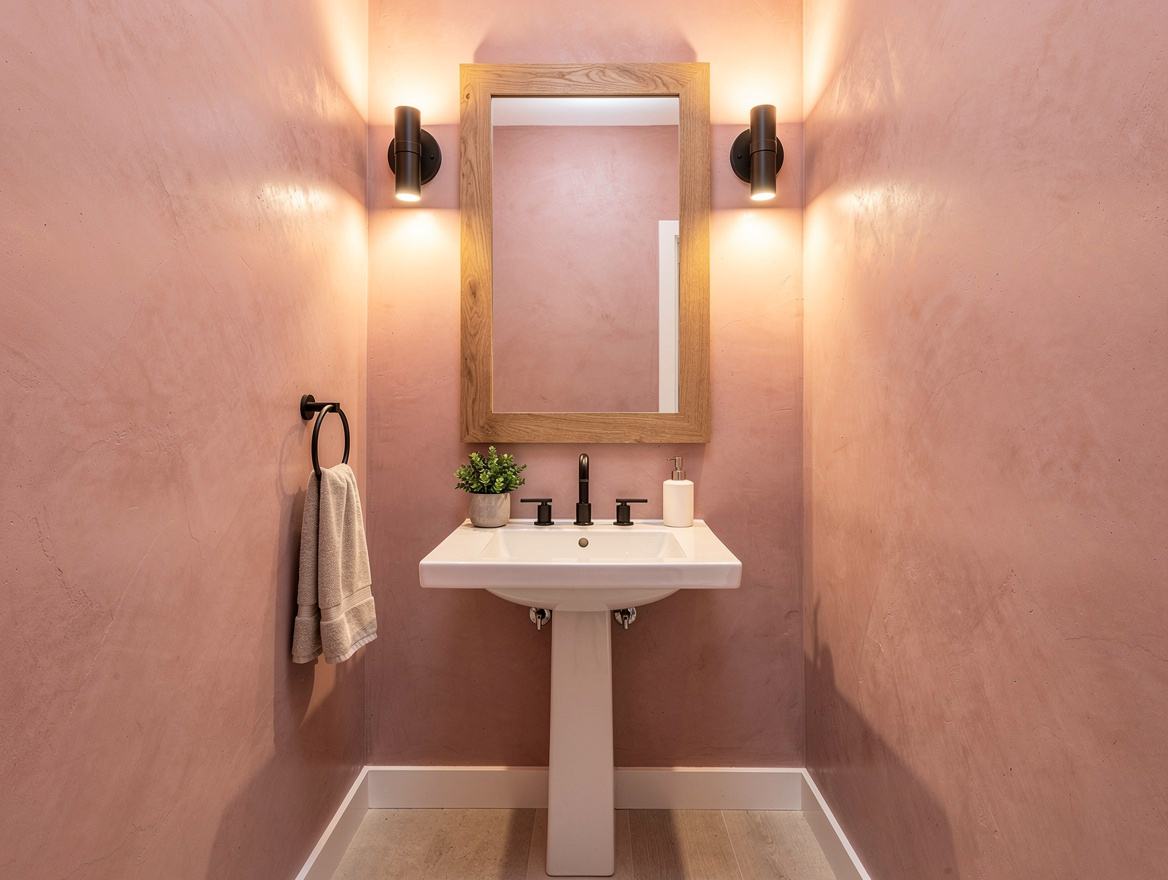
Soft pink sounds risky until you see it in mirror light. The right warm plaster pink is flattering, cozy, and far more grown-up than beige when you’re dealing with a tiny powder room that needs some life.
This is where I’d go bolder, because guests use the space for a short burst and the color reads as intentional. Add a wood mirror or small Wayfair sconce, and the room feels designed instead of merely painted.
Anchor the room with a deeper navy accent
Navy is still in the mix, just used with more restraint now. Designers tend to save it for a vanity wall, lower cabinetry, or a niche, because a full dark bathroom can feel boxed in unless the room is large and bright.
In a primary bathroom, costs often run about $250 to $1,500 or more once trim, ceiling, and cabinetry join the project. That’s why I like putting the deeper color in one spot and keeping the rest lighter, especially if you’re buying supplies through Lowe’s or Ace Hardware and want the biggest visual payoff for the spend.
For heavy humidity, premium bathroom-specific paint can run roughly $95 to $110 or more per gallon. That extra spend makes sense here, and matte is only worth trying when the formula is made for bathrooms, otherwise satin or semi-gloss is the smarter call.
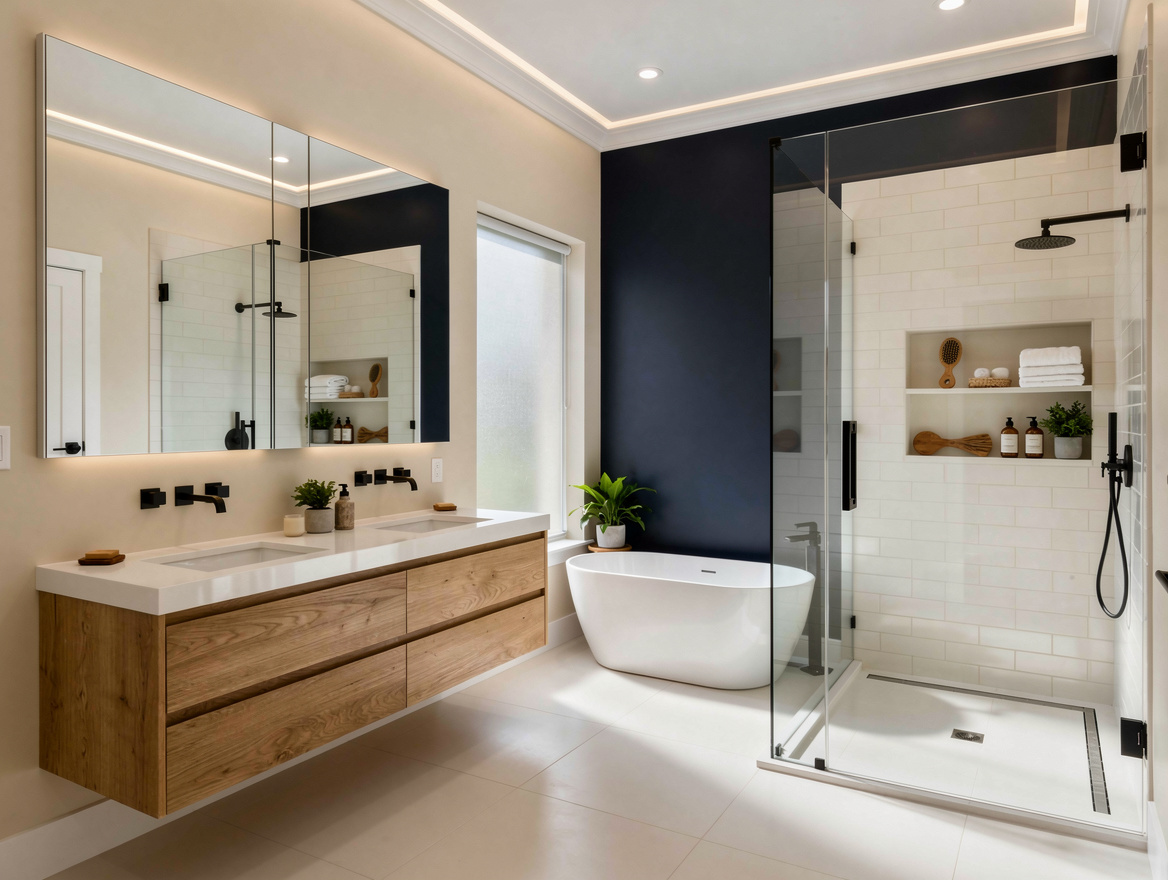
Start with the light in the room before you fall in love with a swatch. If your bathroom gets almost no daylight, test a creamy off-white or sage first, then use navy or terracotta in a smaller hit where it can add depth without shrinking the space.
Mia Carter writes about small-space living and budget home makeovers. She has restyled three rentals and tests most ideas in her own 45 sqm flat.