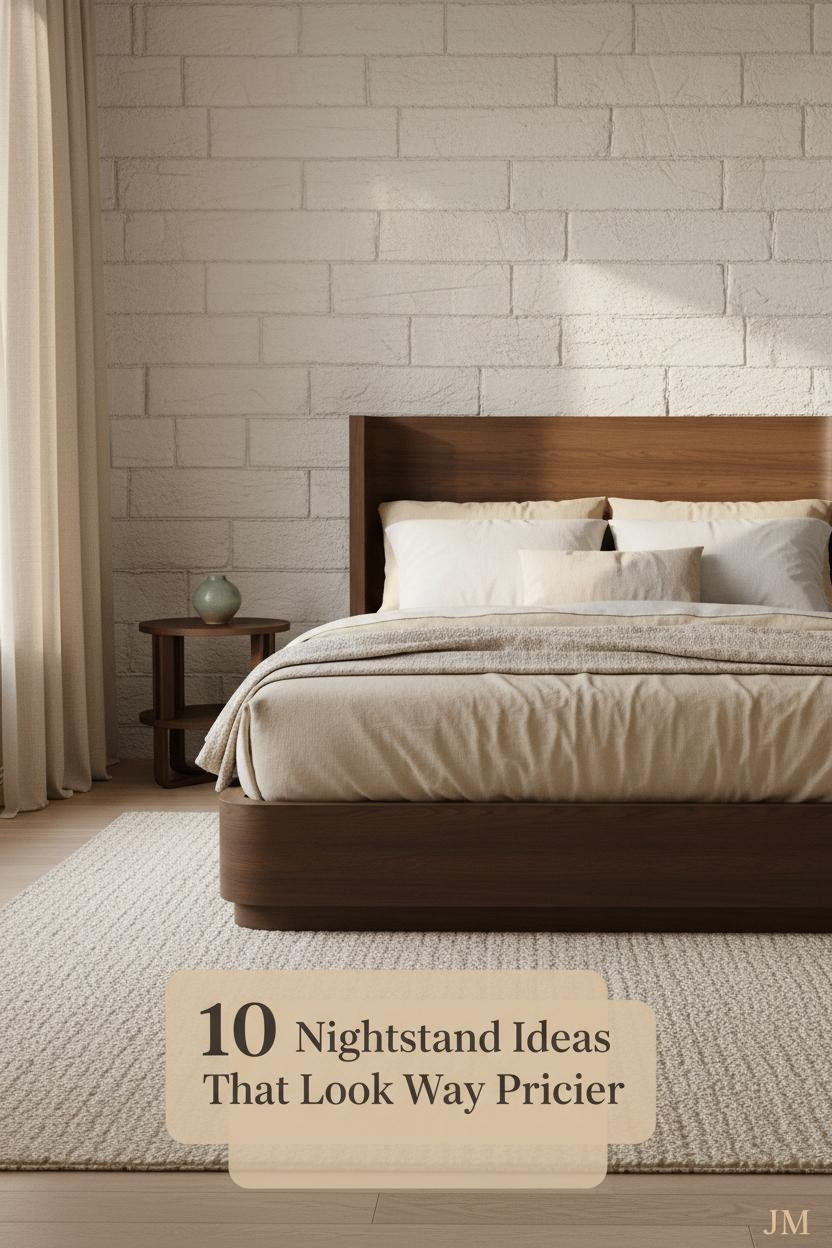
The best nightstand ideas don’t start with the nightstand. They start with the whole corner, and whether it actually feels like somewhere you want to wake up.
I’ve gone through a lot of bedside setups. These ten are the ones I keep coming back to.
The Gallery Wall Trick That Makes a Minimal Room Feel Complete
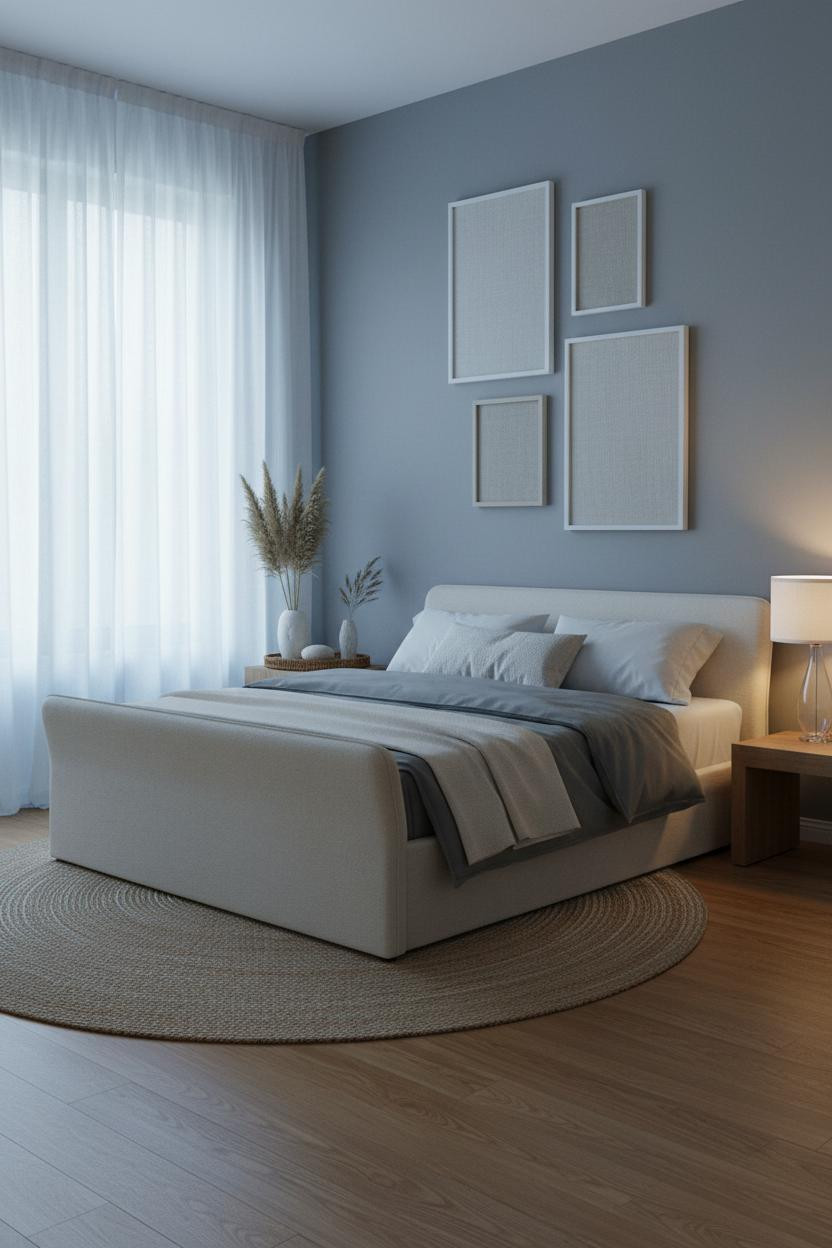


Minimalist rooms can feel cold if there’s nothing to hold the eye above the bed.
What gives it presence: A vertical run of linen-wrapped frames from headboard height to ceiling adds rhythm without demanding attention. The wall does the work so the nightstand can stay sparse.
Steal this move: Limit your frames to two tones max. Cream and stone. That’s enough.
When the Window Is the Best Design Decision in the Room
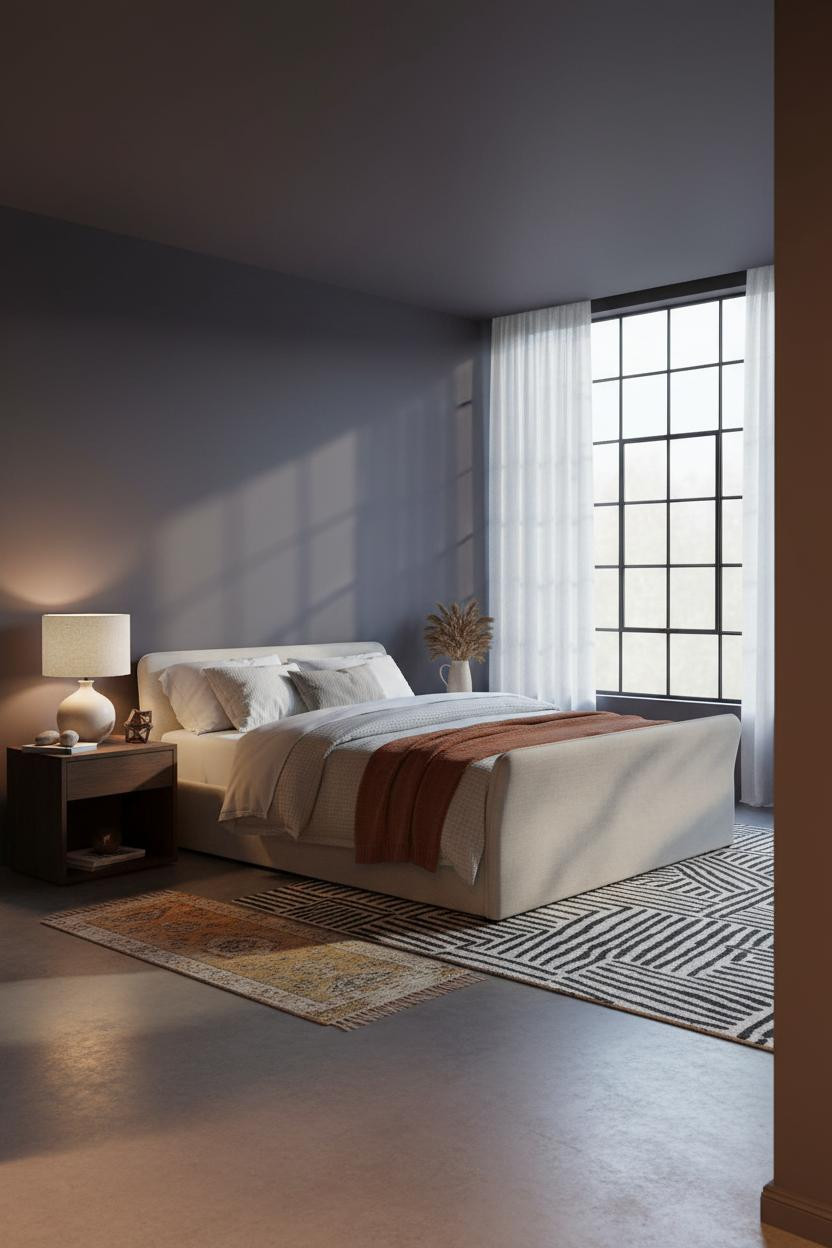
This one surprised me. The indigo wall should feel heavy. It doesn’t.
A Crittall-style steel grid window pulls cool light into the corner in a way that feels architectural, not decorative. The contrast between the dark wall and the gridded glass is what keeps it from feeling closed in.
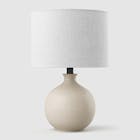
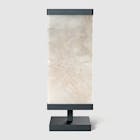
Against warm indigo plaster, a lamp like the Lucien grounds the bedside without competing. One warm pool, one cool window. The room feels calm and cohesive because of that split.
The Plaster Wall Detail Most People Miss
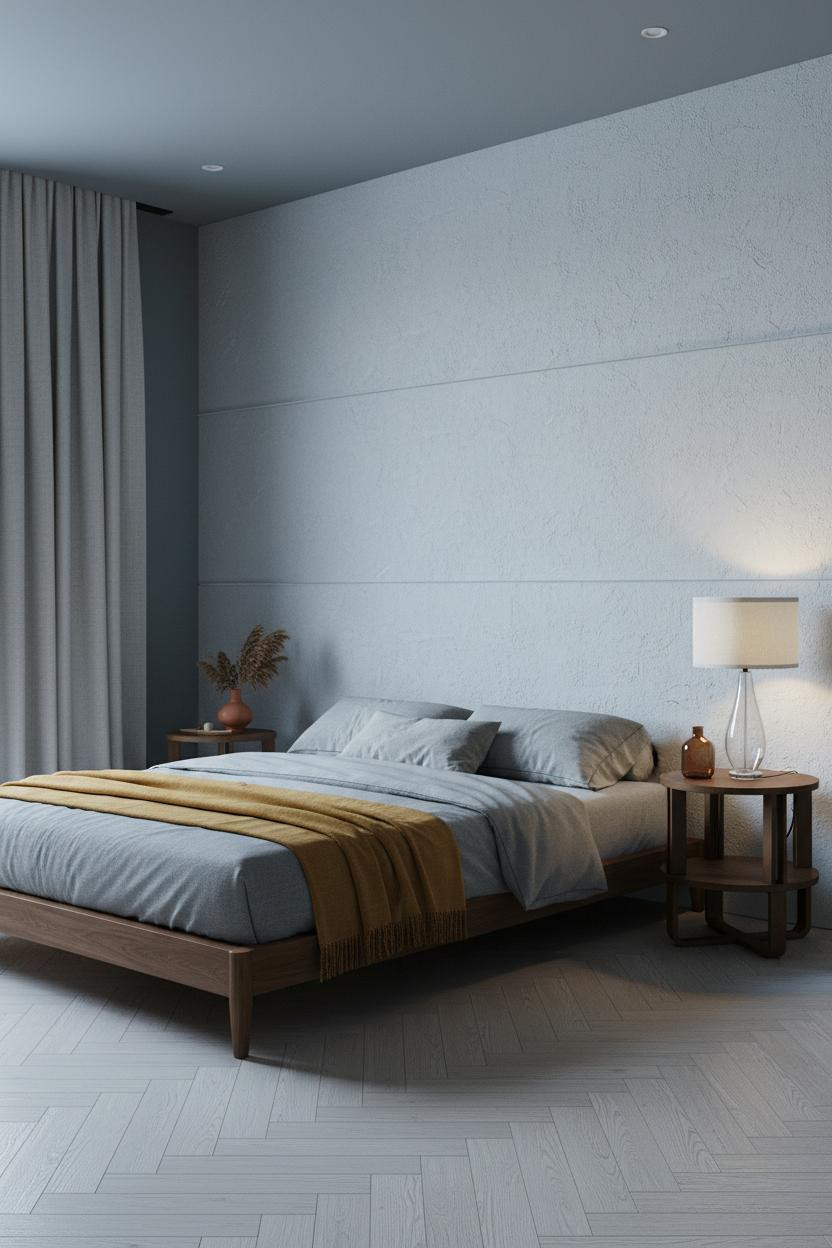

Japandi rooms live or die by texture, and this one gets it right.
Why it feels expensive: Shallow horizontal relief bands in raw lime plaster catch raking morning light and cast soft shadow lines across the wall. It looks like an architect decision, not a decor one.
Pair a dark wood nightstand like the Acadia with a warm lamp below. Don’t skip the undyed linen curtains. They’re doing more than you think.
Wainscoting as a Backdrop, Not a Feature
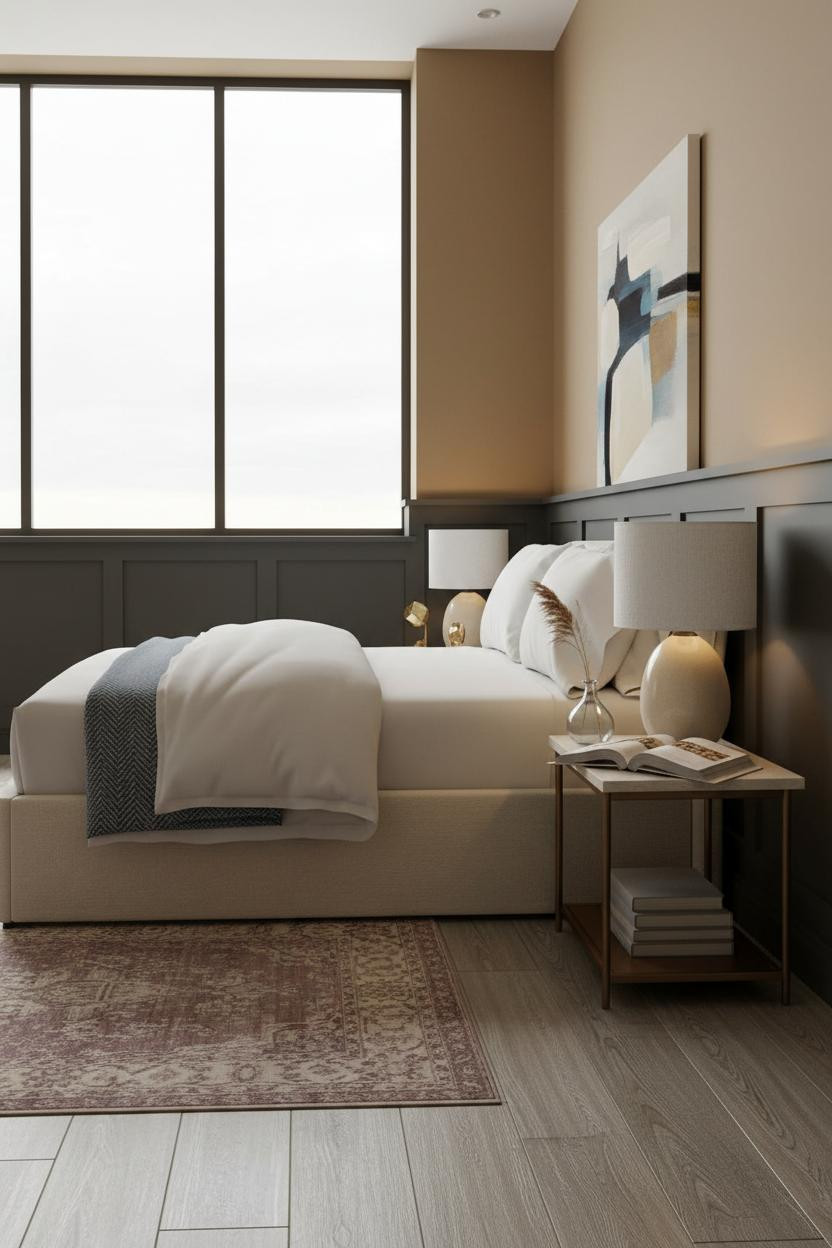
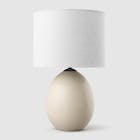
I honestly think half-height wainscoting is the most underused bedside detail. When it’s painted a deep, matte charcoal, it creates a strong horizontal shadow line that frames the nightstand like built-in architecture.
The real strength: That crisp paint edge draws the eye sideways, not upward, which makes the whole wall feel grounded. It’s a proportion trick. The warm camel wall above keeps it from reading too dark. The room feels lived-in and intimate in a way that’s hard to put a name to.
Sage Walls and the Case for Staying Simple
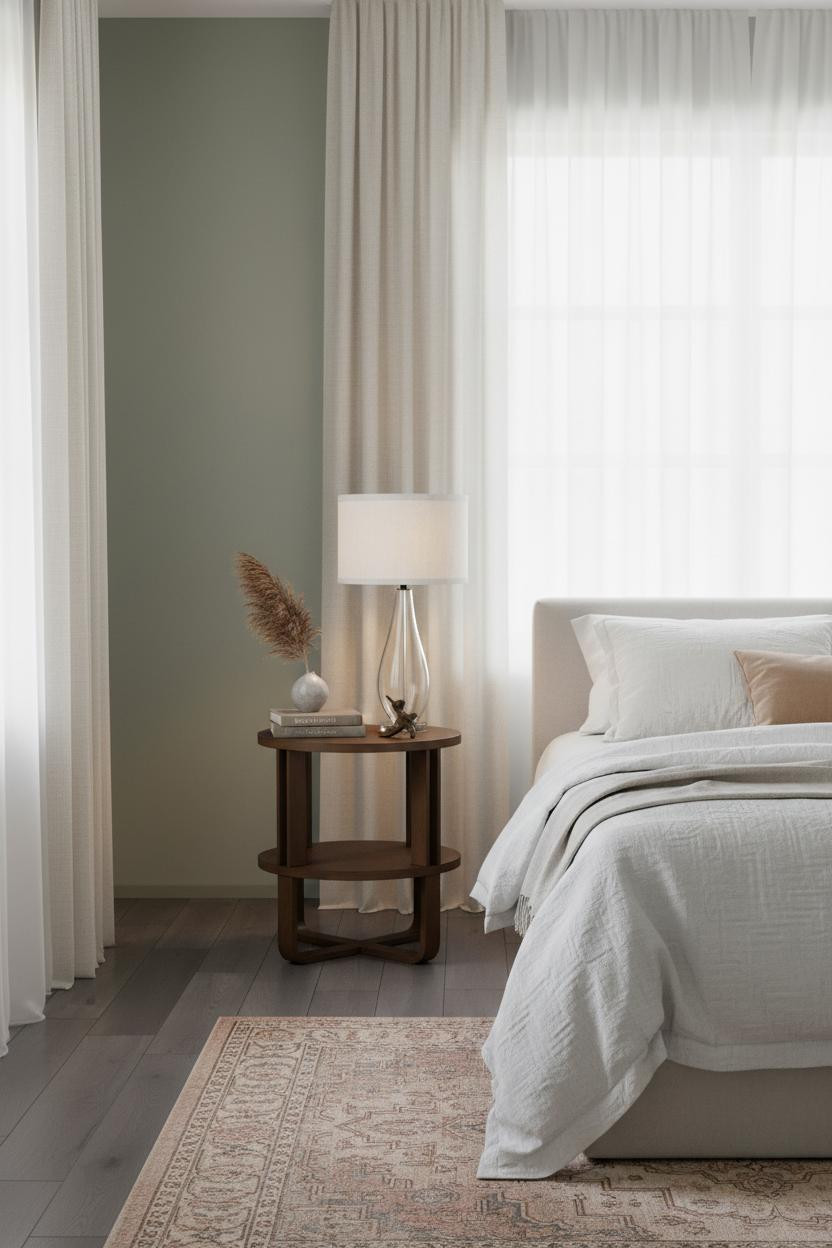
Nothing fancy. That’s the point.
Why it holds together: A natural flax roman shade anchors the window without any hardware noise, and the sage wall absorbs the warm lamp light in a way that keeps the room from feeling too bright or too dim. Just enough texture to stay interesting.
Where to start: Three items on the nightstand max. Ceramic vase, a stack of books, and a small object with some weight to it. Done.
Walnut and Terracotta Actually Belong Together
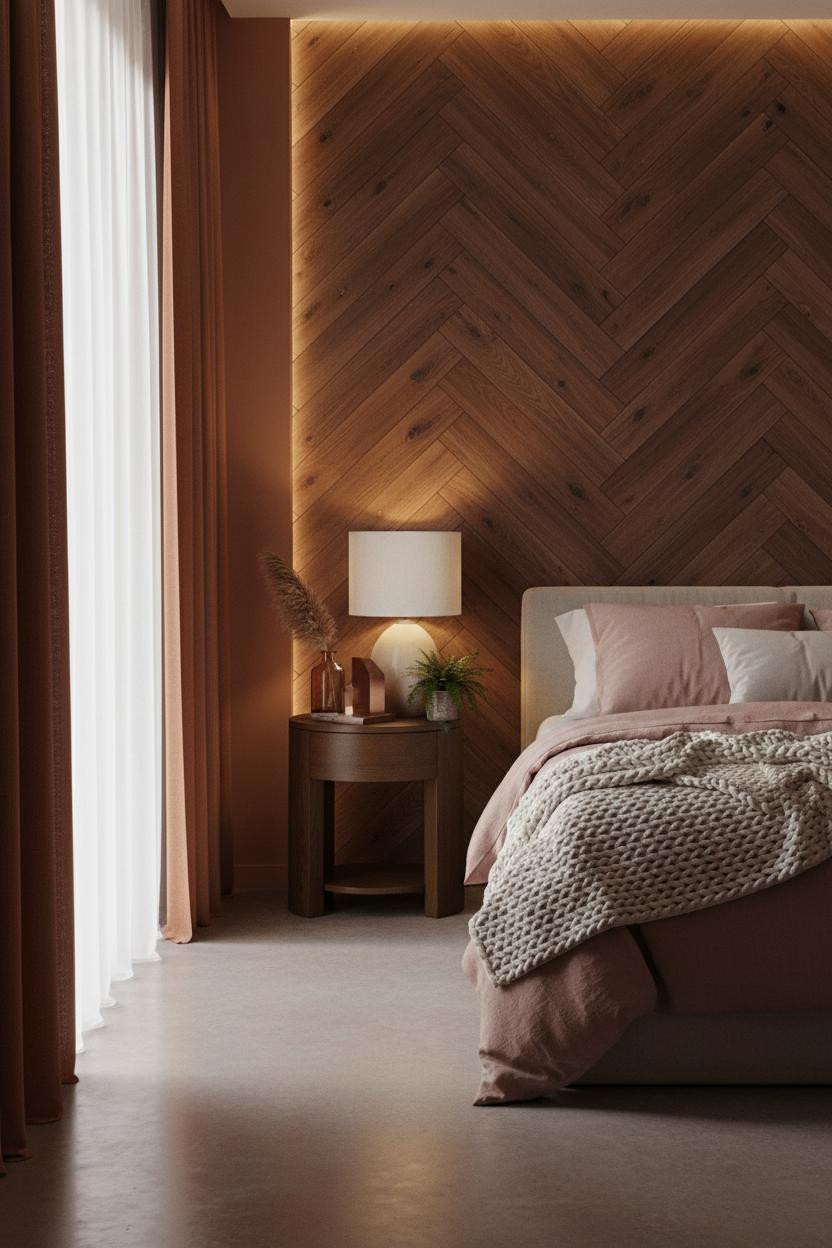
This pairing is divisive. But I think people who dismiss it haven’t seen it done right.
Why the materials matter: A herringbone walnut feature wall catches raking light along every chevron ridge, and the terracotta flanking walls pull the warm grain forward instead of competing with it. The nightstand becomes part of the wall, not just furniture in front of it.
Avoid this mistake: Don’t add cool-toned bedding here. Stay in the warm family or the whole room falls apart.
The Recessed Niche Trick That Costs Almost Nothing
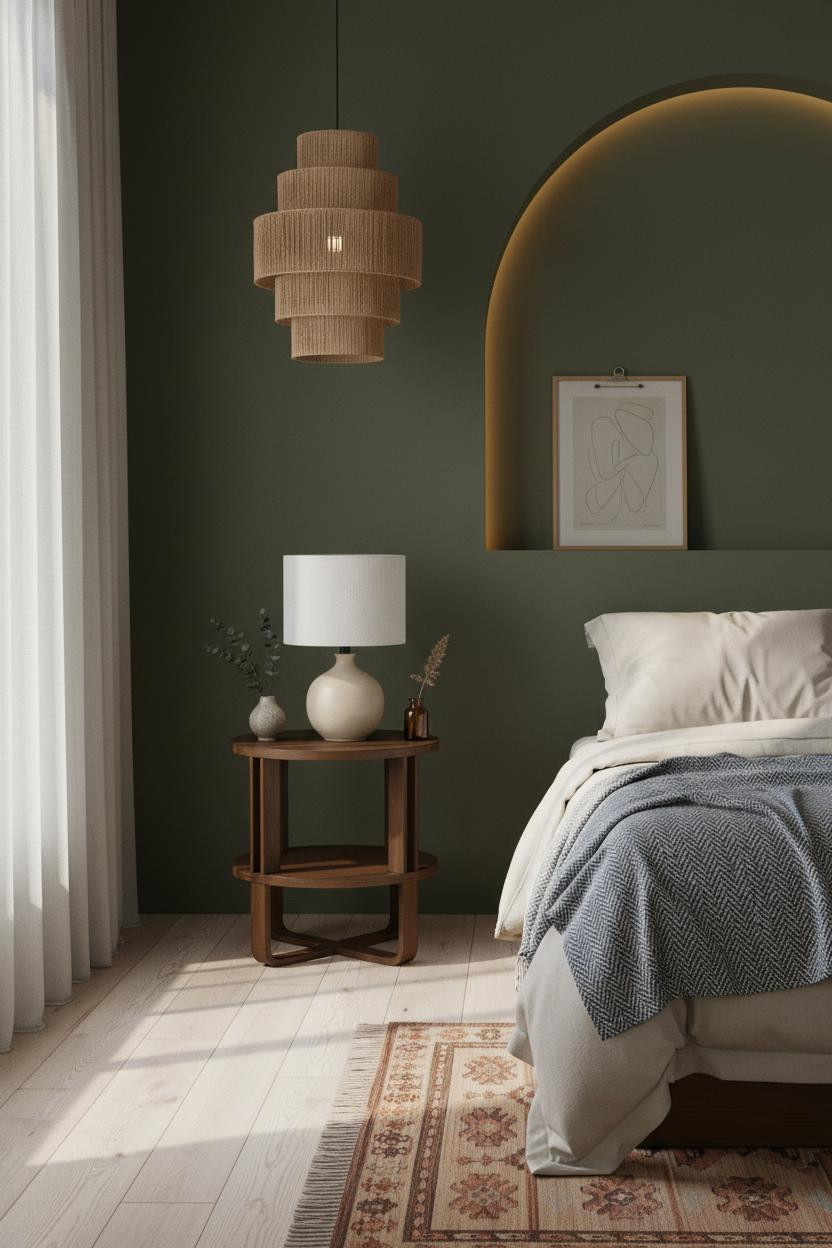
Underrated. A painted niche above the nightstand makes the whole corner feel intentional.
But the color inside matters a lot. Deep olive plaster in a recessed wall reveal catches diffused light differently than the surrounding wall, creating layered depth you can’t get from art alone. It looks like the room was designed that way from the start.
The practical move: Paint the niche interior two shades darker than the main wall. One tin of paint, genuinely custom result.
Board-and-Batten Done in a Way That Doesn’t Feel Farmhouse
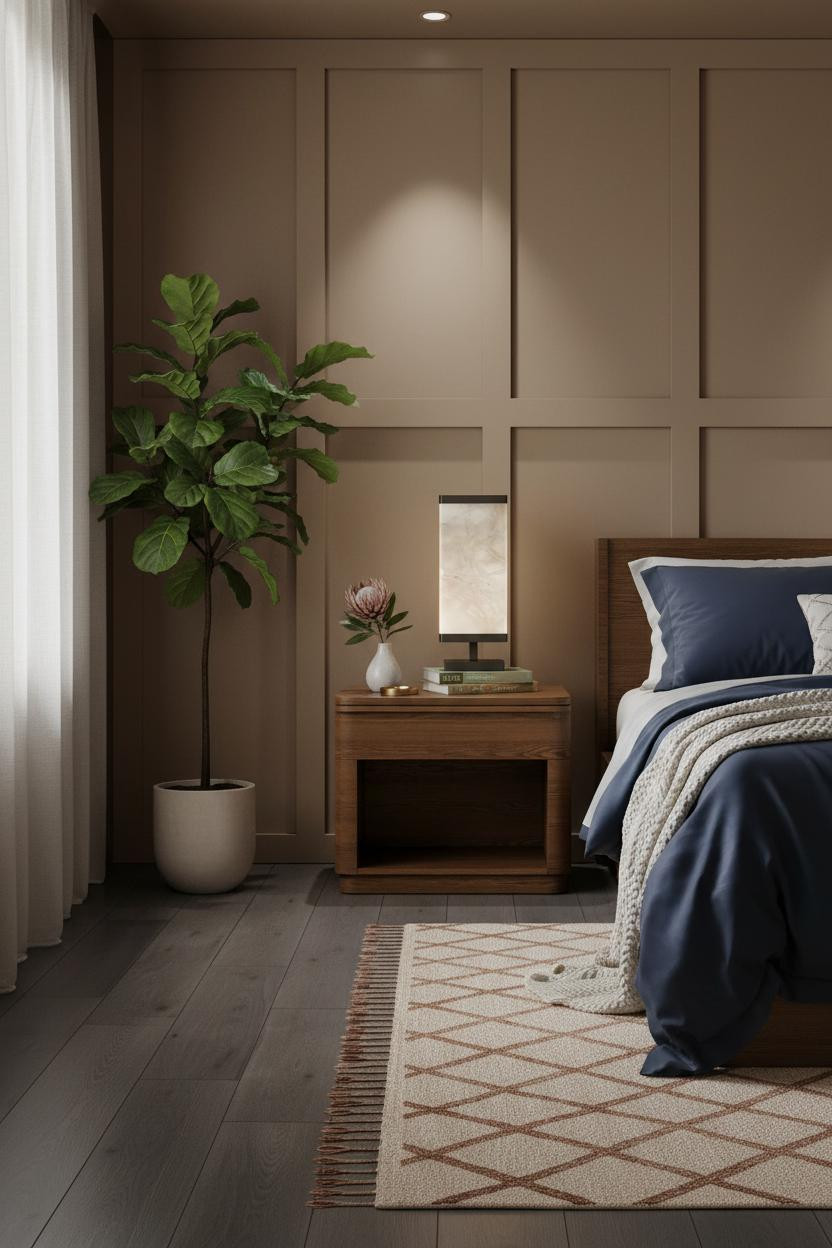
Board-and-batten gets a bad reputation because most people paint it white. Don’t.
Why it looks custom: Painting vertical board-and-batten in warm mushroom instead of white keeps the vertical rhythm without the shiplap-cottage association. The eye reads structure, not style trend.
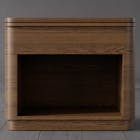
A walnut nightstand like the Calan against that paneling grounds the whole bedside corner, while still feeling light. Skip the white bedding here. Navy sateen reads sharper against the warm wall tone.
What Dusty Rose Walls Actually Do for Warm Wood
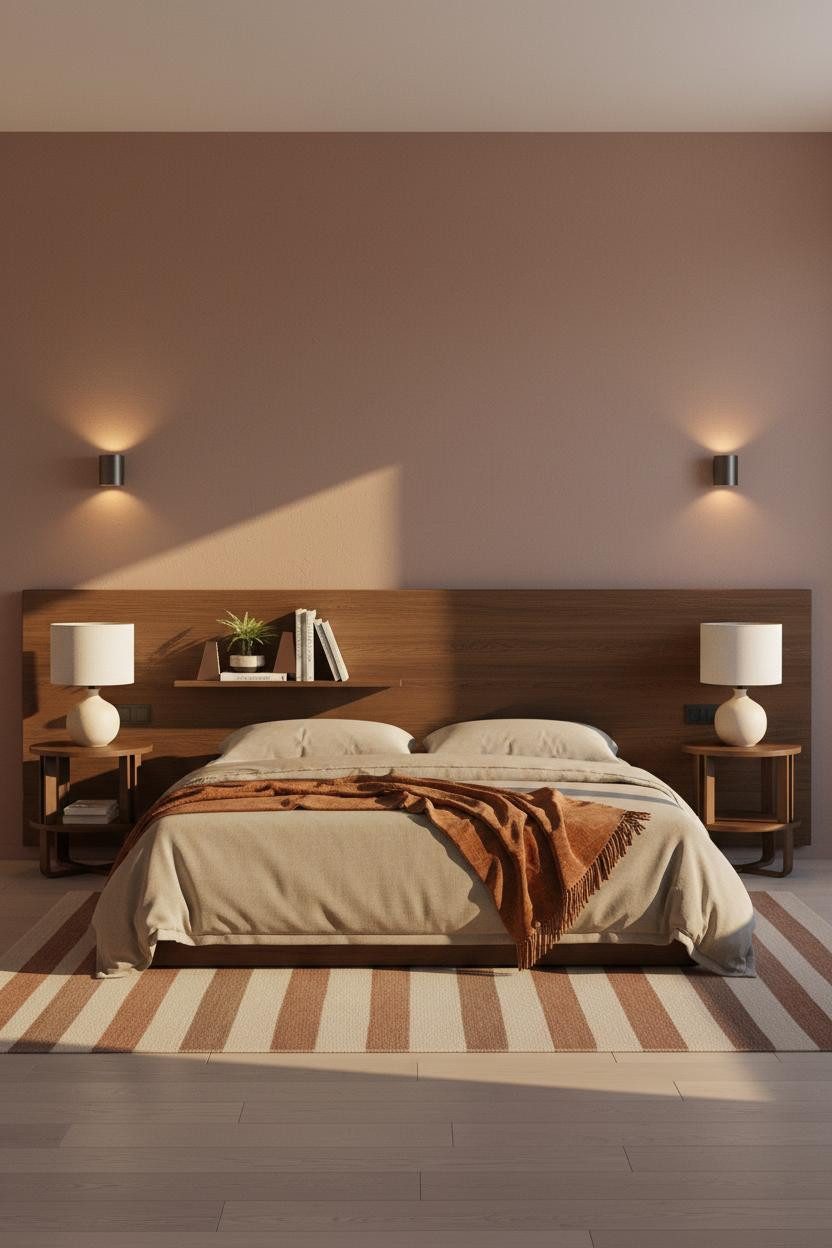
I keep coming back to this one. The combination shouldn’t feel this resolved, but it does.
Design logic: Matte dusty rose plaster walls reflect warm afternoon light back onto bleached oak floors, so the whole room glows amber in a way that feels accidental but clearly isn’t. The walnut shelf behind the bed turns amber too. Everything reads in the same register.
One smart swap: Replace a table lamp with paired wall sconces flanking the headboard. The Lucien works here. It keeps the surface of the nightstand completely clear.
The Morning Room That Actually Earns the Name
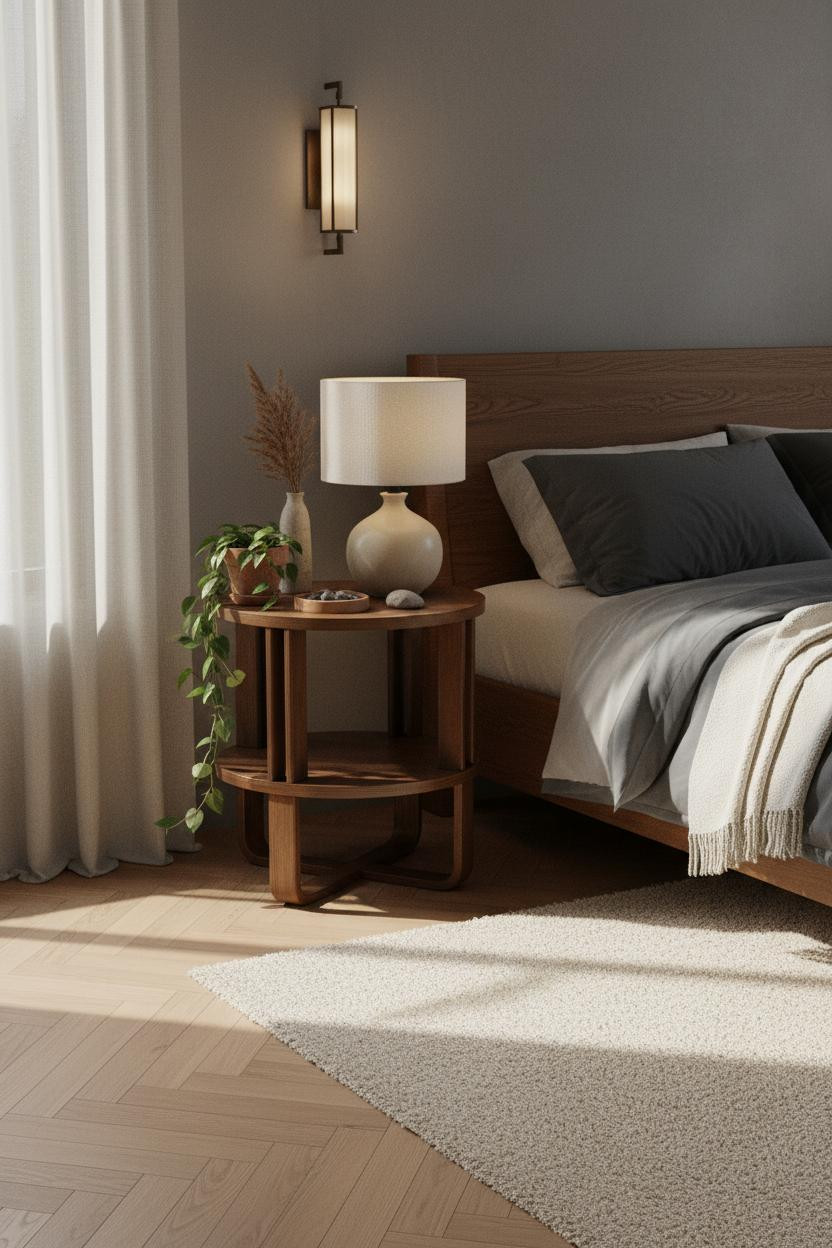
The room feels warm without being heavy. That’s harder to pull off than it looks.
What creates the mood: A natural walnut nightstand with turned legs catches raking morning light along the grain, and stone grey walls keep the wood from reading too rustic. Admittedly, the chunky cream wool rug is doing a lot of the heavy lifting here.
Worth copying: A terracotta pot with trailing greenery on the nightstand adds life while still feeling like a considered choice, not a random plant. Just keep it small.

Our #1 Pick
Saatva Classic Mattress
America’s best-selling online luxury innerspring. 365-night trial, lifetime warranty, free white glove delivery.
Shop Saatva Classic
The Foundation Of Every Beautiful Bedroom
All ten of these nightstand setups share one thing. The bed behind them looks like somewhere you actually want to sleep. And that’s not really about the nightstand at all.
The Saatva Classic is the mattress I’d put behind every corner in this article. Dual-coil support means you’re not sinking in ways that look fine from across the room but feel terrible by 3am. The breathable organic cotton cover keeps things from running hot. And the Euro pillow top is soft in a way that holds up, not one that collapses after six months.
Walls get repainted. Lamps get swapped. The mattress stays. Start with something worth keeping.

The rooms people save are the ones where nothing looks accidental. But the rooms people actually sleep well in? Those start with the bed. Good design ages well because it’s made well.