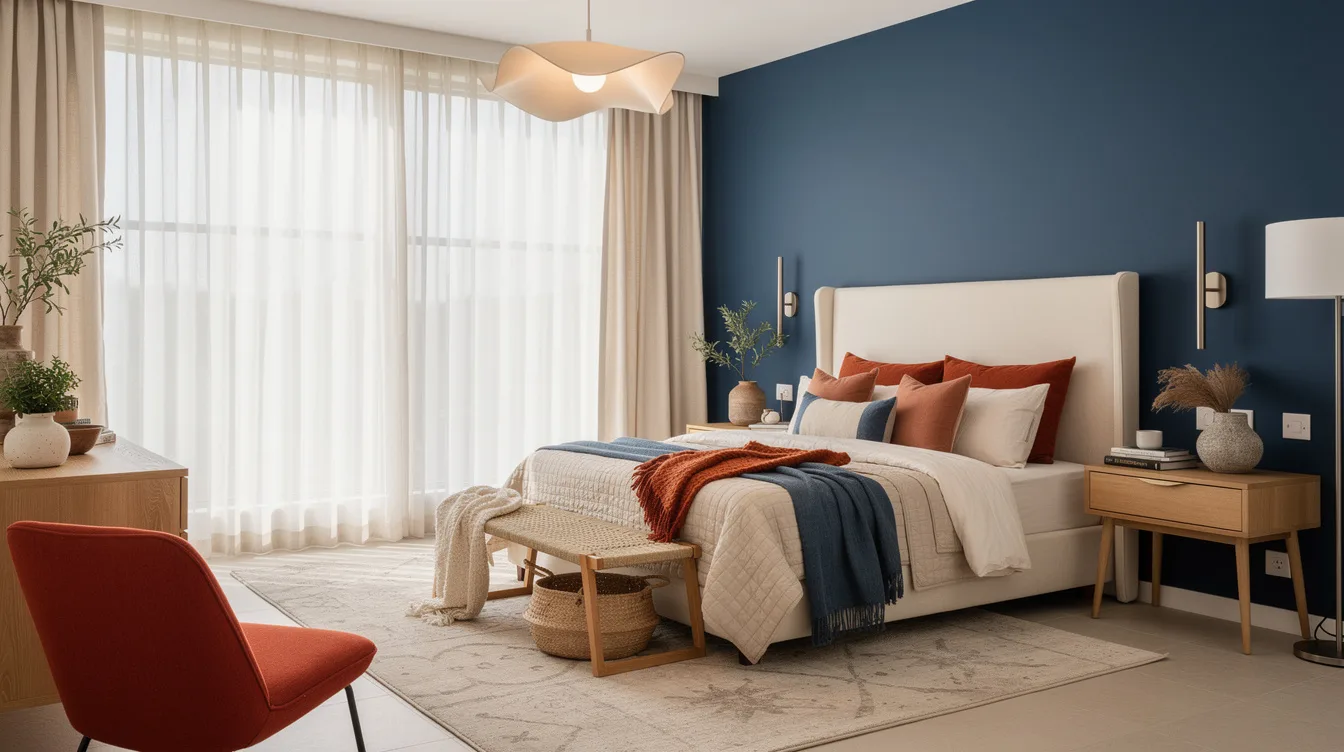
I think this is why so many primary bedrooms still feel slightly off: they look decorated, but they do not feel good at 10 p.m. Or 7 a.m. Designers keep moving toward rooms that feel warmer, softer, and more personal, especially when a typical primary bedroom may only have around 170 to 215 square feet to work with.
The goal now is less social-media set piece, more five-star comfort. That means natural materials, layered light, proper blackout, and a bed wall that feels worth sinking into.
Start With Warm Neutrals That Relax the Room
The biggest shift designers keep pushing is away from icy gray and harsh white. A primary bedroom feels better when the walls, rug, and bedding sit in a warmer lane, think sand, greige, mushroom, and blush beige.
A matte paint like Benjamin Moore Pale Oak gives that soft hotel mood without looking flat. If you want an easy retail version, Home Depot and Lowe’s usually have warm neutral paint options starting around $35 to $60 per gallon, which is a sensible place to spend.
Natural wood matters here too. A light oak dresser or walnut nightstand adds depth faster than another layer of beige ever will.
Anchor the Bed With an Oversized Headboard
Designers rarely leave the bed floating with a tiny headboard, because it makes even a decent-size room feel underdressed. A queen bed typically measures about 60 by 80 inches, so the headboard should feel intentionally wider and taller, not like an afterthought.
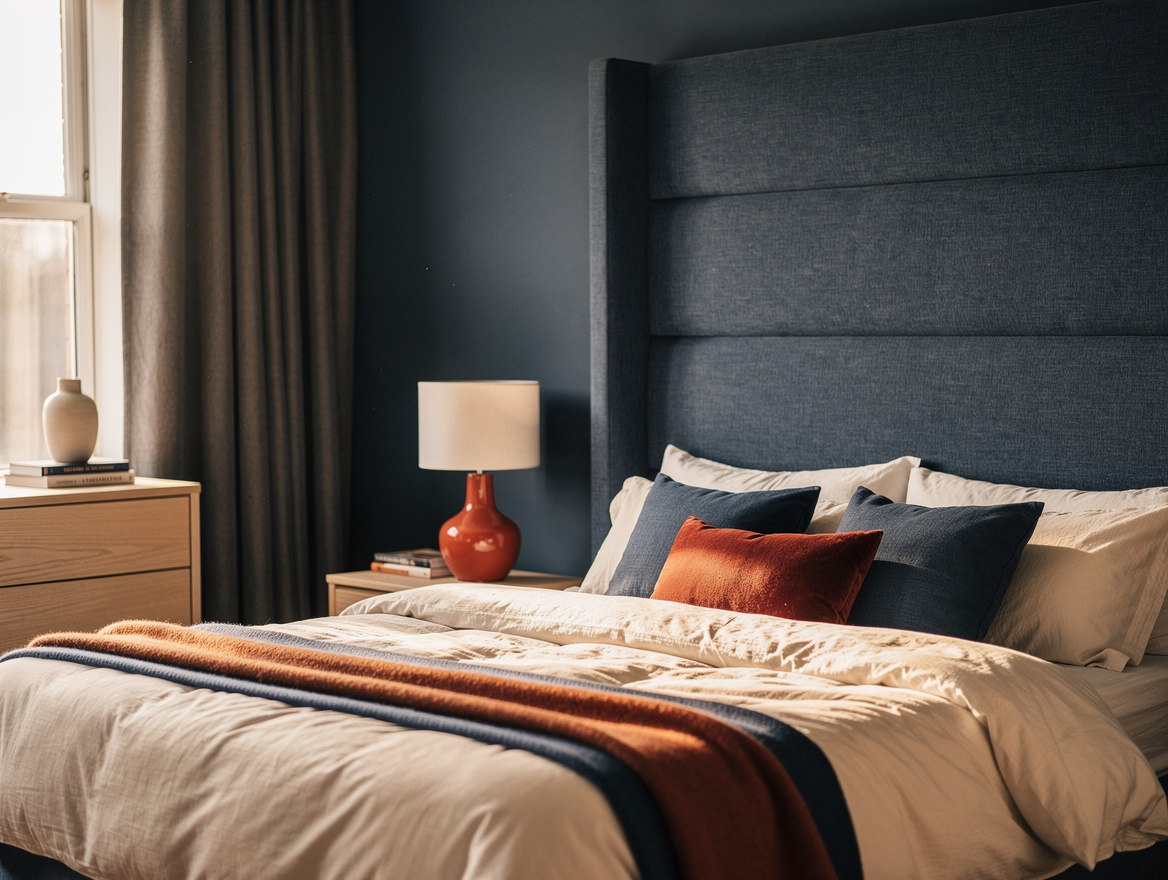
An upholstered channel-tufted headboard in linen or performance fabric instantly makes the room feel quieter and more expensive. Wayfair, Target, and Amazon often carry options around $250 to $700, and the taller versions almost always look better than the skimpy ones.
This is one place where I would not go too small. A cocooning bed wall is the whole point of a primary bedroom.
Layer the Lighting Instead of Relying on One Ceiling Fixture
It seems simple: install one overhead light and move on. That setup usually works against the room, because bedrooms need soft light at different heights, not a single bright source flattening everything.
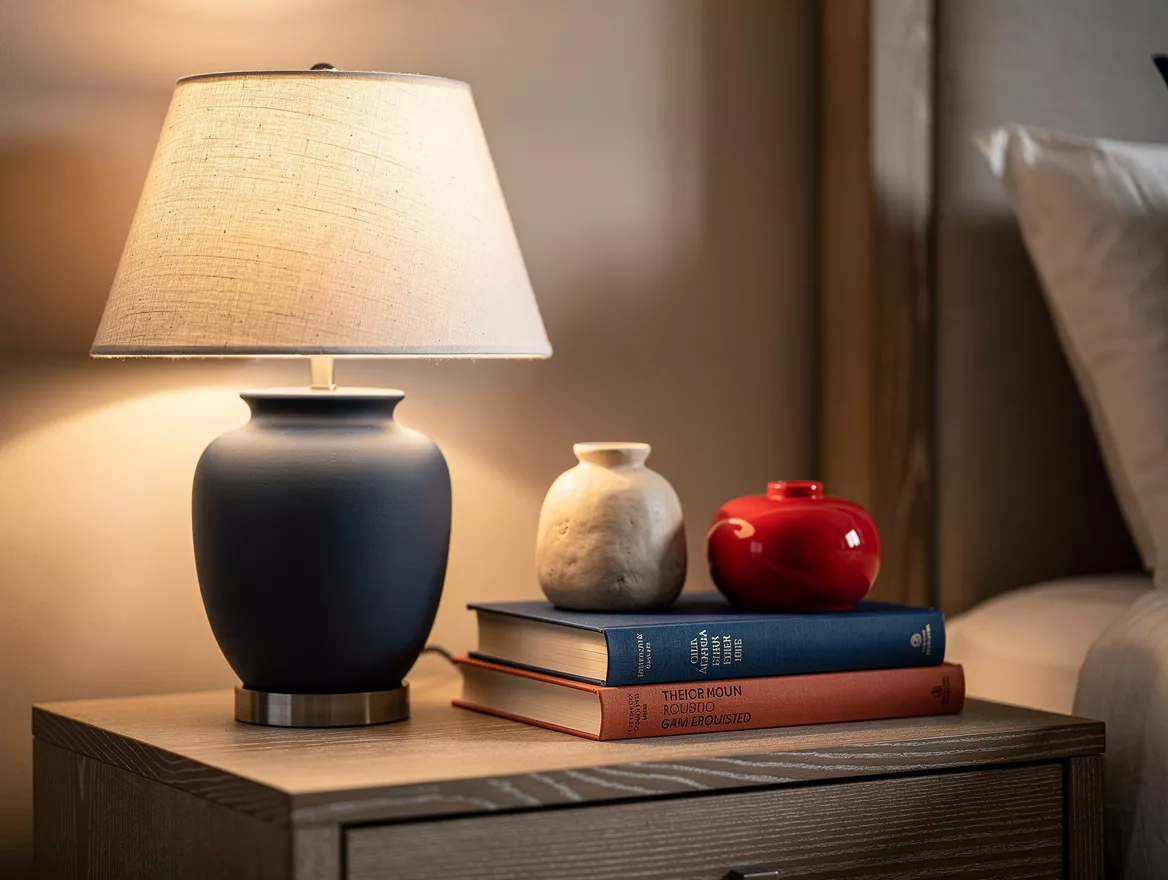
Designers build the room with at least three zones, an overhead fixture, bedside lamps, and one accent source like a sconce or reading lamp. A linen-shade table lamp from IKEA or Target can start around $30 to $80, and that small addition changes the room more than another throw pillow.
Skip cold bulbs. 2700K LED bulbs give a warmer glow that feels closer to a boutique hotel than a hallway.
Use Full-Length Curtains to Add Weight and Height
Short curtains are one of the quickest ways to make a primary bedroom feel temporary. Designers almost always run drapery high and wide, because it stretches the wall and gives the bed more presence.
A double layer works best: sheer panels for daytime softness, blackout panels for actual sleep. Target blackout curtains or IKEA curtains often cost about $35 to $90 per panel, and they do more for comfort than many decorative upgrades.
Heavier fabrics help the room look grounded. linen-blend drapes, chenille, even velvet in the right neutral tone, all beat flimsy polyester every time.
Give the Room One Lived-In Surface
Designers are done with primary bedrooms that look like untouched model homes. The room needs one surface, usually a dresser or console, where personality actually shows up.
A wood dresser around 48 to 63 inches wide is a practical size in many bedrooms, and it gives you enough top space for framed photos, stacked books, a ceramic vase, or a catchall tray. Walmart, Wayfair, and Amazon usually have decent options starting around $180 to $500.
Keep the styling edited, but not sterile. A lamp. Two books.
One bowl. Real life is what stops the room from feeling rented by the hour.
Make Space for Daytime Use, Even in a Smaller Room
The best primary bedrooms in 2026 do more than hold a bed. Even in a room that is only around 170 to 215 square feet, designers try to carve out one extra use, usually a reading corner, a small desk, or a bench that makes getting dressed easier.
A compact accent chair from Costco, Target, or Wayfair can run about $120 to $350, and it adds real function when paired with a focused lamp. If the footprint is tight, a slim IKEA desk or wall-mounted shelf works better than forcing in bulky furniture.
I like this move because it changes how the room feels at 2 p.m., not just at bedtime. That is what makes a bedroom feel finished instead of purely decorative.
Prioritize Airflow, Blackout, and Touch-Friendly Textiles
Comfort is the trend, and that means temperature control matters as much as color. Designers keep leaning into breathable bedding, quiet airflow, and window treatments that actually block light, especially in warmer climates or bright city apartments.
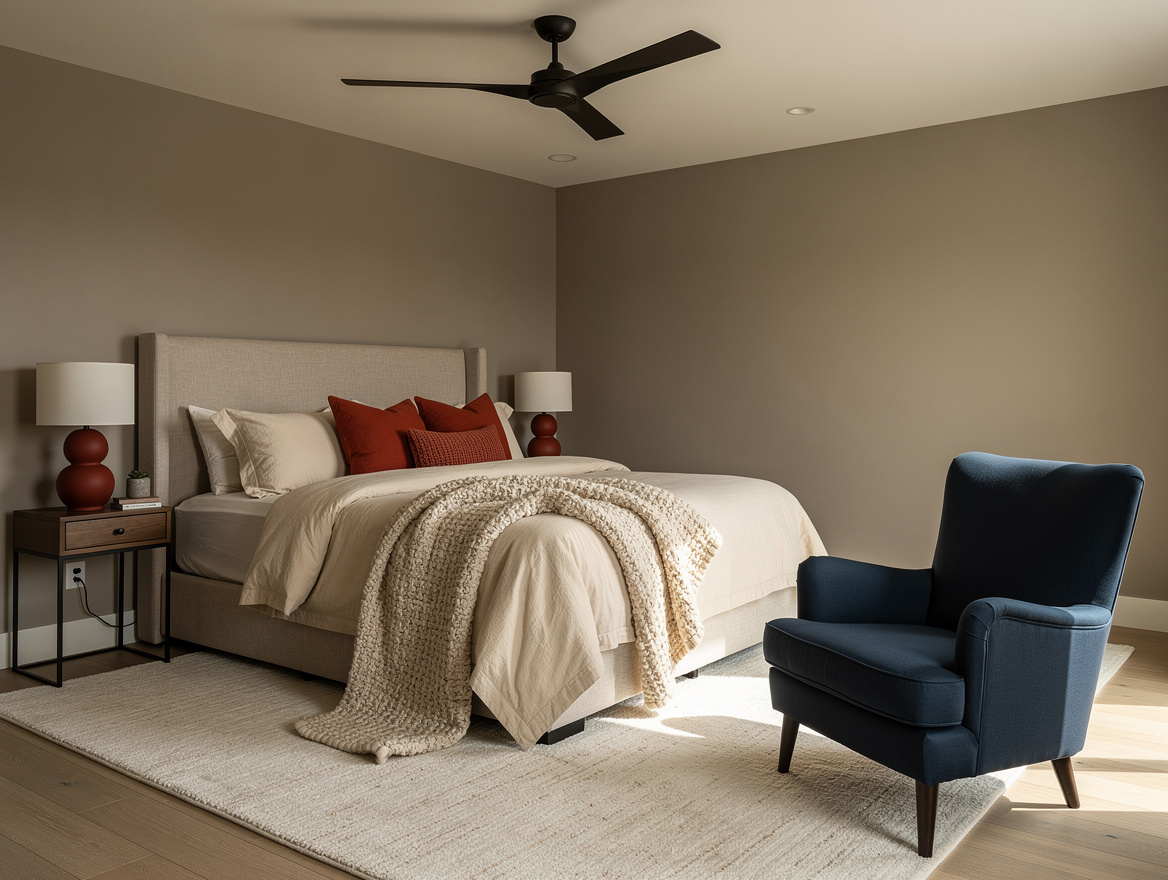
A ceiling fan from Home Depot or Lowe’s usually starts around $80 to $200 for a clean, modern style. Pair it with cotton percale sheets or a linen-cotton blend from Target, Costco, or Amazon, often around $50 to $160 for a queen set.
Then add one tactile layer at the foot of the bed, a chunky knit throw, quilt, or bouclé blanket. That finishing layer is small, but it makes the whole room read warmer and more considered.
Begin with the bed wall, because it sets the tone for everything else. Once the headboard, curtains, and lighting feel right, the rest of the room gets much easier to finish without wasting money.
Mia Carter writes about small-space living and budget home makeovers. She has restyled three rentals and tests most ideas in her own 45 sqm flat.