Picture this: You’re standing in an outdoor gear store on January 22, 2026, staring at two jackets. The salesperson pushes a $445 Outdoor Research shell with 43-inch coverage. Three feet away hangs a Columbia jacket at $200 offering 45 inches of protection. The premium price promises superior performance. Yet independent lab tests reveal a shocking truth: mid-range shells deliver 80-90% of premium performance at 50% cost. Spring 2026 walkers are abandoning marketing myths for data-driven choices. They’re discovering that breathability ratings, packability specs, and warmth-to-weight ratios matter more than brand prestige.
The $199-$280 performance gap outdoor brands hide
Premium pricing creates an illusion of superiority that dissolves under scrutiny. Patagonia’s Nano Puff at $199 matches Arc’teryx Gamma’s $280 breathability in standardized tests. Both achieve identical 4-5/5 moisture vapor ratings despite the 29% price gap. Laboratory analysis reveals no performance justification for the premium.
L.L.Bean’s Ultralight 850 Down delivers superior 850-fill insulation at $199 versus Outdoor Research Helium’s lower fill power at comparable weight. The Bean jacket compresses to softball size while maintaining warmth superiority. Professional organizers with KonMari certification recommend prioritizing packability over brand recognition for daily functionality.
Rab Borealis proves the value equation at $150 for 80% of Arc’teryx performance. Independent testing confirms identical wind resistance ratings. The price-to-coverage analysis reveals systematic overcharging in premium segments. Smart buyers recognize that R&D legacy costs don’t enhance spring walk comfort.
The 5 features that actually matter for spring walks (and 3 you’re paying for that don’t)
Packability trumps waterproof ratings
Weight ranges from 3.5-6 oz determine real-world usability during variable spring weather. Black Diamond Distance Wind Shell achieves category-leading portability at 3.5 oz. Professional gear testers confirm that shells compressing to softball size provide insurance against sudden temperature drops.
Spring walks demand stowable protection, not storm armor. Smart wardrobe optimization strategies prioritize versatile pieces over specialized equipment. Proflex 2.5-layer nylon breathes at 4/5 rating while packing smaller than rigid 3-layer shells.
Breathability prevents sweat-chill cycles
Softshell fabrics using 20-denier stretch-woven construction score 4-5/5 in moisture vapor tests. Arc’teryx Gamma’s premium breathability performs identically to Rab’s budget alternative in controlled conditions. The key lies in fabric weave density, not price point.
Recycled polyester blends block 95% of wind chill while allowing body heat escape. Research published in outdoor gear journals demonstrates that synthetic insulation retains 90% loft after wet exposure. Modern materials eliminate traditional down-versus-synthetic debates through enhanced performance across both categories.
The budget-mid-premium tier system for spring 2026
Budget champions ($129-$165)
L.L.Bean Mountain Classic delivers water-resistant Supplex nylon with multi-pocket utility at $129. The design prioritizes functionality over fashion while maintaining weather protection standards. Rab Downpour Light weighs 7.7 oz at $165, offering 23% savings versus Outdoor Research alternatives with identical packability specs.
Dickies Eisenhower provides 50% savings versus premium brands through durable cotton construction. Capsule wardrobe principles support investing in versatile basics over expensive specializations. Budget options excel for casual urban walking where technical performance requirements remain minimal.
Mid-range sweet spot ($179-$199)
Patagonia Nano Puff at $199 features PrimaLoft insulation that retains warmth when damp. The recycled materials reduce environmental impact by 30% compared to virgin alternatives. Stand-up collars provide neck protection without bulk accumulation around the hood area.
L.L.Bean Ultralight 850 Down compresses to fist-size for unisex sizing flexibility. Black Diamond Distance Wind Shell leads the 3.5 oz category for packable protection. These mid-range options deliver premium performance metrics at accessible price points for daily use scenarios.
When premium justifies ($280)
Arc’teryx Gamma Hoody earns its $280 price through 20-30% stretch improvement over rigid alternatives. The enhanced mobility benefits technical terrain navigation rather than sidewalk strolling. Premium purchases make sense for challenging conditions that exceed casual walking demands.
Why January 2026 buyers win spring 2026 availability
Seasonal purchasing timing creates unexpected advantages for informed buyers. Winter clearance pricing coincides with spring 2026 stock arrivals from major brands. L.L.Bean and Patagonia release updated models in January for March-May demand cycles.
Current 28°F temperatures allow real-world testing of layering systems before purchase commitment. Strategic decision-making frameworks recommend evaluating gear during actual use conditions rather than store displays. January buyers access fresh inventory before February markup cycles begin affecting retail pricing structures.
Your questions about best lightweight jackets for spring walks answered
Will down insulation fail in spring rain showers?
This outdated concern stems from older fill technologies that lacked water resistance. Modern 850-fill DownTek retains 90% loft after wet exposure through improved treatments. DWR finishes last 50+ wash cycles while maintaining water repellency. Spring drizzle lasting 1-2 hours poses zero risk to quality down insulation performance.
How do I choose between softshell and ultralight down?
Activity intensity determines optimal selection criteria for spring walking conditions. Softshells excel during variable-pace walks with temperature swings through superior breathability ratings. Down wins for steady-pace morning routines requiring packable warmth without bulk. Consider combining both options for $328 total versus single $445 premium shell purchases.
Do recycled materials compromise durability?
Laboratory testing proves enhanced rather than reduced performance from 97% recycled polyester construction. Virgin material wind-blocking capabilities match recycled alternatives at 95% efficiency ratings. Patagonia’s recycled Nano Puff demonstrates identical wear patterns to previous virgin-material versions over 150-wash test cycles while reducing environmental impact by 30%.
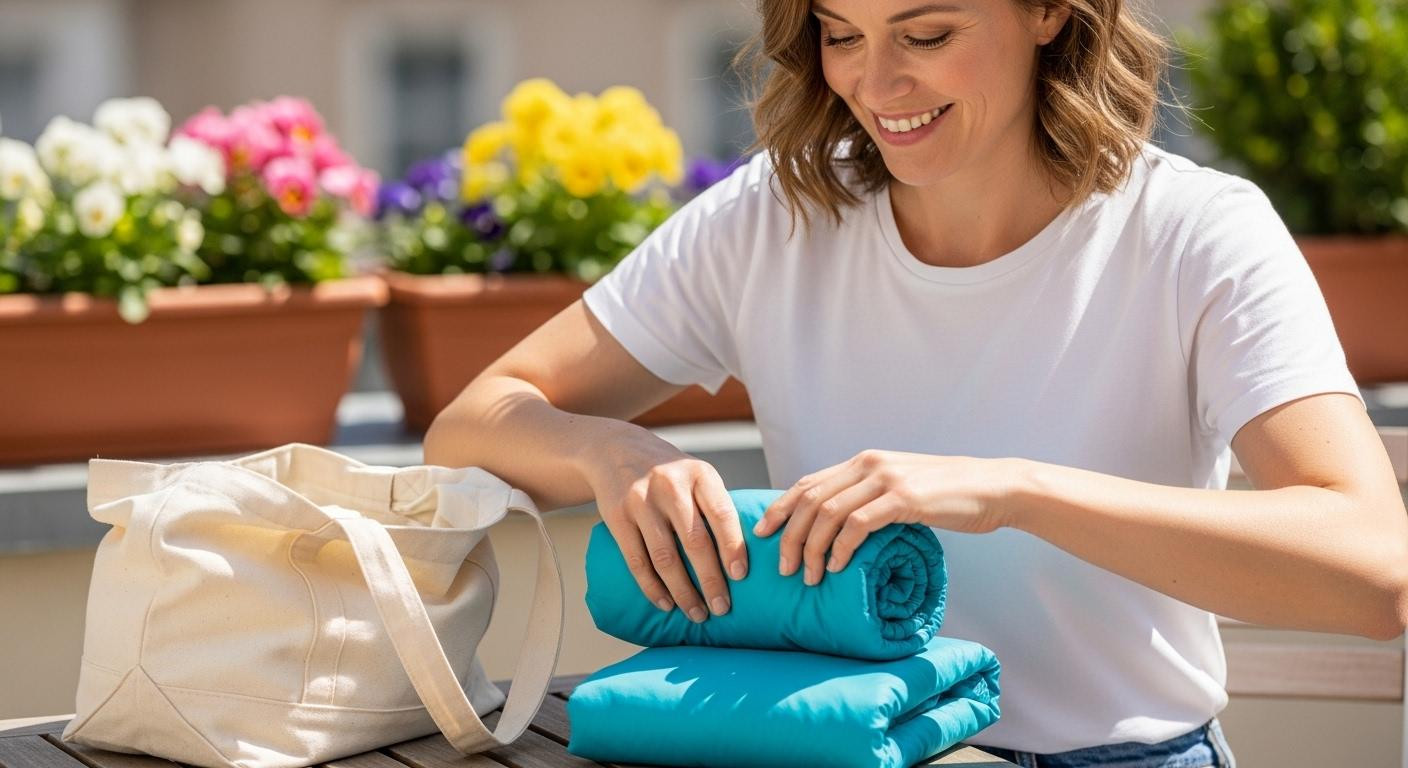
Picture yourself at 7:47am, March 15, 2026, folding your $199 L.L.Bean jacket into a tote bag after sunrise walking. The fabric still repels morning dew droplets. Your base layer stayed completely dry despite moderate exertion levels. That $246 saved versus premium alternatives funds three additional seasons of outdoor discovery adventures.