You spent $45 on that probiotic cleanse promising post-holiday reset. By day three, bloating worsened. The juice detox sits half-finished in your fridge, leaving you hungry and frustrated.
Here’s what naturopaths with decades of clinical experience know. Extreme restriction starves the microbiome substrates needed for actual detoxification. Five winter vegetables available right now cost $12 weekly and activate three detox pathways your supplements can’t reach.
Kale, Brussels sprouts, butternut squash, beets, carrots trigger liver phase-II glutathione production, prebiotic fiber fermentation, and bile acid binding. December 2025 timing matters. These vegetables peak in nutrient density and affordability exactly when your body recovers from holiday excess.
Why your $45 cleanse fails where $0.80 vegetables succeed
Recent research published in functional medicine journals reveals juice cleanses lack the fiber matrix that drives toxin elimination through gut transit. Cruciferous vegetables contain sulforaphane that activates liver NRF2 pathways. Something probiotic pills can’t trigger.
Three detox pathways work simultaneously. Liver Phase-II detoxification uses sulforaphane in Brussels sprouts and kale to bind toxins for elimination. Gut microbiome fermentation relies on inulin in beets to feed beneficial bacteria that metabolize hormone byproducts.
Bile acid sequestration happens when soluble fiber in butternut squash flushes enterohepatic recirculation. The squash’s 90% water content creates the perfect flush mechanism.
Cost comparison reveals the truth. A $45 probiotic bottle provides 30 servings at $1.50 each. Your $12 weekly vegetables deliver 15 detox-supporting meals at $0.80 per serving. Eight cheap winter vegetables detox your liver naturally with measurable enzyme improvements.
The 5 vegetables that restore gut function naturally
Kale: 247 mcg vitamin K plus phase-II liver support
Nutritional research confirms kale delivers vitamins A, C, K, folate, plus essential fiber. Cooking reduces goitrogenic compounds while preserving sulforaphane activation. Cost ranges $1.20-$2.50 per pound across most regions.
Serving strategy: Sauté 2 cups with garlic for dinner sides. This yields 3 generous servings from one bunch. Post-holiday cleanse habits often worsen bloating while kale provides sustained fiber support.
Brussels sprouts: cruciferous detox plus prebiotic power
Clinical nutrition guidance emphasizes Brussels sprouts’ I3C content supporting estrogen metabolism through liver pathways. Practitioners specializing in hormonal detox note the sulfur compounds’ unique binding properties.
Budget breakdown: $2-$3.50 per pound yields 4 substantial servings. Roast 1 pound for the week’s lunches. Total cost per serving: $0.63. Flash-frozen options cost 20% less while maintaining nutrient density.
Butternut squash: 90% water flushes gut, fiber binds toxins
Registered dietitians specializing in digestive health confirm butternut squash combines soluble and insoluble fiber perfectly. One 3-pound squash costs $3-$6 and provides 6-8 hearty servings.
Preparation tip: Roast cubes at 400°F for soup bases. If probiotics bloat you but you crave relief, butternut’s gentle fiber soothes while cleansing.
Beets: betaine restores bile flow naturally
Nutrition experts studying liver methylation pathways confirm betaine supports optimal bile production and flow. This directly improves toxin elimination through hepatic processing.
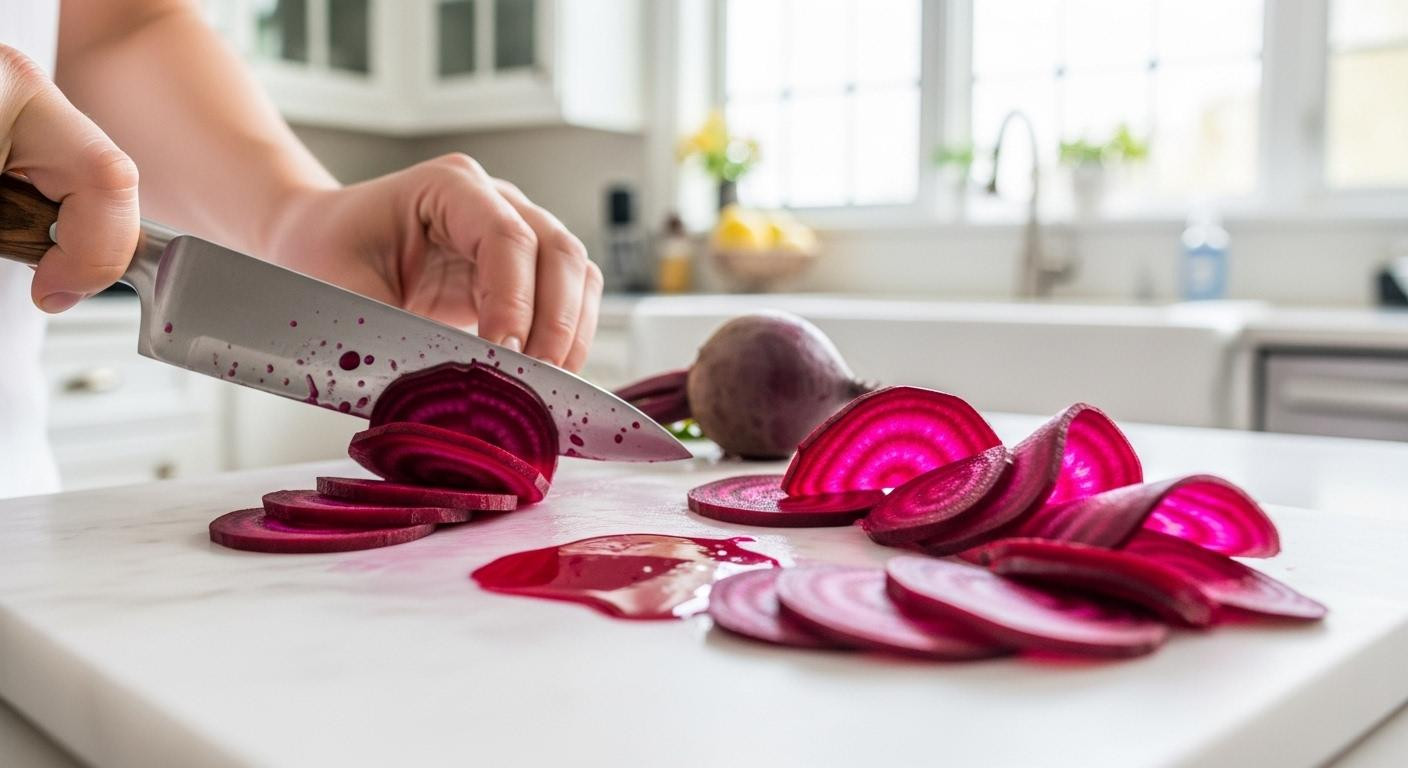
Seasonal pricing: $0.90-$2.50 per pound depending on region and source. Roast whole beets once weekly. Use across salads, smoothies, and warming soups for sustained benefits.
Carrots: cheapest fiber source, highest accessibility
Clinical dietitians emphasize carrots’ exceptional fiber-to-cost ratio for digestive health support. The resistant starch increases when cooled after cooking, feeding beneficial gut bacteria.
Value champion: 3-pound bags cost $1.50-$3 and provide 15+ servings. That’s $0.10-$0.20 per serving. No other vegetable matches this affordability for sustained fiber intake.
Your $12 weekly detox grocery list with meal breakdown
Strategic budget allocation maximizes therapeutic compounds across all five vegetables. One bunch kale costs $2 and provides 6 servings. Add 1 pound Brussels sprouts at $2.50 for 4 servings.
Centerpiece purchase: 1 butternut squash weighing 3 pounds costs $4 and yields 8 servings. Include 1 pound beets at $1.50 for 4 servings. Finish with 3 pounds carrots at $2 for 15 servings.
Total weekly cost: $12 delivering 37 servings of detox-supporting vegetables. Seven winter vegetables grandmother stretched into 12 meals using similar budget wisdom.
Three-day meal starter sequence begins with roasted butternut and kale soup. Blend 4 cups broth with roasted vegetables for warming, fiber-rich base. Day two features Brussels and beet tray bake with quick sauerkraut for probiotic synergy.
Day three introduces carrot-ginger smoothie. Warming spices boost digestion while delivering soluble fiber. Frozen alternatives maintain nutrients at 20-50% cost savings when fresh exceeds budget constraints.
What happens in your body over the coming weeks
Clinical observations show bloating relief within days as fiber restores healthy peristalsis. Prebiotics gradually shift microbiome diversity over the following weeks. Gradual inulin increases prevent gas buildup that destroys compliance.
By month’s end, sustained bile flow improvements emerge alongside liver enzyme optimization. Practitioners specializing in natural detox note sulforaphane’s cumulative effect on protective gene expression. These changes build over weeks, not hours.
Contrast this with juice cleanses producing temporary water weight loss. Fiber’s multisystem effects support the gut-liver-kidney axis sustainably. No restriction phase required. No metabolic slowdown afterward.
Your questions about 5 winter vegetables for low-budget detoxing answered
Can I eat these raw or must I cook them for detox benefits?
Functional medicine practitioners recommend light steaming for cruciferous vegetables. This reduces thyroid-affecting compounds while preserving sulforaphane pathways. Butternut squash and carrots become more digestible when roasted. Beets work equally well raw or cooked.
How do these compare to expensive detox teas and supplements?
Cost per serving reveals dramatic differences. Vegetables average $0.80 per serving versus detox teas at $3-$5 per cup. Supplements miss the complete nutrient matrix that whole foods provide. Fiber plus vitamins plus phytonutrients work synergistically in ways isolated compounds cannot replicate.
Are frozen vegetables as effective for detox as fresh options?
Nutrition research confirms flash-frozen vegetables maintain nutrient density comparable to fresh alternatives. Frozen options cost 20-50% less while eliminating spoilage waste. This makes year-round detox support accessible regardless of seasonal availability fluctuations.
December evening kitchen scene unfolds predictably. Steam rises from butternut soup simmering gently. Carrots roast golden at 400°F while Brussels sprouts glisten with olive oil. Your $12 grocery investment transforms into 37 servings of fiber-rich detox meals. No extreme restrictions required.