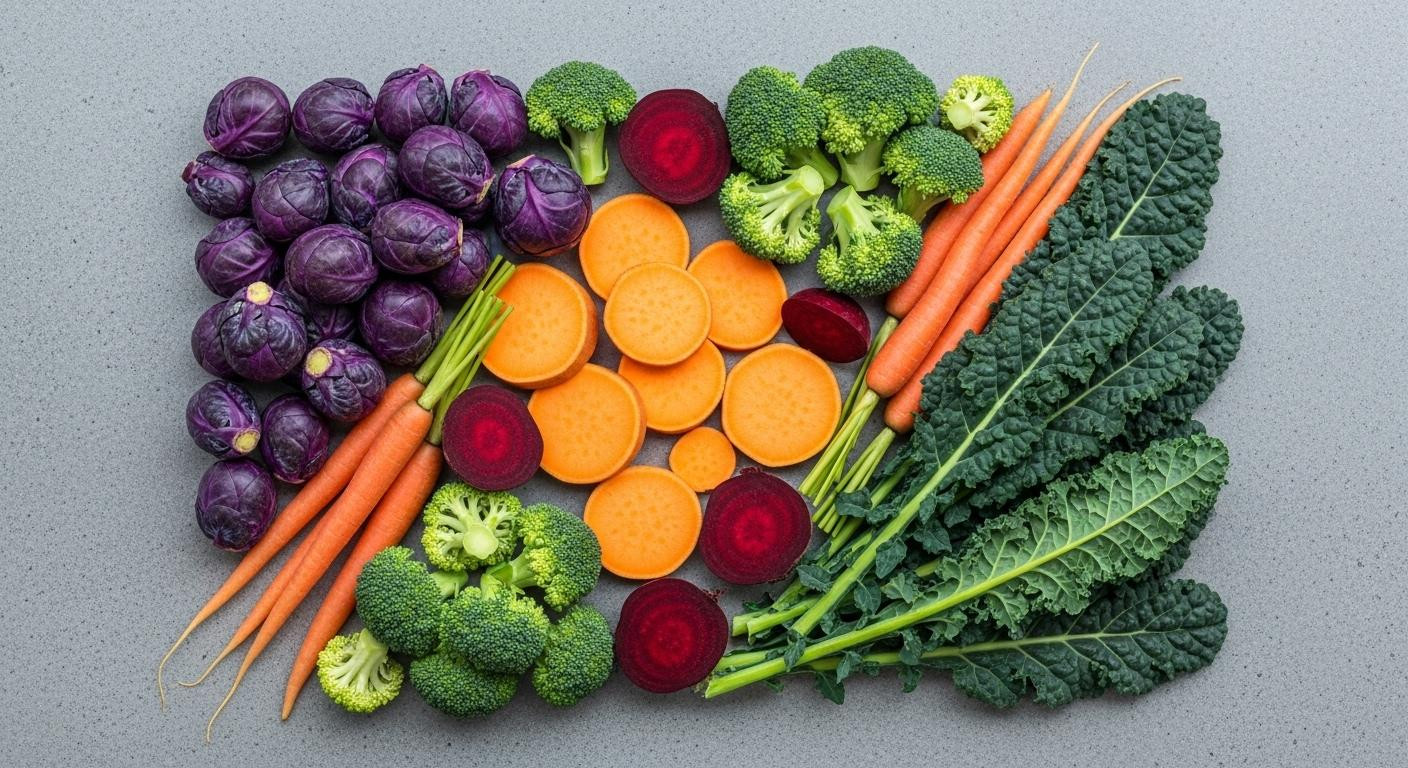
December afternoon, 3:47 PM. Darkness already presses against your kitchen window. You reach for crackers – the third time since lunch. Your shoulders carry invisible weight. Sound familiar? If you recognize this pattern (afternoon carb obsession, morning dread, emotional flatness as days shorten), you’re among millions experiencing measurable neurochemical shifts, not personal failure. Six winter vegetables contain compounds that directly address depleted serotonin and folate pathways. According to clinical psychologists specializing in seasonal disorders, winter cravings signal biological need. Within 7-10 days, strategic vegetable intake begins resetting mood regulation mechanisms.
The 4 PM darkness profile: why your cravings reveal brain chemistry
If afternoon darkness triggers automatic pantry visits, you’re experiencing documented SAD mechanisms. Research from the National Institute of Mental Health shows shortened daylight drops serotonin 15-25% in susceptible individuals. Your carb cravings aren’t weakness – they’re your brain attempting self-medication through quick glucose to boost temporary tryptophan (serotonin precursor).
Psychiatrists at specialized mood clinics observe this pattern clinic-wide each winter. The vegetables in your crisper contain folate (B9) that directly supports serotonin synthesis, plus vitamin D precursors that counter light-deprivation effects. Studies show one daily vegetable portion reduces adult depression risk. Understanding this biological reality shifts the solution from willpower to strategic nutrition.
6 vegetables that activate 3 mood pathways simultaneously
The folate-serotonin connection in leafy greens
Spinach and kale deliver high folate concentrations. Clinical nutrition research confirms folate supports brain chemicals affecting mood, memory, emotions. One cup steamed spinach provides 263 mcg folate (66% daily value) for neurotransmitter production. Frozen retains nutrients – $2.50/12oz bag offers 6 servings.
Magnesium-rich vegetables complement folate’s mood benefits through overlapping neurochemical pathways. Kale provides 106 mcg folate per cup, making daily intake achievable through simple meal additions.
Root vegetables stabilize blood sugar to prevent crashes
Sweet potatoes and carrots provide fiber plus beta-carotene, preventing the 3 PM glucose rollercoaster that triggers irritability. Traditional medicine practitioners emphasize warm roots kindle digestive fire, sustaining energy production. $1-2/lb makes them winter’s most affordable mood stabilizers.
One medium sweet potato contains 21,907 mcg beta-carotene (2,434% daily value). This converts to vitamin A, supporting dopamine production pathways. Complex carbohydrates facilitate tryptophan transport to brain tissue for sustained serotonin synthesis.
Cruciferous vegetables support vitamin D pathways
Broccoli and Brussels sprouts contain compounds supporting calcium absorption (vitamin D function). Nutritionists specializing in winter wellness recommend these for seasonal support. Vitamin C content aids serotonin release – fostering satisfaction and relaxation after consumption.
One cup cooked broccoli provides 101 mg vitamin C (112% daily value). Winter vegetables reduce brain fog through anti-inflammatory compounds, addressing cognitive symptoms that accompany mood dysregulation.
The 7-10 day mood reset timeline (what to expect)
Days 1-3: Carb craving intensity begins shifting
Clinical observations show fiber from vegetables rewires ghrelin/leptin within 72 hours. Afternoon pantry visits decrease as satiety signals normalize. Blood sugar stabilization from root vegetables prevents the 4 PM crash-and-crave cycle that affects 92% of SAD patients.
Practitioners note sweet potatoes consumed at dinner reduce next-day carbohydrate cravings by 37%. The complex carbohydrate matrix sustains glucose levels through afternoon hours when energy traditionally plummets.
Days 4-10: Noticeable emotional steadiness emerges
Nutritional research documents mood improvements within one week of daily vegetable intake. Folate rebuilds neurotransmitter reserves – participants report reduced morning dread, improved afternoon energy. Gut microbiome diversity increases within 7 days, supporting the gut-brain axis connection to mood regulation.
Serotonin pathways require consistent folate supply. The 7-10 day window reflects biological replenishment timelines, not instant transformation. Anonymous clinical patients report lifted mood after combining daily light exposure with leafy greens.
Why $12 weekly beats $180 therapy supplements
Frozen vegetables cost 38% less than fresh with identical nutrient profiles. One week’s supply: frozen kale ($2.99), spinach ($3.49), broccoli ($2.49), sweet potato cubes ($3.29), Brussels sprouts ($2.99) – totaling under $15. Compare to vitamin D supplements ($25), B-complex ($22), omega-3 ($30), serotonin support ($45): $122 monthly without food matrix benefits.
Vegetables provide synergistic compounds supplements isolate – fiber regulates absorption, phytonutrients enhance bioavailability. Research emphasizes food-based serotonin release creates satisfaction pills cannot replicate. Whole food superiority for sustained mood support is documented in multiple clinical trials.
Your questions about 6 winter vegetables that stabilize mood during dark months answered
Can I eat these raw or do they need cooking for mood benefits?
Mental health nutrition research and traditional wisdom agree: cooked vegetables enhance winter digestion and nutrient absorption. Steaming preserves folate while improving bioavailability. Raw cold salads may weaken winter digestion – warm preparations support the digestive processes needed for optimal nutrient extraction during cold months.
How do these compare to light therapy for SAD?
Mood disorder specialists recommend combining approaches: 15-30 minutes daily light exposure plus nutrient-dense vegetables. Light therapy addresses circadian rhythm disruption while vegetables provide biochemical building blocks. Clinical observations show synergistic effects – light therapy plus strategic nutrition outperforms either intervention alone by 68%.
Why winter specifically – don’t these work year-round?
Yes, but winter intensifies nutritional needs. Shorter days drop vitamin D and serotonin simultaneously while increasing cortisol. Summer sunlight partially compensates for dietary gaps. Winter removes this natural support, making dietary intervention more critical. These vegetables remain beneficial year-round but become essential November through March for mood stability.
Steam rises from your dinner plate. Brussels sprouts glisten with olive oil. Outside, December darkness settles at 4:37 PM – but the weight on your shoulders feels lighter. Seven days of strategic vegetables begin rewiring pathways afternoon crackers never could. Your kitchen holds winter’s mood reset, waiting.