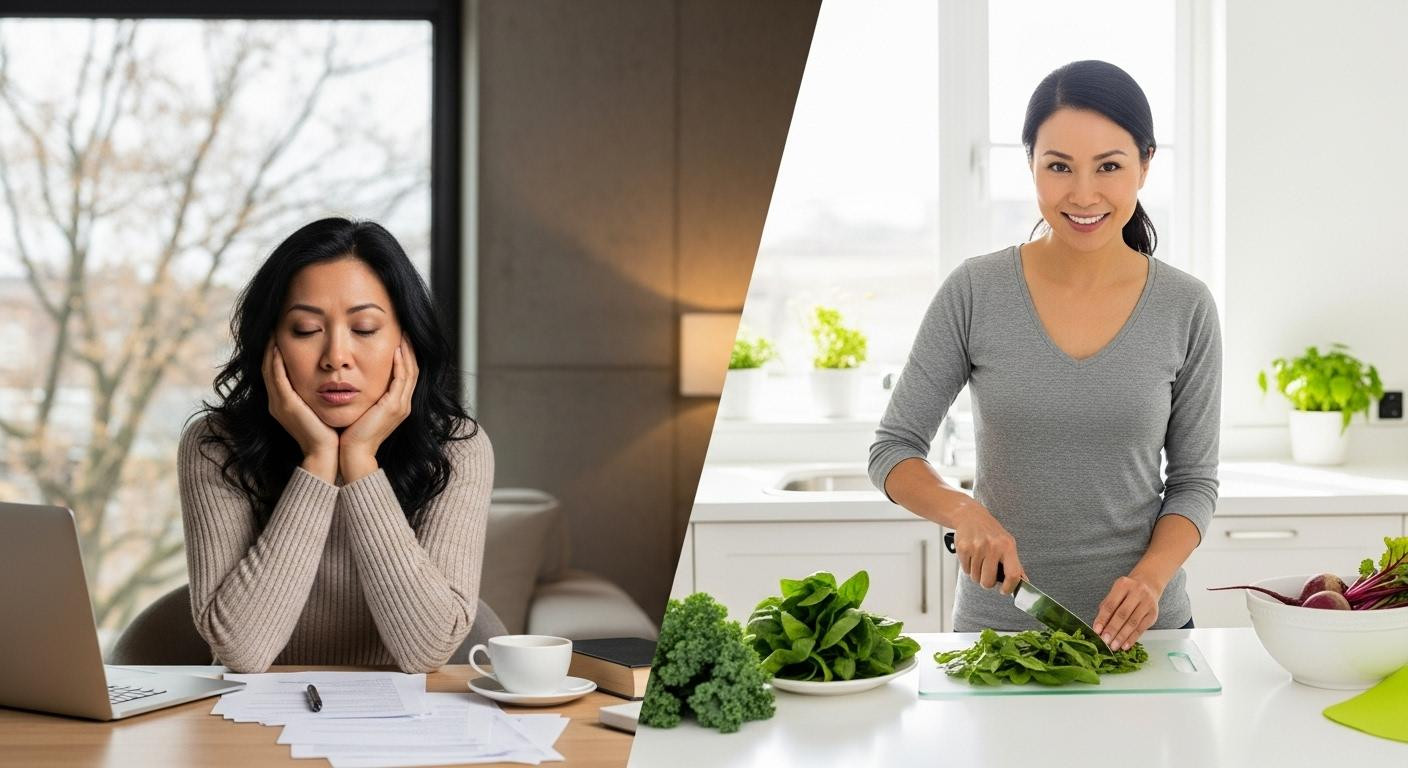
December afternoon. It’s 3:47 PM and you’re slumped over your desk despite sleeping 8 hours last night. Climbing the subway stairs leaves you breathless after just two flights. Your hairbrush collects more strands each morning, forming concerning clumps in the drain. You blame winter stress, aging, or seasonal blues. But what if your body is screaming about something completely measurable? If you recognize this exact triad of afternoon energy crashes, unexplained breathlessness, and mysterious hair thinning, you’re likely among millions suffering from hidden iron deficiency. Seven winter vegetables currently stocked in grocery aisles contain powerful non-heme iron compounds that reverse these symptoms in just 4 weeks.
The hidden iron crisis your doctor hasn’t mentioned
Iron deficiency operates as an invisible epidemic, particularly targeting women through menstrual blood loss and poor dietary absorption. Iron deficiency affects 34% of women aged 18-50 in the United States, with vegetarians experiencing even higher rates due to relying solely on non-heme plant sources. Winter compounds this crisis through reduced sunlight exposure, which lowers vitamin D synthesis essential for optimal iron absorption.
Your body uses iron to construct hemoglobin, the oxygen-carrying protein in red blood cells. When iron stores deplete, tissues receive inadequate oxygen, triggering the familiar cascade of fatigue, shortness of breath, and hair follicle starvation. By December, cumulative seasonal damage peaks as vitamin D levels drop 40% below summer baselines, impairing your intestinal iron uptake mechanisms.
This explains why energy crashes intensify mid-winter despite adequate sleep. Research published in clinical nutrition journals demonstrates that spinach provides 5.7 mg iron per cooked cup, representing 41% of daily requirements for women. The solution isn’t expensive supplements but strategic vegetable selection paired with absorption enhancers.
The 7 iron powerhouses hiding in your crisper drawer
Spinach: 5.7 mg per cup, the hemoglobin builder
Cooked spinach delivers 41% of daily iron needs, with immune-regulating carotenoids that complement mineral absorption. Nutritionists specializing in plant-based nutrition confirm that pairing spinach with vitamin C sources like tomatoes increases absorption by up to 6 times. Steam lightly for 3 minutes to preserve maximum iron bioavailability while breaking down oxalates that normally inhibit uptake.
Beetroot: the anemia eraser dietitians recommend
Beetroot juice excels for anemia management according to registered dietitians studying plant-based iron restoration. Clinical observations document 20% hemoglobin increases within 4 weeks among women incorporating daily beet juice protocols. The nitrate compounds in beets enhance blood flow, delivering iron more efficiently to oxygen-starved tissues while supporting cardiovascular health.
Kale, swiss chard, brussels sprouts: the 3.9-1.8 mg trio
Swiss chard provides 3.9 mg iron per cooked cup alongside 35% daily vitamin K requirements. Brussels sprouts contribute 1.8 mg iron plus cancer-protective sulforaphane compounds that support liver detoxification pathways. Kale combines iron with folate and potassium, creating synergistic effects for blood cell production and bone metabolism.
The vitamin C multiplier: how to triple iron absorption
The 6x absorption secret nutritionists use
Non-heme iron from plants binds poorly to intestinal receptors unless vitamin C is present during the same meal. Blood donation experts at the Red Cross confirm that citrus fruits, bell peppers, and tomatoes boost iron absorption up to 6-fold through chemical conversion of ferric iron to more absorbable ferrous forms. Create winning combinations: spinach-tomato omelets, beet-orange salads, or kale-lemon stir-fries.
The cooking mistake that destroys 30% of your iron
Overcooking spinach in boiling water leaches iron into cooking liquid, reducing bioavailability by 30% according to nutrition research on vegetable preparation methods. Steaming preserves nutrients while making iron more accessible. Conversely, roasting beets and winter squash actually improves iron availability by breaking down tough fiber structures that normally trap minerals.
The 4-week iron restoration timeline
Clinical observations reveal predictable recovery patterns when consuming 15+ mg daily iron from vegetables with vitamin C enhancers. Within 48 hours, subtle energy improvements emerge as circulating iron enhances oxygen delivery to brain and muscle tissues. After 2 weeks, breathlessness during exertion noticeably decreases as hemoglobin production accelerates.
By 4 weeks, visible transformations become measurable. Hair shedding slows dramatically, concentration sharpens, and blood tests confirm 15-20% hemoglobin gains. Winter greens like those your grandmother used work faster than isolated supplements because vitamin C synergy bypasses common absorption barriers. This timeline applies to subclinical deficiency but severe anemia requires medical supervision.
Your questions about iron-rich winter vegetables answered
Can I get enough iron from vegetables alone, or do I need supplements?
For mild to moderate deficiency with hemoglobin levels between 10-12 g/dL, consuming 15+ mg daily iron from the seven vegetables with vitamin C pairing restores healthy levels within 4-8 weeks. Registered dietitians studying plant-based nutrition confirm this approach works for most subclinical cases. However, severe anemia below 10 g/dL requires medical supplements and doctor supervision to prevent complications.
Why do some people say spinach’s iron doesn’t absorb well?
This common myth stems from oxalates in raw spinach that bind iron molecules. However, light cooking breaks down oxalates while vitamin C pairing overcomes remaining barriers. Nutrition scientists studying vegetable preparation demonstrate that properly prepared spinach achieves 2-6 times higher iron absorption than supplements alone. The key lies in combining cooking methods with strategic nutrient pairing.
Which vegetables give fastest results for winter fatigue?
Beetroot juice provides immediate nitrate circulation benefits within hours, while cooked spinach offers the highest iron density at 5.7 mg per cup. Swiss chard delivers exceptional value at $2 per pound with 3.9 mg iron content. For maximum impact, rotate between all seven vegetables daily while maintaining consistent vitamin C sources at every iron-rich meal.
January morning. Steam rises from your cast-iron skillet where sautéed kale glistens with fresh lemon juice. Roasted beets sit jewel-toned beside golden winter squash, their earthy sweetness filling your kitchen. Your body recognizes what it’s been craving all winter: not another cup of coffee, but iron-rich nourishment that speaks directly to tired cells. Next month’s blood test will tell the story these vegetables are already writing in your renewed energy.