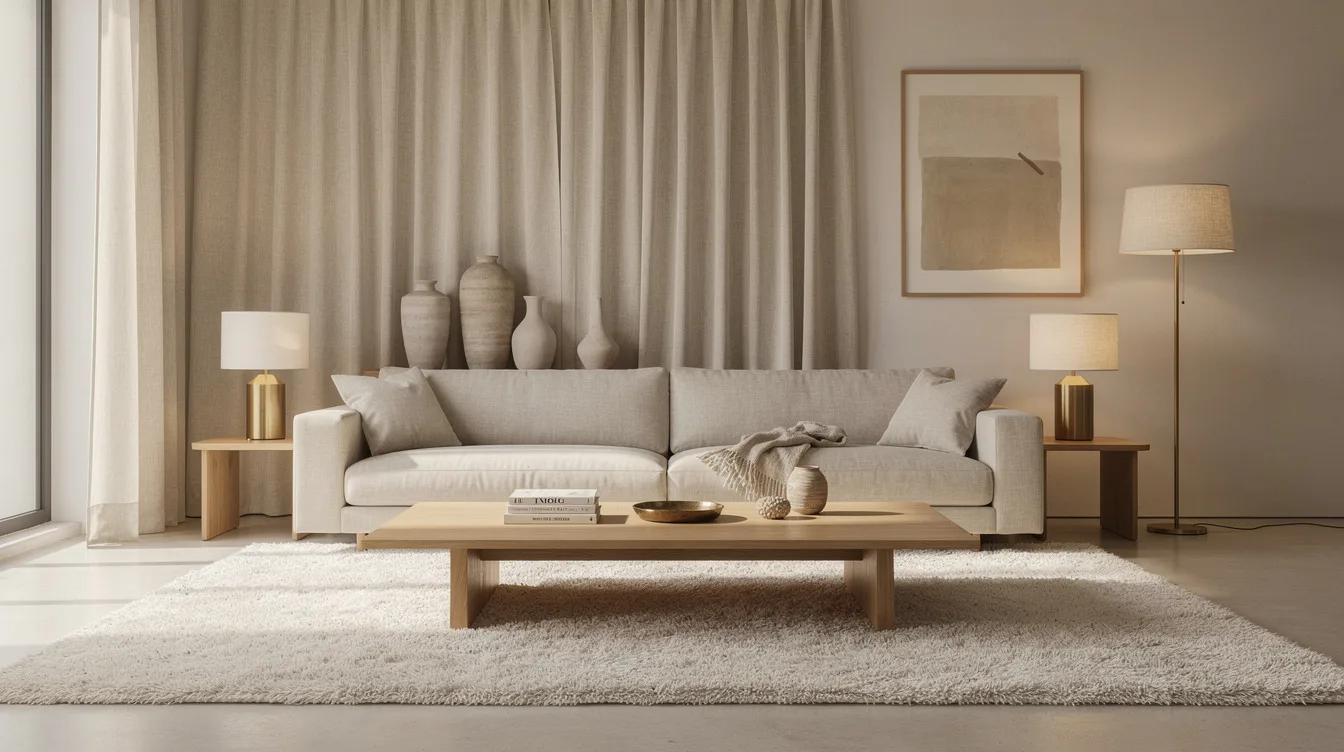
I can always tell when a living room was bought in one rushed weekend. The sofa is too small, the overhead light is doing all the work, and every surface has a few random objects that never settle the room down.
The good news is that a gorgeous living room usually isn’t about buying more. In most average spaces, around 12 by 16 feet or 14 by 18 feet, it comes from better scale, warmer materials, and lighting that makes the room feel lived in by 7 p.m.
Anchor the Room With a Low, Long Sofa
The fastest way to make a living room look more expensive is to stop undersizing the sofa. In an average 12-by-16-foot room, a IKEA VIMLE sofa around 89 to 92 inches wide usually looks right, and a typical price lands around $800 to $1,050.
I like a low profile with broad arms because it calms the whole room down. A tiny loveseat plus extra side chairs usually makes the layout feel busier, not better.
If your room is closer to 13 by 18 feet, a sectional can work, but keep the silhouette simple. Warm beige or soft greige fabric reads current, while bright optic white upholstery still feels too showroom for real life.
Layer Neutrals So the Room Doesn’t Go Flat
A gorgeous neutral living room needs contrast in texture, not more color. Start with oatmeal linen, nubby boucle, light oak, and one darker note like walnut or aged brass.
This is where a rug does the heavy lifting. A Wayfair wool-blend rug in an 8-by-10 size typically runs about $180 to $350, and it gives the room the soft depth that bare floors never will.
I’d rather see two excellent textures than six random accents. One chunky throw, two dense pillows, and a woven shade beat a pile of shiny decor every time.
Bring In Wood and Stone at Coffee-Table Level
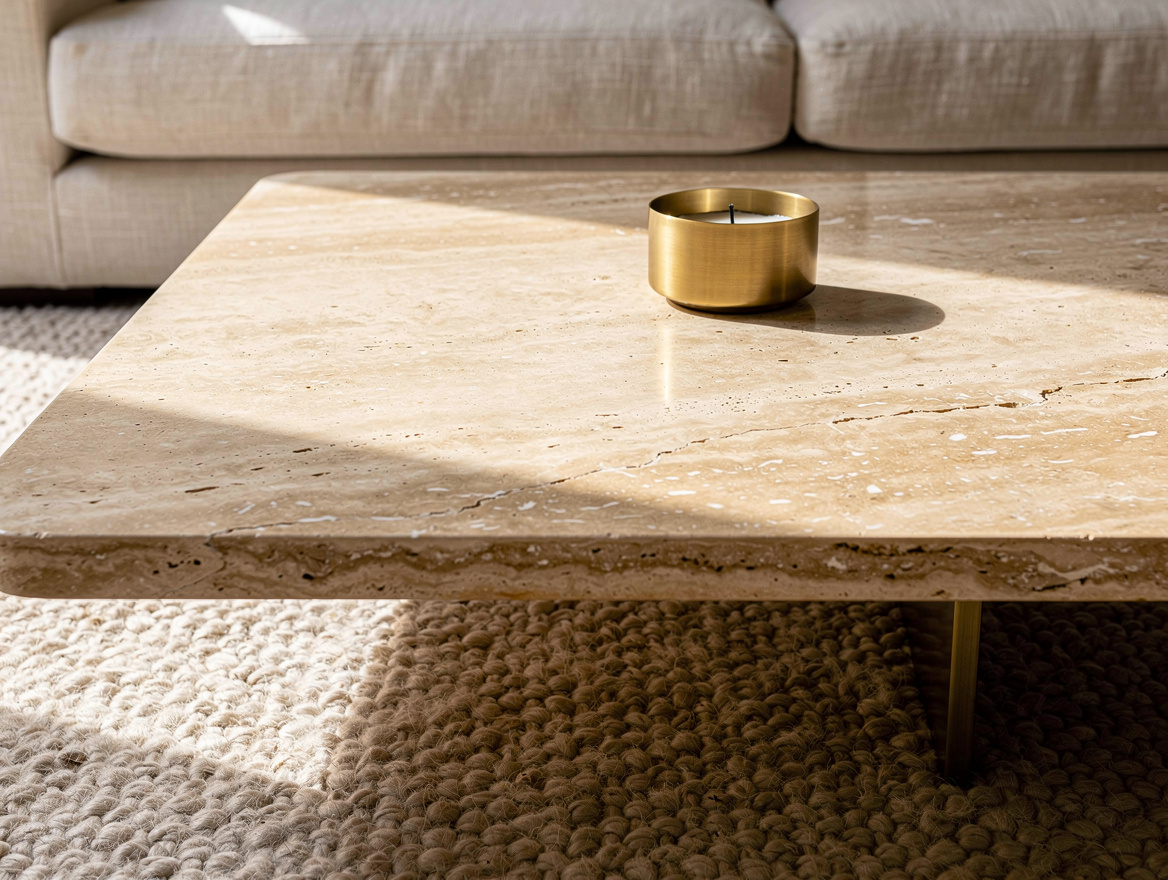
Eye level gets all the attention, but the middle of the room is where a living room either looks grounded or cheap. A wood coffee table around 48 by 24 inches, or a round 36- to 40-inch version, usually fits better than the tiny accent tables people buy in a panic.
For a warmer minimalist look, I’d choose oak over high-gloss black glass without hesitation. At Target or Wayfair, a solid-looking wood or faux-stone coffee table usually falls in the $140 to $350 range, which is enough to change the room’s entire center of gravity.
If you want the organic-modern look, this is the spot to fake luxury well. A travertine-look table or a pale stone tray adds weight and character without forcing a full renovation budget.
Color-Drench One Zone Instead of the Entire House
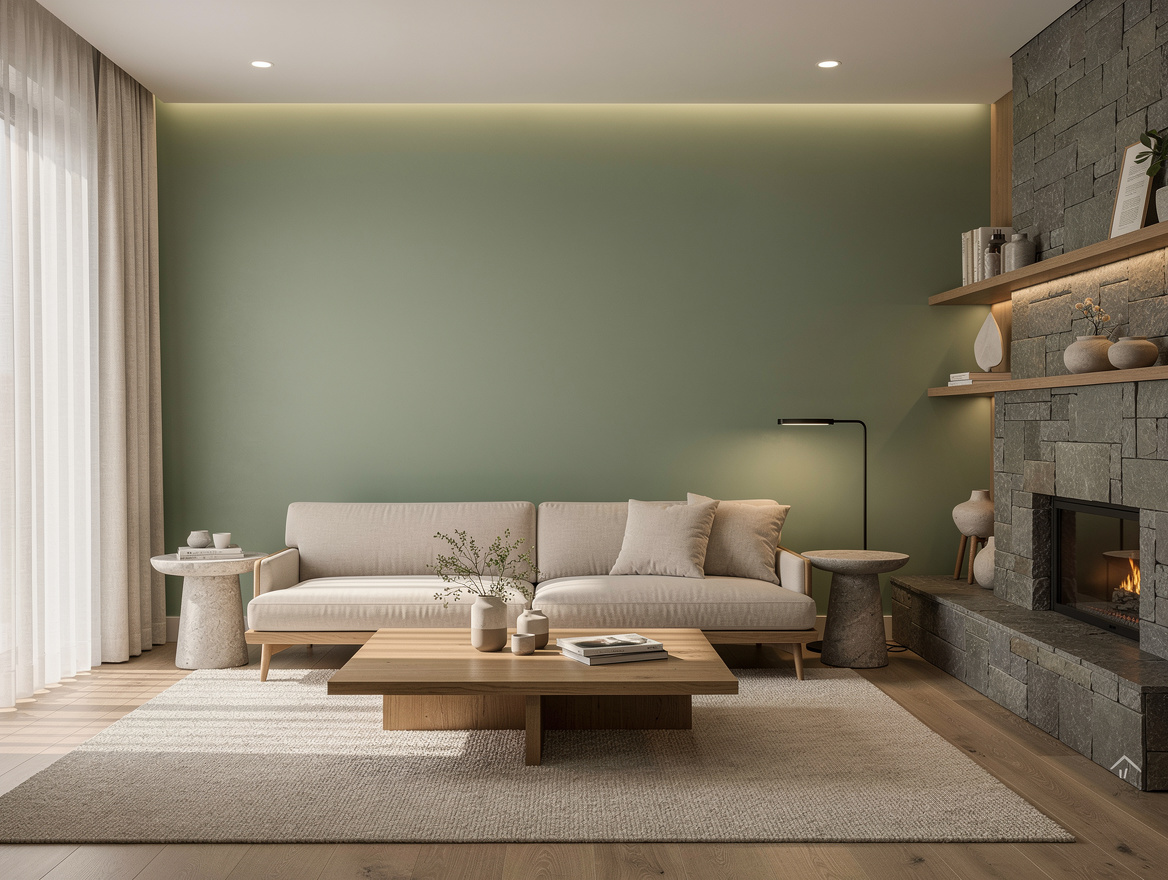
Color drenching works because it removes visual chop. In a living room, the smartest version is usually one wrapped zone, the walls, trim, and built-in shelving in the same muted tone, not every room in the house painted like a theater set.
A warm sage, clay beige, or deep blue from Home Depot or Lowe’s typically costs about $35 to $70 per gallon, and one accent wall project often changes more than a cart full of accessories. I think soft earthy paint looks better than cool gray now, full stop.
If you rent, fake the effect with a large art grouping and tonal textiles. A Target curtain panel set in flax or tobacco can do more for mood than another framed quote ever could.
Light the Room at Three Heights
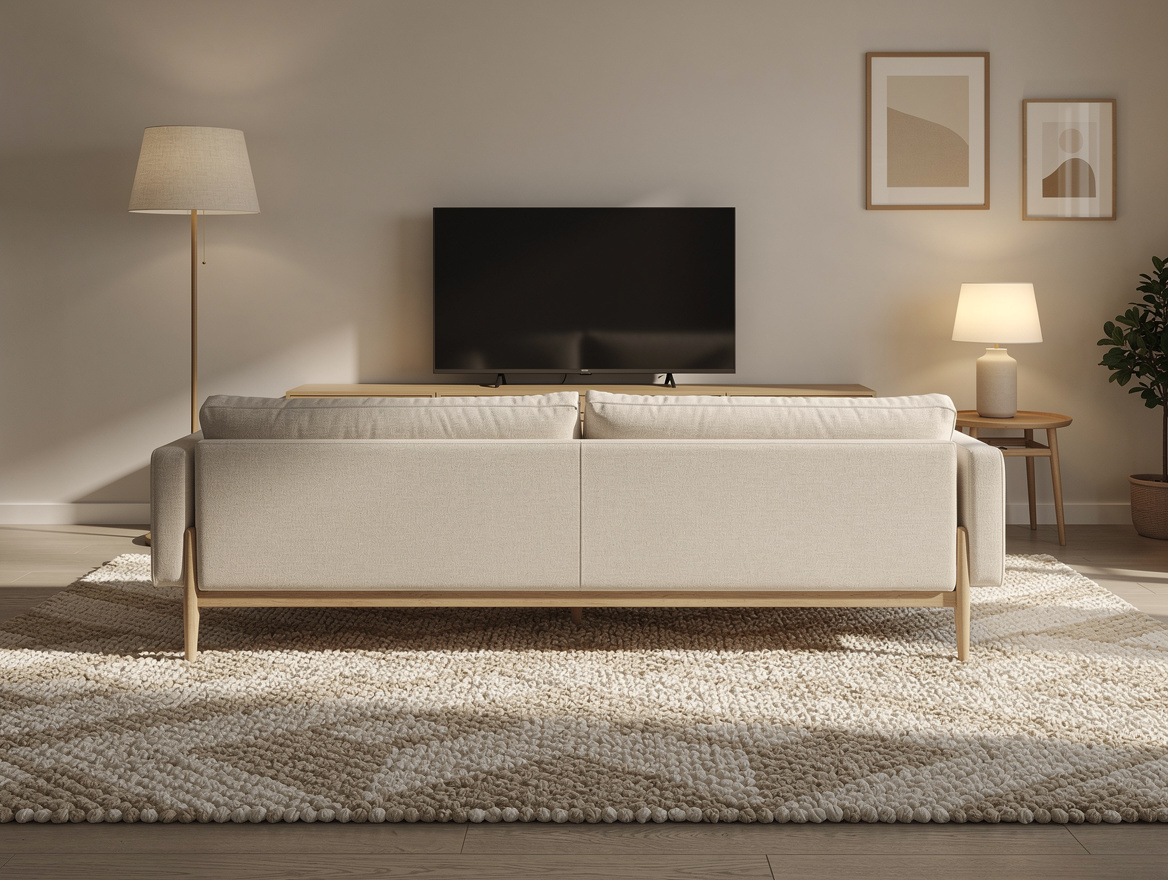
Pretty rooms die under one bright ceiling fixture. The gorgeous version uses layered lighting, usually a floor lamp, a table lamp, and a small accent source like a shelf light or cordless lamp.
An IKEA floor lamp is often $70 to $130, and an Amazon table lamp can be another $40 to $90, which means this upgrade is cheaper than replacing a sofa and more obvious at night. Warm bulbs around 2700K are the move, because blue-white light makes beige upholstery look tired.
I also like dimmable bulbs in the living room even when the rest of the home is basic. Smart lighting sounds fussy, but it’s one of the few upgrades that actually earns the hype.
Edit Down to Fewer, Bigger Pieces
The rooms that photograph well usually have less stuff than you think. Instead of five tiny wall items and three little baskets, use one oversized mirror, one substantial plant, and one real side table with some weight to it.
This is especially true in average apartment living rooms, where 160 to 220 square feet is common. A BESTÅ media unit from IKEA in a 70- to 94-inch span, typically about $280 to $500 depending on doors and configuration, looks cleaner than mixing narrow shelves that never quite align.
Decor should support the room, not audition for attention. A brass candle holder, a stack of large books, a ceramic bowl, done, while crowded open shelving almost always cheapens the view.
Finish With Fabric That Looks Lived In
The last layer is what keeps a gorgeous living room from feeling stiff. I’d use linen-blend curtains hung high, a soft throw with visible texture, and pillows that look full instead of flattened.
At Amazon, Target, or Walmart, full-length curtain panels are often $30 to $80 a pair, and that’s one of the best low-cost upgrades in the whole room. Panels should skim the floor, because short curtains still make a room look undersized.
Skip seasonal pillow chaos and keep the palette tight. Sand, rust, olive, charcoal, maybe one stripe, that’s enough to make the room feel layered and current without turning the sofa into a sample board.
Start with the three pieces that change the room fastest: the rug, the lamps, and the coffee table. Once those feel warm and properly sized, the rest of the space gets much easier to finish without wasting money.
Mia Carter writes about small-space living and budget home makeovers. She has restyled three rentals and tests most ideas in her own 45 sqm flat.