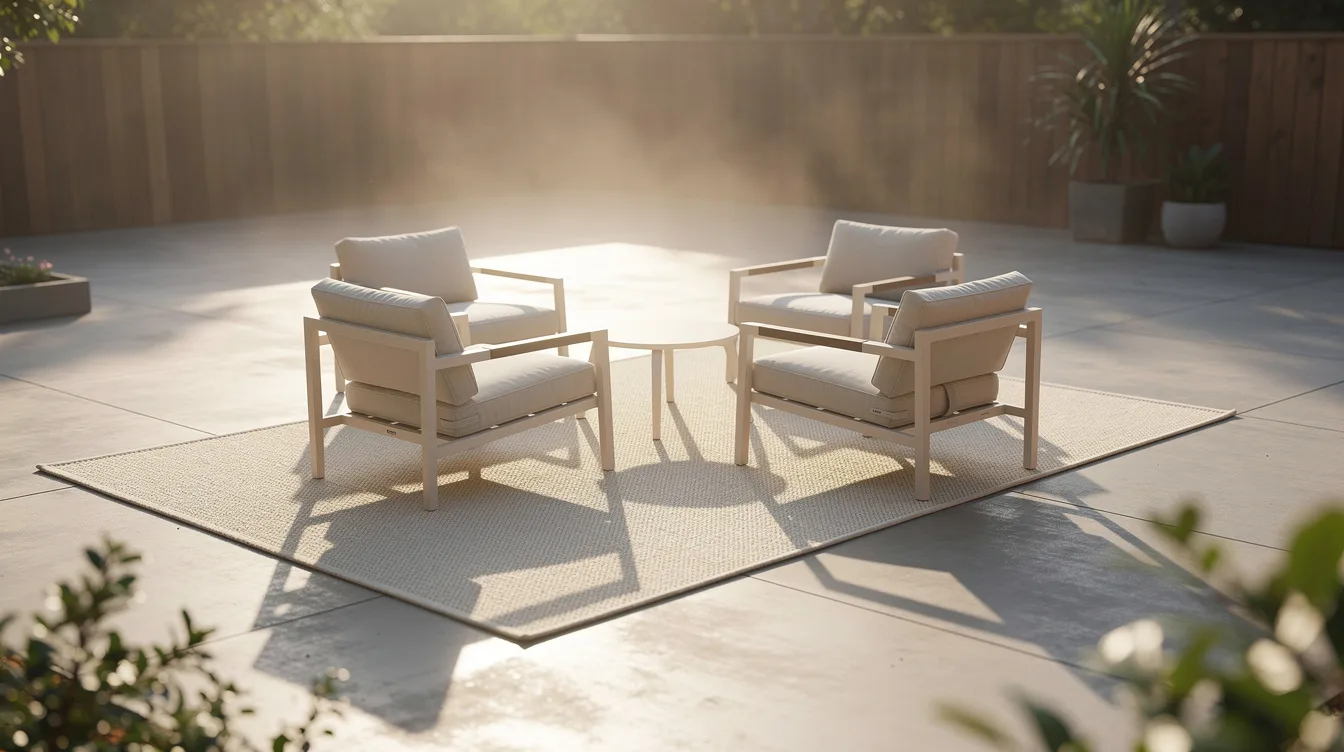
By July, my patio floor gets hot enough that I stop walking across it barefoot. The rug is usually the first thing to show it, faded corners, dusty fibers, and that gritty feel that sticks to your feet after one windy afternoon.
If you live with full sun, dry heat, or a pool area that never really stays clean, the wrong rug turns into a chore fast. The good news is that a flatweave polypropylene rug can take a lot more abuse than the prettier options people buy on impulse.
Start With Heat-Proof Fibers
For hot climates, I’d start with polypropylene or polyester every time. They handle UV, dry quickly, and don’t hold onto dirt the way heavier woven indoor-outdoor blends often do.
Polypropylene, also called olefin, is the safest bet for a sunny patio because it’s non-absorbent and easy to hose down hard. Polyester also works well, especially near a pool, but it can hold a little more moisture depending on the weave.
If you want a softer feel, solution-dyed acrylic is a valid upgrade, but it’s usually pricier and I wouldn’t choose it for the highest-traffic zone first. I’d skip jute, sisal, and bargain nylon in full sun, they fade, stay damp, or get rough in ways that feel old too quickly.
Pick a Flatweave That Won’t Trap Heat
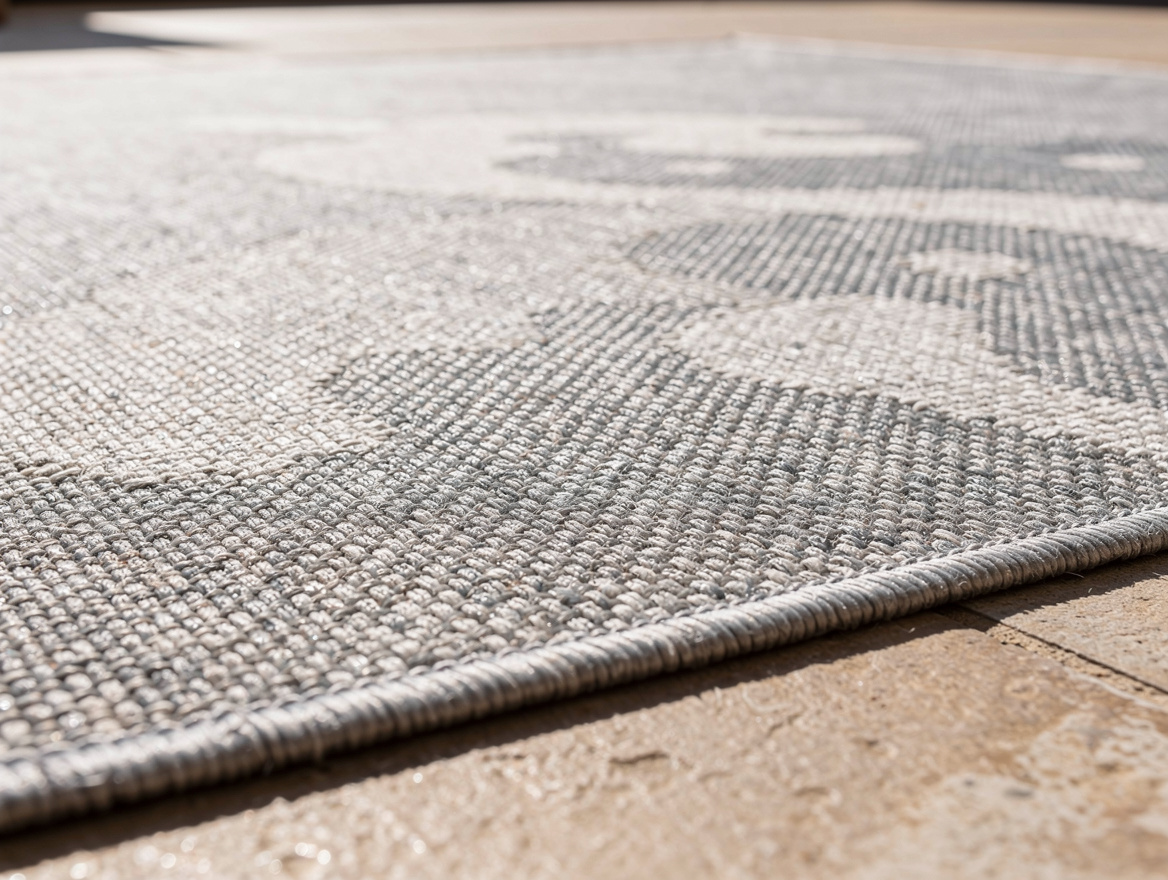
The weave matters almost as much as the fiber. A flatweave outdoor rug stays lower, dries faster, and doesn’t collect debris in the pile, which is exactly what you want when dust, pollen, and leaves show up every day.
I also think dark rugs are a bad move in extreme heat unless the space is shaded most of the day. A light gray rug, sand-colored rug, or faded blue rug stays more comfortable underfoot and usually hides dust better than bright white.
At Wayfair, Home Depot, and Amazon, a typical 5×7 outdoor rug in flatweave polypropylene lands around $90 to $180. An average 8×10 outdoor rug usually sits closer to $170 to $350, depending on pattern density and border detailing.
Size It for the Zone You Actually Use
People often buy too small, then the whole setup looks accidental. For a conversation area, a 5×7 rug works under two chairs and a small coffee table, but an 8×10 rug usually makes a patio feel finished instead of pieced together.
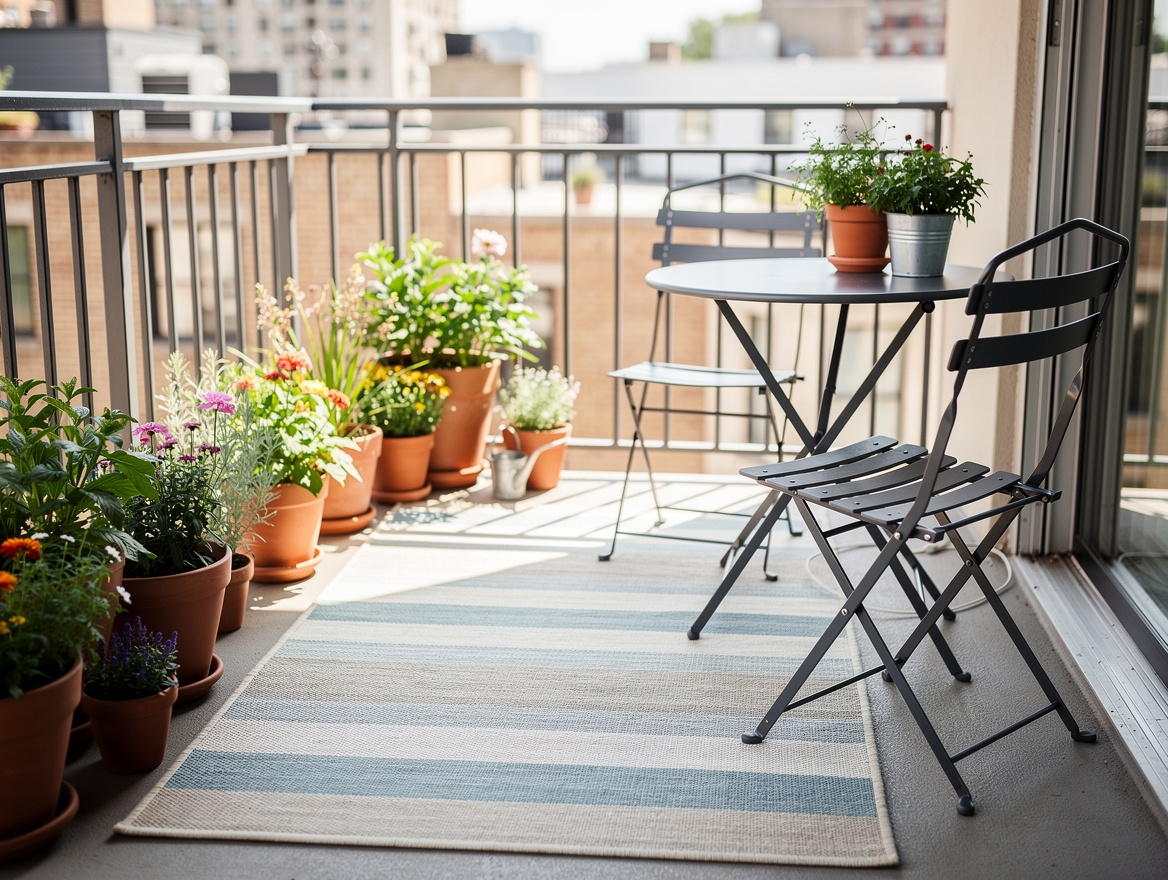
On a balcony, I like a runner rug or a narrow 3×5 rug because it leaves breathing room around planters and chair legs. Near a dining set, a larger 9×12 rug is worth it if you have the space, chairs scrape less awkwardly on a low flatweave than on textured loops.
Target and Walmart are good for smaller formats if you’re testing the look before spending more. For bigger sizes, Wayfair and Home Depot usually give you a better range of 8×10 rugs and runner rugs that are actually made for outdoor heat.
Use Pattern and Color to Hide Real Life
A hot-climate rug should not be precious. I’d rather buy a geometric rug or a soft border-pattern rug in taupe, slate, or faded blue than a solid cream rug that starts looking dingy after two weekends.
The best options mimic the look of natural fiber without using actual jute-look polypropylene. That texture gives you the relaxed look people want outdoors, but it cleans like plastic, which is a compliment in this category.
IKEA and Amazon sometimes have the easiest low-contrast patterns for modern patios, while Lowe’s and Home Depot often carry more classic lattice and stripe designs. I’d avoid highly saturated black or navy in a sun-blasted yard, they can feel hotter and show fading sooner.
Choose Washable Options for Dust, Pets, and Pools
If your space gets constant sand, dog hair, or splash marks, go practical and don’t apologize for it. A washable outdoor rug or a very thin polyester outdoor rug is easier to live with than a thicker decorative style that never fully looks clean again.
At Target, Amazon, and Wayfair, machine-washable or easy-rinse outdoor rugs in the mid-size range typically run about $170 to $280. Larger washable formats can reach roughly $280 to $450, which sounds high until you compare it with replacing a cheaper rug every season.
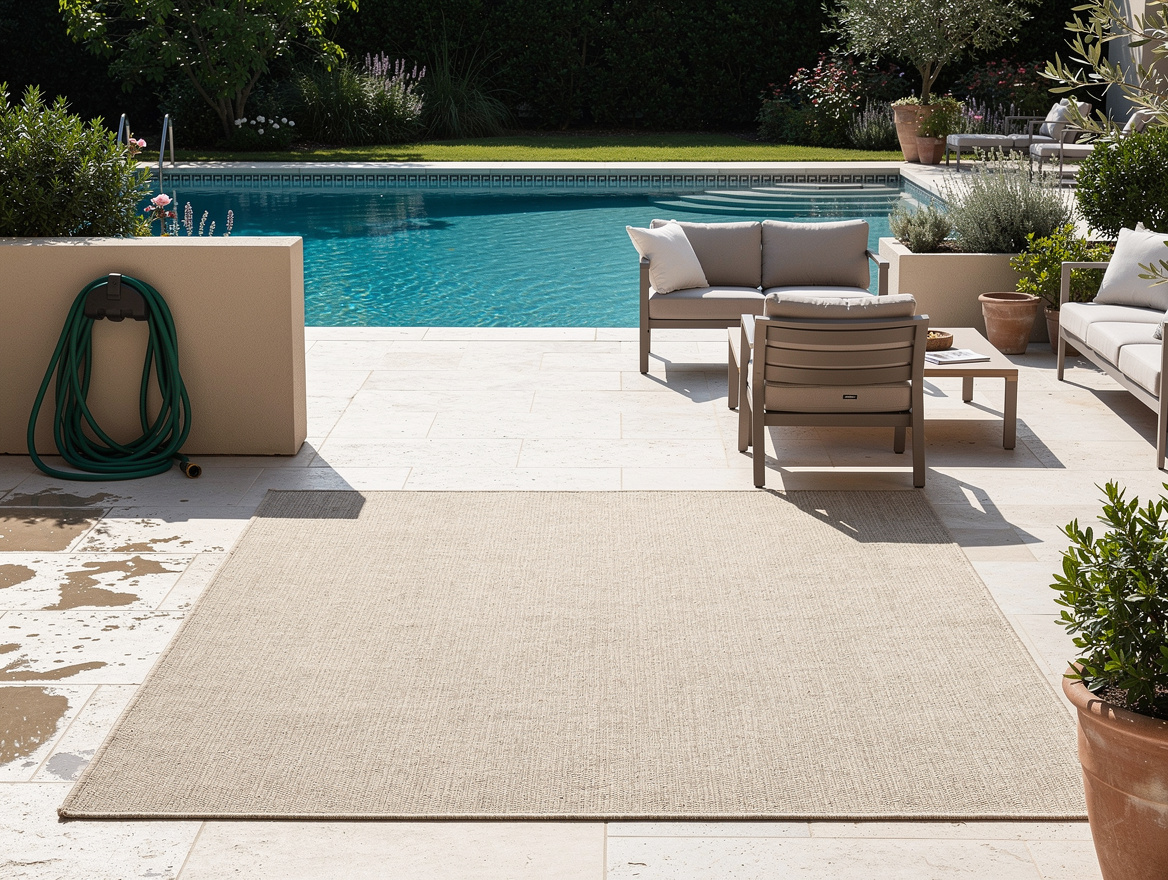
For pool decks or humid heat, I’d lean toward polyester only if the rug is clearly built to dry fast and stay low-profile. Otherwise, polypropylene still wins because it sheds water, dirt, and mildew risk with less fuss.
Clean It Before It Looks Too Far Gone
The easiest routine is also the one people skip: shake or sweep the rug once a week, then hose it down every couple of weeks in peak season. A quick rinse keeps dust from settling so deeply that the rug starts feeling crunchy.
For a deeper clean, I use mild dish soap, warm water, and a soft brush. Scrub the dirty areas, hose thoroughly, and let the rug dry flat in direct sun, a polypropylene rug usually dries fast enough that you can put furniture back the same day.
Don’t overdo heavy cleaners or bleach unless the manufacturer explicitly says it’s safe. Even a durable outdoor rug can lose color faster if you treat every stain like a chemistry project.
One more thing that actually matters: rotate the rug every month or so if one side gets hammered by afternoon sun. That simple step keeps fading more even, and it makes a mid-priced Wayfair rug or Home Depot rug look better for longer.
Begin with the material, not the pattern. Buy a 5×7 flatweave polypropylene rug in a light tone, hose it weekly, and you’ll know within a month whether your space needs bigger scale or just better upkeep.
Mia Carter writes about small-space living and budget home makeovers. She has restyled three rentals and tests most ideas in her own 45 sqm flat.