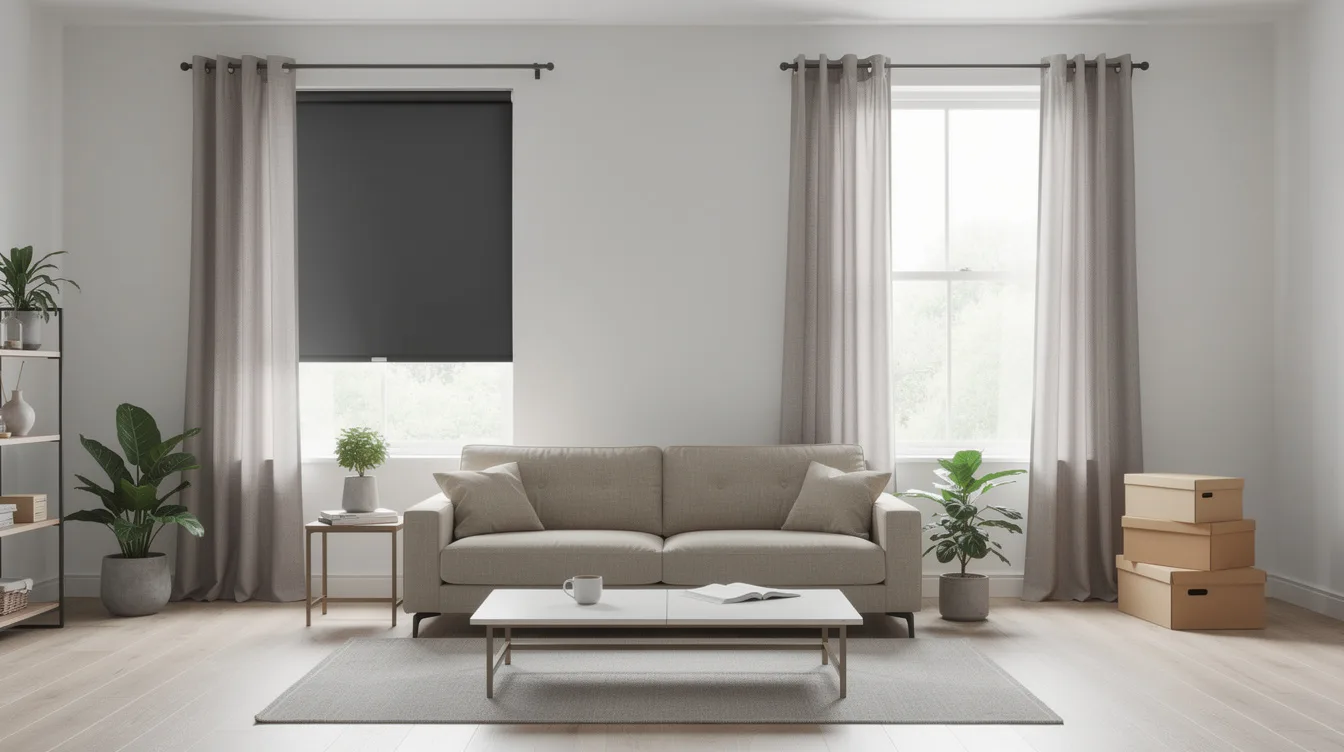
My least favorite rental problem is the 4 p.m. Sun that lands right on the couch, heats the floor, and makes one window feel like a space heater. I also hate buying window fixes that only work in one apartment and turn into junk on moving day.
The good news is that the fastest shade solutions are the ones that stay light, fold flat, and skip screws. I’d build around four portable families: blackout travel shades, tension-rod curtains, adhesive curtain setups, and portable outdoor shade.
Start by measuring the light, not just the window
Before you buy anything, check where the sun actually hits: lower sash, full glass, or a sliding door that turns the room hot by late afternoon. That tells you whether a small 40 x 57 inch blackout panel is enough or whether you need a taller temporary shade closer to 57 x 79 inches or more.
I also measure the inside recess before I buy a tension rod. A standard adjustable range like 48 to 84 inches covers a lot of rental windows, but a bad fit is what makes no-drill setups feel flimsy.
Use portable blackout panels when heat control matters most
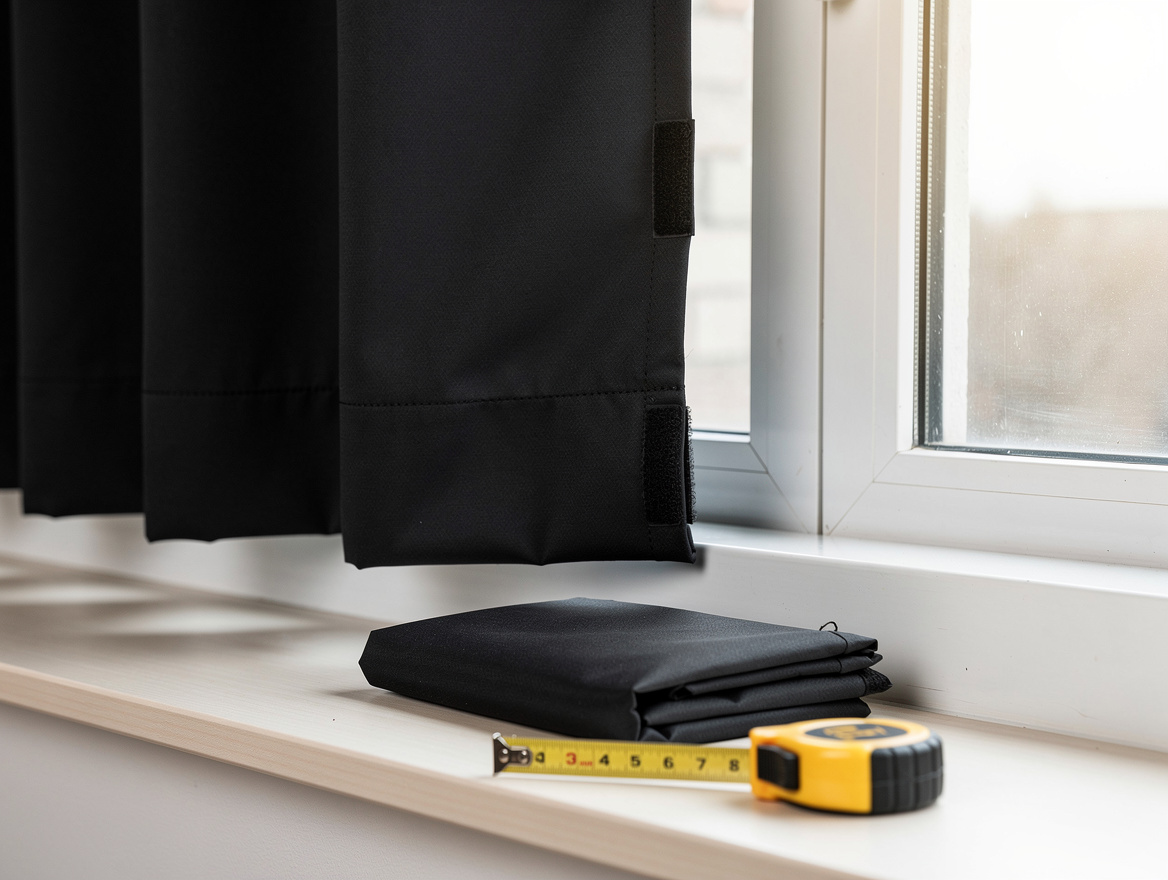
For bedrooms, nurseries, or a rental with thin blinds, I’d start with a polyester blackout shade from Amazon. The common travel-size format is about 40 x 57 inches, usually with hook-and-loop tabs around the edges, and the typical 2026 price sits around $10 to $20 per panel.
This is the fastest option I know, usually 3 to 5 minutes per window once you’ve cut or positioned it. It’s not the prettiest finish in daylight, but it works better than most decorative fixes when you genuinely need darkness and less heat.
For a larger opening, I’d skip patching together two small pieces and buy one bigger temporary blind instead. The larger versions around 79 x 57 inches, sometimes offered in heights up to 138 inches, usually run about $20 to $35, and that’s still cheaper than buying permanent hardware for a place you may leave in a year.
Choose tension rods when you want the room to look finished
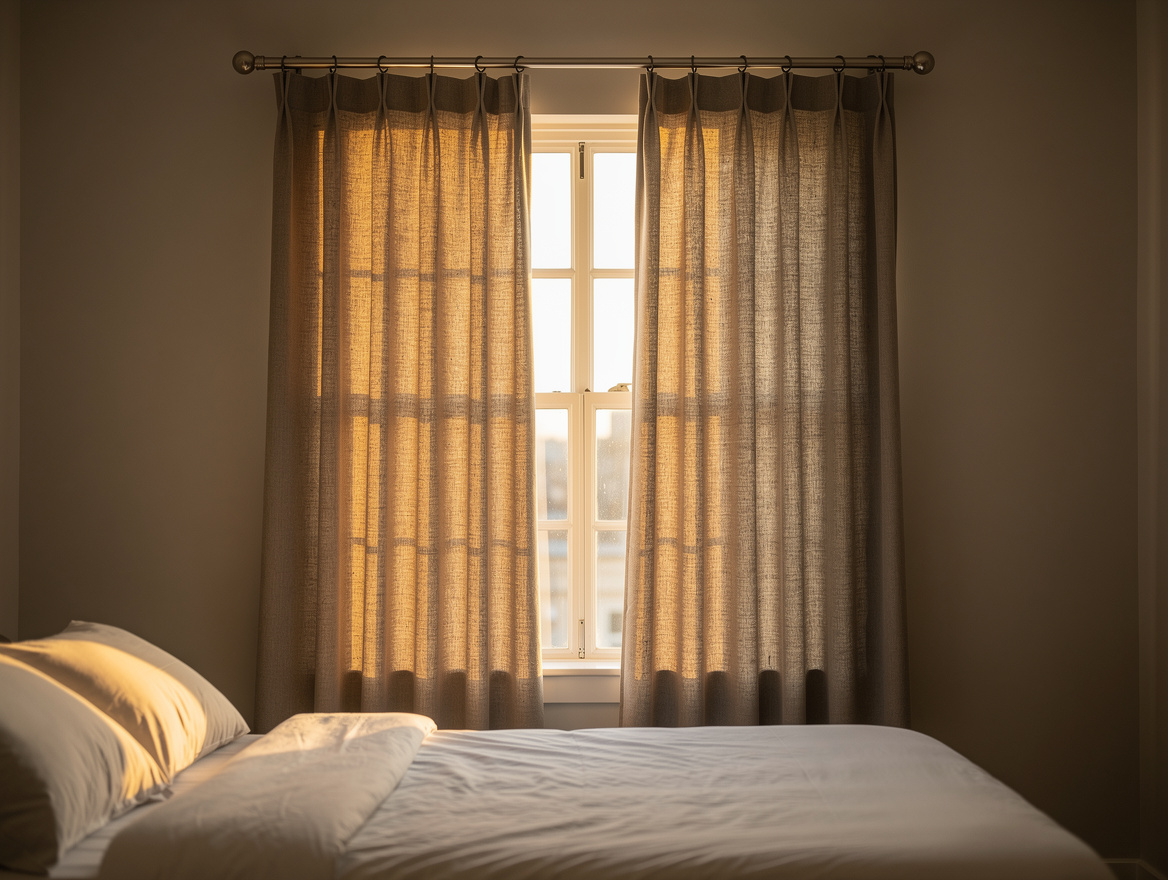
If you want shade that reads like real decor, a steel tension rod is the cleanest move. Basic models from Amazon and similar big-box options usually land in the $10 to $25 range, and the rubber end caps are what keep the setup renter-safe.
Pair the rod with blackout curtain panels in a standard size like 52 inches wide by 84 inches high. A basic pair typically costs $20 to $50, and I think this is the best middle ground if you want privacy, softer light, and something that still looks normal on video calls.
I’d only avoid this route for extra-wide sliders or windows with shallow trim. In a standard bedroom or office, twist-and-lock installation takes a couple of minutes and packs down just as fast when it’s time to move.
Try adhesive curtain setups for awkward doors and shallow frames
Some rentals make tension rods annoying, especially on French doors, glass back doors, or narrow frames. That’s where an adhesive no-drill curtain kit makes more sense, because it gives you a cleaner mount without asking the wall for screws.
Renter-focused kits in this category often fall around $50 to $120 per opening. I don’t love spending that much for a temporary place, but the payoff is speed and a better fit on doors where regular rods tend to sag or slide.
Use this option when the opening is too visible to look improvised. It costs more than a basic rod, but it feels much less like a stopgap if the window or door sits right in your living room.
Keep outdoor shade collapsible and freestanding
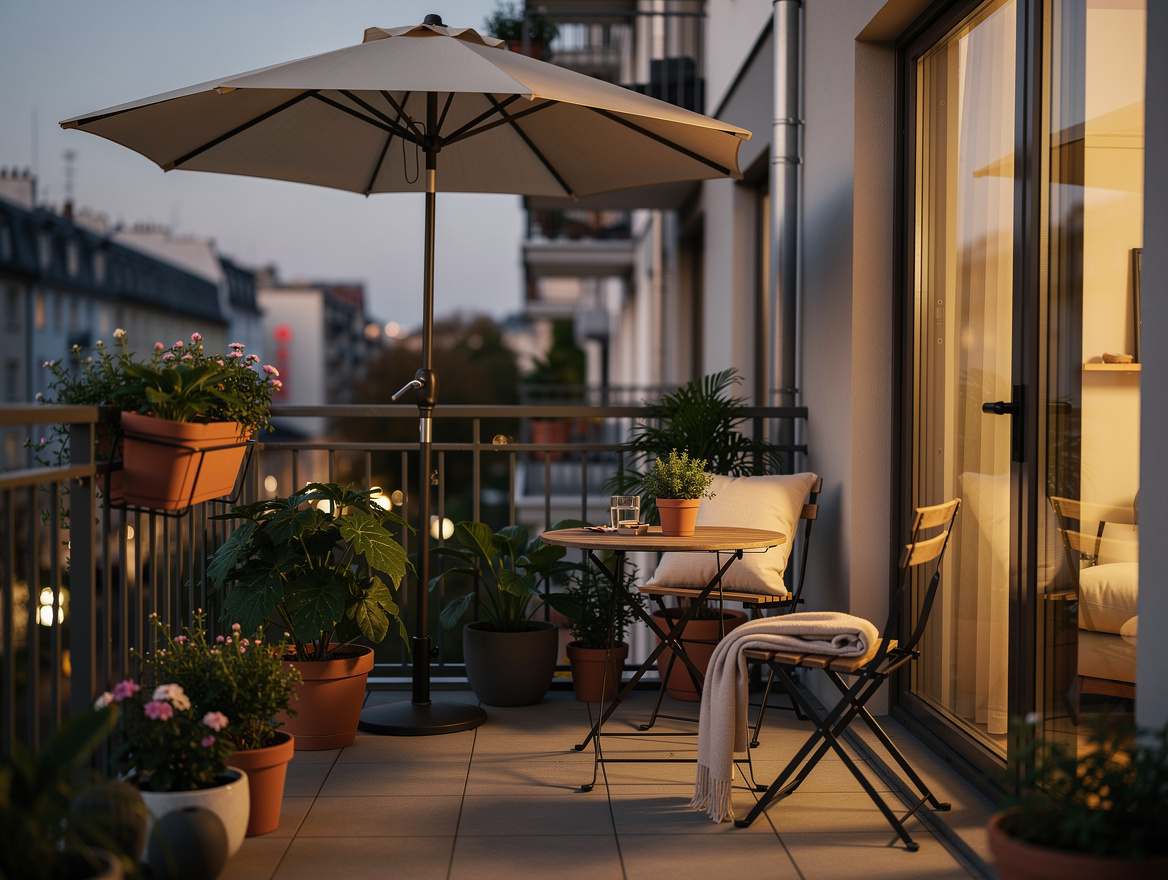
On a rental patio or balcony, I’d stay away from anything that wants anchors in masonry or railing damage. A collapsible canopy, a freestanding umbrella, or a clamp-based shade is the smarter family because it gives you coverage without turning the move-out checklist into a fight.
This is where Home Depot, Lowe’s, Target, and Walmart are useful shopping stops, because you can compare frame material, canopy fabric, and folding size in one trip. I strongly prefer lightweight powder-coated steel or aluminum frames with polyester fabric, because heavy decorative pieces are miserable to store and rarely worth the effort in a rental.
The best outdoor shade is the one you can fold without reading instructions twice. If it feels bulky in the store, it will feel worse on moving day.
Pick lighter materials that fold flat and survive repeat moves
Material matters more than style when you know you’ll pack everything again. For indoor setups, polyester blackout fabric is practical, and for outdoor pieces, a simple polyester canopy on an aluminum frame is easier to carry than chunkier wood-look options.
I’d also keep the hardware boring on purpose: hook-and-loop tabs, suction cups, rubber-capped rods, and basic clips. Fancy mechanisms look appealing online, but simple parts are easier to replace from Amazon, Target, or IKEA when one piece disappears in a moving box.
A chunky woven shade can look nice for six months, then become a storage headache. Flat-folding gear wins every time in a small apartment.
Pack a move kit so takedown actually stays under 20 minutes
The reason some renter setups feel temporary in a bad way is that nobody plans the exit. I keep one small bin with extra Command-style adhesive strips, a zip bag for tabs and clips, a tape measure, and the original storage bag from the portable blackout blind.
That’s what keeps the takedown realistic. A blackout panel peels off and folds in minutes, and a tension rod twists down just as quickly, but only if you’re not hunting for lost brackets and trying to remember which fabric panel fits which room.
Label each bundle by window width and room name before the move. It sounds fussy, but it turns the next place into a one-evening setup instead of a week of living with harsh light and bare glass.
Begin with the window that overheats the fastest, usually the bedroom or the west-facing living room glass. A simple Amazon blackout panel or a tension rod with blackout curtains will tell you very quickly whether you need total light blocking or just a softer, more finished layer.
Mia Carter writes about small-space living and budget home makeovers. She has restyled three rentals and tests most ideas in her own 45 sqm flat.