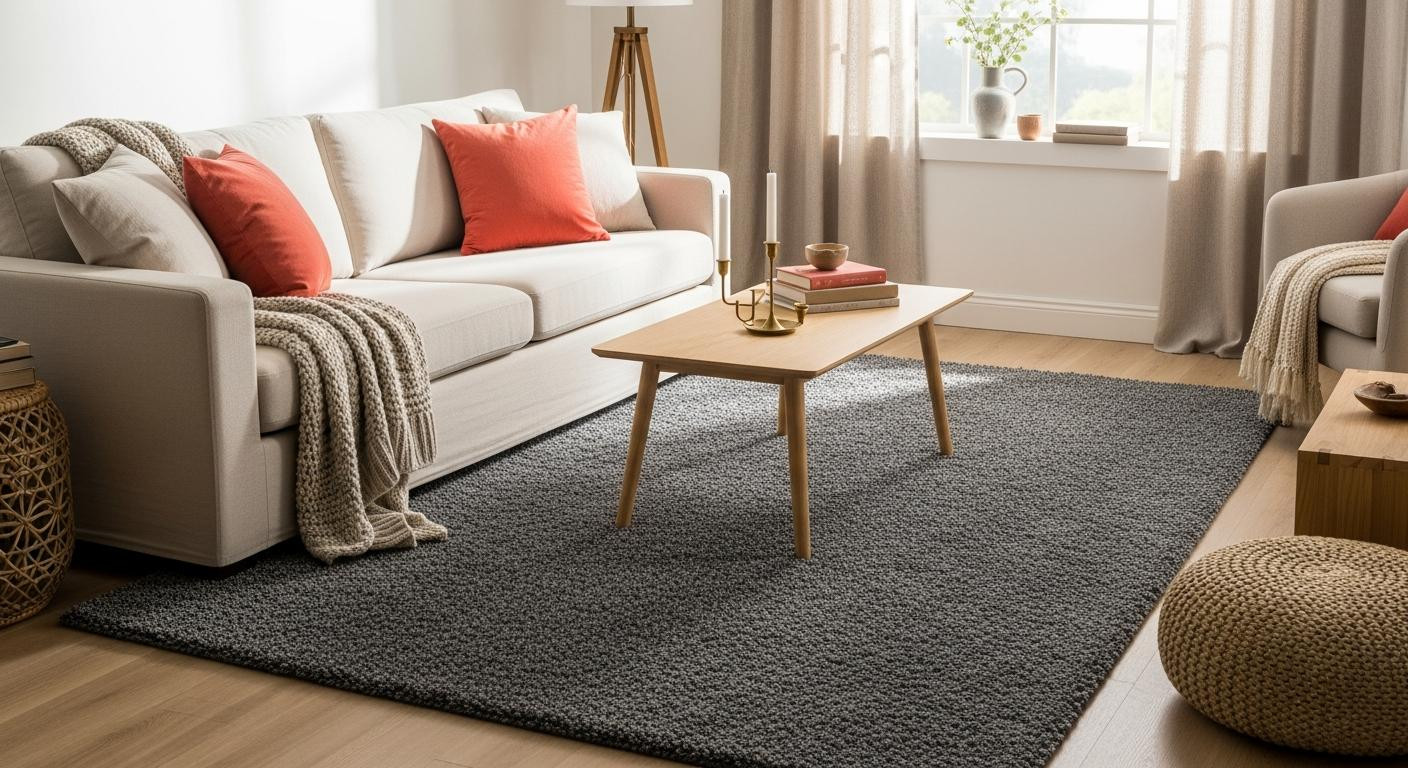
Your Saturday starts at 10:18am in a HomeGoods parking lot where you’ve circled three times looking for a spot because everyone in a 12-mile radius had the same idea: find throw pillows that don’t look like throw pillows. Inside, the store measures 28,000 square feet but the home decor section occupies maybe 6,000 of that, crammed with vases you don’t need and one coral lumbar pillow that might work if you squint. Two miles away, TJ Maxx’s larger footprint holds an entire aisle of area rugs in sizes HomeGoods stopped stocking months ago.
The question isn’t which store is better. It’s which store solves the specific problem your room has right now.
When HomeGoods beats TJ Maxx: accessories under 14 inches and seasonal refresh
HomeGoods dominates the small-scale accent game. Walk past the bedding chaos and you’ll find colored glassware for $30, ceramic vases that photograph like Pottery Barn, linen dish towels with actual weight to them. The texture alone makes these items work, thick cotton that doesn’t slip off the oven handle, glazed stoneware cool under your fingertips.
This is where HomeGoods’ rotating inventory becomes an advantage instead of a frustration. Seasonal turnover happens every three to five days, which means Halloween clears for Christmas before Thanksgiving even hits. But that speed only works if you shop monthly, not when you need something specific by Thursday.
Design experts with residential portfolios confirm this pattern. The store’s model favors shoppers who browse for ideas rather than hunt for solutions. And if you’re the type who touches every candle to check the wax quality, you’ll spend 40 minutes in the home fragrance section alone.
When TJ Maxx dominates: furnishing entire rooms under 600 square feet
Area rugs, curtains, and anything you measure in feet
TJ Maxx dedicates full sections to rugs in actual sizes. 5×7, 8×10, runners that fit standard hallways. HomeGoods might have four rugs total on any given visit, all in dimensions nobody asked for. That difference matters for renters in 225 to 400 square foot spaces who need to see the rug in person, not gamble on texture from an online photo.
The selection depth creates breathing room you don’t get at HomeGoods. TJ Maxx typically stocks 12 to 18 area rugs versus HomeGoods’ four to six, which means you’re comparing options instead of settling. Walk the aisle on a Tuesday morning and you’ll see why, the same treasure-hunt psychology that makes vintage shopping work.
Complete room solutions when you move in with nothing
TJ Maxx’s hidden strength is letting you walk out with coordinating bedding, curtains, and bathroom sets in one trip. HomeGoods forces multi-visit hunting because their vendor relationships favor smaller decor runs over full room collections. Real scenario: Tuesday move-in, need bedroom functional by Friday.
TJ Maxx wins because variety concentrates solutions. The catch is cluttered aisles that turn Saturday shopping into a contact sport. But if you shop Tuesday through Thursday mornings post-restock, you’ll navigate half-empty aisles with twice the selection.
The store-size math that explains everything
HomeGoods’ 28,000 square foot trap in combo locations
Standalone HomeGoods averages 28,000 square feet, but combo formats with Marshalls cut 7,000 square feet from home sections. That creates the empty shelving and odd product placement shoppers complain about online. The spatial psychology here matters: smaller footprint forces frequent turnover, which sounds good until you return for that lamp you saw Wednesday and it’s gone by Saturday.
And the constant restocking means inconsistent organization. One week the throw pillows live near bedding, next week they’re scattered across three endcaps. It’s efficient for the company’s vendor rotation but exhausting for anyone trying to furnish a room with intention.
TJ Maxx’s breathing room advantage
Larger format stores give TJ Maxx space to keep deeper inventory on furniture and rugs while still rotating accessories. Professional organizers with certification note this makes TJ Maxx better for double-duty pieces that need to earn their square footage in tight apartments. The trade-off is visual chaos, aisles packed so tight you’re turning sideways with your cart.
But that density also means more dupes. West Elm chairs for a third of retail, vintage-inspired glassware that looks like Anthropologie, rugs priced at $200 to $400 instead of $800. You just have to dig for it.
Where both stores fail and the workaround
Neither chain solves “I need this exact nightstand in walnut” problems. Quality control varies wildly, assembly instructions don’t exist, and online inventory visibility remains a fantasy. Lighting designers who work on residential projects skip both stores for anything structural, the bones of a room need reliability these chains can’t promise.
The workaround: use At Home’s 50,000 products for big furniture basics at $85 average, then layer HomeGoods and TJ Maxx accessories on top. This hybrid strategy costs less than West Elm while avoiding the discount-chain furniture durability gamble. It’s the same logic that makes thrifted chair frames worth reupholstering, start with solid structure, add personality through surfaces.
Your questions about HomeGoods vs TJ Maxx for home decor answered
Which store restocks faster for specific items?
Neither guarantees restocks. HomeGoods rotates every three to five days but smaller inventory means lower odds your pillow returns. TJ Maxx restocks Tuesdays and Thursdays with better depth on rugs and curtains, worse on niche accessories. The strategy: photograph items you like with price tags, decide within 48 hours, accept you’re shopping a closing sale every time.
Can I furnish a 400 square foot studio at one store?
TJ Maxx gets you 70% of the way there. Rug, bedding, curtains, bathroom basics all live in dedicated sections. HomeGoods fills the remaining 30% with lamps, throw pillows, wall art. Budget $400 to $500 total if you shop May through June when both chains clear spring inventory for summer stock.
Which store has better Pottery Barn dupes?
TJ Maxx for furniture-scale items like chairs and rugs. HomeGoods for small decor like vases, frames, candles. Both source from similar vendors through 21,000-plus vendor relationships, but TJ Maxx’s buyer network favors larger hard goods. Quality’s a coin flip at both, which is why touching the fabric before buying isn’t optional.
The TJ Maxx cart holds a 5×7 rug in charcoal that’ll anchor your living room by Tuesday. The HomeGoods bag carries three things you didn’t know you needed: coral lumbar pillow, brass candle holder, linen tea towels that photograph better than the rug. Both bags sit in your trunk. Both were right.