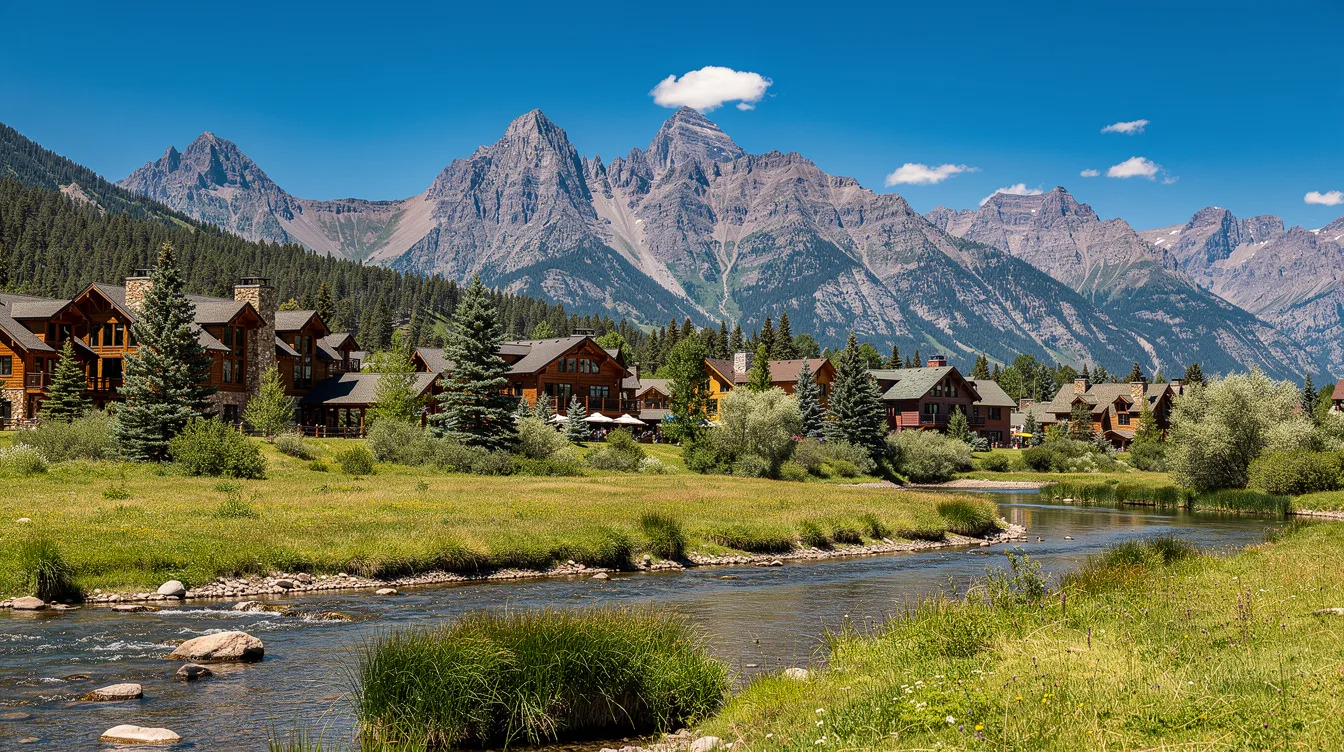
Estes Park is the eastern gateway to Rocky Mountain National Park, and it houses the park headquarters. That makes this Colorado town more than a place to sleep before a hike. It’s where the park trip starts, often before you’ve even unpacked.
About 70 miles northwest of Denver, Estes Park sits in Larimer County at 7,743 feet. The altitude is real, so give yourself an easy first afternoon. Drink water, walk slowly, and save the hard effort for tomorrow.
The park begins at Estes Park’s edge
You don’t come here to escape Rocky Mountain National Park. You come because Rocky Mountain National Park is right there, with Estes Park as its eastern entrance and operational base.
And that proximity changes the rhythm of a visit. You can spend the morning in town, then head toward Beaver Meadows without treating the park like a distant day trip. It’s convenient, but summer crowds know that too.
The park was dedicated in 1915, while the community dates to 1859. That long relationship explains why the town feels built around arriving travelers, from lodging to restaurants to the practical business of getting outside.
But don’t assume access is automatic. Timed-entry controls commonly apply from May through October, so check the current system before you leave. Trail Ridge Road is also weather-dependent and generally opens around May through October.
Elkhorn Avenue is lively, but the river softens it
Elkhorn Avenue carries the town’s busiest energy, with souvenir shops, galleries, breweries, restaurants, and mountain-town lodging. It can feel busy in peak summer and autumn. Still, it’s useful when you want dinner without another drive.
Walk toward the Riverwalk after the storefronts. The Big Thompson River runs through town, and the sound of moving water takes some edge off the traffic and shopping bags. You’ll get a more relaxed version of Estes Park there.
And Lake Estes gives the town another pause button. The lake and Olympus Dam sit within view of town, so you can trade downtown crowds for open water and a wider look at the surrounding peaks.
The Stanley Hotel is another stop worth seeing, especially if you like historic hotels with a slightly theatrical air. It’s associated with the inspiration for The Shining. You don’t need to make a whole evening of it.
September brings elk, and a reason to slow down
Summer gives you the fullest access to trails and roads. But September has a different pull: cooler weather and elk activity. That’s when the town feels particularly tuned to the season rather than just the summer rush.
Elk, mule deer, and bighorn sheep are commonly seen in and around Estes Park. You may spot them near open meadows, but keep substantial distance. During the autumn rut, elk are not a photo opportunity that rewards confidence.
And this is where Estes Park earns my vote over a rushed park visit. You can have a slow dinner downtown, then look for wildlife from a safe distance instead of packing every hour with another trailhead.
Winter is quieter, snowy, and cold. Snowshoeing and other winter activities are part of the appeal, but the trade-off is less dependable road and trail access. If your priority is flexibility, summer is the easier choice.
How to make the first day count
Should you hike on arrival?
Not hard. At 7,743 feet, the smart move is to take the first day easy and avoid intense exertion. Walk downtown, follow the river, or spend time around Lake Estes before you ask your body for more.
Then use the next morning for the park. The Beaver Meadows area makes sense as an early stop because Estes Park is already the eastern gateway. You’re close, but an early start still matters when roads and trailheads fill.
Can you drive Trail Ridge Road?
You can only plan on it when seasonal conditions allow. Trail Ridge Road crosses the Continental Divide and is generally open around May through October, but weather decides the final answer. Check before building your day around it.
Estes Park can be expensive and crowded during peak summer and autumn. But its advantage is plain: you can wake up near the park entrance, spend the day outdoors, then return to the river sounds and lit windows along town streets.
By evening, the mountains go dark beyond Lake Estes, and the cold air makes the walk back to your lodging feel pleasantly brief.