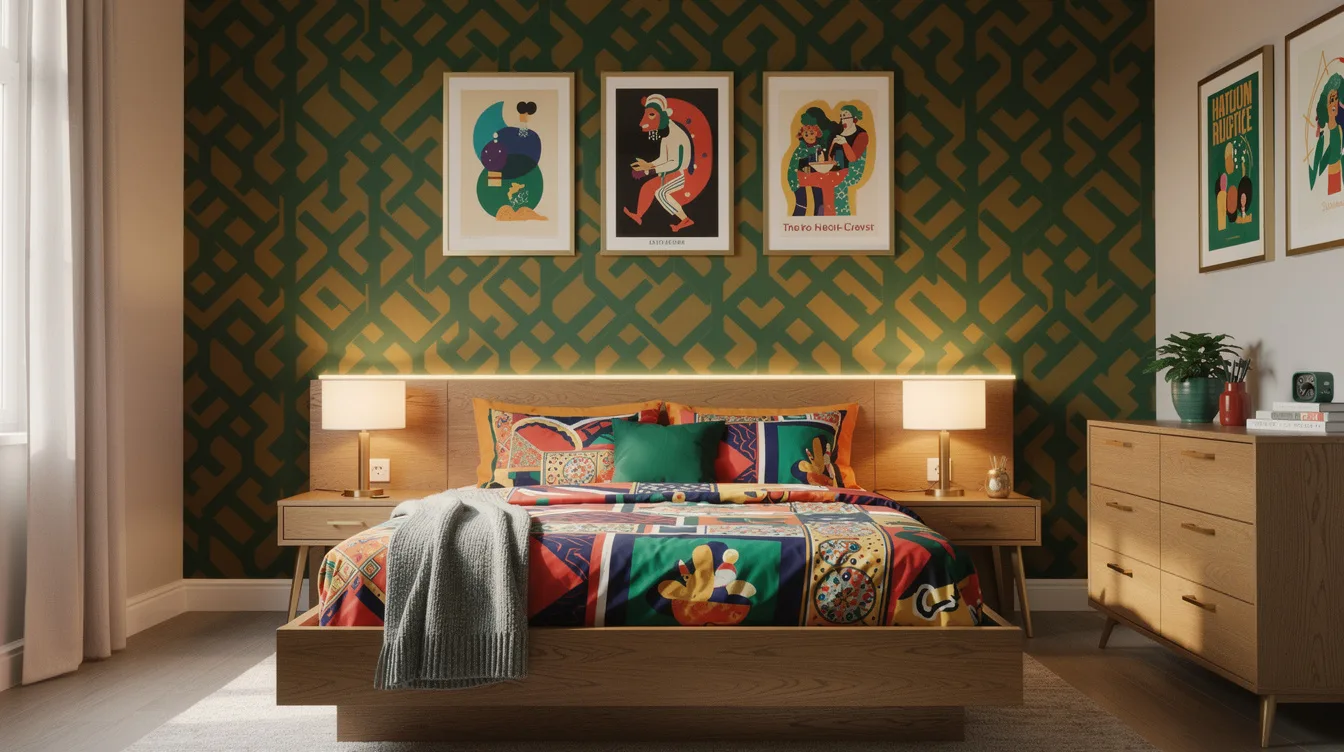
I tried this in a bedroom that’s about 180 square feet, and the first thing I learned was that nostalgia gets messy fast when every decade detail fights for attention.
The room started working when I treated it like a real late-1980s setup: one patterned wall, a simple wood bed, and a furnishing budget of around $1,500 to $2,500 instead of chasing expensive vintage pieces that looked right but lived badly.
Pick One Era Before You Buy Anything
I had to stop saying I wanted a “retro” bedroom, because that usually turns into random thrift-store clutter. A real birth-year look needs one lane, and for me that meant late-1980s to early-1990s color, posters, and cleaner furniture shapes.
I used a tight palette first: powder blue, peach, off-white, and a little saturated red. That mix feels instantly period-correct, and it keeps the room from sliding into novelty.
The easiest way to test the era is to choose one image category and repeat it. Movie posters. Sports posters.
Album-cover art. Once I committed to that, the room finally looked intentional.
Anchor the Room With an Accent Wall
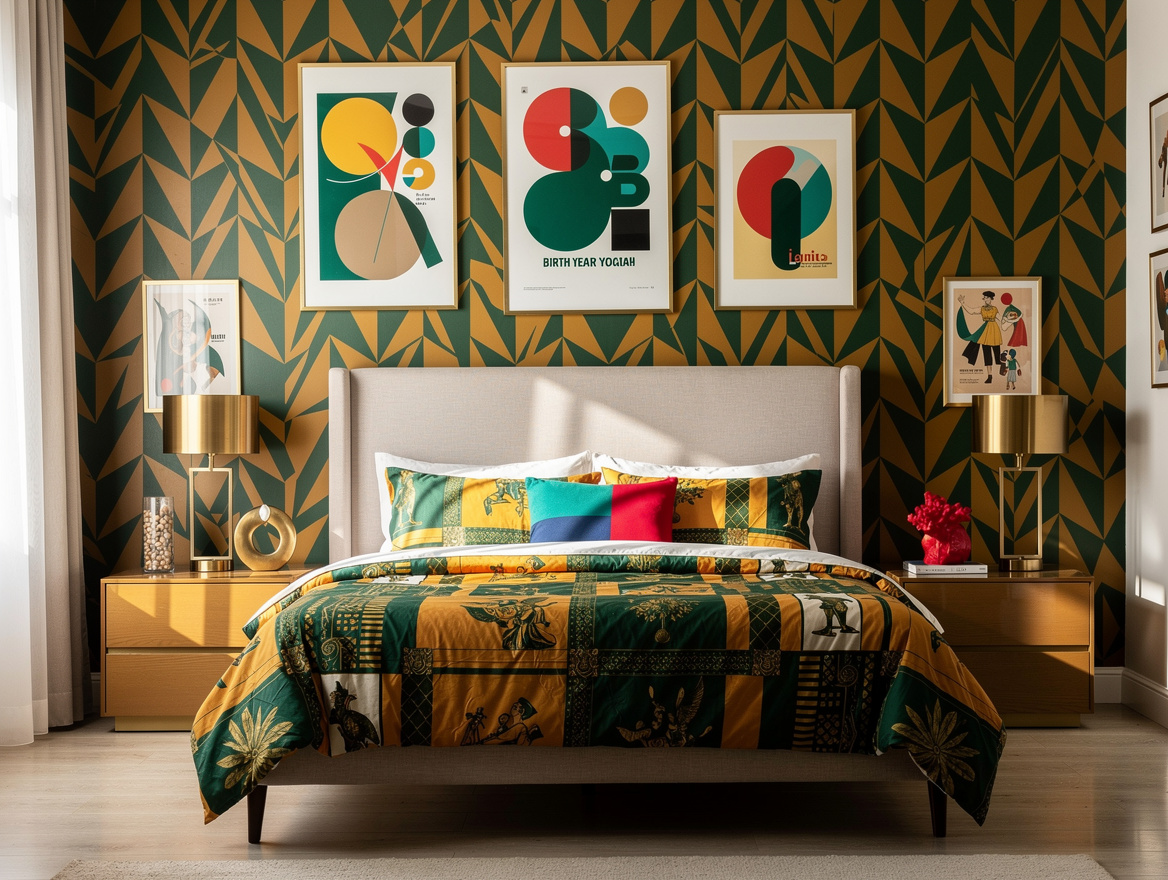
The fastest period signal came from the walls, not the furniture. I added one geometric wallpaper accent wall behind the bed and kept the other walls a soft off-white, which gave me the decade reference without making the room feel dark or busy.
If wallpaper feels like too much, painted stripes work too, but they need discipline. One wall is enough, especially in a room that’s roughly 160 to 220 square feet.
This is where most people overdo it. Four loud walls don’t read nostalgic, they read exhausting.
Choose Veneer and Lacquer, Not Farmhouse Wood
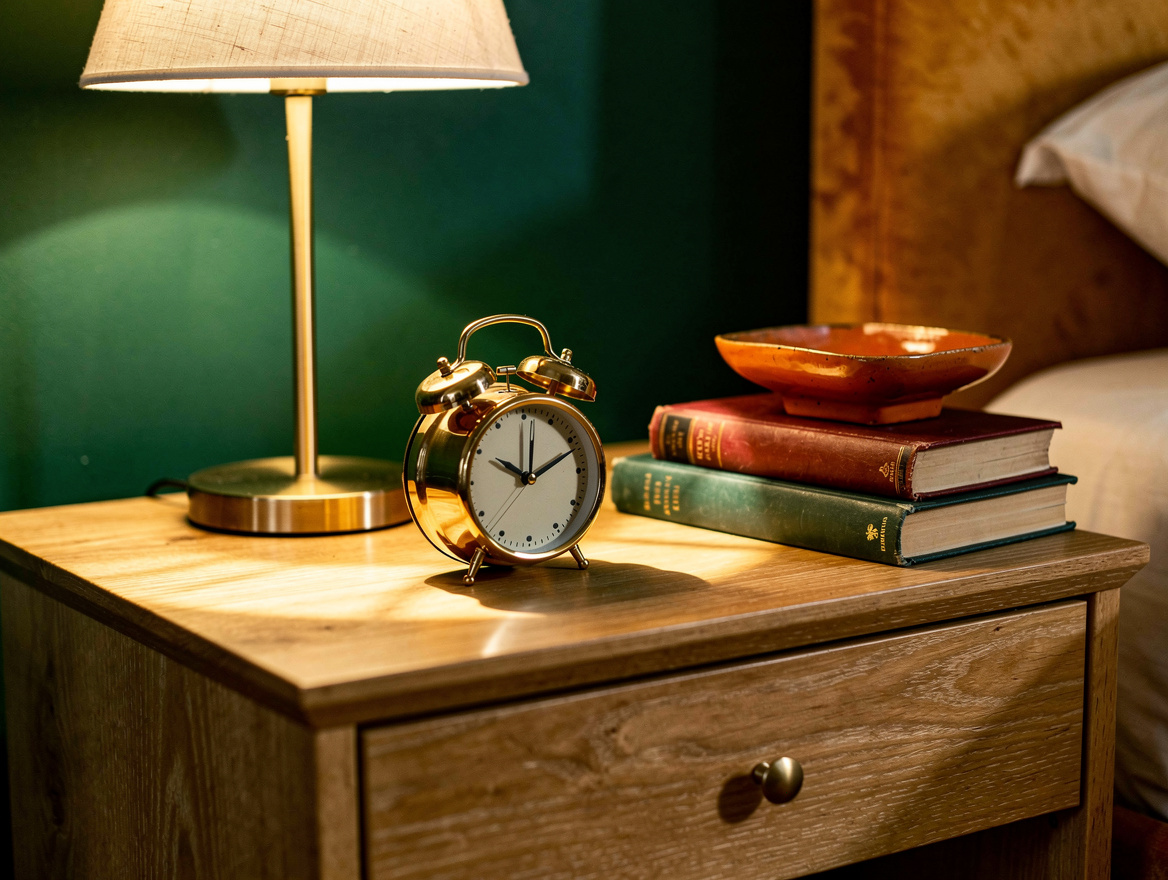
The furniture changed everything once I stopped looking at rustic pieces. Birth-year bedrooms from the late 1980s and early 1990s usually leaned toward oak veneer, beech tones, or glossy white and black finishes with simple rectangular lines.
I skipped anything chunky, distressed, or handmade-looking. That style is popular now, but it breaks the illusion immediately.
For a bed, a typical queen-size frame from IKEA or Wayfair runs about $199 to $399, and that range is enough to get the right silhouette. A typical mattress from Costco, Walmart, or Amazon is often around $250 to $800, depending on materials and thickness.
A wardrobe with flat fronts works better than decorative paneling here. On Wayfair or IKEA, a typical wardrobe in the retro-compatible range is about $300 to $800, which is usually cheaper than trying to restore true vintage storage.
Keep the Layout Clean and Slightly Boxy
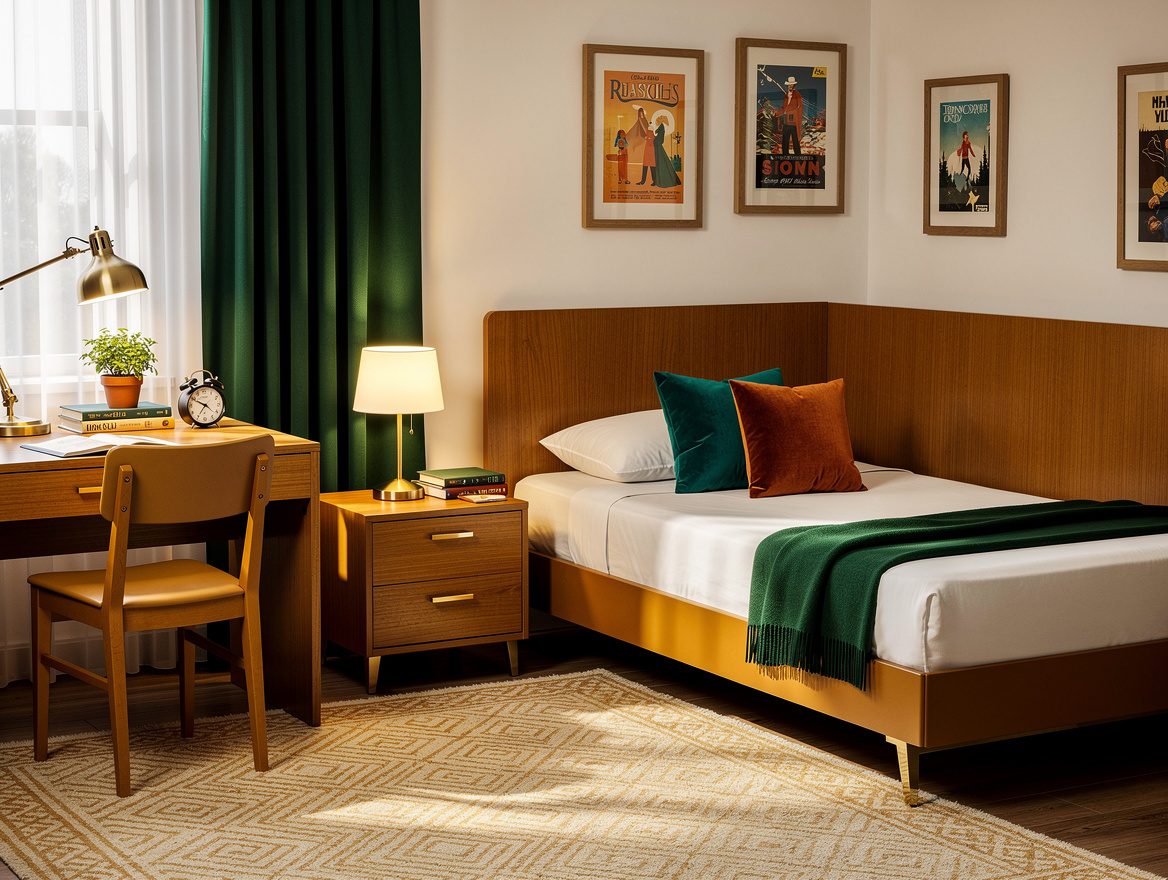
I had more success when I copied the old floor plan logic instead of just the old colors. The bed went on the longest wall, the desk stayed simple and straight, and the nightstands matched in shape even when they didn’t match exactly in finish.
A queen bed usually looks right in an average primary bedroom, while a twin or full works better for a smaller secondary room. A desk that’s roughly 40 to 55 inches wide is enough for the period look, and it doesn’t crowd the space.
My nightstands were the quiet win. Two basic IKEA tables, around $50 to $120 each, looked more convincing than the ornate secondhand pieces I almost bought.
That boxy layout matters because older bedrooms were practical first. Too many angled chairs and decorative benches make the room feel current, not era-specific.
Layer Bedding That Looks Printed, Not Hotel Plain
The bed is where the whole theme can fall apart. Crisp white bedding may be easy, but it doesn’t carry the look of a childhood or teen bedroom from that era.
I swapped in a bold printed duvet with checks and geometric shapes, then added two pillows and one textured throw. That was enough. More than that started to feel staged.
For sheets, I like Target cotton percale because it still feels clean and current, even under a louder duvet. A typical bedding setup from Target, Walmart, or Amazon can land around $80 to $200, depending on the fill and fabric.
A shag or geometric area rug helps too, especially over laminate or medium-tone wood floors. I’d rather spend a little on the rug than blow the budget on fake-vintage accessories that nobody notices.
Use Lighting and Tech That Hint at the Past
I didn’t want the room to become a museum, so this part mattered. The answer was mixing old shapes with current function: a fabric-shade bedside lamp, a simple overhead fixture, and one small speaker that looks older than it is.
A pair of table lamps from Target or Lowe’s, often around $30 to $70 each, adds the exact softness these rooms need. I’m picky here, because bare bulbs and industrial sconces kill the mood instantly.
For a little 1980s energy, I added one LED light strip behind the headboard instead of a giant neon sign. It still gives that playful edge, but it’s cleaner and easier to live with every night.
Then I put a small Bluetooth speaker, an alarm clock, and a stack of books on open shelving. Those details sell the era better than novelty collectibles ever do.
Spend on the Pieces That Carry the Story
My first instinct was to scatter the budget across decor, and that was a mistake. The room only clicked when I put most of the money into the bed, storage, wall treatment, and bedding, then kept the accessories light.
For a full room of roughly 160 to 220 square feet, a lean version usually costs about $1,200 to $1,800 if you shop IKEA, Walmart, Target, and Amazon. A more complete setup with a better mattress, wardrobe, desk, lamps, rug, and wallpaper can land around $2,000 to $3,500.
I’d skip overpriced “retro” reproductions unless the shape is truly hard to find elsewhere. A basic wood veneer desk, a framed poster, one good lamp, done.
The strongest rooms don’t yell the decade from every corner. They give you the feeling in three or four obvious places, and then they let the room breathe.
Start with the wall behind your bed and the bed frame itself. If those two choices feel right together, the rest of the birth-year look gets much easier, and you won’t waste money correcting the room later.
Mia Carter writes about small-space living and budget home makeovers. She has restyled three rentals and tests most ideas in her own 45 sqm flat.