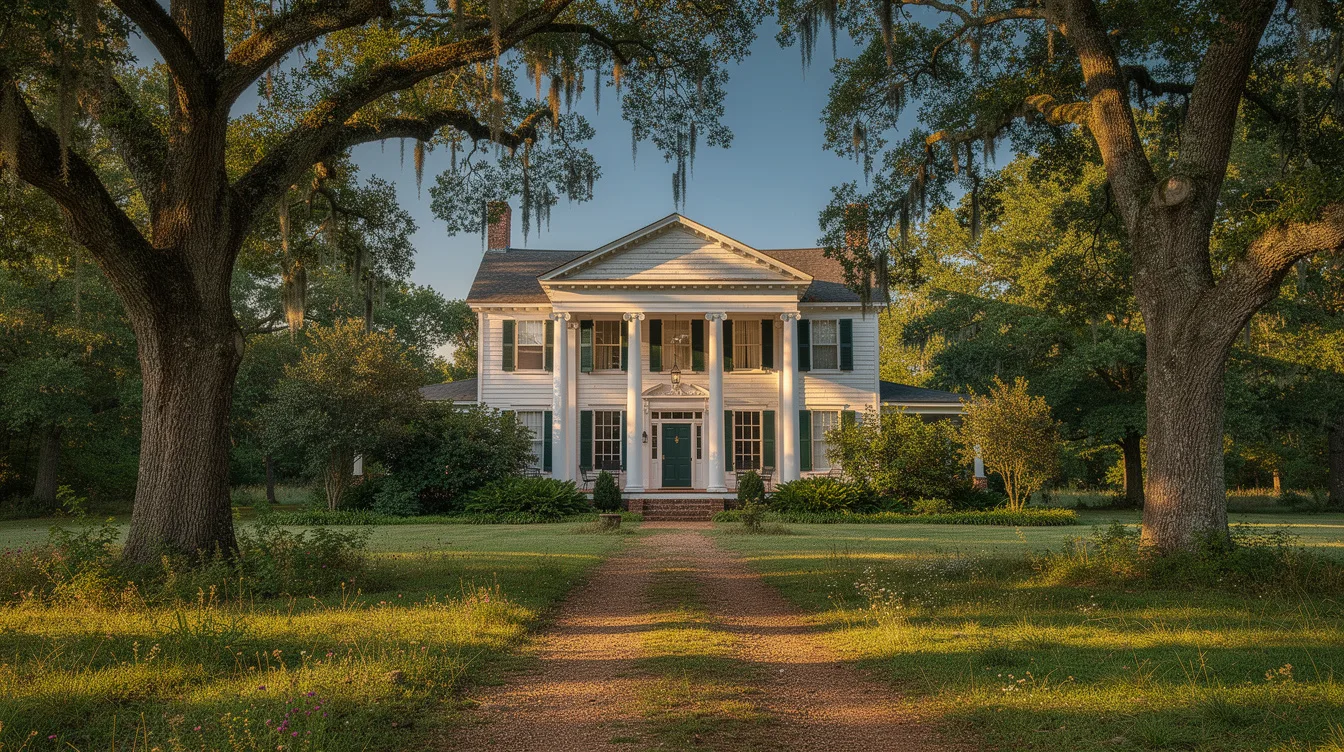
Oxford, Mississippi, is built around a university that opened in 1848, and the best reason to linger lies just beyond campus. Rowan Oak, the historic home where the Nobel Prize-winning writer behind the title lived and wrote, is open to visitors.
You can arrive expecting a football town and find a literary stop with more weight. The courthouse square keeps the center compact, so you can move from campus to bookstores and dinner without turning the day into a driving project.
Start with Ole Miss, then follow the literary thread
The University of Mississippi, better known as Ole Miss, gives Oxford its daily rhythm. Students fill the sidewalks and football weekends change the pace, but the town’s appeal isn’t limited to game day.
And you should begin on campus because it explains why Oxford exists in its present form. The city was incorporated in 1837 and named for Oxford, England, with hopes of attracting the state university. That ambition worked, though the name can still confuse an inattentive map search.
But campus also carries a difficult national history. In 1962, Ole Miss stood at the center of the desegregation crisis tied to a Black student’s enrollment. Don’t treat that history as background scenery.
It changes how you read the place.
Rowan Oak is the reason to make time
Rowan Oak is the historic house that delivers the title’s promise. The Nobel Prize-winning author lived and wrote here, and the home remains open as a historic site. For readers who care about American literature, this is the stop that justifies the trip.
And the experience works because it isn’t abstract. You’re at the actual home, not a commemorative plaque on a busy block. The rooms and grounds invite a slower look, especially after the institutional scale of campus.
You don’t need to be a devoted reader to feel the pull of a writer’s working home. But don’t come expecting a large museum complex. The value is concentration: one house, one life, and the quiet attention that kind of place asks from you.
The courthouse square keeps Oxford walkable
Beyond the university, the historic courthouse square gives Oxford a proper town center. It’s compact and walkable, which means you can choose your own pace instead of planning every stop around a parking lot.
And Square Books is the natural pause. The independent bookstore belongs on your route because Oxford’s literary reputation could otherwise feel like a story told only at Rowan Oak. Here, it becomes part of the town’s everyday texture.
You’ll notice the useful contrast: Oxford is a college-town destination, yet the square doesn’t ask you to participate in campus life to enjoy it. On a busy weekend it can feel crowded. On a quieter day, the sidewalks make room for browsing and a long lunch.
Can you make a meal part of the visit?
Yes. Visit Oxford highlights more than 60 restaurants, including chef-led spots such as City Grocery and Snackbar. That range gives you options, but it also means you should pick a direction rather than trying to sample the whole town in one visit.
But food is not a substitute for the historic core. Have dinner after Rowan Oak or the square, when the day’s story is already in place. The restaurant scene is lively, though Oxford’s most lasting impression comes from its connection between books, campus, and civic history.
Plan around the season, not just the game
Spring, from March through May, and fall, from September through November, are the recommended periods to visit. Those seasons suit walking between campus, Rowan Oak, and the square, so you can keep the itinerary pleasantly loose.
And October deserves a warning before it becomes a surprise. Football and foliage make it especially busy, which is great if you want the town at full volume. If you prefer an easier table and a less hurried square, choose another point in fall.
Oxford sits in northern Mississippi, about 75 miles southeast of Memphis, Tennessee. That proximity makes it an easy addition to a Memphis stay, but Oxford has enough of its own character that you shouldn’t treat it as a quick roadside detour.
Come for the campus if you like its energy. Stay for Rowan Oak, then let the courthouse square slow you down. By evening, the bookstore lights and restaurant windows make the compact center feel smaller, quieter, and exactly right for one more walk.