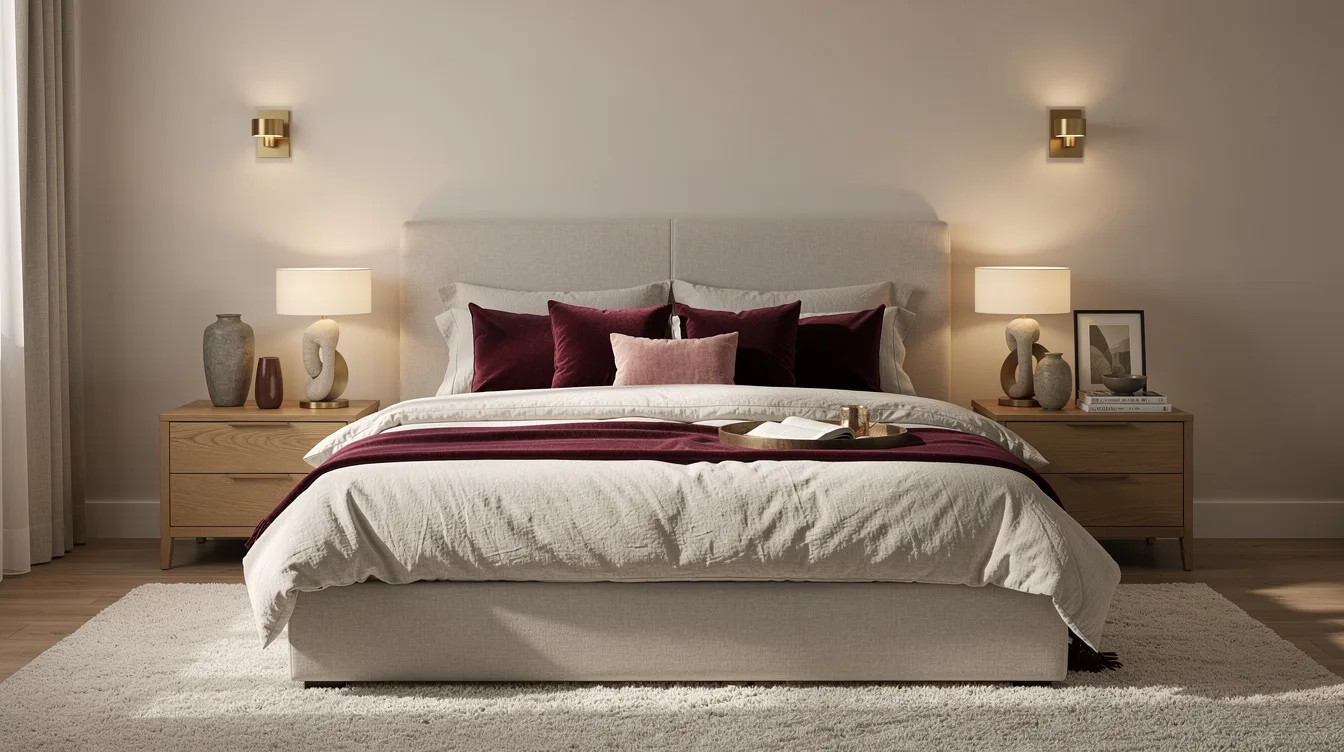
I get why people chase those endless “coziest bedroom” roundups. In a typical 11-by-13-foot bedroom, the difference between flat and enveloping usually comes down to a few practical moves, not a full renovation.
Designers keep returning to the same 2026 ideas: softer bed shapes, layered neutrals, warmer lighting, and more natural texture. A full cozy refresh can run from around $700 for textiles and lighting to several thousand once Wayfair furniture and rugs enter the picture, so the smart play is knowing which upgrades actually change the room.
Start With a Softer Bed Wall
The bed should calm the room before you add a single throw pillow. Designers consistently favor an upholstered headboard or a wood headboard with visible grain because a hard metal frame alone rarely gives a bedroom that cocooned feeling.
A Wayfair upholstered headboard typically starts around $180 to $350 for a queen, and that is money better spent than another decorative accent on the dresser. If your budget is tighter, a warm oak-look panel from Home Depot behind the bed creates the same visual weight for less.
Color matters here more than people think. Cream, oatmeal, taupe, and warm white are the shades that keep the bed wall quiet, and I would skip bright white unless the room gets very little daylight because it can turn chilly fast.
Layer Bedding Like It Has Weight
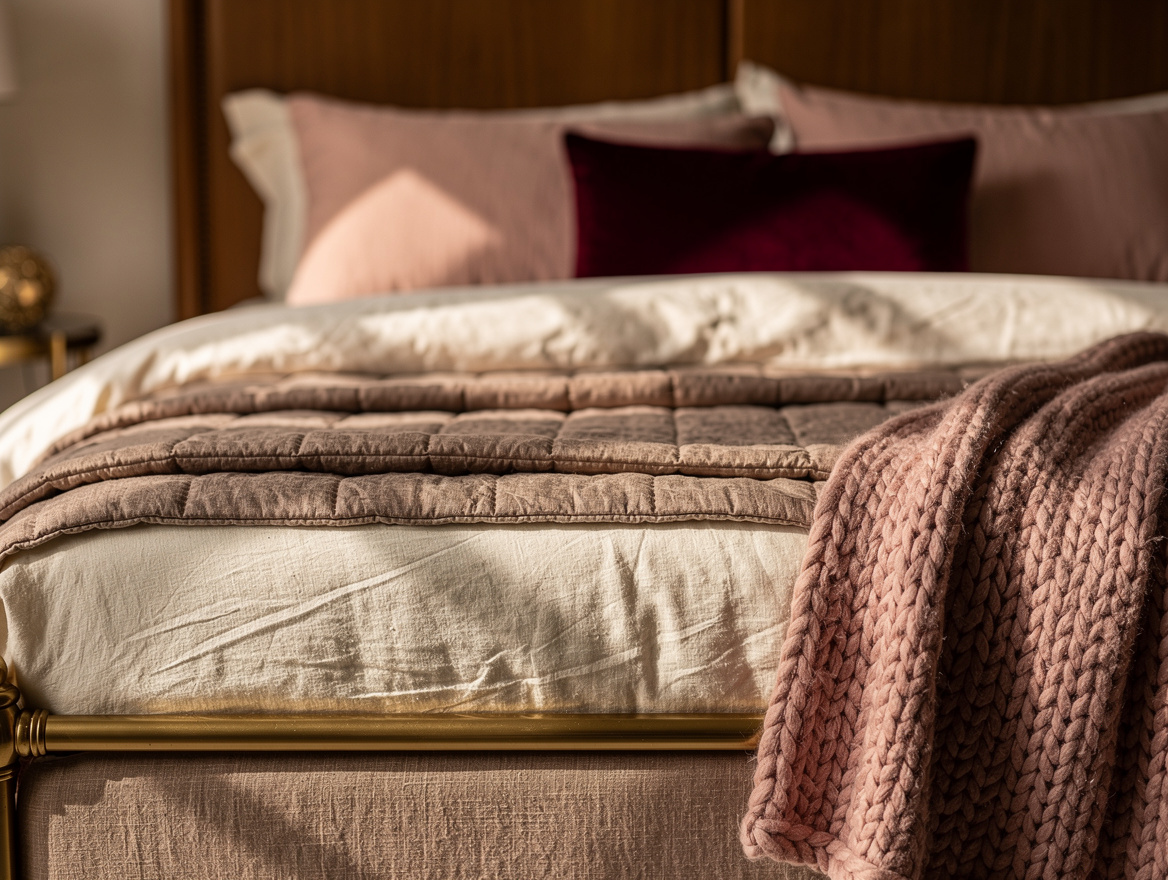
Cozy bedrooms never stop at one comforter and call it done. The look designers want is built from stacked texture: a breathable duvet, a quilt or coverlet, and one tactile layer at the foot of the bed.
A Target cotton quilt might run about $60 to $90, while a linen-blend duvet set from IKEA often lands around $80 to $150. Add one wool or chunky knit throw, and the bed suddenly reads finished instead of temporary.
The palette should stay tighter than most shoppers expect. Two or three warm neutrals are enough, and mixing cream, camel, mushroom, and washed brown usually feels richer than adding a random accent color that breaks the mood.
Warm the Room With Three Low Light Sources
Overhead lighting kills bedroom coziness faster than almost anything else. Designers usually build the room from lower light points, bedside lamps, a wall sconce or plug-in swing arm, then one ambient glow near a corner or dresser.
A pair of Amazon ceramic table lamps often costs around $70 to $140 total, and plug-in sconces from Lowe’s can add another roughly $40 to $90 each. That setup feels far more expensive than a single bright ceiling fixture, and it is easier to live with at night.
Soft bulbs matter as much as the fixtures. Stick to warm LED bulbs, around the softer end of the range, because cool white light makes beige bedding look dull and turns wood tones flat.
If you want one extra layer, use a Target LED candle set or a small paper lantern on a dresser. Tiny pools of light are what make a bedroom feel personal, and I think this detail gets ignored far too often.
Anchor the Floor Before You Add More Decor
A bedroom without softness underfoot always feels less settled than it should. Designers lean on a large area rug or plush carpet because the floor is what visually connects the bed, the nightstands, and the reading chair into one room.
For a queen bed, a Wayfair 8-by-10 rug typically costs about $180 to $450, and that size usually works better than a too-small 5-by-7 floating under the lower half of the frame. In a smaller room, even a softer rug from Walmart can do the job if it reaches beyond both sides of the bed.
Material is where you decide the mood. Wool feels grounded, faux shearling feels softer and more modern, and a flat woven rug is rarely my first pick for a bedroom unless you are chasing a very spare Japandi look.
Add One Shelter Element, Not Five
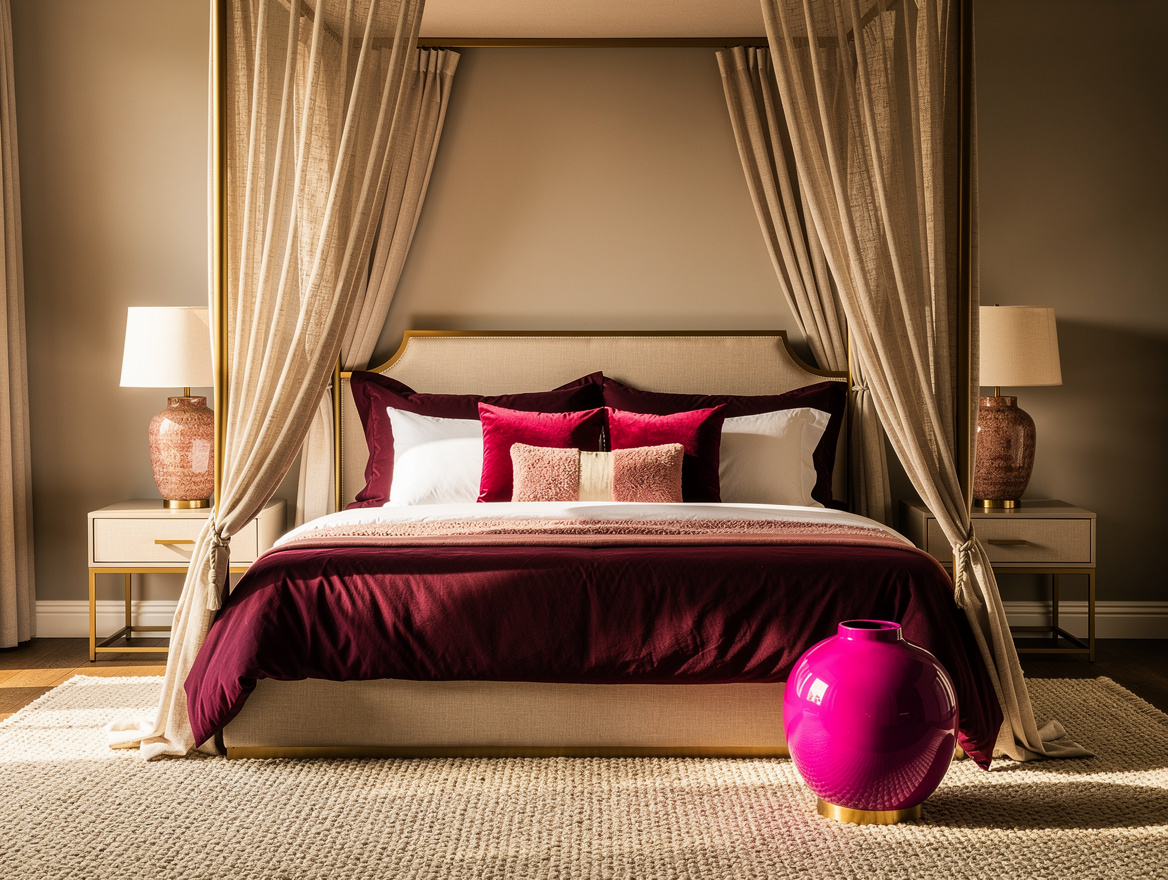
The coziest designer bedrooms usually have one move that creates enclosure. Sometimes it is a canopy bed, sometimes a pair of linen panels behind the headboard, sometimes a chair tucked beside a curtained window, but it is almost never a pile of competing statements.
A Home Depot curtain panel in linen-look fabric can run roughly $25 to $60 each, and hanging panels higher and wider than the window gives the room a softer shell. If you have the square footage, a Wayfair canopy bed can start around $300 and instantly becomes the focal point.
This is where people overdo it. One sheltering feature feels intentional, while a canopy, fairy lights, extra poufs, a bench, and heavy drapes all together can make even a 16-by-18-foot room feel crowded.
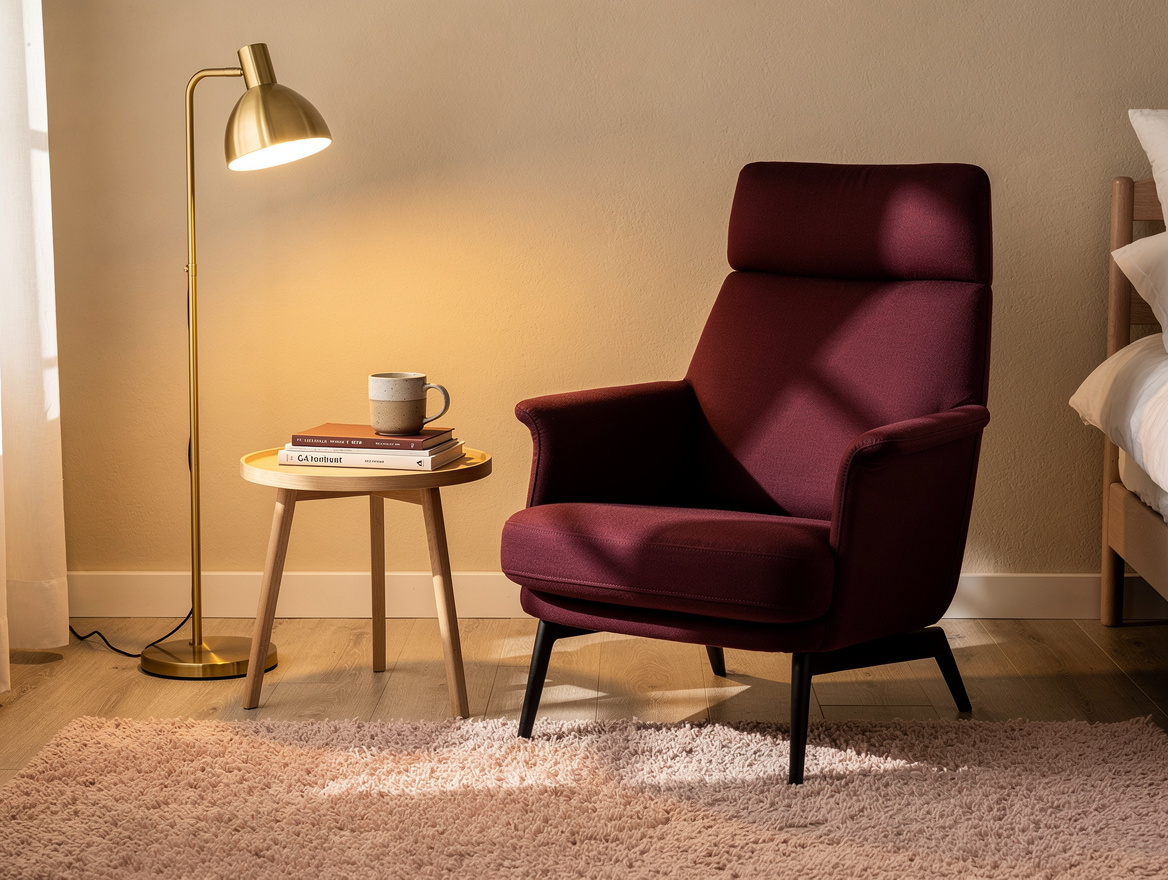
A reading nook also counts. A IKEA armchair, a compact floor lamp, and one lumbar pillow are enough to turn an empty corner into the part of the room you actually use.
Hide the Daily Mess So the Calm Lasts
Cozy is not the same thing as stuffed with objects. Designers keep bedrooms warm by limiting what stays visible, then giving everyday clutter a real place to land, especially in smaller rooms where every surface quickly starts shouting.
An underbed Amazon storage bin set might cost about $30 to $60, and a simple six-drawer dresser from IKEA or Target often falls around $180 to $350. Those are not glamorous buys, but they protect the mood better than another throw blanket ever will.
Nightstands should stay disciplined too. A lamp, one book, maybe a dish or diffuser, done. Bedrooms feel expensive when the textures are doing the work, not when every tabletop is crowded with decor trying too hard.
If you want personality, use one stack of books, one framed photo, or one ceramic bowl in a warm finish like oak, linen, or matte stone. Small edits are what keep a cozy room from sliding into visual fatigue.
Start with the bed, the lighting, and the rug, in that order. Once those three pieces feel warmer and heavier, the rest of the room usually tells you what it still needs, and what it definitely does not.
Mia Carter writes about small-space living and budget home makeovers. She has restyled three rentals and tests most ideas in her own 45 sqm flat.