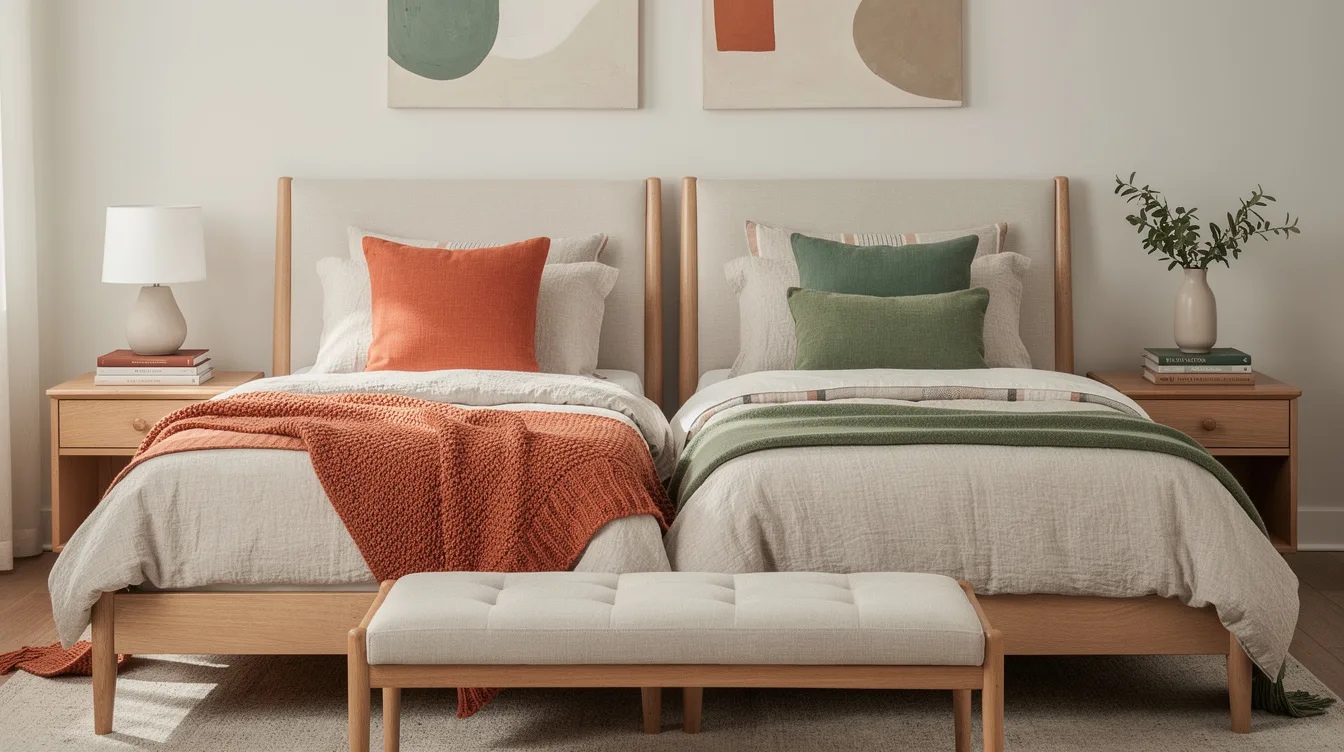
I always know a room is struggling when the bed choice gets pushed to the end, because twin beds quietly decide everything: walking space, storage, even whether the room feels childish or ready for adults. The standard size is still around 38 by 75 inches, and that consistency is exactly why twin beds keep winning in kid’s rooms and guest rooms.
The other reason is money. A basic twin setup can still start around a typical $150 to $400, while storage or more polished versions can move roughly into the $400 to $1,000-plus range, so there’s room to solve different problems without forcing one look.
Start Low With Platform Frames
A twin works because the footprint is predictable, around 38-by-75-inch platform beds in most US stores, so you can plan the room before you buy a single pillow. In a kid’s room, that lower profile also feels smarter than a tall setup, especially when the sleeper is still climbing in and out half-awake.
I like this route when the room has to flex, because a simple frame doesn’t lock you into one age or one style. At IKEA, basic twin frames often land around the lower end of the typical roughly $150 to $400 setup range once you add an entry mattress, and that’s enough to get a clean, usable base without visual bulk.
For guest rooms, platform frames keep the sightline open, which matters more than people think in a small boxy room. Skip anything chunky with a giant headboard here, it steals space before the room has earned it.
Add Upholstery When You Want a Grown-Up Feel
Two twins can read spare and temporary fast, especially in a guest room. A padded linen-look headboard fixes that immediately and makes separate beds feel intentional instead of leftover.
This is where I’d spend a little more, because the frame does the visual heavy lifting. On Wayfair and Target, upholstered twin frames often sit around a typical $300 to $700 per frame, depending on fabric, wing shape, and whether the rails are covered too.
My strong opinion: keep the color quiet. Beige upholstery, soft olive, or a muted gray will age better than novelty prints, and they let the room shift from kid sleepovers to adult guests without a total reset.
Use a Trundle Instead of Oversizing the Room
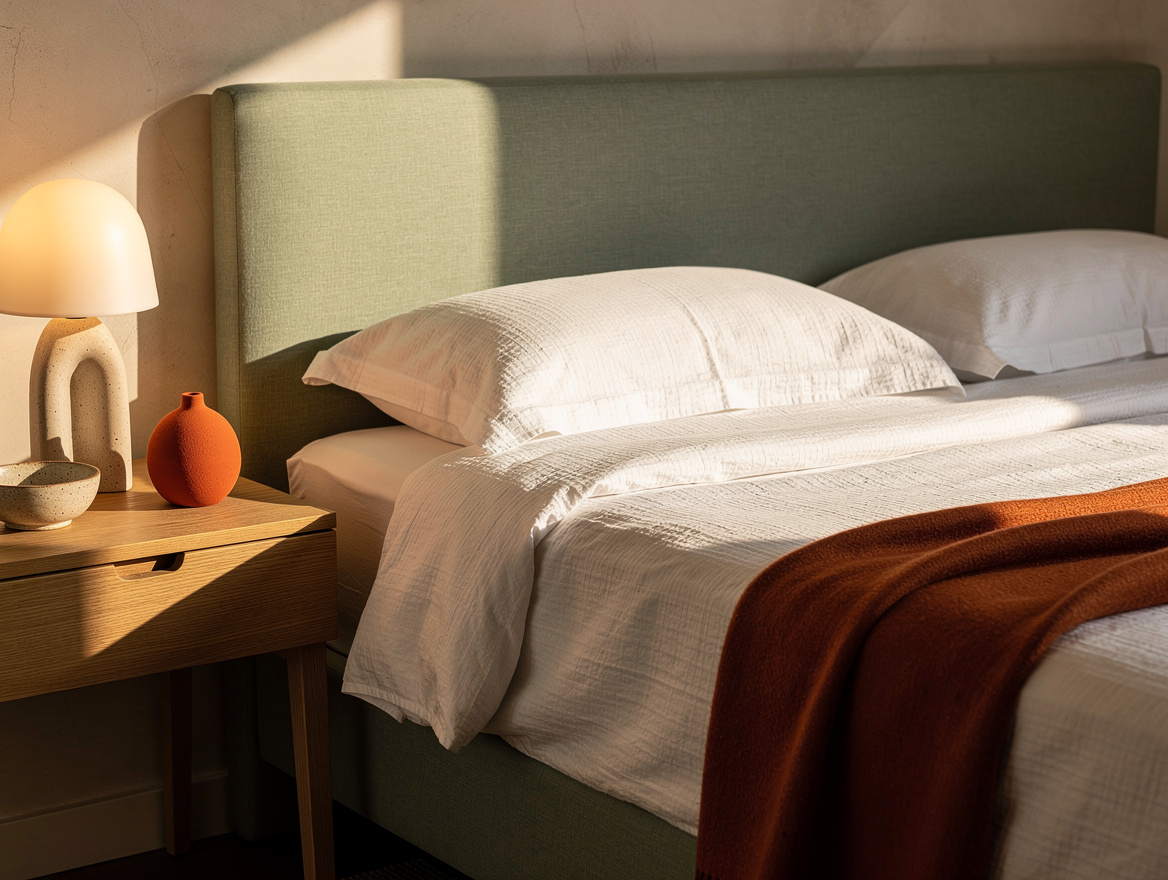
When a room needs to sleep one person most nights and two people some weekends, a twin trundle bed is the practical answer. It keeps the floor open for toys, luggage, or a desk, and it avoids the permanent bulk of two fully visible beds.
This layout is especially good in a kid’s room that hosts cousins or in a guest room that occasionally takes siblings. At Home Depot, Walmart, and Amazon, trundle-ready frames commonly start around the middle of the market, with full setups often landing roughly in the $500 to $1,000 range once you include both mattresses.
I’d only skip a trundle if the room has thick rugs or awkward door swings that make pull-out clearance annoying. If the floor plan is clean, though, this is one of the few space-saving moves that still feels civilized.
Keep Small Rooms Airy With Open Metal Frames
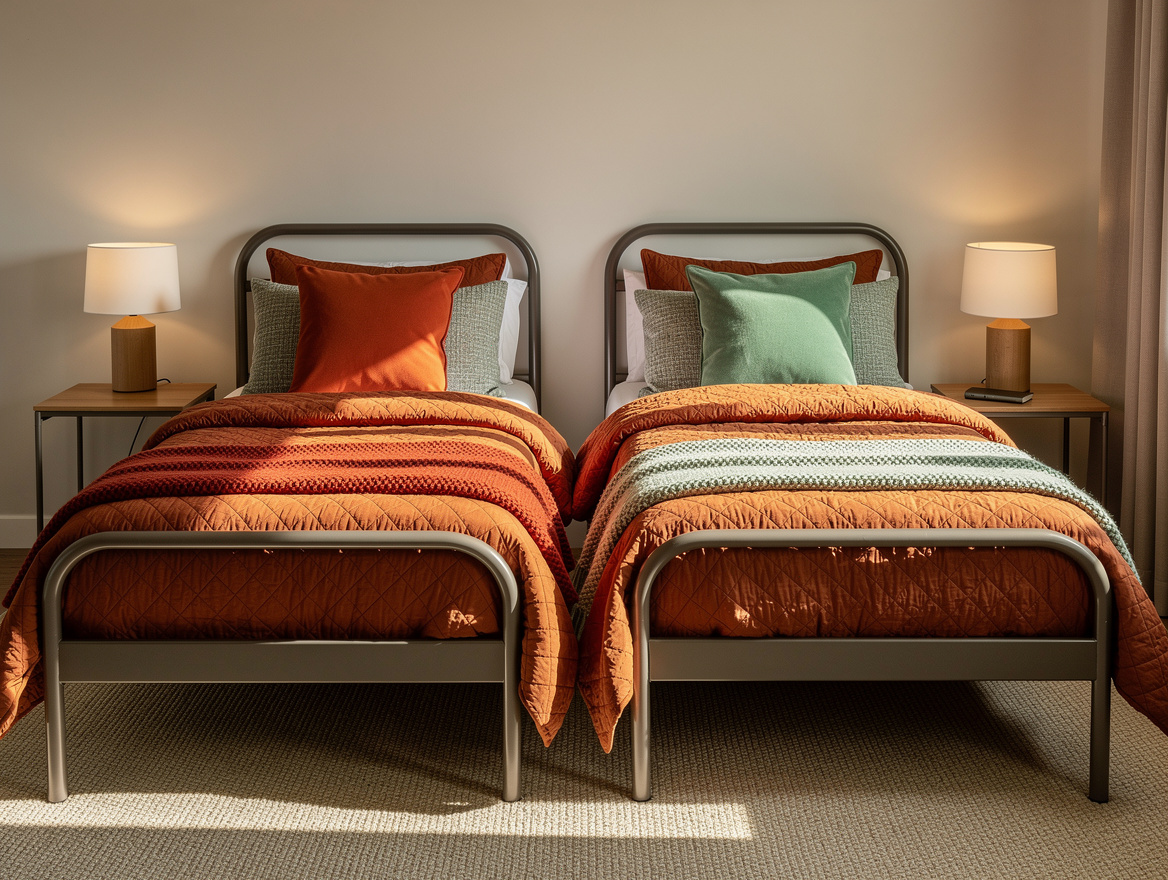
Not every room wants warm wood. In a tight guest room or a narrow shared kid room, an open powder-coated steel frame can make the whole space feel lighter because you keep more visible air around the bed.
The look works best when the frame lines are simple and the bedding does the softening. At Lowe’s and Amazon, metal twin frames often fall around the more budget-friendly part of the market, roughly $150 to $300 with a basic mattress, and that value is hard to argue with.
My one rule here is to avoid fussy scrollwork. Clean black, white, or soft bronze metal looks sharper, and it won’t fight the rest of the room five months later.
Choose Twin XL for Tall Teens and Real Guests
A standard twin is fine until the sleeper is tall, then the room starts feeling stingy. A twin XL mattress, usually around 38 by 80 inches, buys a bit more legroom without changing the width, which is exactly why it works in narrow rooms.
I’d consider this first in a teen room, a dual-use office-guest room, or any house where adult guests stay more than one night. On Costco, Wayfair, and Amazon, Twin XL options usually cost a little more than standard twin, but the difference is often minor compared with the comfort payoff.
This is a boring upgrade on paper, and a very smart one in real life. Most people notice throw pillows before they notice dimensions, but the sleeper notices dimensions first.
Build In Storage Before You Buy Extra Furniture
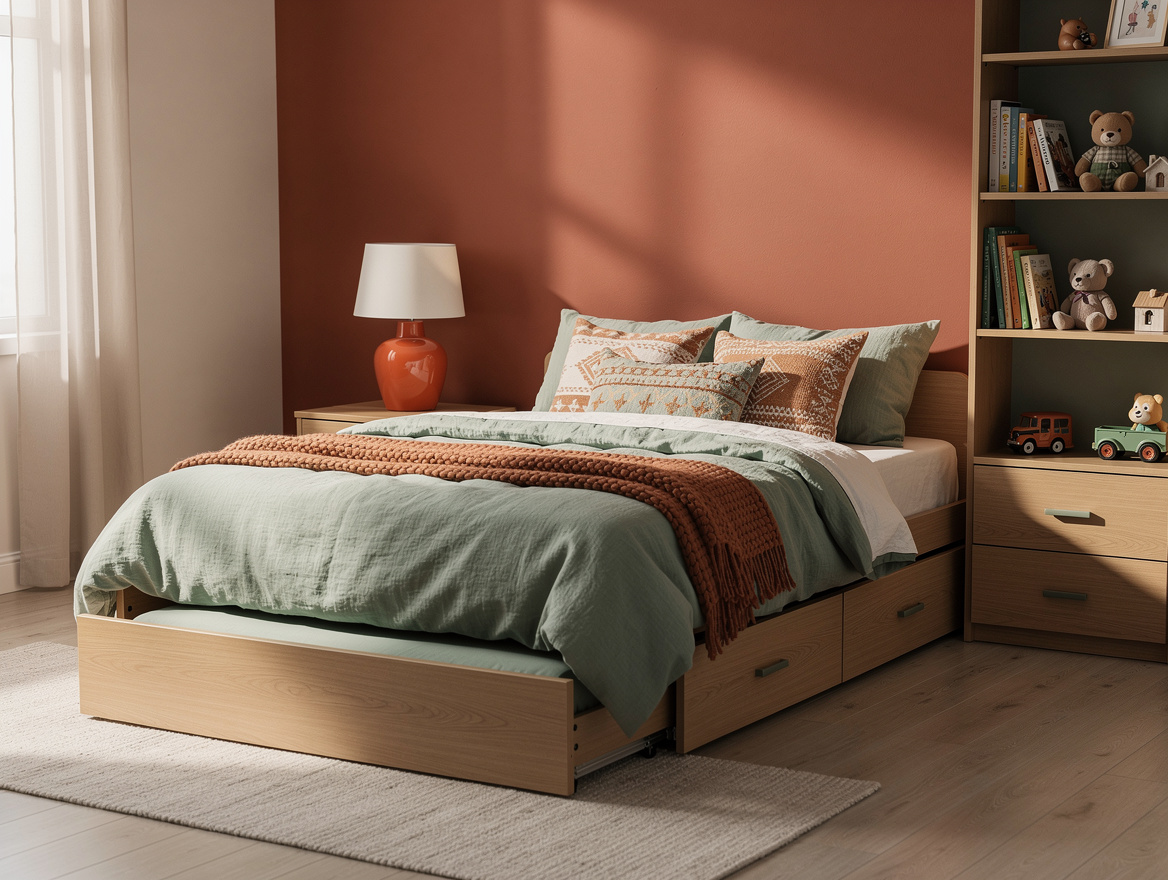
If the room is short on closet space, let the bed do some of the work. A captain’s bed with drawers can replace a dresser for younger kids or hold spare sheets and towels in a guest room that lacks built-ins.
This is the category where prices climb fast, because storage adds hardware, weight, and bulk. At Target, Wayfair, and IKEA, storage-heavy twin frames often land around roughly $300 to $800 for the frame alone, and a full setup can push well past that depending on the mattress.
I only recommend it when the drawers can actually open fully with the room’s layout. If nightstands, doors, or radiators block the pull, choose under-bed bins instead and keep the frame simpler.
Measure the walkway first, then pick the bed type that supports the room’s real job. If you get that decision right, the bedding and decor become easy, and the room stops arguing with itself.
Mia Carter writes about small-space living and budget home makeovers. She has restyled three rentals and tests most ideas in her own 45 sqm flat.