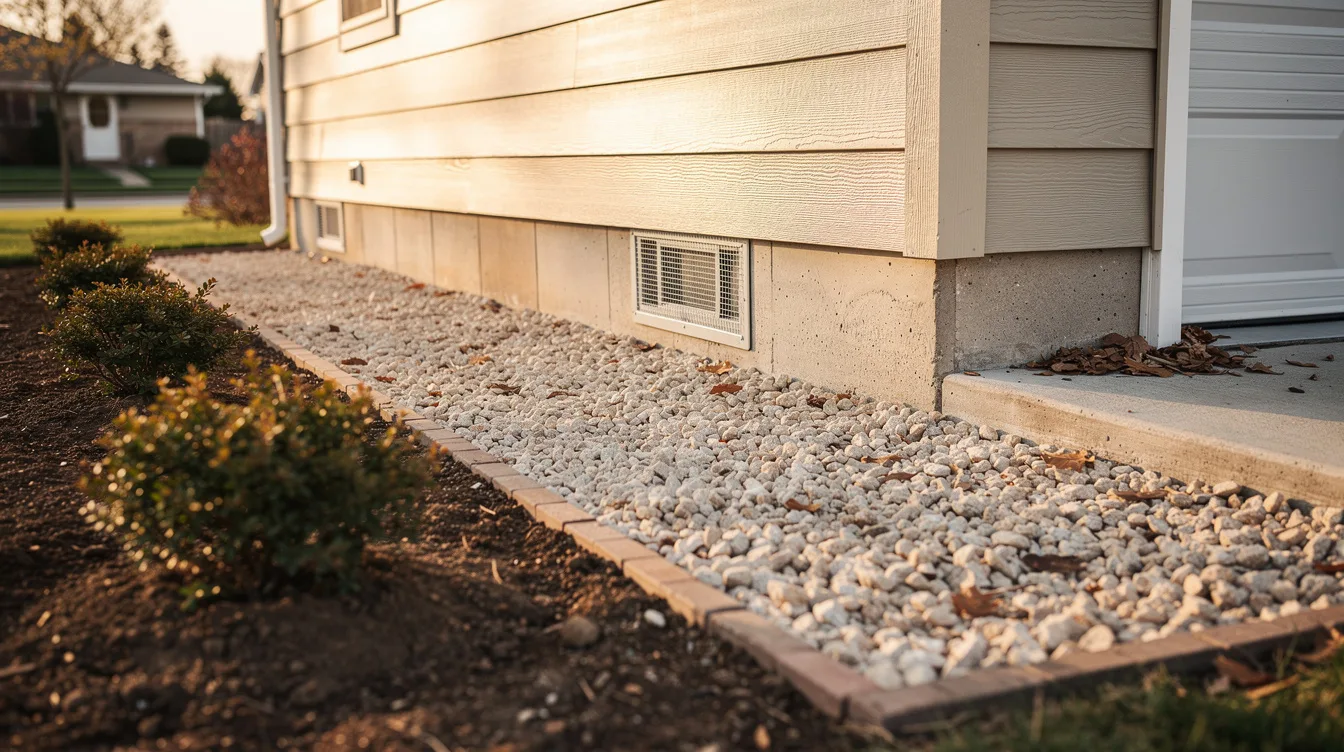
I once noticed a strip of dry leaves under a garage door and a little bark mulch piled against a wall, and both looked too minor to matter. That’s exactly why these mistakes are dangerous: they read as normal house clutter until you picture wind-driven embers finding every opening and every scrap of fuel.
Fire season prep is full of fixes like that. Small gaps, cheap materials, and one bad storage habit can change the risk around a home fast, and most of them cost less than people expect.
Replace vent screens that can fail under embers
The mistake looks harmless because the openings seem tiny, but attic and soffit vents are one of the first places embers get inside. If your vent screen is plastic, brittle, or visibly wide, I would treat it as a weak spot now, not later.
A safer move is swapping in 1/8-inch galvanized hardware cloth or a listed ember-resistant vent from Home Depot or Lowe’s. Typical material cost for basic metal mesh runs about $20 to $60 per roll, while ember-resistant replacement vents often land around $40 to $120 each.
I’m opinionated on this one: coarse mesh is a false sense of security. If you can clearly see daylight through wide openings from a few feet away, the screen is probably too open for fire season comfort.
Seal the skinny gaps where embers and smoke actually travel
Most people look for flames and ignore the pencil-width gaps around utility lines, siding joints, and the top edge of the foundation. Those little breaks are exactly where heat, ash, and embers sneak in long before a wall ever looks threatened.
Walk the house with a flashlight and check around AC line penetrations, cable entries, hose bibs, and vent caps. A tube of 3M Fire Block Sealant from Ace Hardware or Amazon is typically about $10 to $15, and a full house often needs 5 to 10 tubes or cans if you’ve never done it.
The obvious-in-hindsight clue is dirt streaking around a gap. If dust can collect there, wind can push embers there too.
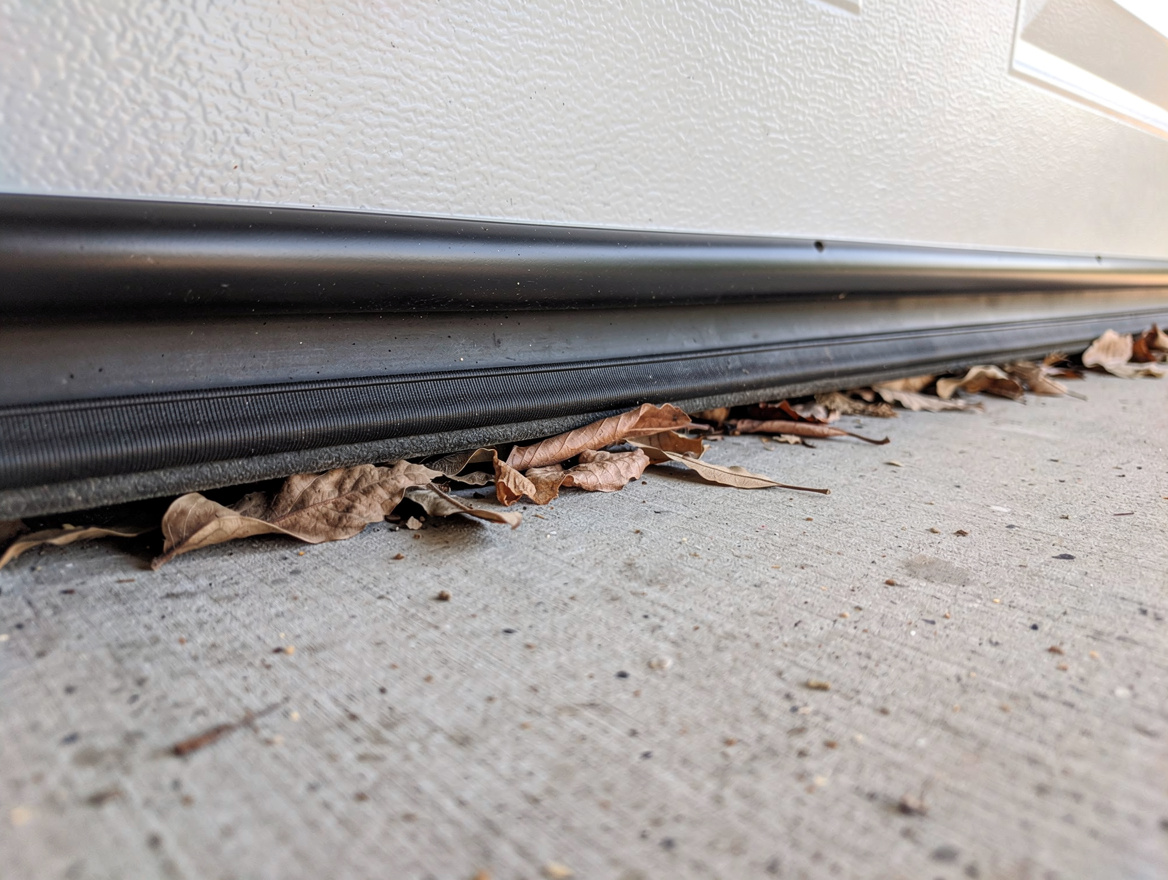
Stop treating the garage door like a harmless draft problem
The line of leaves that always blows under the garage door is not just annoying. It’s a map of the opening that embers will use.
Close the door in daylight and look for light at the bottom corners and side rails. A new garage door bottom seal or side weatherstrip kit from Home Depot usually costs about $15 to $35, and installed replacement is often in the $100 to $250 range per door.
I’d fix this before buying another outdoor tool or storage bin. A garage packed with cardboard, paint, and holiday decor is exactly the wrong room to leave exposed.
Clear the first three feet instead of just tidying the yard
This is the mistake I see most often because it still looks neat: fresh mulch, a cute planter, and a pair of chairs pushed right against the wall. The area that matters most is the first 3 feet around the house, and it should read sparse, mineral, and boring.
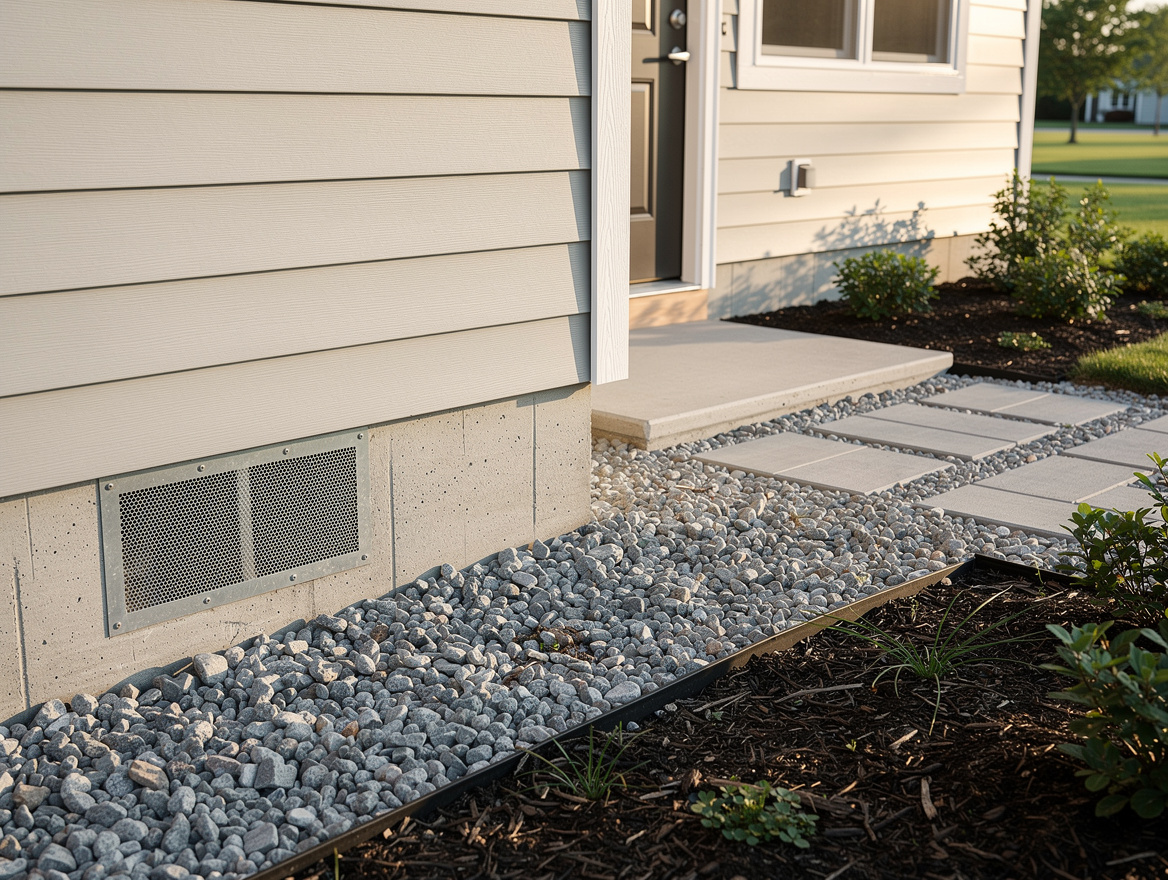
Swap bark mulch for gravel, stone, or pavers in that perimeter zone. Typical gravel material cost from Lowe’s or Home Depot is often around $15 to $25 per square yard equivalent in bags or bulk, while installed stone work can rise to roughly $4 to $8 per square foot.
A concrete paver strip also works well around doorways, porch posts, and the base of steps. It is less cozy than mulch, but I trust hardscape near siding far more than any shredded wood product.
Move the things you keep storing against the house
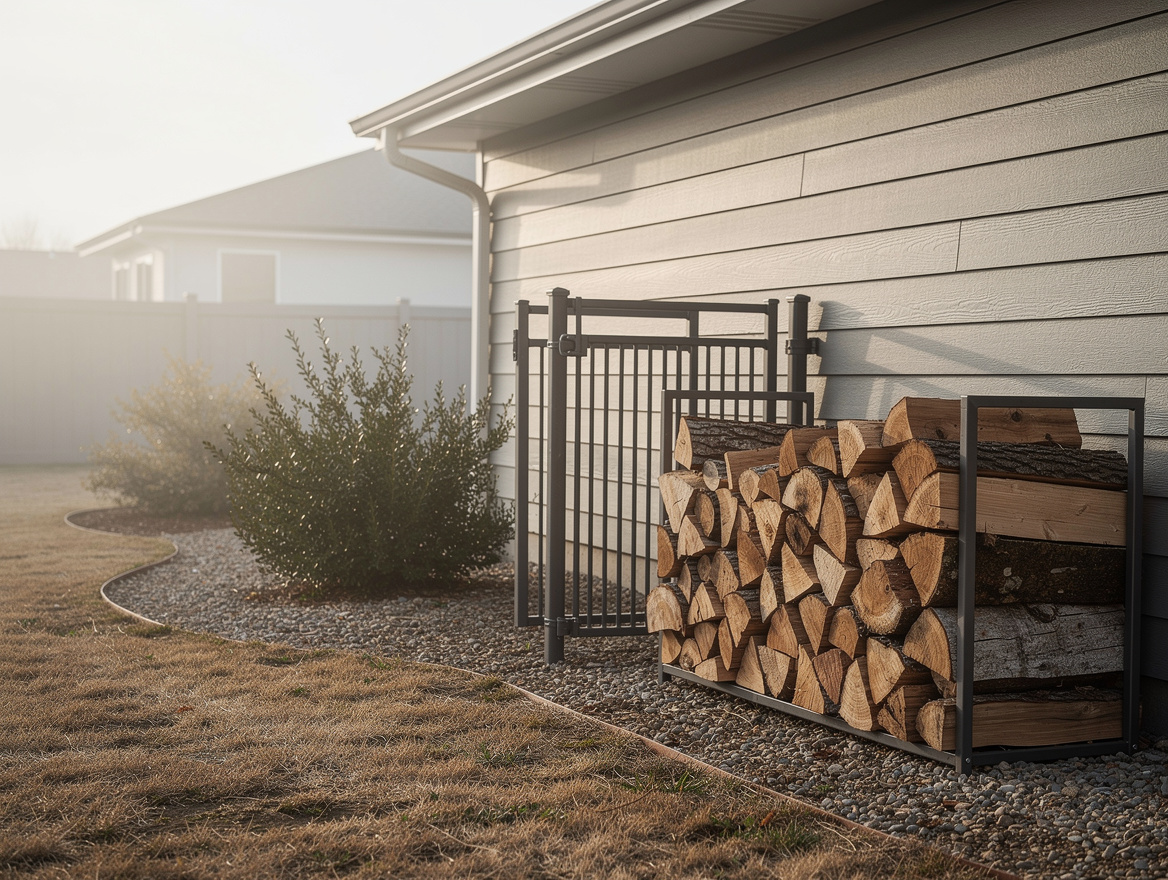
People think of risk as trees and brush, then leave the easy fuel in the worst place possible. Firewood, spare lumber, plastic storage bins, door mats, and patio cushions often end up tucked under an overhang right against the wall.
Create a hard rule: nothing combustible lives in that near-house zone during fire season. Move firewood stacks, trash cans, and extra seating at least several feet away, and give special attention to anything below windows or beside a garage wall.
If you need outdoor storage, a metal deck box from Wayfair, Target, or Costco is a smarter buy than another resin bin. Typical pricing is around $150 to $300, and I’d take steel over plastic every time for this use.
Break the wood path that carries flame to the house
One detail almost nobody notices until someone points it out: a wood fence touching the house can act like a fuse. The last few feet matter more than the rest of the fence line.
If your fence ties directly into siding, stucco, or a deck post, replace that final section with steel fence panels, masonry, or another noncombustible break. At Home Depot and Lowe’s, typical steel panel pricing varies a lot by height and finish, but a short transition section is still cheaper than replacing a burned corner of the house.
The same logic applies to gates, trellises, and lattice screens. I’d rather interrupt the look a little than keep one uninterrupted wood line straight to the wall.
Start with the spots where wind already leaves evidence: vent openings, dusty wall penetrations, and that dirty line under the garage door. Then clear the first 3 feet around the house before you spend a dollar on prettier yard upgrades.
Mia Carter writes about small-space living and budget home makeovers. She has restyled three rentals and tests most ideas in her own 45 sqm flat.