
A cozy detail room for a snug hidden retreat can be done without a full remodel, and most living rooms land anywhere from $300 to $1,200 when you’re working with paint, textiles, art, and lighting instead of custom millwork. I did mine after getting tired of one dead corner by the sofa that looked fine in daylight and weirdly exposed at night. So I stopped treating it like leftover space and started building a hideaway that felt tucked in, warm, and worth crossing the room for.
Here’s what it looked like before: the Curtain-First Problem
Before I changed anything, this part of the living room had that classic almost-room energy. You know the kind.
A wall, a sofa, a lamp, and just enough square footage to make you think you should do something with it, but not enough clarity to make a decision stick. Mine had a Benjamin Moore Revere Pewter HC-172 wall, one undersized chair, and no visual reason to walk past the fireplace.
The bigger issue wasn’t clutter. It was exposure.
The sofa sat about 38 inches deep, the walkway beside it felt too open, and every reading setup I tried looked temporary instead of settled. I kept piling on throws and moving books around, but the room still felt like one long rectangle with nowhere to exhale.
If you’re trying to carve out a hidden zone in a living room, that open edge is usually the real problem.
I also learned that the before phase doesn’t need drama to be wrong. Mine wasn’t ugly.
It just had no threshold, no hush, no moment of reveal. Once I saw that, the whole plan got easier, and the whole corner started asking for a softer, snugger fireplace wall.
- Pull the curtain wall behind the sofa
- Line the hidden nook with caramel velvet
- Tuck a bookcase door beside the fireplace
- Why do sconces calm the hidden opening?
- Slide a lounge chair under the arch
- Mix warm grasscloth against oak trim
- Hide the seam with stacked art
- Place a tiny ottoman for reading
- Let Farrow & Ball set the ceiling mood
- Layer a wool rug inside the hideaway
- Mount floating shelves for old paperbacks
- Drape the entrance with linen panels
- Use an Edison brass lamp on the ledge
- Style the reveal with collected baskets
- Close it with a soft picture light
1Pull the curtain wall behind the sofa
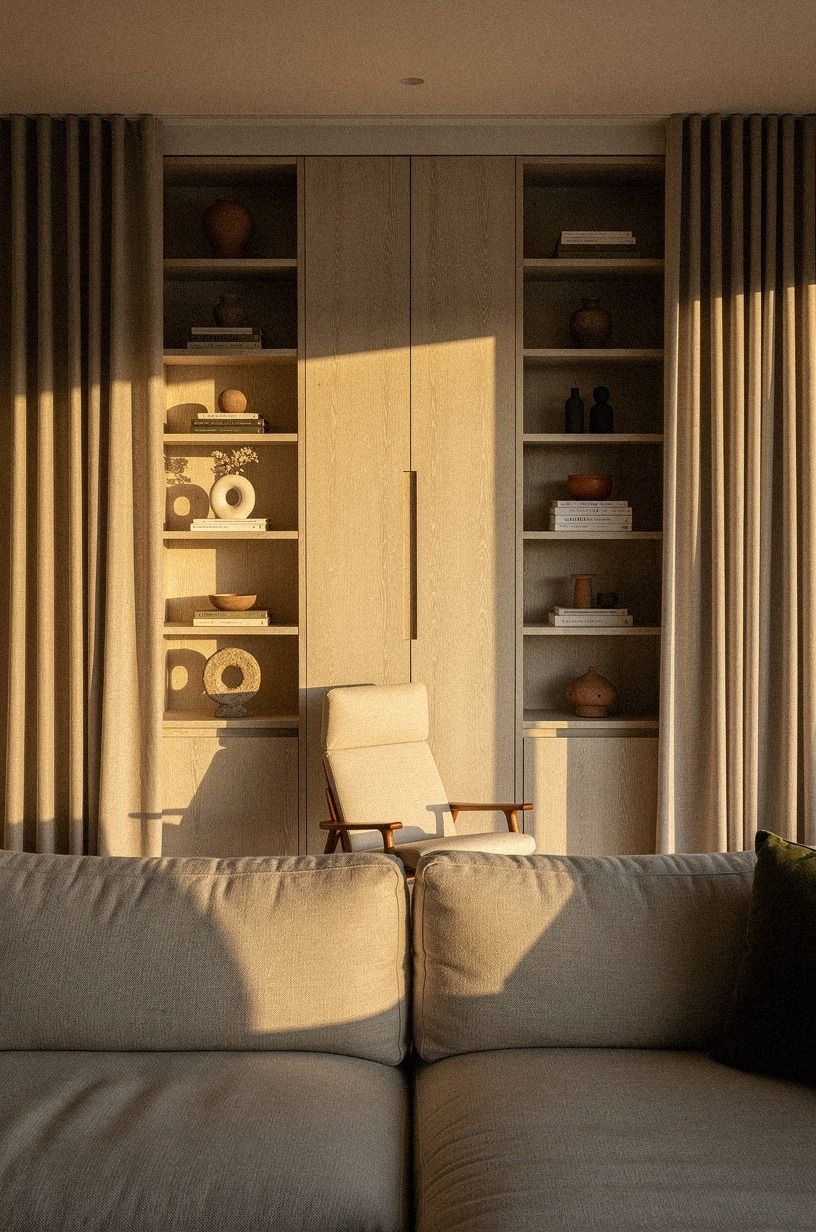
This was the move that changed everything for me because it created privacy before I bought a single decorative thing. I ran a ceiling track just behind the sofa and let full-height Belgian flax linen panels gather into a soft wall, then pulled them back to reveal the retreat.
If your sofa is in that 35 to 40 inch depth range, giving yourself a hidden strip behind it makes more sense than trying to jam another console into the same footprint. The shift feels immediate. Suddenly the room reads hushed, protected, and a little more intimate.
What made it feel convincing was the built-in side of the scene. I framed the opening so the cerused white oak shelving looked intentional, not like an afterthought tucked behind fabric.
Books stacked low. One reading chair.
A reveal that felt quiet instead of theatrical. And if you’re weighing curtain versus hard door, I still think fabric wins first because you can adjust it in one afternoon and learn how much closure you really want before spending more.
I tied this into my hidden entrance guide that focuses on doors that feel believable because the best living room hideaways don’t announce themselves from the main seating zone. They soften the edge. That’s the part that worked, especially once the ceiling track disappeared into the trim.
2Line the hidden nook with caramel velvet
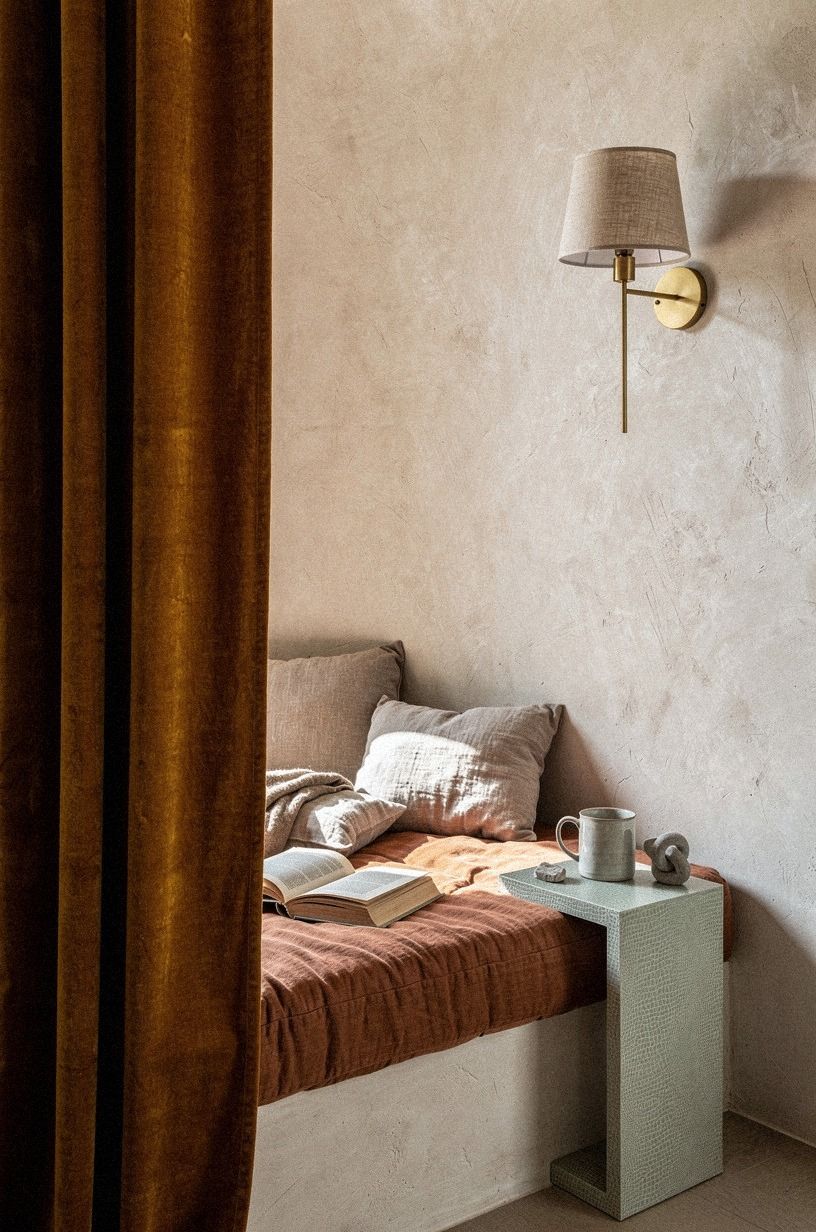
Once the opening existed, the nook still needed warmth on the inside or it would’ve felt like a passage instead of a destination. I lined the back cushion wall in 18 oz cotton velvet in a caramel tone, and suddenly the room had that muffled, low-sound quality I wanted. Not dark, not heavy, just held.
If you are building your own tucked-away reading nook, this is where I would spend before I bought another accessory. Texture close to your shoulder matters more than another tray or vase ever will. It makes the space feel plush, cocooned, and quietly luxurious.
I tried a plain cotton first and it looked flat by 3 p.m. The velvet caught the side light, deepened the color, and made the whole nook read as a place to stay with a book, not a corner you styled for five minutes. That’s when the side light started doing real emotional work.
You can keep the rest restrained. Cushions in Farrow & Ball Hague Blue No.30 territory if you want depth. A small shagreen side table if you need one hard surface.
But the caramel wrap is what turns the threshold into a retreat you feel in your body. I borrowed some of that layered softness from this bedroom hideaway piece with softer palettes, and the whole nook felt richer once the caramel velvet started reflecting the lamp glow.
3Tuck a bookcase door beside the fireplace
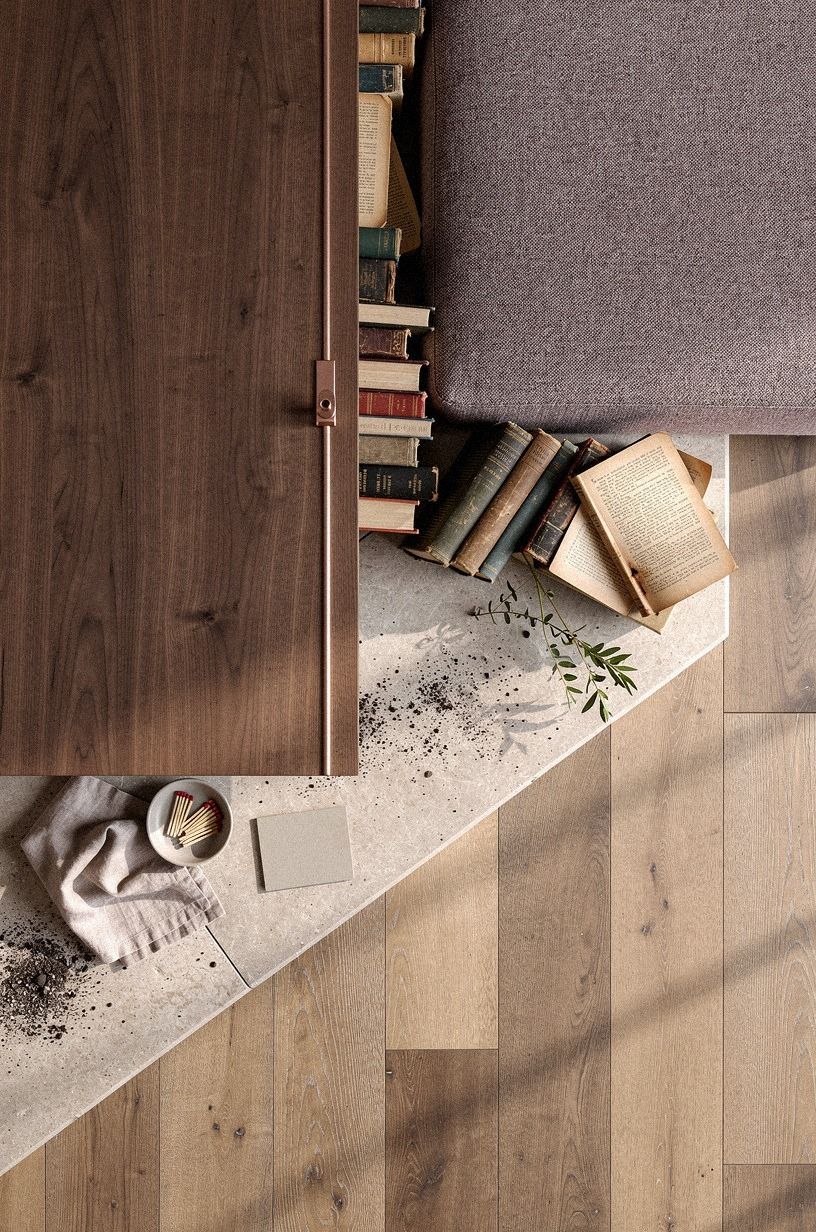
I love a bookshelf door, but only when it earns its keep. Beside the fireplace, it did. The walnut panel let the entrance disappear into something the room already needed, and the old paperbacks on the shelves made the hinge line feel less obvious from overhead and from the sofa.
This is where proportion matters. Your hidden opening can’t make the hearth feel chopped up. I kept the bookcase width close to the visual weight of the mantel edge and let a floor cushion sit just beyond the swing so the space looked occupied the second the door opened.
If you are drawn to the classic library look, my bookshelf door inspiration roundup is useful, but I would still tell you to skip anything too bulky in a modest living room. Slimmer always reads more believable near a mantel edge.
But here’s the thing: a closet-hideout vibe can feel gimmicky next to a fireplace if the finish is wrong. Walnut veneer or stained oak works. Bright white melamine doesn’t.
The wood needs enough depth to belong near flame, brick, and paper. When it does, the whole move feels moody, grounded, and quietly smart instead of novelty-driven, especially beside a brick surround.
4Why do sconces calm the hidden opening?
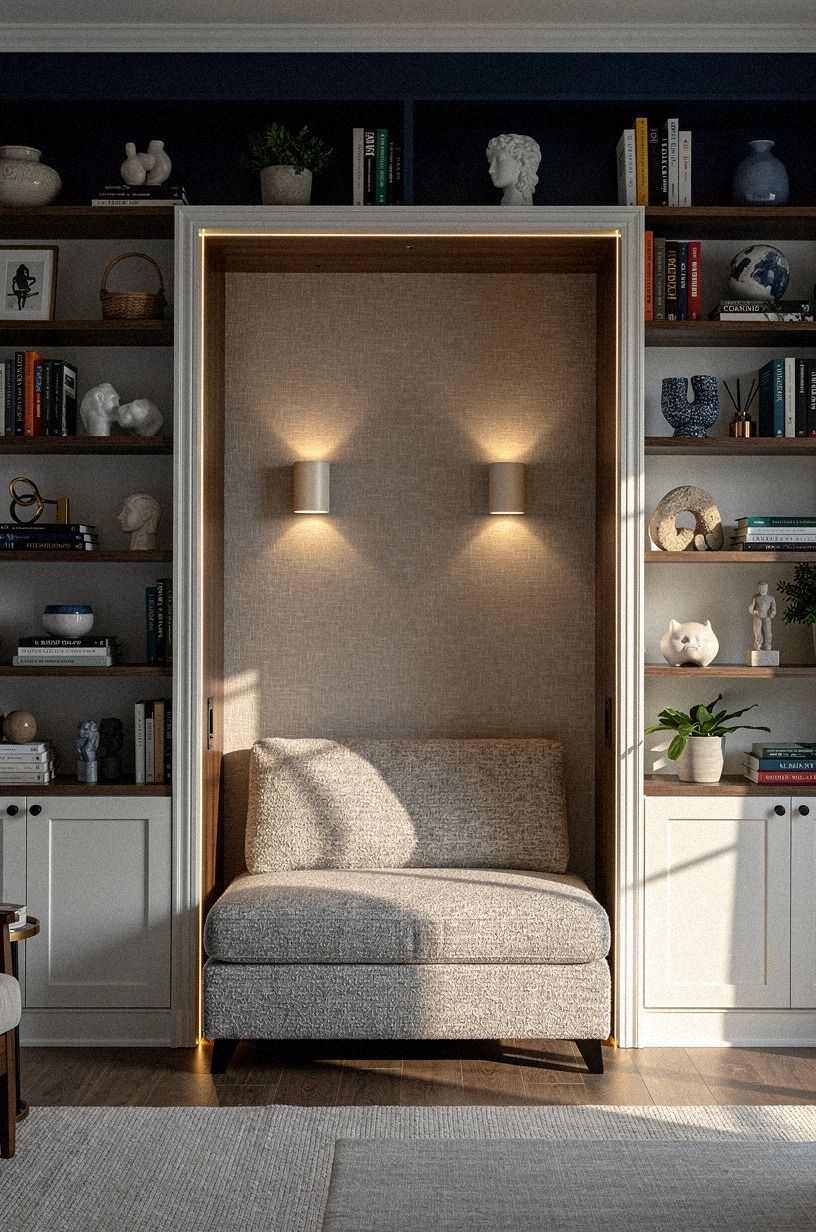
The opening looked flat until I lit the inside edges. Two small plug-in sconces changed the mood faster than any pillow ever could.
What they fixed was contrast. The main room already had broader light, but the retreat needed a gentler, narrower glow that felt sheltered rather than exposed. Once the sconces were in, the entrance looked calmer, softer, and much more intentional.
I chose shades in an aged bronze finish so the metal stayed warm against the books and trim. Cooler hardware would’ve made the opening feel sharper than I wanted.
If you are doing this in a rental, do not overthink it. Run the cord neatly, keep the bulb warm, and let the light sit low. That little amber halo is what makes the nook feel snug, welcoming, and a bit secretive without shouting about itself, especially once the warm bulb hits the fabric wall.
5Slide a lounge chair under the arch
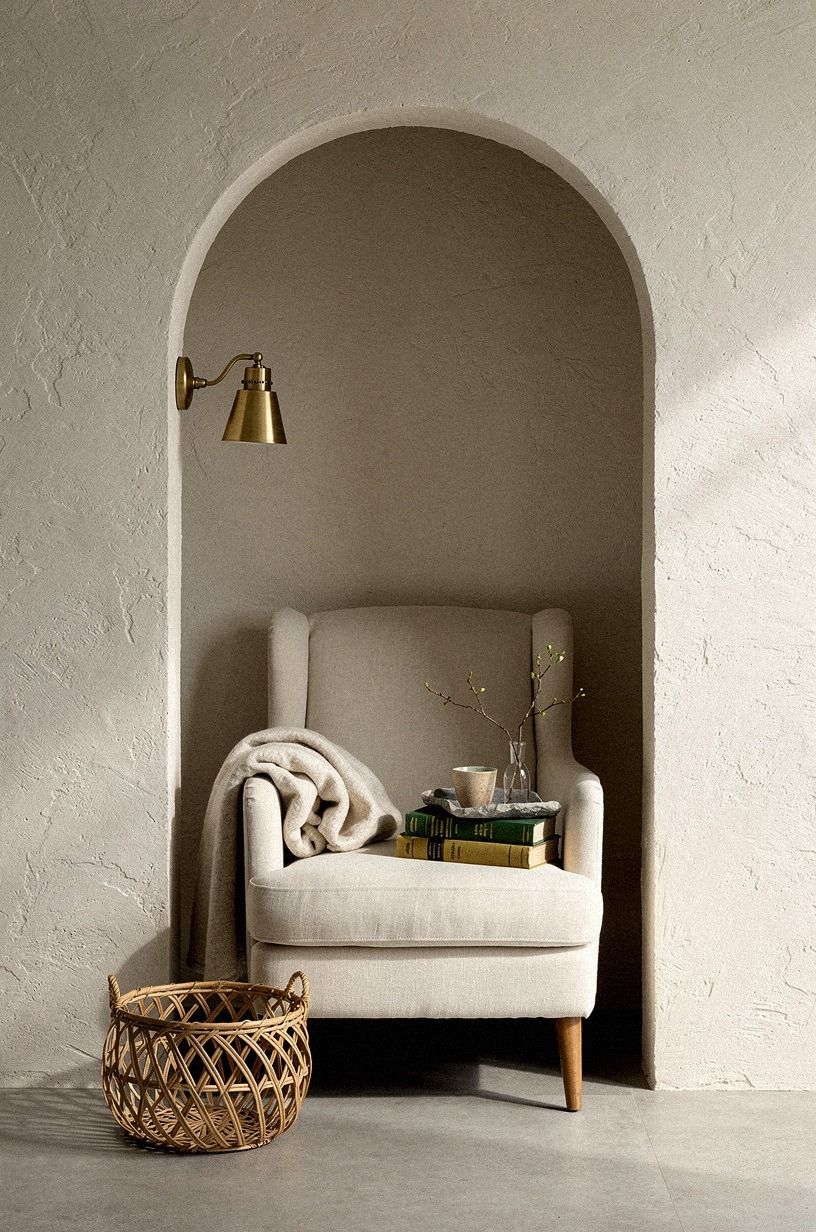
A chair under the arch makes the nook feel claimed. I tested a larger club chair first and it ate the opening alive, so I switched to a smaller cream seat with a rounded back and lighter legs.
Better instantly! You still got comfort, but you could see the curve of the arch and the folded throw draped over the arm.
If you are planning a tucked-away reading corner, keep the chair human-scaled and the gesture generous. A single mohair throw.
One stack of books. A reading light that doesn’t glare into the main room.
I learned the hard way that overfilling the nook makes it feel less private, not more, because every inch starts asking for attention. The quieter choice looked softer, calmer, and way more inviting once the rounded chair back stopped blocking the opening.
And if your arch is shallow, think in height layers instead of footprint. That is my Three-Height Light Stack in practice: low chair, mid lamp, taller shelf line.
It gives your eye somewhere to travel without crowding the floor. I also like the scale discipline in this closet hideout guide for tighter footprints, especially if you’re fighting for inches around a reading chair.
6Mix warm grasscloth against oak trim
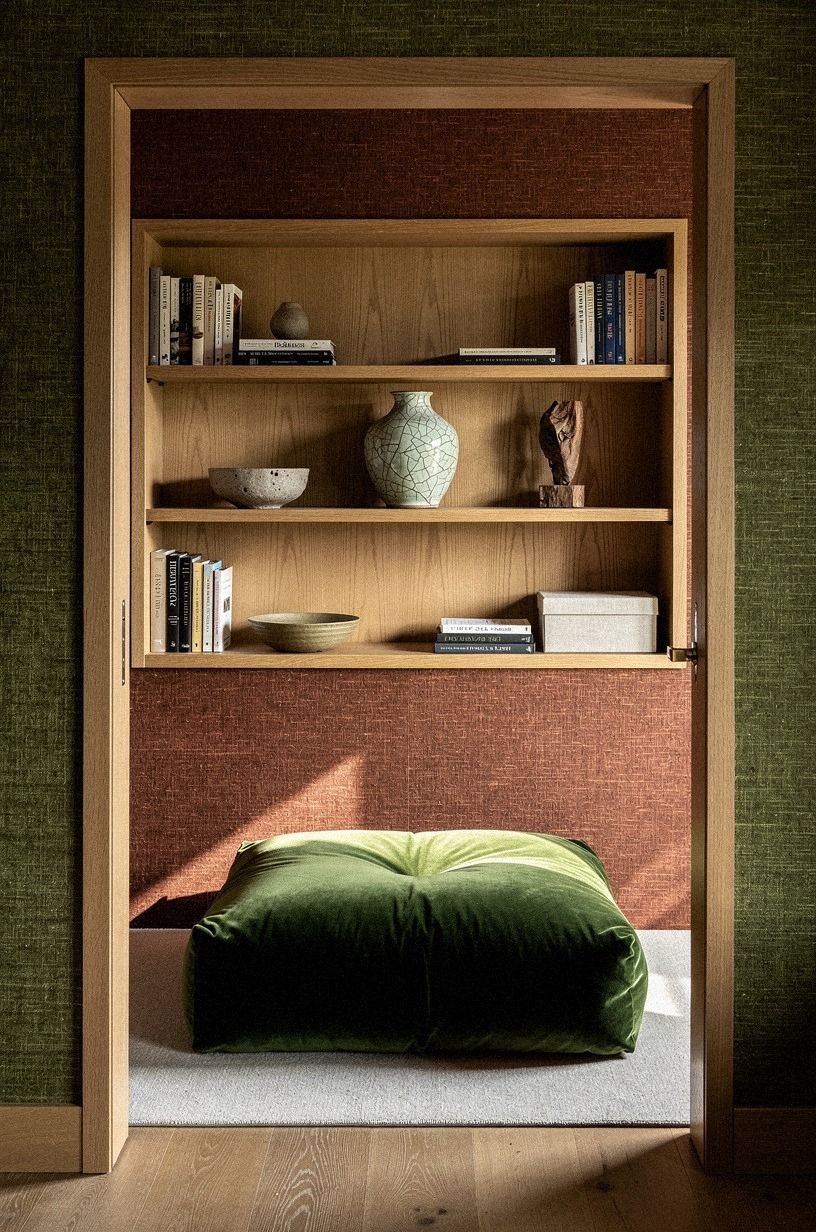
This was my splurge moment, and I don’t regret it. Warm grasscloth on the inside walls made the retreat feel built, not decorated, especially once the woven grasscloth picked up the cushions and natural oak tones.
Paint can deepen a nook, sure, but grasscloth changes the acoustics a little too. The room quiets down. That extra hush feels mellow, enveloping, and surprisingly restful at night.
I went with a tone close to Sherwin-Williams Evergreen Fog SW 9130 rather than a cooler gray-green because the living room needed warmth more than drama. That mattered at night.
A moody color that turns muddy under lamplight is a waste of effort, and I nearly made that mistake. If you are nervous about going dark, start with the interior walls only and leave the outer room softer. The contrast against the oak trim is what keeps the nook from feeling flat.
You can see a similar small-footprint payoff in this closet hideout article. Texture is what sells the enclosure.
Not square footage. And yes, the space feels warmer, richer, and far more cocooning with the inner wall finish in place.
7Hide the seam with stacked art
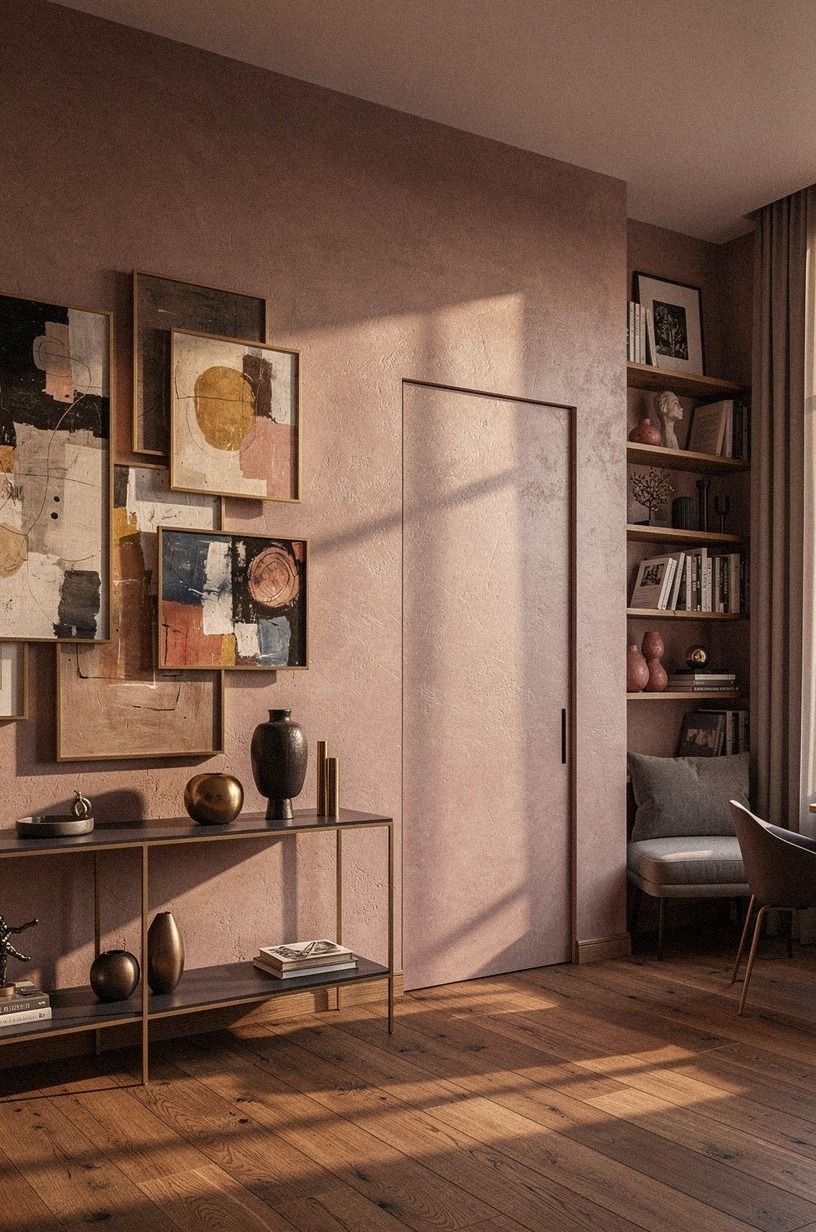
The seam of a concealed panel will betray you if you leave it lonely. A staggered cluster of vintage frames gives the eye something prettier to read first.
I leaned three pieces and hung two, then let the lower edge overlap the join line by just enough to blur it. Not sloppy.
Just relaxed. That tiny bit of visual noise made the panel feel older, softer, and less engineered.
The trick, if there is one, is scale. One large piece will spotlight the seam. Smaller layers in mixed heights make the edge feel natural, especially once the matte brass hook disappears into the arrangement.
If you’re styling a reveal wall, keep the palette warm and the subjects mellow. Charcoal sketches, sepia paper, muted botanicals.
Nothing too graphic. The room should feel tender, collected, and gently worn, not like a gallery pinned onto a concealed panel.
8Place a tiny ottoman for reading
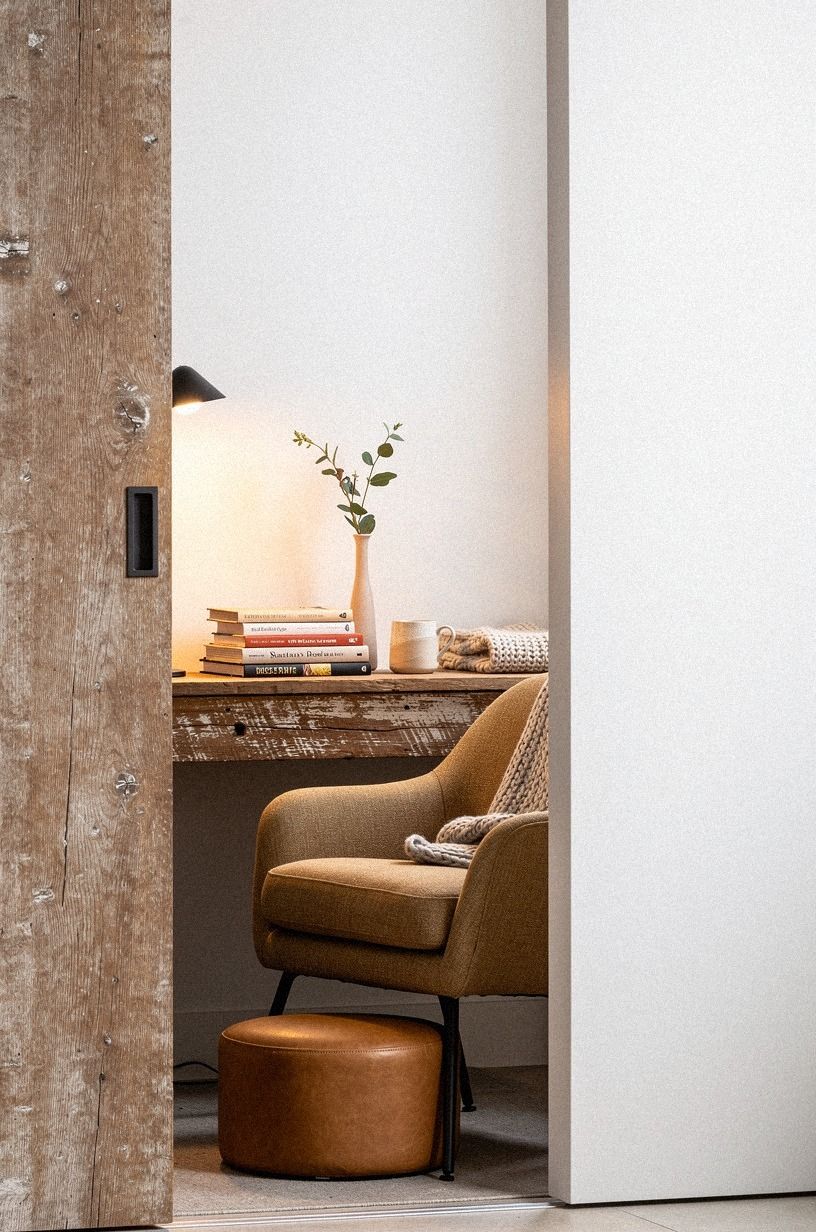
This seems minor, but it changed how long I stayed in the nook. A small camel ottoman gave the chair a place to land without turning the floor plan into furniture soup. When the seat is low and the opening is compact, your body notices whether your feet are supported within about ten seconds.
I picked a slim leather ottoman instead of a boxy storage cube because the shape kept the passage open. If you’ve only got a narrow slide past the panel, lighter visual weight matters more than hidden storage.
Real talk: storage cubes promise a lot and usually make a small room look like a waiting area. The slimmer choice felt neater, calmer, and much more tailored once the camel leather picked up the warm wood tones.
This is also where you can borrow scale cues from my kids’ hidden hangout roundup, oddly enough. Smaller rooms teach discipline.
One chair, one ottoman, one stack of books, and you’re done. That’s enough to keep the retreat feeling airy, snug, and believable around a narrow passage.
9Let Farrow & Ball set the ceiling mood
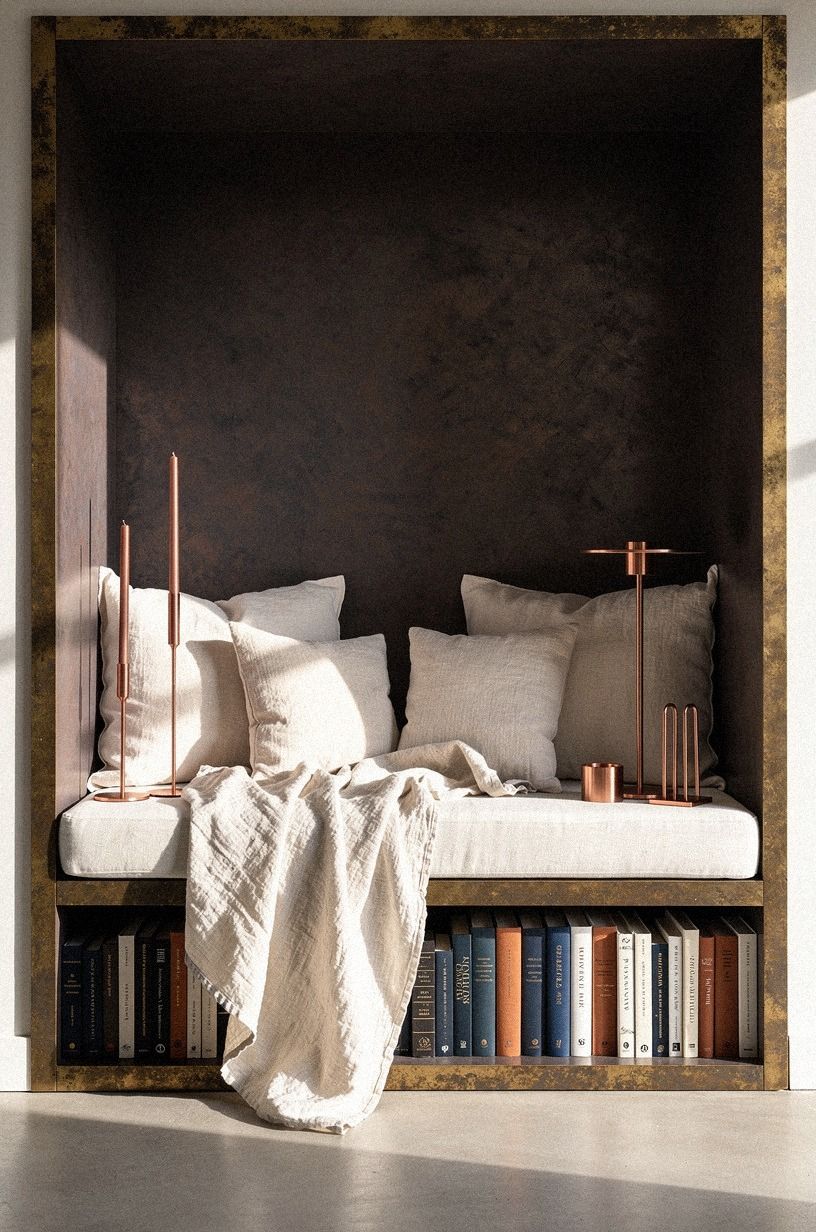
I almost left the ceiling white because that’s what people tell you to do in small spaces. I’m glad I didn’t. Painting it a smoky mushroom shade pulled the whole hideaway downward in the best way, like the ceiling was finally participating instead of floating above the room like an afterthought.
The real move here is to choose a color with enough brown in it to stay soft under warm light. I tested something cooler first and it went flat next to the ivory cushions and copper accents. A tone close to Farrow & Ball Elephant’s Breath No.229 did much better.
The room felt lower, quieter, and more deliberate, especially from that floor-level view when you step in and look up. That slight depth shift made the nook feel sheltered, smoky, and surprisingly serene around the painted ceiling.
Would I do this in a tall white box with no texture anywhere else? Probably not. But in a reading hideaway with fabric, wood, and lamplight, a darker ceiling reads intimate, not cramped.
If you’re balancing depth and softness, this bedroom retreat roundup shows how darker tops can still stay gentle, especially when the ceiling color echoes the rug and trim.
10Layer a wool rug inside the hideaway
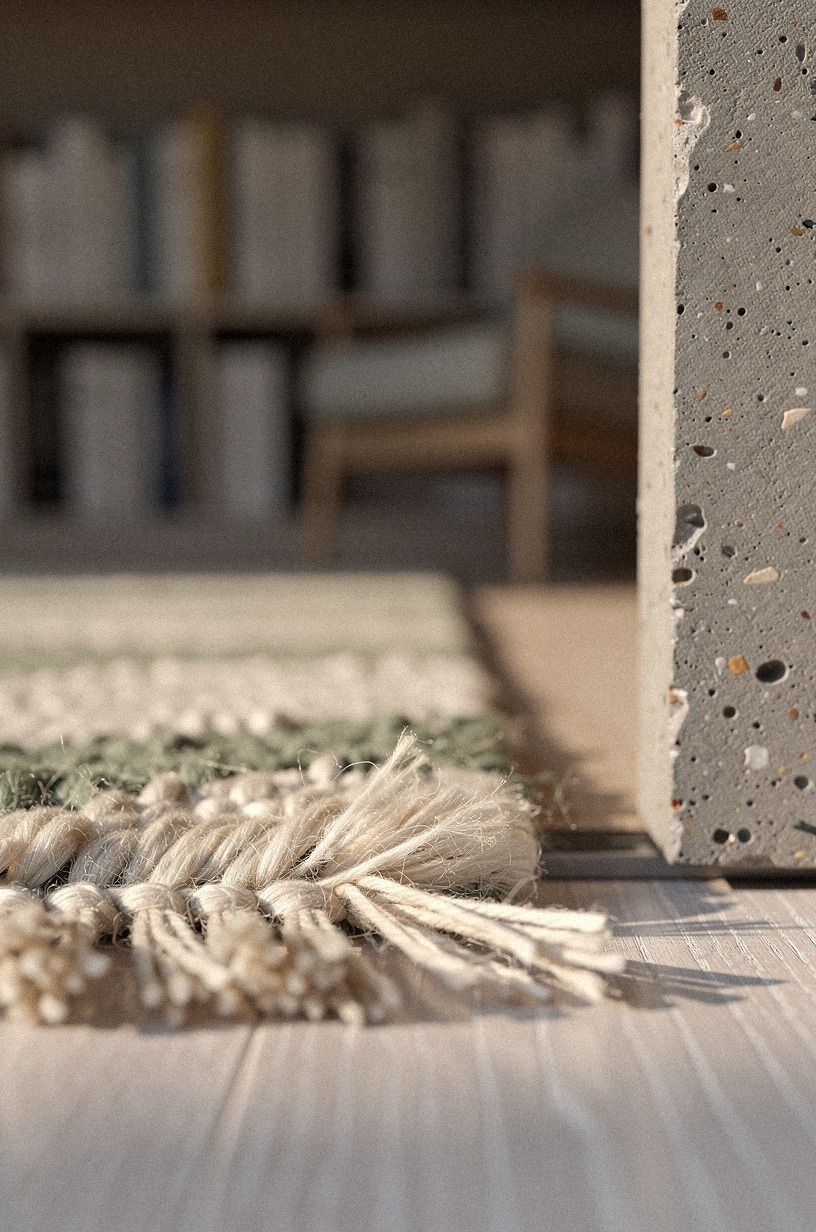
A wool rug at the threshold is one of those moves you feel before you register it. Mine sits with the front edge just inside the opening so the retreat has its own surface without disconnecting from the living room floor. That threshold line matters more than people think.
I stayed within standard sizing logic here. If you are extending the nook toward the main seating area, you still want the larger living room rug to catch the front legs of the seating, usually 8×10 or 9×12. Inside the hideaway, though, a smaller wool layer can do the emotional work.
Sage and cream wool over the oak floor edge gave the retreat a softer landing and made bare feet want to wander in. It feels plush, quiet, and just a little indulgent once the rug edge breaks up the harder flooring.
The fibers do not need a busy pattern. In fact, I’d skip it. My closet hideout guide made me even more convinced that texture wins over print in small enclosures.
Texture beats print in a space this tucked-in because it keeps the books, trim, and cushion palette from fighting each other. That restraint lets the wool pile do the cozy work without making the nook feel fussy.
11Mount floating shelves for old paperbacks
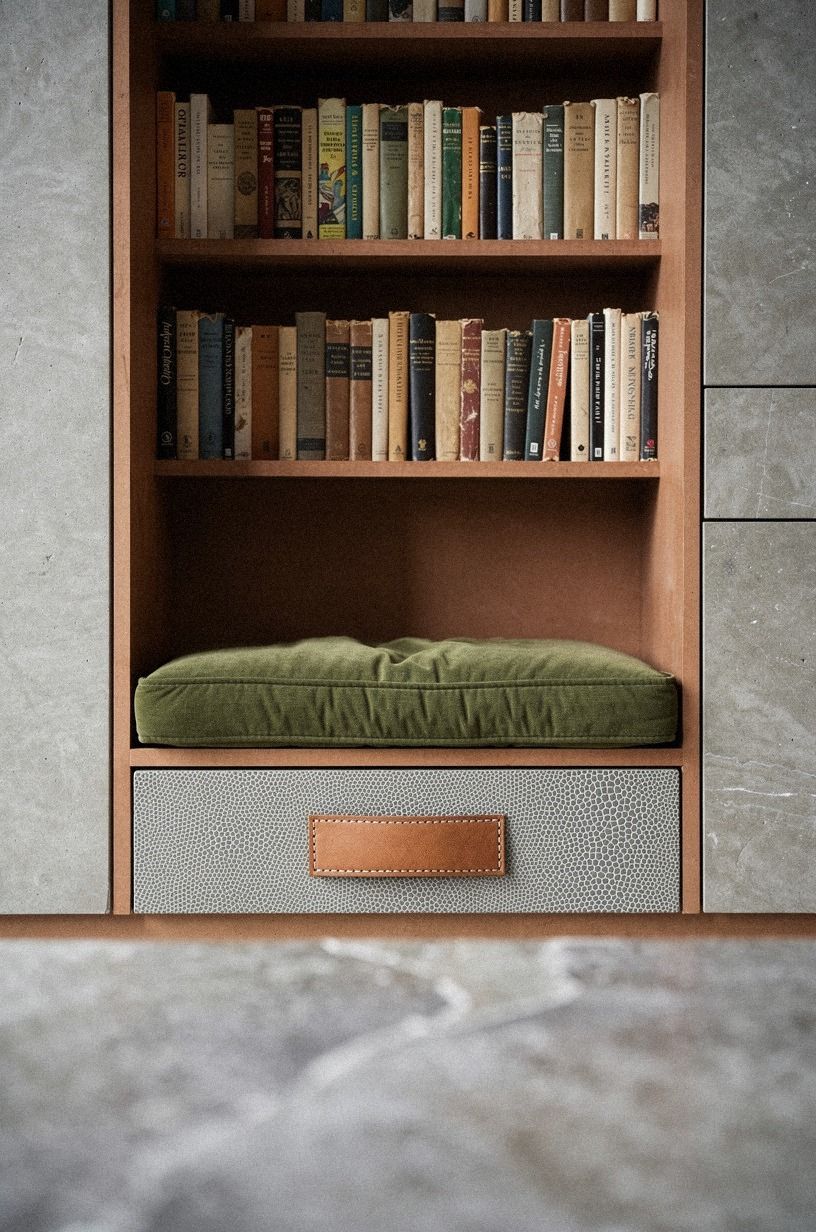
Floating shelves made the nook feel complete because they gave the eye somewhere to settle above the cushion line. I used shallow oak shelves so the books looked collected, not bulky.
Old paperbacks work especially well here because their faded spines soften the wall without turning it into visual clutter. A row of glossy new jackets would’ve felt louder and colder. The worn paper looked sweeter, quieter, and more lived-in.
Keep the depth modest. You don’t want the shelves clipping the chair path or making the nook feel top-heavy. I like the shelf restraint in this closet hideout guide for tighter footprints, especially when the paperback stack is doing double duty as decor and camouflage.
12Drape the entrance with linen panels
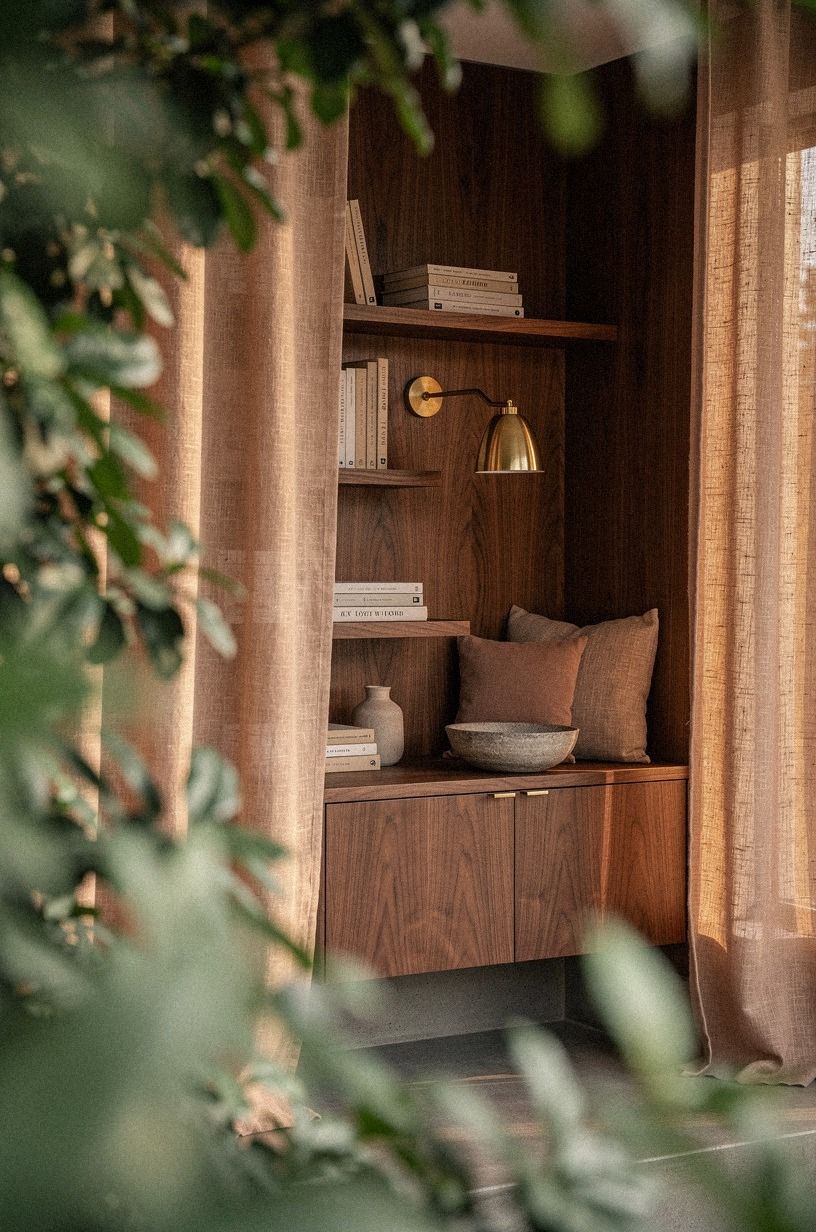
I know I started with a curtain wall, but adding softer linen panels at the actual entrance gave the room its final layer of privacy. The difference was subtle. The first curtain handled architecture.
The second handled atmosphere.
I used clay-toned linen drapes that could be pulled aside with one hand, which matters when you’re carrying a book, tea, or both. Nothing kills the mood faster than a fussy opening.
If you rent, this is also one of the easiest no-damage moves you can make. Tension hardware, lightweight fabric, done. And yes, it still reads custom when the folds are full and the color ties back to the chair, rug, or books.
The fabric made the entrance feel softer, sleepier, and more protected once the clay tone started echoing the caramel upholstery. That visual repeat matters.
This approach overlaps nicely with my hidden gaming setup guide because both need soft concealment without bulky doors. Fabric is forgiving. That’s why it works, especially when the full folds keep the opening from looking skimpy.
13Use an Edison brass lamp on the ledge
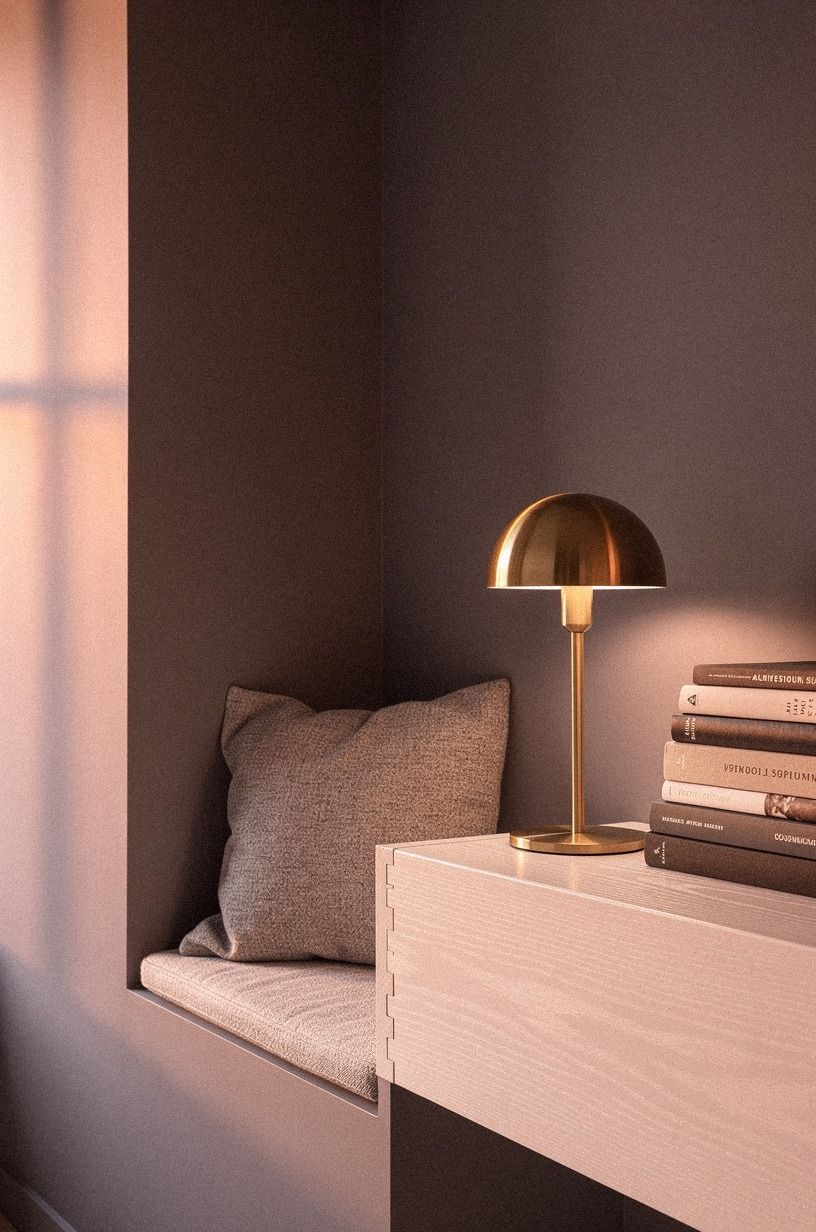
A brass lamp on the ledge made the nook visible from across the room without exposing everything in it. That’s the sweet spot. You want a glimmer that suggests a place to go, not a fully lit diorama.
I used a small Edison-style lamp with a warm shade so the light hit the plum-gray walls, the books, and the edge of the cushion in a diagonal sweep. The glow felt mellow, flattering, and a little dreamy.
This is my Lamp-Ledge Rule: if the hidden room is visible from the main seating area, one low lamp will pull you toward it better than a ceiling can. A lamp also gives you that uneven, residential light that feels far more personal than anything recessed.
The lamp doesn’t have to be expensive either. It just has to have the right glow line, and the linen shade is what keeps the beam from feeling harsh.
But do not pick polished chrome here. Antique brass or aged bronze belongs with walnut, navy, bouclé, and stacked books. Cooler metals break the spell too fast.
If you like lower-glow spaces, this gaming setup hideaway article has surprisingly good low-light references too, especially once you notice how the metal finish changes the mood.
14Style the reveal with collected baskets
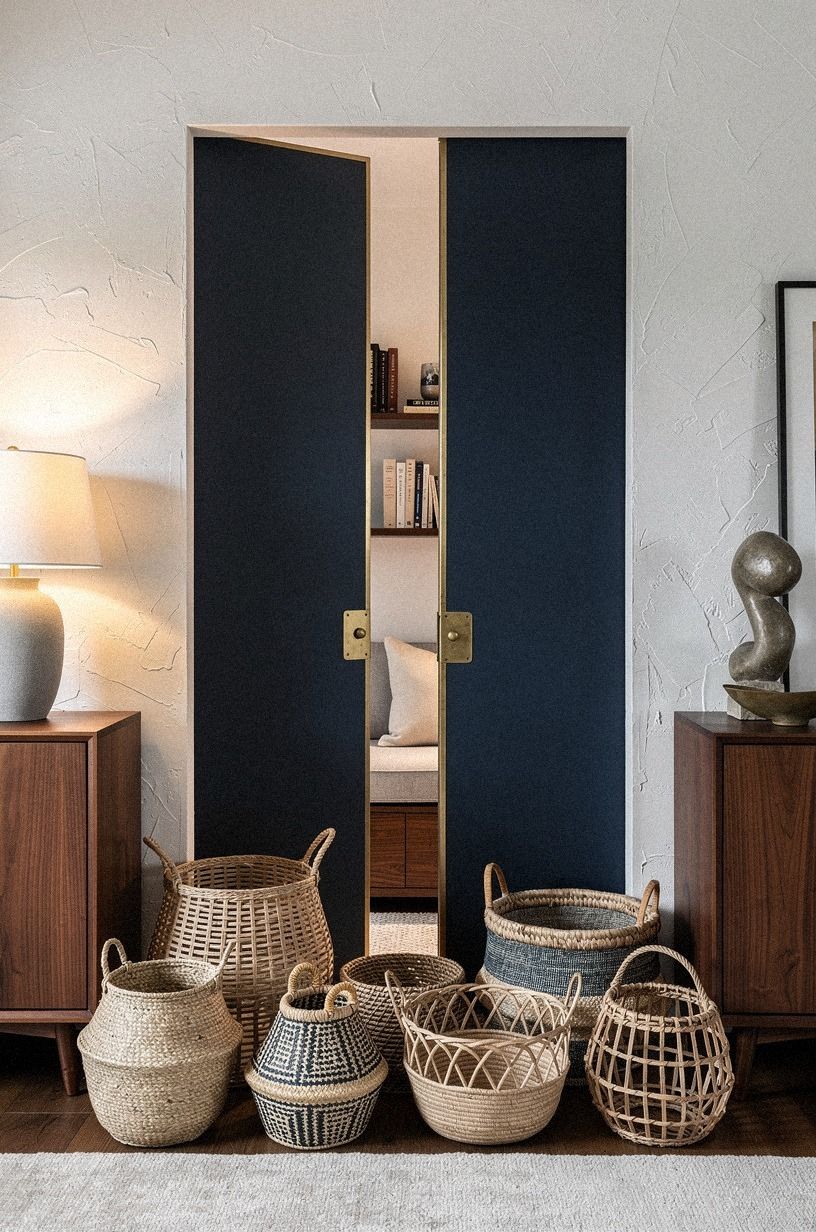
Baskets were the last thing I added, and they did more than hold blankets. A pair of woven seagrass baskets made the reveal feel inhabited instead of staged.
I kept them low and slightly imperfect, with one tucked under the ledge and one sitting forward with a throw slipping out. That looseness mattered. Too much symmetry would’ve made the nook feel precious, and precious is the opposite of cozy.
The texture also helped bridge the rug, the drapes, and the wood tones. Suddenly the room felt earthier, softer, and more grounded once the woven texture entered the picture.
If you’re styling a hidden corner on a budget, baskets are one of the easiest ways to add a warm, collected note without crowding the floor. Just keep the scale compact. Oversized storage makes a small retreat feel bossy around a low ledge.
15Close it with a soft picture light
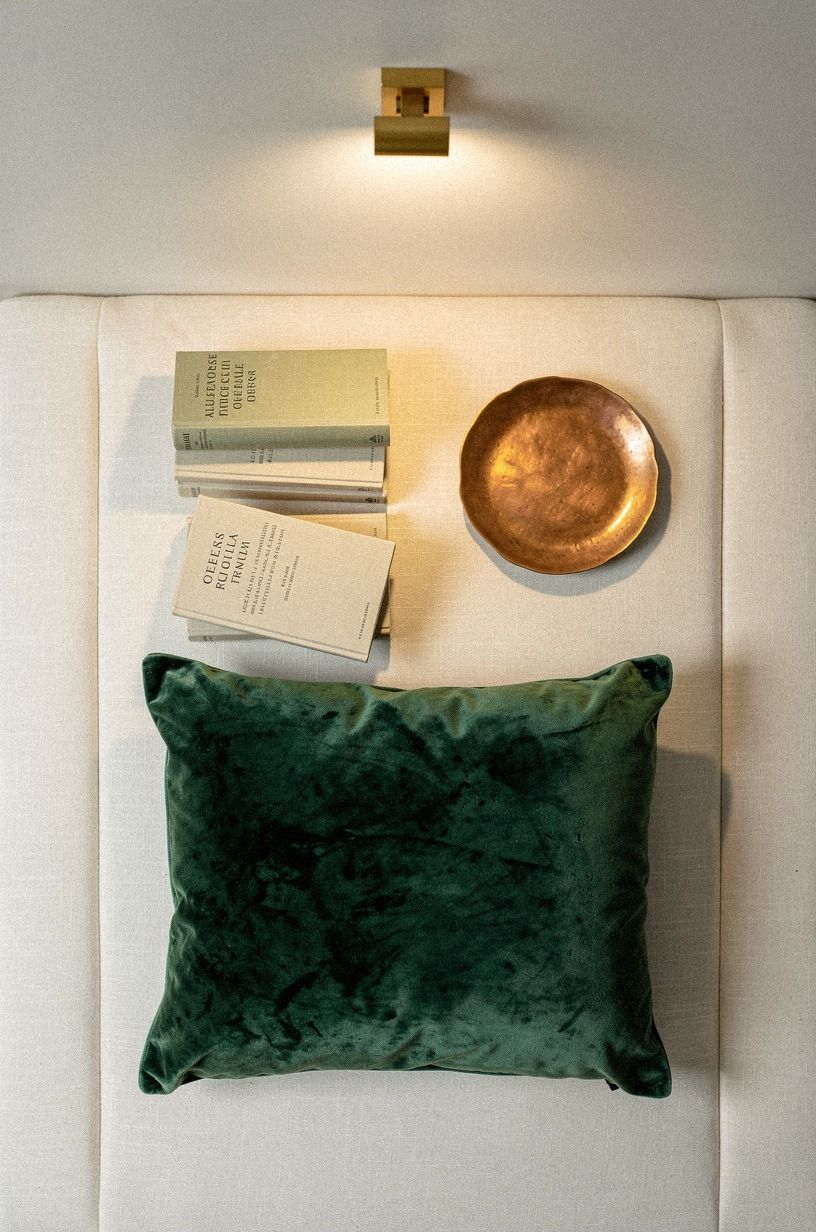
The last layer was a soft picture light mounted overhead so the room kept a glow even when I wasn’t sitting in it. That mattered more than I expected. A hidden retreat that disappears into darkness the second you stand up is not nearly as magnetic from the main room.
I chose a small gold picture light over the compact layout and let it skim the emerald-and-cream palette instead of spotlighting the shelves. The result was gentler, almost like the nook was holding onto the evening a little longer.
If your hideaway is tiny, a picture light can act as room light, accent light, and mood signal all at once. Such a small fix, and such a big payoff! It made the whole corner feel calmer, warmer, and more finished once the upper glow balanced the lamp below.
For me, this was the close. Not the end of the decorating, just the moment the nook started looking finished even with one book open and the cushion slightly out of place. That’s when the evening light started making the retreat feel truly complete.
How much it cost with my Soft-Threshold Formula
I tracked this because hidden spaces can get expensive fast once custom work enters the chat. Mine stayed in the budget-to-mid range because I reused my existing sofa, skipped major carpentry, and spent where the mood changed most: fabric, lighting, and surface finish. The smartest spend turned out to be the fabric layer.
My own spend landed around $1,860 because I already owned the chair, bought the lamp secondhand, and used fabric instead of custom doors on the main reveal. The grasscloth and lighting carried the jump.
If you’re keeping it lean, I’d spend first on the curtain, the rug layer, and one great lamp. That’s enough to make the space read differently without pretending you’ve built a new room. The most convincing upgrades were the lighting layers, not the flashiest purchases.
Why the Curtain-First Rule works in real life
What surprised me most about this makeover was how little it depended on square footage and how much it depended on sequence. I thought I’d need the fancy part first.
The millwork. The dramatic hidden entrance.
The room-within-a-room reveal that makes everyone stop at the doorway. But once I got into it, the order mattered more than the budget. Privacy first. Softness second.
Light third. Everything else was editing, and the entire plan only clicked once the threshold changed.
I made the mistake, early on, of trying to style my way into intimacy. I bought a cute throw.
Moved a side table. Stacked a few books and told myself the corner felt different. It did not.
The corner still belonged to the larger room because nothing had changed the threshold.
That is why I keep coming back to what I call the Curtain-First Rule. The instant you give a space permission to be partially closed off, your brain reads it as a separate zone.
You lower your voice a little. You sit differently.
You stay longer. That response is emotional before it’s visual, and the curtain wall proved it to me.
And that’s the piece I think people miss when they chase a cozy hidden room look online. They focus on objects because objects photograph well. But the emotional payoff comes from enclosure, from a rug edge underfoot, from a lamp that doesn’t spill everywhere, from a fabric wall that moves and still protects.
Mine is not a giant renovation story. It’s a lesson in gravity. The room needed a center of hush more than it needed more stuff, and the lamp glow did more for that than any trendy accessory could’ve.
If you’re deciding where to start, be honest about what your living room lacks right now. Is it privacy?
Warmth? Absorption?
A real reading posture? Once you know that, the shopping list gets shorter.
And better, especially if you start by fixing the open edge instead of chasing decorative extras.
The Questions I Get Asked Most
What is the best Cozy Detail Room Ideas for a Snug Hidden Retreat for a small living room?
A curtain-backed reading nook is the best place to start because it gives you privacy without bulk. A slim Article chair, one lamp, and a soft rug edge do more in a small room than a full built-in ever will. Keep the footprint light and the threshold clear.
Where can I buy Cozy Detail Room Ideas for a Snug Hidden Retreat pieces on a budget?
Start with IKEA, Target Threshold, and Wayfair for the practical layer, then look secondhand for character. Linen panels.
Small lamps. Woven baskets.
Facebook Marketplace is especially good for wood chairs and older brass lighting that already has the patina you want. I also keep this basement hideaway roundup handy when I want to compare low-cost storage moves.
How much does a Cozy Detail Room Ideas for a Snug Hidden Retreat makeover cost?
Most of these makeovers cost about $300 to $1,200 when you’re changing textiles, paint, art, and lighting instead of building custom walls. Free wins count too.
Pull furniture tighter, shop your own throws, and move a lamp before you buy anything new. My hidden entrance guide and bookshelf door roundup can help you decide where a cheap fabric solution beats carpentry.
Can I create a Cozy Detail Room Ideas for a Snug Hidden Retreat on a budget?
Yes, and you really can get the feeling with low-cost layers. Tension-mounted drapery.
A secondhand chair. One wool-look rug.
A basket pulled from another room. The cheapest upgrade is often the curtain because it changes the threshold, not just the styling.
Is a Cozy Detail Room Ideas for a Snug Hidden Retreat worth it in a small space?
Yes, especially in a small space, because the enclosure makes the room feel more purposeful instead of more crowded. Keep the seat compact, let the opening breathe, and avoid oversized storage cubes.
Small rooms reward editing better than big rooms do. My bedroom hideaway guide is another good reminder that less furniture often buys you more atmosphere.
Is Cozy Detail Room Ideas for a Snug Hidden Retreat a good idea for a rental?
Yes, if you build it with reversible layers. Tension rods.
Plug-in sconces. Removable picture hooks.
Peel-and-stick surface treatments on the inside walls only. You can still create that tucked-away feeling without patching half the living room when you leave.
Worth it!
Where I’d Start First with the Edge-Softening Rule
If I had to pick one, I’d start with the curtain wall. It fixes the real problem: exposure. Once the edge softens, the lamp, rug, and chair stop floating around and begin acting like one room within another.
Everything after that lands.