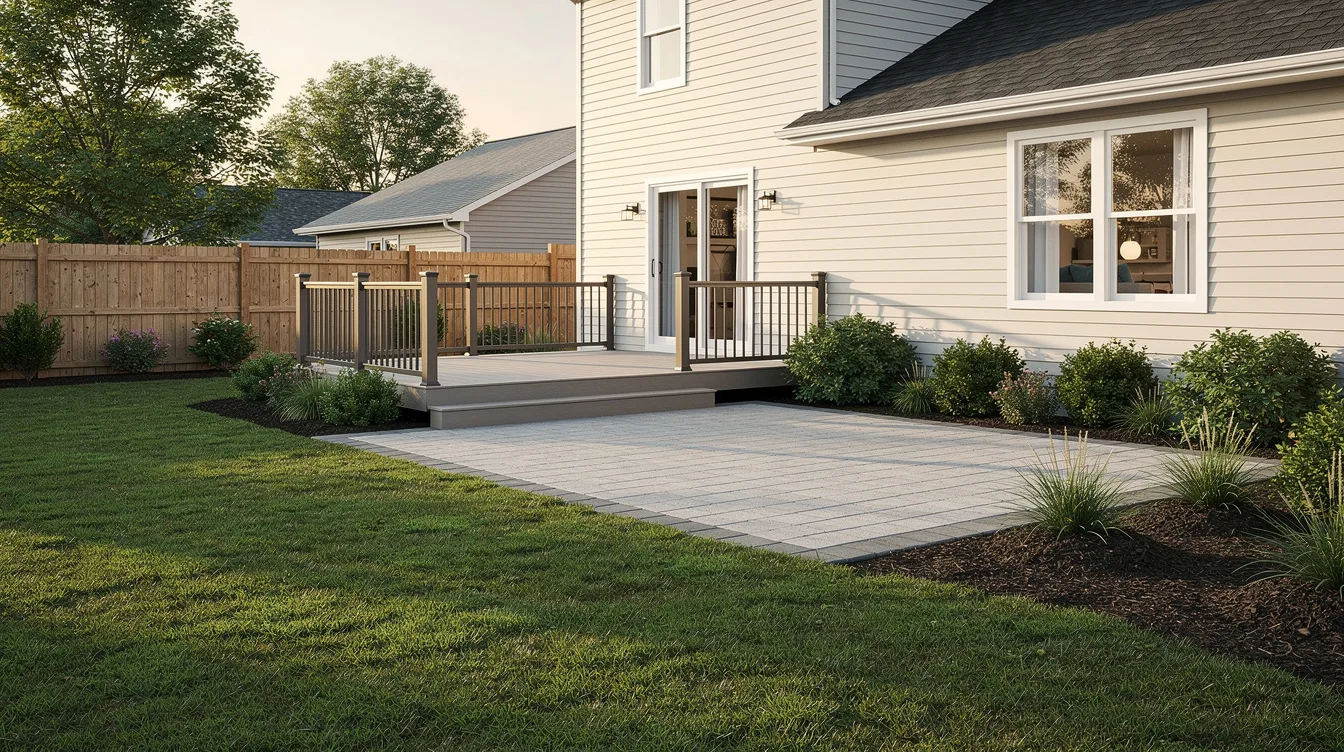
I can always spot the backyard that was done on a budget and left there for years. The concrete is glaring at noon, the gravel has drifted into the grass line, and the deck steps feel one rainy day away from trouble.
That kind of yard does more than look tired. It quietly tells buyers they will be paying for removal, repairs, and cleanup the minute they get the keys.
The good news is that most of the worst habits have swaps that feel higher-end without turning the backyard into a luxury project. A few smart material choices from Home Depot, Lowe’s, or Ace Hardware go much further than another cheap shortcut.
Break Up a Concrete-Heavy Yard
I get why people pour one big slab and call it done. The problem is that a full concrete patio reads hot, harsh, and expensive to undo.
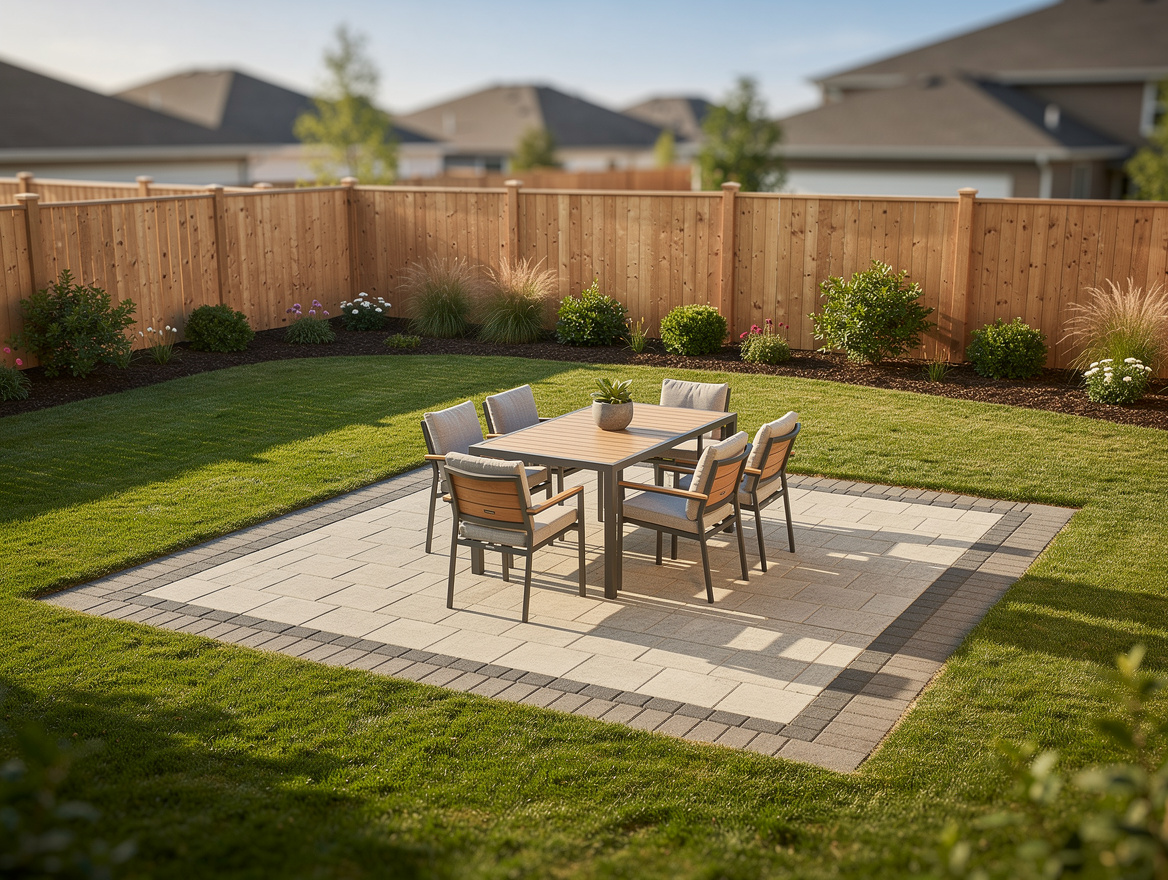
In many markets, buyers know demo and re-sodding can start above $4,000, so they discount the yard before they even sit down. A better layout is usually 40 to 60 percent soft surface and 40 to 60 percent hardscape.
A typical fix is a 13-by-20-foot paver patio for dining, plus a 320-to-430-square-foot lawn zone that actually feels usable. That mix looks planned, and it gives kids, dogs, and adults a reason to stay outside.
Contain Gravel Instead of Letting It Take Over
Loose gravel only looks cheap when it sprawls everywhere and weeds punch through it. A big field of pea gravel with no border feels like a shortcut that got abandoned halfway through.
Keep gravel in narrow zones, not as the whole yard. I like it for a side run, a fire pit ring, or a drainage strip, especially when it is boxed in with clean edging from Ace Hardware.
Add planting beds along the fence, about 18 to 36 inches deep, and the whole space reads intentional. Buyers are fine with low maintenance, they just do not want a yard that looks like a future hauling bill.
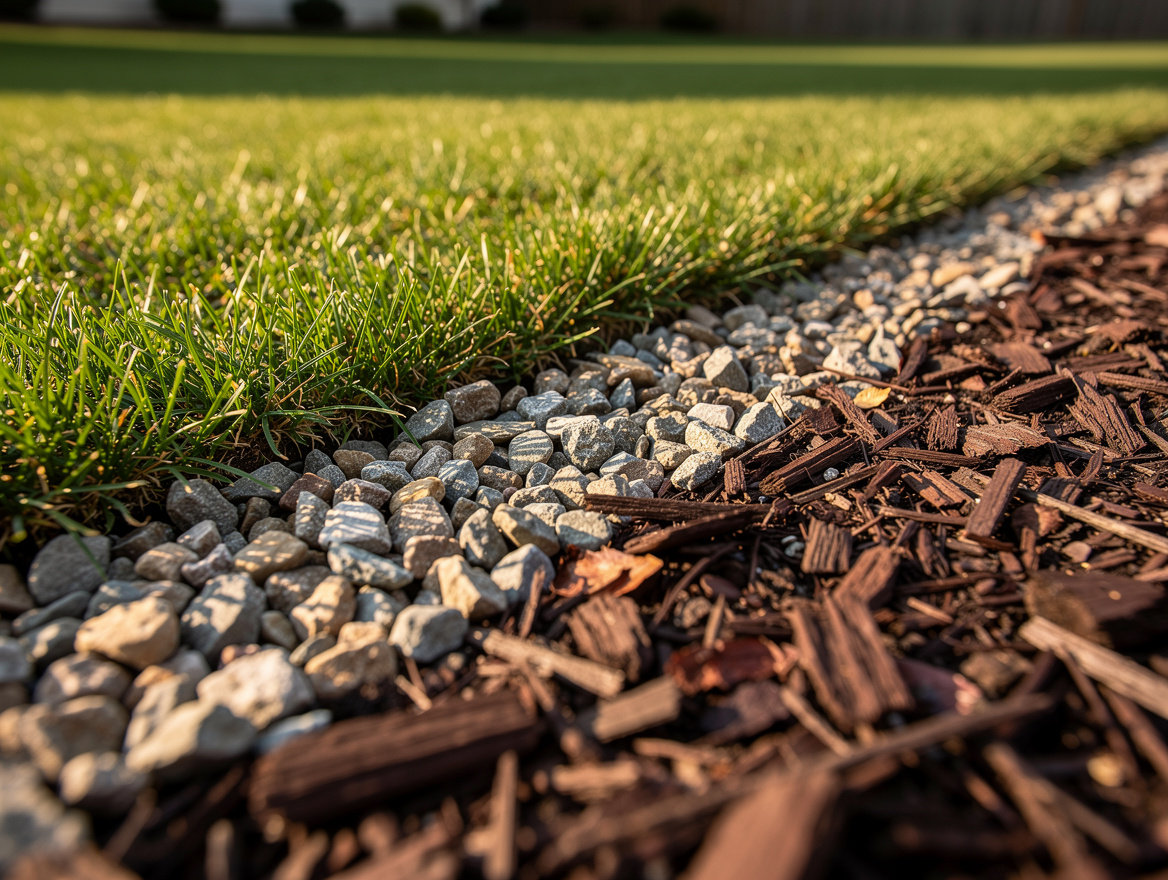
Lay Real Sod Where People Actually Use the Yard
When every inch of the backyard is hard underfoot, the space stops feeling residential. Even a modest patch of sod softens the look and makes the yard feel bigger.
Installed natural grass commonly starts around $1.50 to $3 per square foot in many areas, which is a lot cheaper than the value hit of a barren yard. For a mid-size family space, a 320-to-430-square-foot lawn is usually enough to change the whole read.
If upkeep is the issue, I would still use artificial turf sparingly. Mid-grade artificial turf often runs about $5 to $10 per square foot installed, and wall-to-wall fake grass can look dated fast.
Replace a Rotten Deck Before Buyers Price It Out
An old deck tells on itself. Soft boards, peeling stain, wobbly steps, and dark space underneath make people think about pests, permits, and replacement costs.
Once a wood deck looks tired, buyers often assume a bill of $4,000 or more is coming, and their offer drops accordingly. I would not spend money trying to make a failing structure look charming.
A better move is a clean rebuild in composite decking from Lowe’s or Home Depot, especially in a simple 13-by-16-foot or 13-by-20-foot footprint. Typical installed costs often land around $15 to $30 per square foot, depending on framing and site prep.
Choose a Patio When the Deck Structure Is the Weak Link
Sometimes the smartest swap is not another deck at all. If the frame is suspect or the yard sits low and flat, a stone-look paver patio usually sells better because it feels permanent and easier to maintain.
I like this option when the old deck is too tall for the yard or creates a useless shadowy void below. A typical installed patio often falls around $8 to $16 per square foot, which can be a calmer buy than rebuilding structure, stairs, and rails.
Look at neutral paver lines from Home Depot or Lowe’s in warm gray or tan. They hide dirt, photograph well, and do not date the yard the way red-tinted concrete often does.
Cut Back the Jungle and Rebuild Privacy the Clean Way
Overgrown screening drags value down because buyers immediately picture weekends of cutting, hauling, and paying tree crews. Tall privacy shrubs that block windows and swallow pathways make a yard feel smaller than it is.
When boundary plantings get out of control, people mentally budget for a near-$10,000 landscape reset in a small yard. That is money they would rather take off the offer than spend after closing.
I would rather see a simple edge bed, fresh mulch, and a few well-spaced evergreens from Lowe’s than a dense wall of neglected growth. Keep paths open, keep sightlines clear, and let the fence line breathe.
For most fences, a bed depth of 18 to 36 inches is enough to soften the perimeter without eating the yard. Add one strong material, like dark mulch or cut stone edging, and the space looks maintained instead of chaotic.
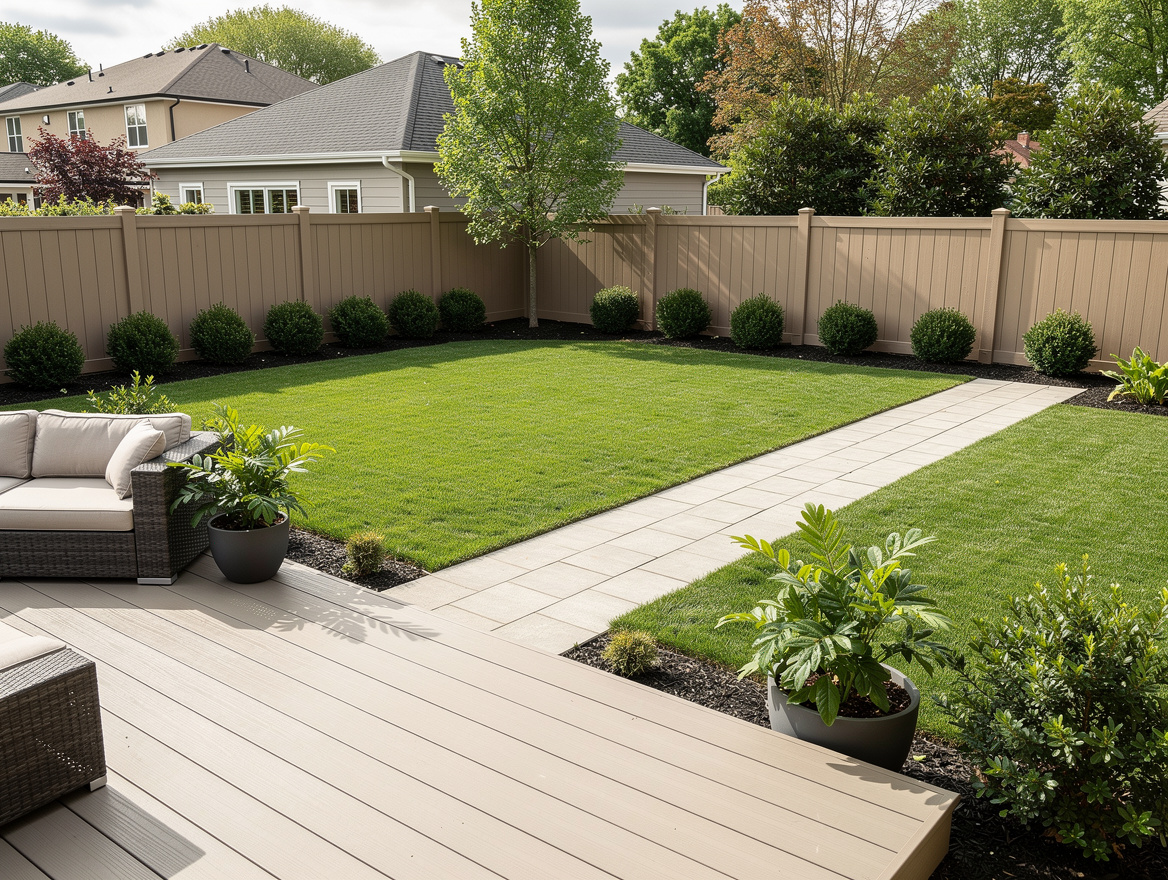
Start with the thing a buyer notices in five seconds, usually too much hardscape or a failing deck, then build outward. If the yard feels cooler, cleaner, and easier to maintain on first glance, you are already protecting value.
Mia Carter writes about small-space living and budget home makeovers. She has restyled three rentals and tests most ideas in her own 45 sqm flat.