I know exactly when backyard camping starts to fall apart: ten minutes after the tent goes up, somebody asks for a charger because “there’s nothing to do.” The problem usually is not the kids, it’s the setup.
If you want a full weekend with no phones, the yard has to feel like its own little world. That means a strong base camp, better sleep than you think they need, and enough structure that boredom never gets a clean opening.
Build One Clear Base Camp
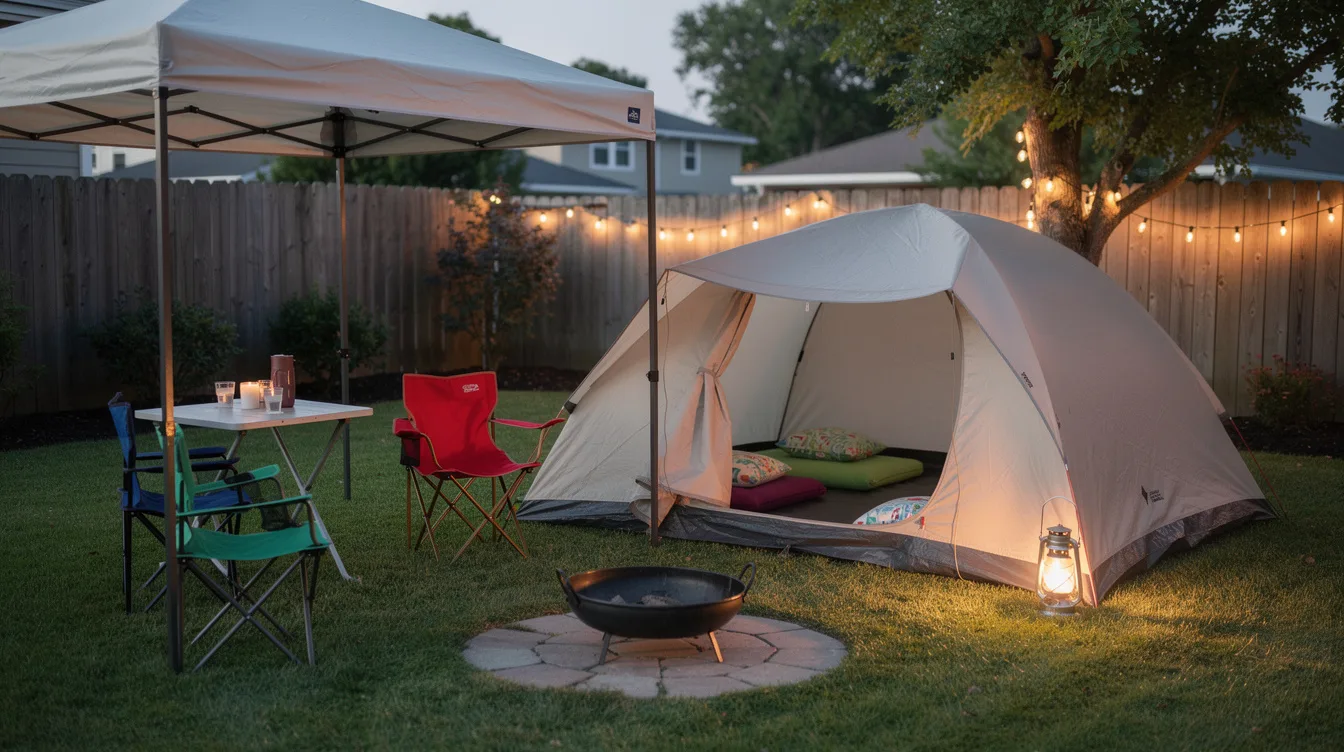
The first thing that works is a real camp layout, not a random tent dropped on the lawn. A Walmart six-person dome tent typically runs about $110 to $170, and a footprint around 10 x 10 feet gives kids enough room to sleep, stash duffels, and still treat it like headquarters.
I’d place the tent near the house, with the door facing back toward the patio or kitchen. Then leave an open 6 to 8 foot zone in front for chairs, snacks, and the stuff that keeps them busy before they ever think about a screen.
Add a Covered Zone for Daytime Activities
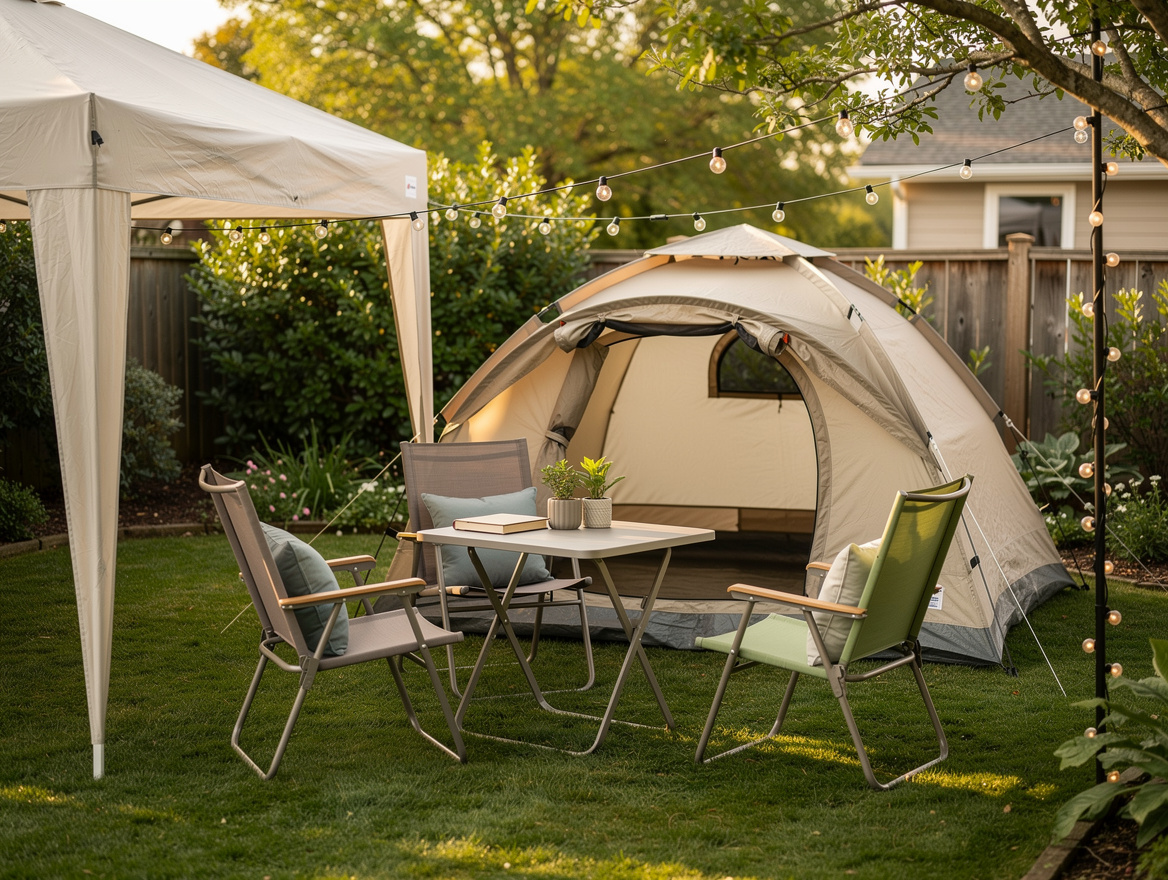
A second shelter changes everything because it gives the weekend a rhythm. A 10 x 10 pop-up canopy from Amazon or Target usually lands in the $80 to $140 range, and it becomes the craft table, rainy-day backup, and lunch spot in one move.
If you want the cheaper version, a 10 x 12 tarp from Home Depot or Lowe’s is often about $20 to $40. I actually like the tarp route for kids because helping tie corners, clip rope, and spread the ground cover feels like part of the adventure instead of passive setup.
Make Sleep Comfortable Enough to Prevent Bailouts
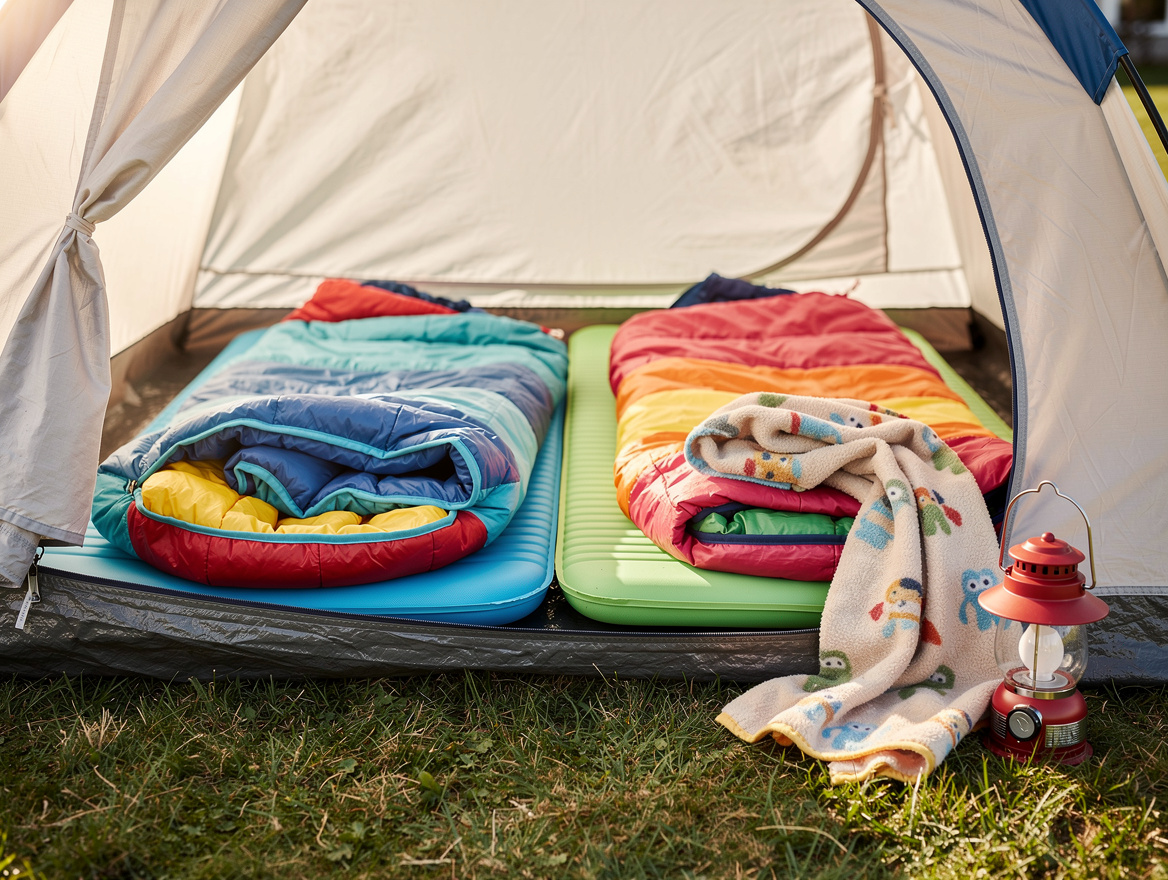
Most backyard campouts fail around 10:14 p.m., when somebody says the ground feels weird and suddenly wants to go inside where the charger is. A closed-cell foam sleeping pad from Amazon or Walmart is usually $25 to $40, and a typical kids size is around 48 to 60 inches long and 20 to 24 inches wide.
Add a kids sleeping bag in the $35 to $70 range and bring one extra fleece blanket from Target for each child. I would skip the romantic idea that they can “rough it” on night one, because discomfort is the fastest route back to indoor lights and phones.
Use Lighting That Feels Special, Not Bright
Overhead floodlights kill the mood, but dim corners make kids drift. A few battery lanterns from IKEA or Ace Hardware, usually about $8 to $25 each, give you enough glow for cards, snacks, and bedtime stories without turning the backyard into a parking lot.
Then add one strand of warm white string lights under the canopy or along a fence. That little bit of atmosphere matters more than adults admit, because kids stay where the setup feels different from the living room and more fun than staring at a phone screen.
Give Every Kid a Job Before the Weekend Starts
The schedule works better when each child has a role attached to the camp. I’d write titles on index cards from Target, chef, map master, lantern keeper, storyteller, star guide, and hand them out before dinner so the no-phone rule feels like part of a mission.
This is where most parents undershoot it. Kids need something active every 60 to 90 minutes, so I’d rotate a scavenger hunt, a knot lesson with utility rope from Lowe’s, a snack shift, and one goofy flashlight game after dark.
Set Up Food and Fire as the Main Event
If dinner is just sandwiches on the back steps, the night loses steam fast. A portable fire pit or small charcoal grill from Home Depot or Walmart often starts around $45 to $120, and it gives the whole weekend a center point that screens cannot compete with.
Keep the food simple and hands-on: hot dogs, foil potatoes, toasted marshmallows, pancake batter in the morning. A folding table from Costco or Target, usually around 4 to 6 feet long, turns prep into an activity station instead of a bunch of adults running back inside.
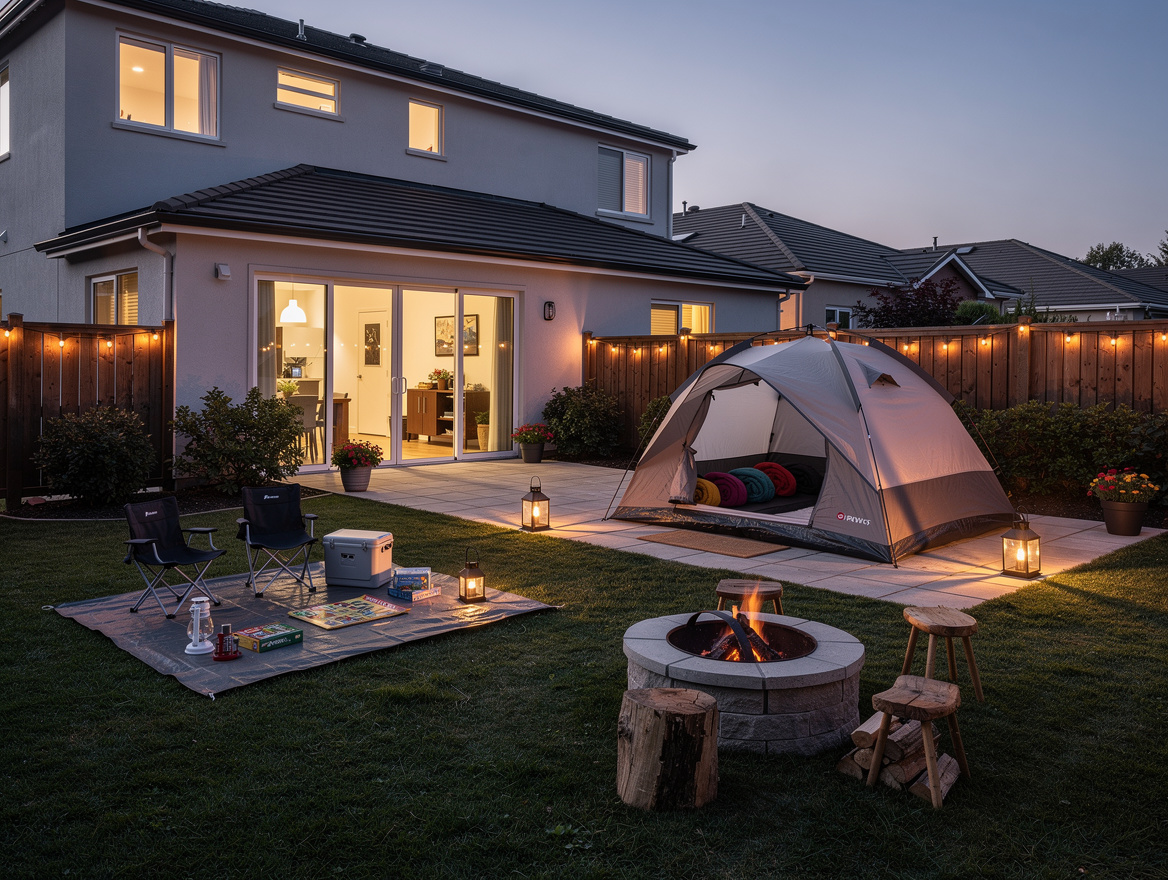
Start with the tent, the sleep pads, and one written job for each kid, then build the rest around that. Once the camp has a shape and a schedule, the phones stop feeling forbidden and start feeling irrelevant.
Mia Carter writes about small-space living and budget home makeovers. She has restyled three rentals and tests most ideas in her own 45 sqm flat.