By 4 p.m., my small backyard used to feel hotter than the sidewalk out front. The chair arms were warm, the fence gave off heat, and the patio still felt baked even when the sun had shifted.
I kept thinking I needed prettier furniture. What I actually needed was less heat storage, better airflow, and shade in the one spot where I wanted to sit.
I Stopped Treating the Whole Yard Like a Patio
The biggest mistake I made was covering nearly every inch with dark pavers. In a heat wave, that surface kept throwing warmth back up at chair height long after the sun moved on.
Designers are right about small yards feeling suffocating when they are over-paved, over-enclosed, and under-shaded. In a tight footprint, every hot surface sits closer to your body, so the yard feels packed with trapped heat instead of usable space.
I also cut back on the hardscape because a small backyard needs some breathing room. A paved strip for dining and a softer zone for planting felt better than one continuous slab.
I Broke Up the Ground With Lighter, Cooler Materials
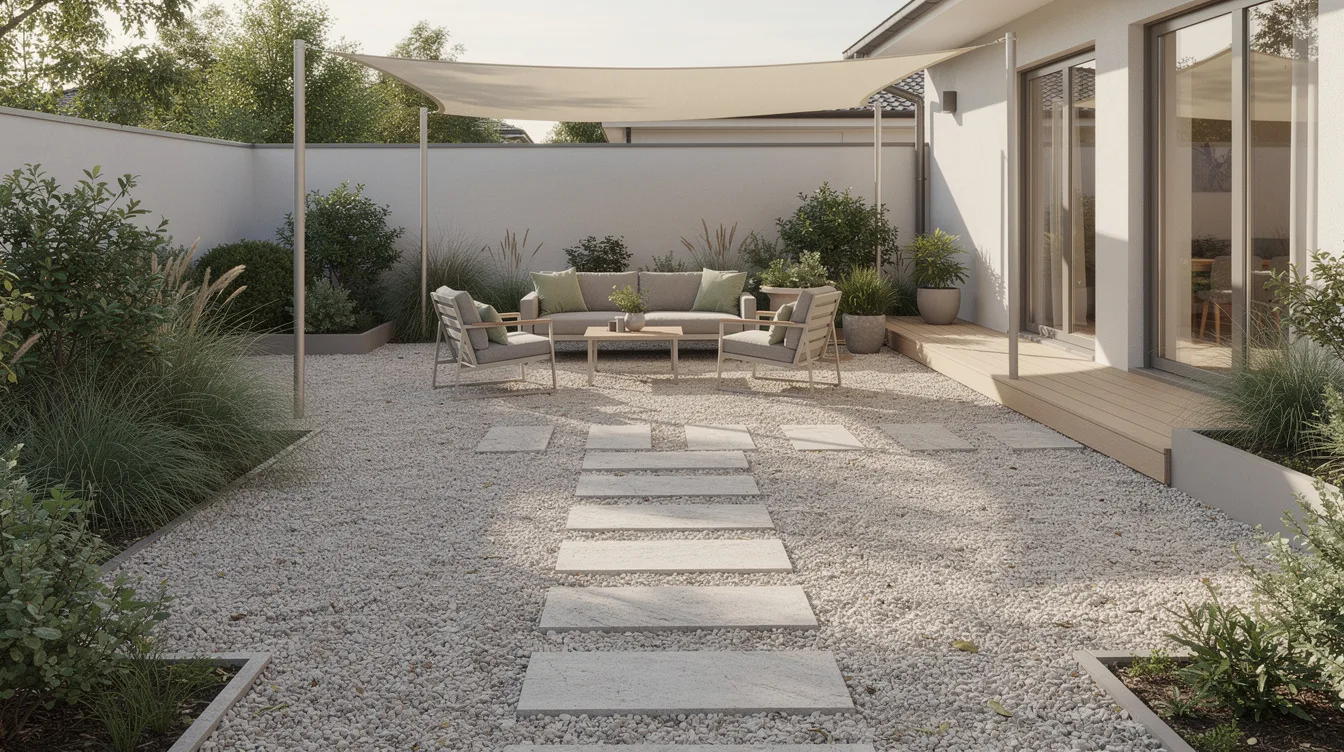
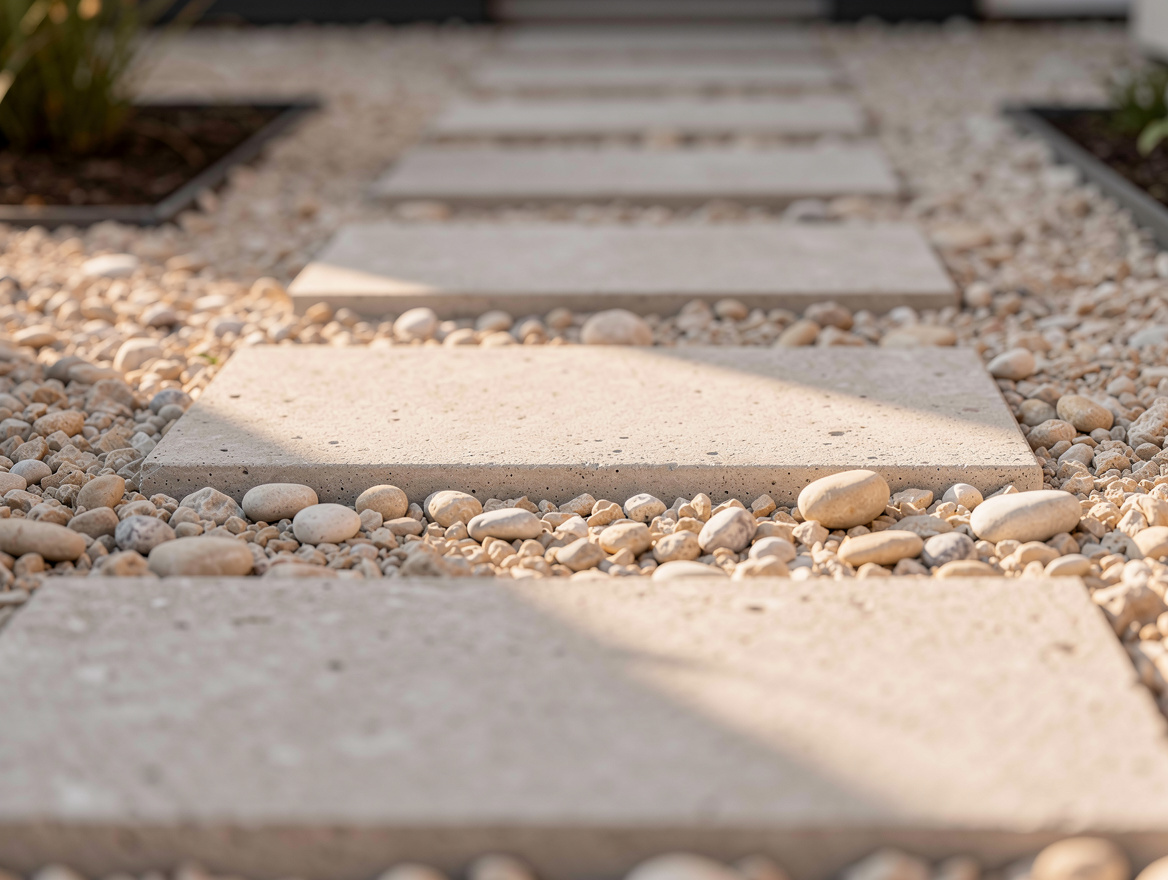
My first fix was swapping a solid patio look for pea gravel and spaced stepping stones. Gravel is not glamorous, but it does not hold heat the way a dark solid surface does, and that matters more in July than a showroom finish.
At Home Depot, 16-inch to 24-inch concrete step stones typically run about $6 to $12 each, depending on size and finish. For a small 150 to 200 square foot yard, a DIY layout with gravel and large steppers can often stay in the average $400 to $900 materials range.
I chose pale gray and sandy tones because they read cooler right away. A light surface changes the feel of the space fast, and I think that matters more than squeezing in one more decorative feature.
I Put Shade Over the Seat, Not Somewhere Nearby
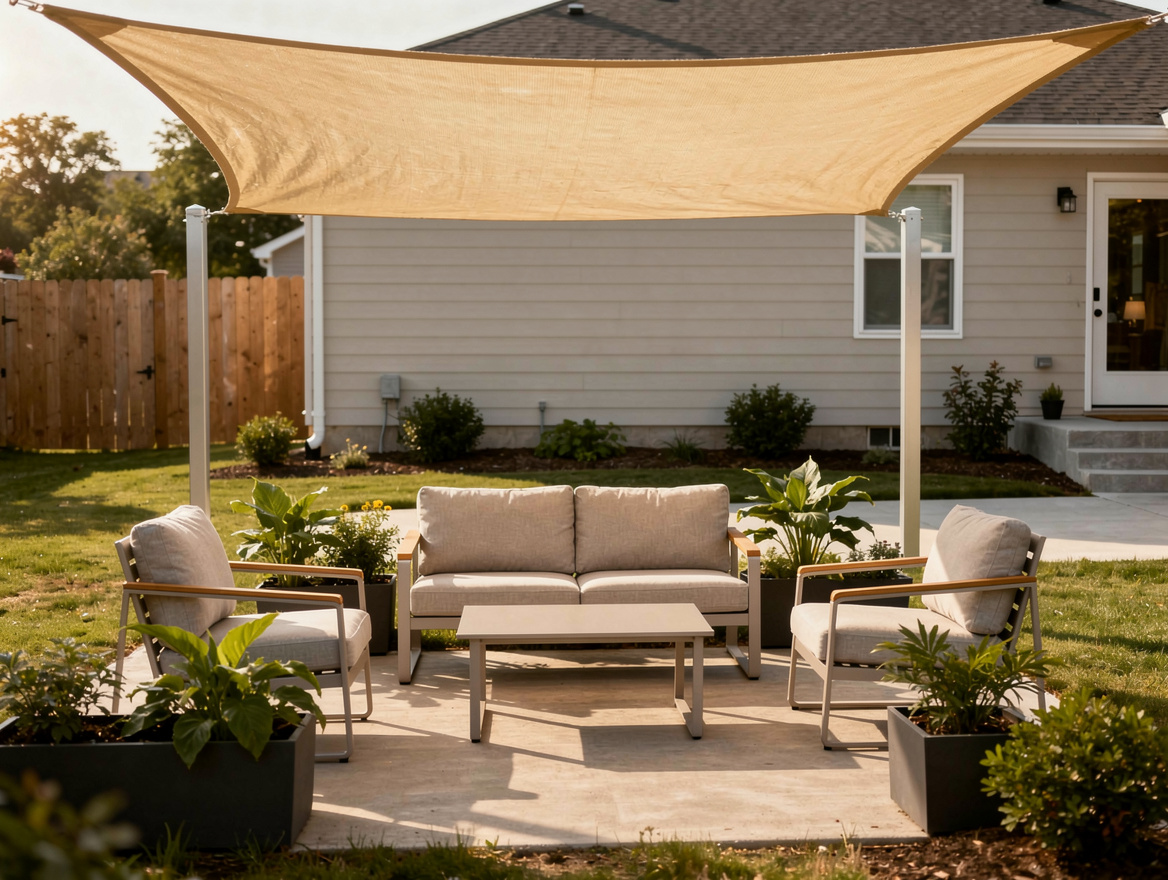
A lot of small backyards technically have shade, but it falls two feet away from where people actually sit. That was my setup too, and it made the table useless during the hottest part of the day.
I had better results once I covered the seating zone with a 10 x 10 foot shade sail. On Amazon, high-density polyethylene sails in that size typically land around $35 to $90, and the difference in comfort felt immediate.
If you want something more finished, a Wayfair aluminum pergola in a 10 x 10 or 10 x 12 foot size usually falls in the average $700 to $1,600 range. That is enough coverage for a compact dining set or a loveseat and two chairs, which is all most small backyards need.
I Moved Seating Away From Hot Walls and Fences
I used to push chairs against the fence because it seemed efficient. It was a bad call, because that edge heated up like a radiator and bounced warmth right back onto anyone sitting there.
Pulling the furniture even 18 to 24 inches away from a sun-baked fence made the corner feel less pinned in. I also stopped aiming the seating toward the hottest wall and gave air a chance to move across the space.
An offset umbrella helped too because it covered the chair backs instead of leaving them exposed. A IKEA patio umbrella in the 9 to 10 foot range typically costs about $129 to $249, which is cheaper than redoing a whole patio and fixed the exact problem I had.
I Quit Pretending Plastic Grass Was Cooling Anything
I know why people buy artificial turf for a small backyard. It looks tidy in photos, but in extreme sun it can feel like warm carpet, and that is the opposite of what a cramped yard needs.
I replaced part of mine with planting beds and containers so the yard could release heat instead of storing it. Real soil and greenery gave the layout more depth too, which made the whole space feel less boxed in.
A pair of large Walmart resin or ceramic-look planters, usually around $25 to $45 each, did more for comfort than another patch of fake lawn. I filled them with heat-tolerant herbs and a small upright shrub, and the yard started feeling alive instead of plastic.
I Chose Pale Decking and Looser Furnishings
When I looked at decking, I stopped considering charcoal and espresso tones. In a small backyard, light gray composite boards simply make more sense because they absorb less heat and look less heavy.
At Lowe’s, a small 10 x 12 foot composite deck often lands around $900 to $1,800 for boards alone, before framing and labor. That is a meaningful spend, so I would only do it if the color is working hard for comfort as well as looks.
I also avoided bulky sectionals with thick dark cushions. A lighter metal frame, breathable outdoor fabric, and one Target striped outdoor rug kept the setup airy, and that visual openness matters when the weather already feels oppressive.
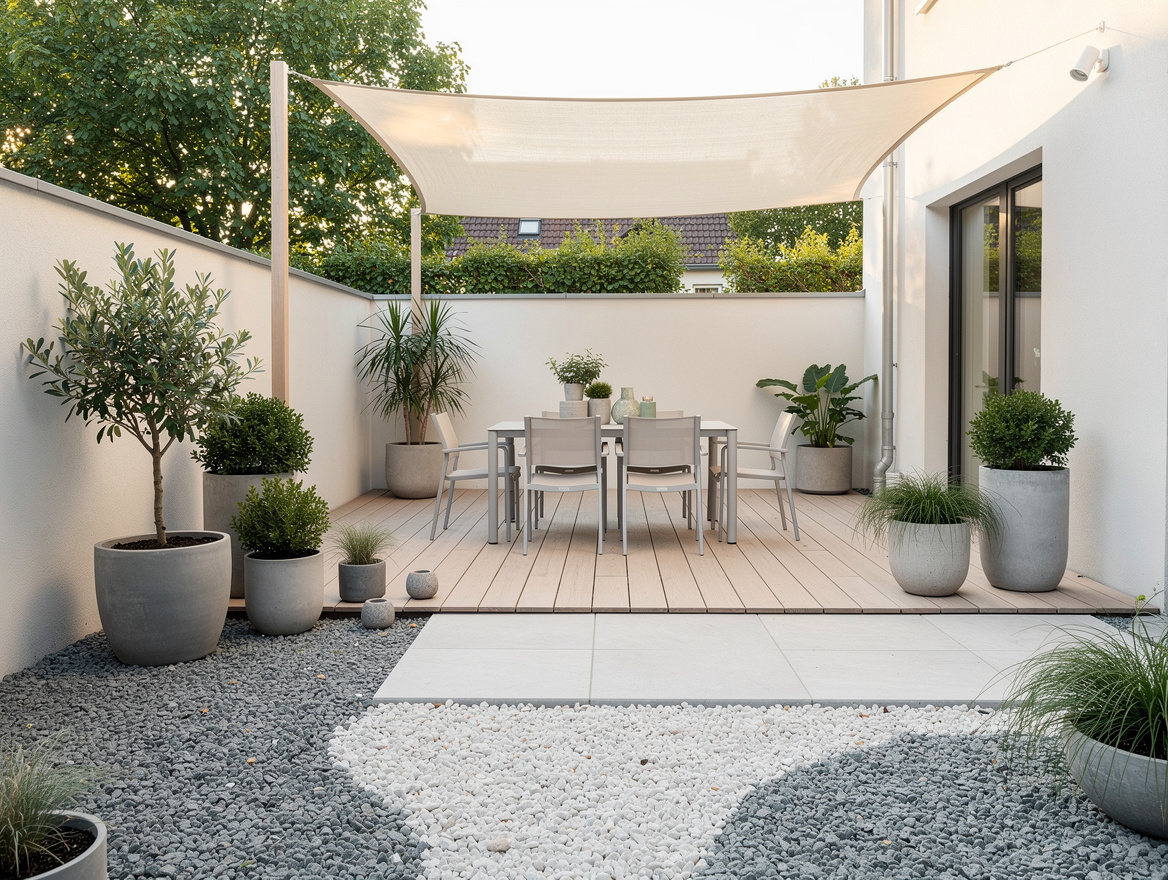
Start with the surface under your feet and the shade above your chair. If those two pieces are wrong, no pillow, rug, or string light will make a heat-wave backyard feel comfortable.
Mia Carter writes about small-space living and budget home makeovers. She has restyled three rentals and tests most ideas in her own 45 sqm flat.