By 3 p.m., my patio cushions were hot enough to make me stand right back up, and the metal arm on one chair felt like a skillet. That was the moment I stopped pretending a cute outdoor setup mattered more than actual heat relief.
What works in a brutal heat wave is pretty simple: block the sun, keep air moving, add moisture to the air, then give yourself one cold-water reset. The backyard gets usable again when you stack those layers instead of hoping one umbrella will save the day.
Stretch a shade sail where the sun hits hardest
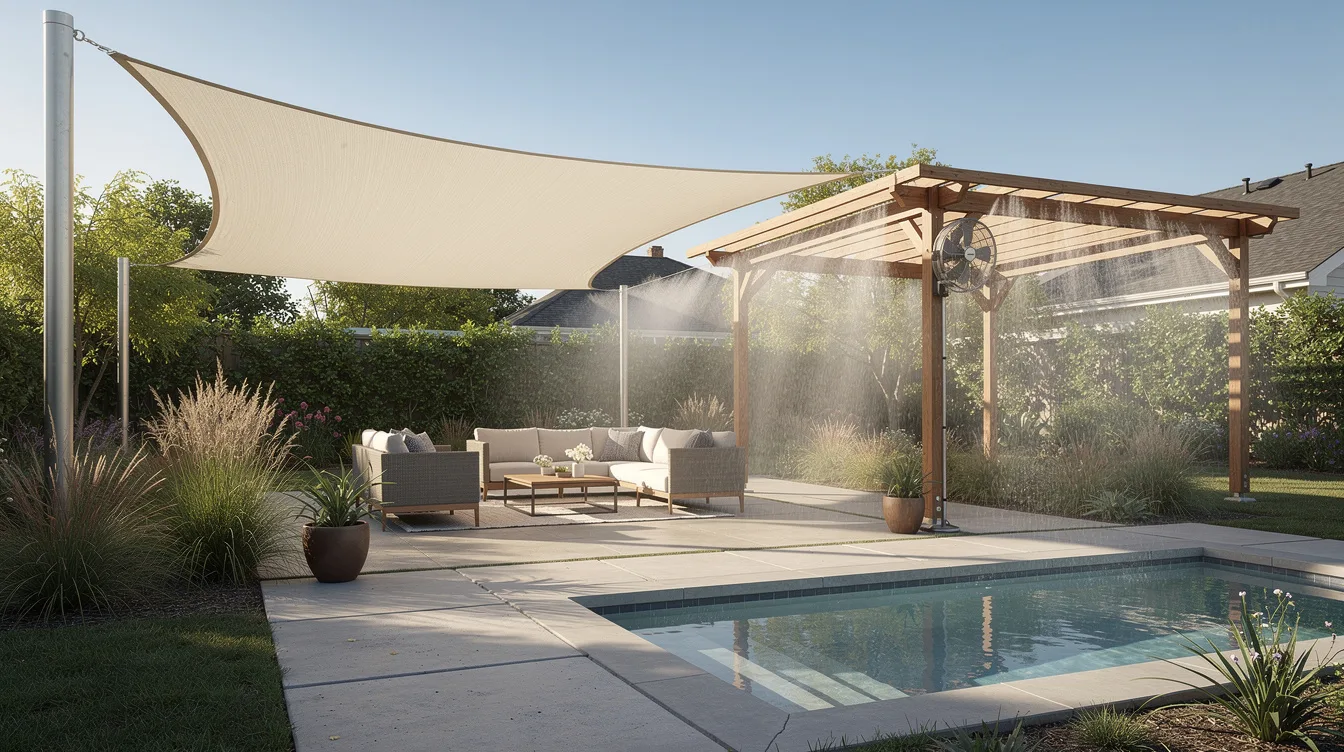
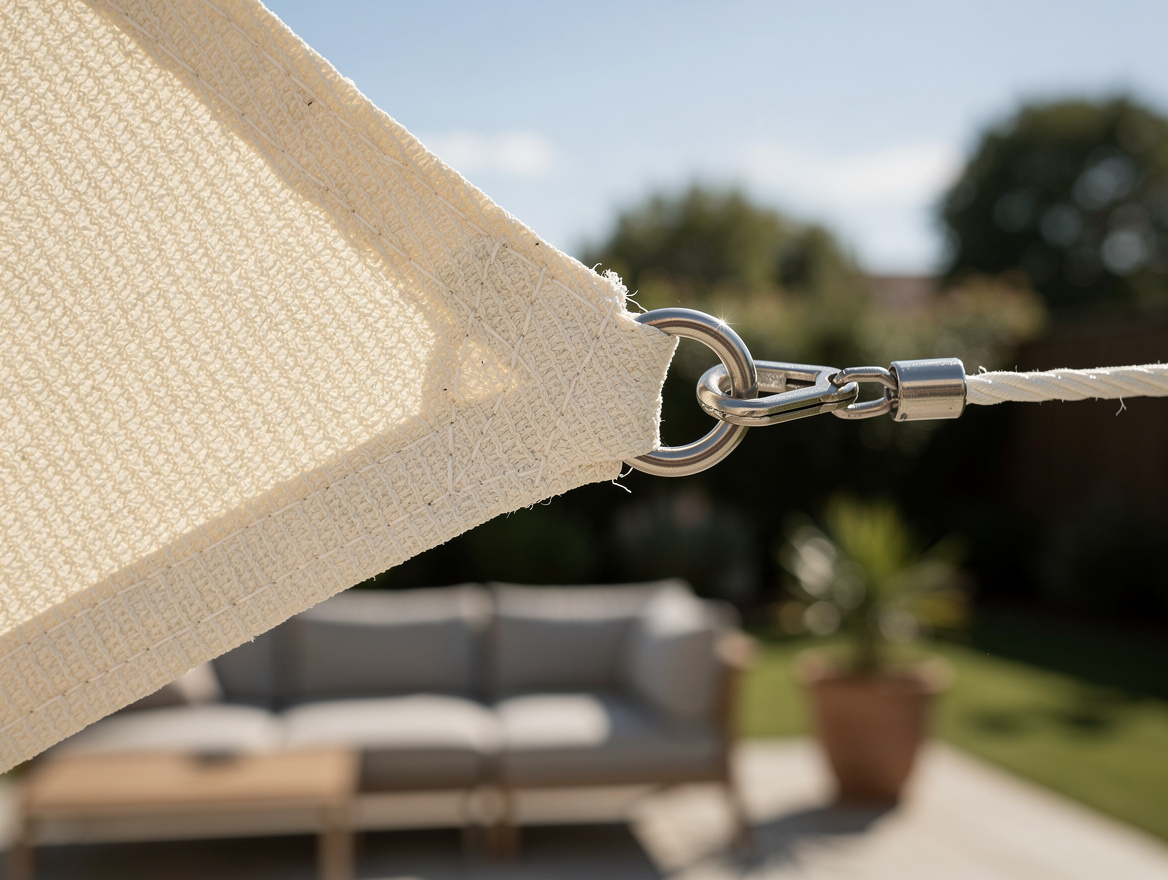
A light-colored HDPE shade sail is the fastest fix, and I mean fast in the practical sense, not the trendy one. A typical 10 x 10 foot triangle or roughly 10 x 13 foot rectangle can cover a small dining zone, and budget-friendly options at Home Depot or Amazon usually land around $35 to $90 with hardware.
This is the upgrade I would start with first because direct sun is the real bully. Shade can cut perceived heat by roughly 18 to 27 degrees Fahrenheit, which tracks with what your skin notices the second you step under it.
I like sails more than a standard umbrella for heat waves because they cover more square footage and don’t leave that moving patch of shade you chase all afternoon. Pick pale gray, sand, or off-white, and skip black fabric unless you enjoy sitting under a giant warm towel.
Mount a retractable awning over the seating zone
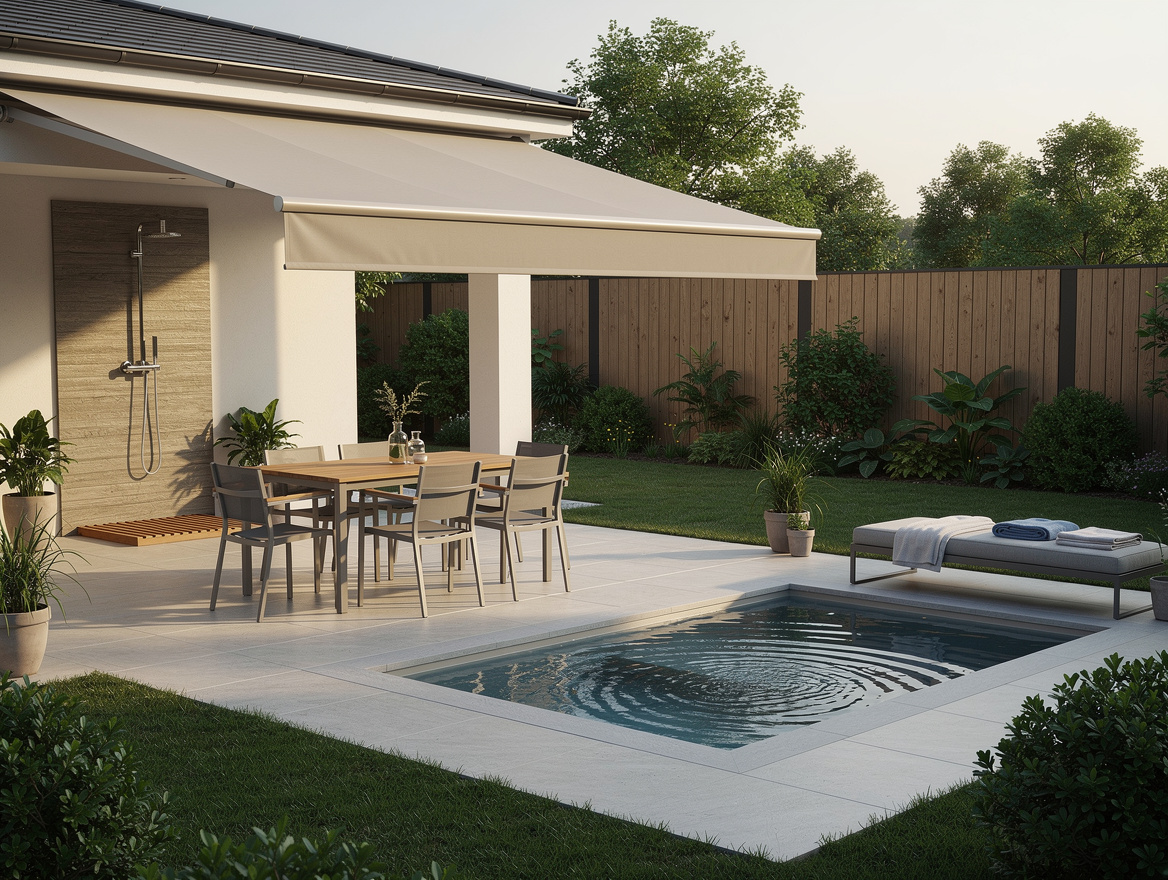
If your patio sits on the west or south side, a retractable awning is the grown-up answer. Consumer models sold through Lowe’s, Wayfair, and Amazon typically run about $550 to $1,650 for widths around 10 x 8 feet up to 13 x 10 feet.
The big advantage is control. You can pull it out when the concrete starts radiating heat, then tuck it back in during storms or cooler mornings.
I’m opinionated here: a fixed umbrella cluster always looks more improvised than useful. One solid awning over the main hangout area creates consistent shade, and that makes every other cooling upgrade work better.
Build a pergola, then make it earn its footprint
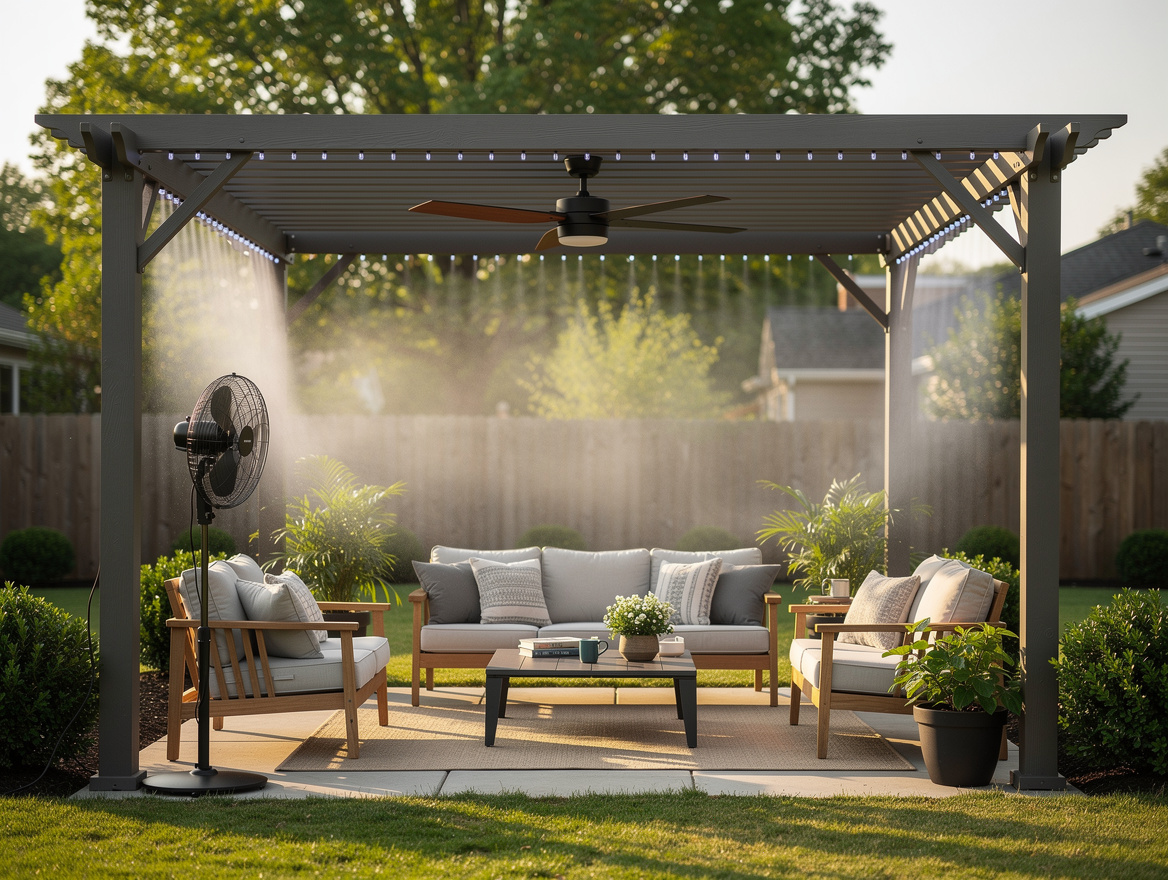
A pergola kit is worth it when you want a permanent heat-wave setup instead of seasonal patchwork. Typical sizes start around 10 x 10 feet for a compact lounge spot and go up to about 13 x 20 feet for a family seating zone, with DIY kits at Costco, Home Depot, or Wayfair often falling between $750 and $2,750.
Powder-coated aluminum is the low-drama pick because it handles weather better than cheap wood kits. I’d also add a fabric canopy or polycarbonate top right away, because an open pergola with slats alone still leaks too much punishing sun in peak afternoon hours.
This is where people underspend and then wonder why the space still feels harsh. Structure without coverage is only half a solution.
Add an outdoor fan that moves real air
Once you have shade, airflow matters more than another decorative accessory. For a covered 10 x 10 foot area, an outdoor-rated ceiling fan with a typical blade span around 52 to 56 inches is the right scale, and models at Home Depot or Lowe’s usually run about $170 to $450 before installation.
If wiring a ceiling fan feels like too much, a pedestal fan or air circulator still does serious work. A 16 to 20 inch pedestal fan from Walmart, Target, or Amazon generally costs $60 to $150, and it works best placed at the edge of the seating area, angled slightly upward.
That upward angle matters. A fan blowing straight at your face gets annoying fast, while a broader moving stream of air cools the whole zone and makes sweat evaporate the way it should.
For smaller patios, a wall-mounted outdoor fan is cleaner because it keeps floor space open. Expect weather-resistant models to sit around $150 to $400, which sounds steep until you compare it with another summer of not using the yard.
Use misting or evaporative cooling where dry heat lingers
When the air is dry, misting systems do more than make the patio feel fancy. Starter kits at Amazon, Home Depot, or Ace Hardware often cost about $30 to $120, and you can run them along a pergola edge, awning frame, or fence line near seating.
Fine mist is the key. Big droplets just make chairs wet and everyone irritated, while a light mist cools the air through evaporation and actually changes how long you can stay outside.
If you have a covered corner and live in a dry region, a portable evaporative cooler can help more than a plain fan. Consumer models at Walmart, Amazon, or Home Depot often range from about $120 to $400, but I would only buy one if humidity is usually low, because these are mediocre in sticky weather.
That’s the honest version nobody tells you. In humid heat, misting can still feel refreshing on skin, but a swamp cooler loses a lot of its edge.
Add one cold-water feature you will actually use
A stock tank pool is not subtle, but it works. A typical galvanized tank around 6 to 8 feet wide gives you enough room to sit and cool down, and many options at Tractor Supply are famous for this setup, but if you want to stay retailer-safe inside mainstream shopping, similar backyard plunge options through Amazon or Wayfair often start around $250 and climb past $700 depending on size and pump add-ons.
I still think the cowboy-pool idea is one of the smartest heat-wave upgrades because cold water resets your body faster than another iced drink. It also makes the yard feel worth walking into during the worst part of the day.
If a pool is too bulky, install an outdoor shower or at least a rinse station. Freestanding shower kits and simple fixtures from Home Depot, Lowe’s, or Wayfair usually begin around $100 to $300, while more finished setups can go much higher.
This is also the best move for small spaces. Even a quick cold rinse near the back door changes how the whole yard functions in July and August.
A chunky outdoor towel. Rubber sandals. One shaded hook for dry clothes.
That tiny support setup matters more than people expect.
Start with shade over the exact spot where you already sit, then add a fan before buying anything decorative. Once those two pieces are in place, you can decide whether your climate needs mist, a cooler, or a cold-water feature to finish the job.
Mia Carter writes about small-space living and budget home makeovers. She has restyled three rentals and tests most ideas in her own 45 sqm flat.