Grand Canyon South Rim parking lots fill by 7:30am in summer. Five million visitors compress onto overlook platforms. Shuttle waits stretch past 45 minutes. The desert heat pushes 95°F while you stand in line for a view everyone’s already seen.
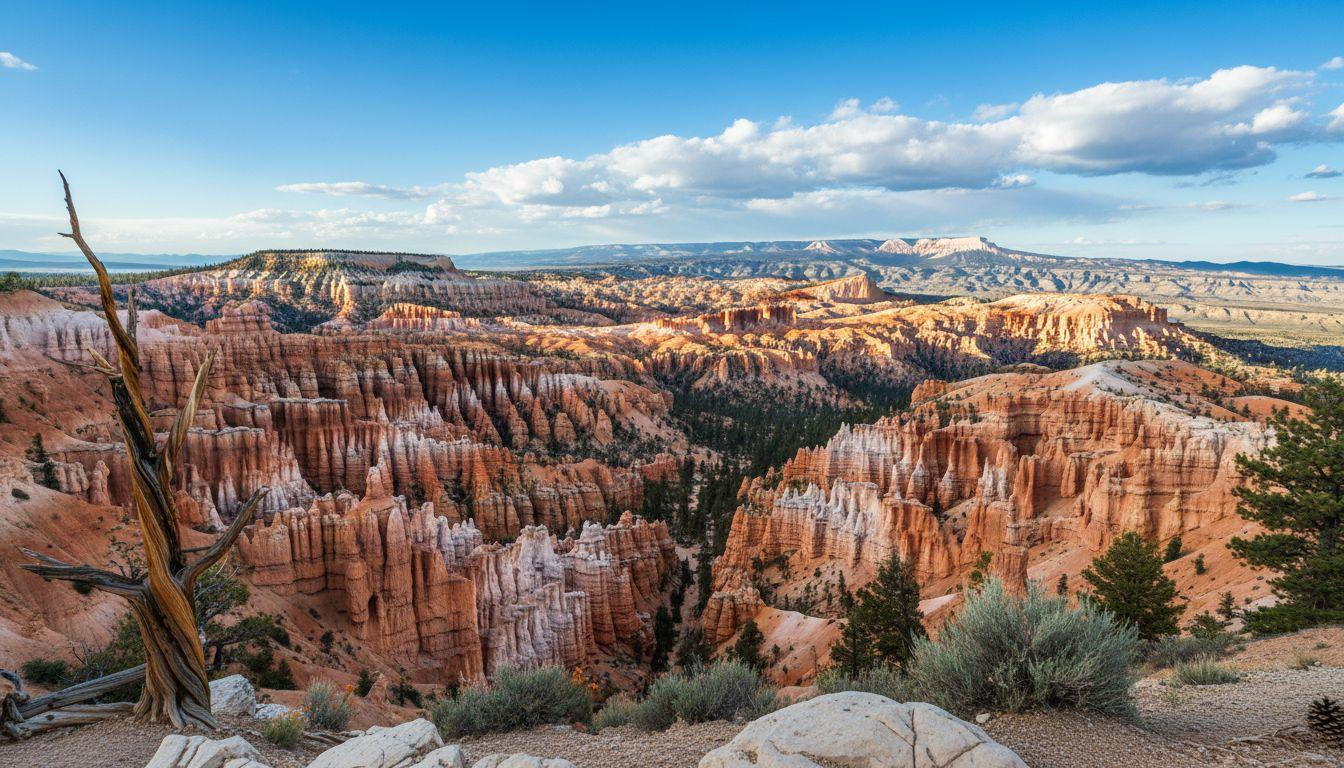
Bryce Canyon sits 260 miles northeast in southern Utah. Same $35 vehicle fee plus the new $100 non-US surcharge starting 2026. But half the crowds at 1.97 million annual visitors. Roadside viewpoints deliver orange-red hoodoo spires in natural amphitheaters without the parking chaos or mile-long rim walks Grand Canyon demands.
Why Grand Canyon South Rim exhausts before you see anything
The South Rim accounts for 90% of Grand Canyon’s 4.43 million visitors in 2025. That concentration creates a theme park atmosphere. Parking requires arriving before 8am or circling lots for an hour. The shuttle system moves people but can’t move them fast enough during peak months when over 400,000 visitors arrive.
Desert elevation at 7,000 feet feels hotter than the number suggests. July and August regularly hit 95°F. The Rim Trail stretches 13 miles but most viewpoints show the same layered chasm from slightly different angles. You need a full day minimum just to handle the logistics. The scale overwhelms but the experience feels repetitive after the first overlook.
Bryce Canyon delivers alien geology in roadside efficiency
The 18-mile scenic drive through Bryce connects 13 viewpoints. Most sit within 200 yards of parking. No shuttle required outside peak summer weekends. The Bryce Amphitheater packs the world’s largest hoodoo concentration into 3 square miles of natural theater.
Hoodoo spires vs distant layers
Hoodoos rise 100 to 200 feet as irregularly eroded limestone spires. Frost wedging creates them through freeze-thaw cycles unique to the Paunsaugunt Plateau’s 8,000 to 9,000 foot elevation. Iron oxide concentrations of 20 to 30% produce the orange-red coloring that intensifies at sunrise and sunset.
Grand Canyon shows horizontal geological layers from a distance. Bryce puts vertical formations at arm’s reach. The Navajo Loop descends 550 feet in 1.3 miles, putting you among the hoodoos in under an hour round trip. Zion’s slot canyons offer similar intimacy 85 miles southwest but require longer hikes and shuttle coordination.
Crowd and cost advantages that matter
Bryce recorded 1.97 million recreation visits in 2025, down from 2.5 million in 2024 due to refined counting methods and reduced international tourism. That’s 55% fewer annual visitors than Grand Canyon South Rim. The shuttle system operates April through October with 15 to 20 minute loops and typical waits under 15 minutes even in summer.
Lodging near Bryce costs 30 to 40% less. Bryce Canyon Lodge runs $150 to $250 per night compared to $250 to $400 at El Tovar or other South Rim properties. Nearby Tropic and Panguitch offer motels and B&Bs from $100 to $180. Gas in Panguitch averages $3.50 per gallon versus $4.00 in Tusayan near Grand Canyon based on 2025 data.
What three hours at Bryce actually delivers
Drive from the visitor center to Rainbow Point in 90 minutes, stopping at Sunrise Point, Sunset Point, Inspiration Point, and Bryce Point. Each viewpoint reveals different amphitheater angles. The elevation climbs to 9,115 feet at Rainbow Point where Capitol Reef’s waterpocket folds appear on the eastern horizon 120 miles away.
Trail options for deeper immersion
The Rim Trail connects viewpoints in 1 to 3 mile segments. Sunrise to Sunset Point covers 1 mile in 20 to 30 minutes on paved, mostly level terrain. Queen’s Garden Trail drops 350 feet over 1.8 miles to reach hoodoo formations up close, taking about an hour round trip.
Bristlecone pines over 1,000 years old line the rim trails. The high elevation keeps summer temperatures between 75°F and 85°F while Grand Canyon bakes. April through May sees highs of 45°F to 65°F with wildflowers like sego lilies and paintbrush emerging mid-month in the amphitheater.
Dark sky advantage after sunset
Bryce earned International Dark Sky Park certification in 2007. Ranger-led astronomy programs run nightly April through October. The plateau’s 8,000 foot elevation and distance from cities create near-zero light pollution. Grand Canyon South Rim Village generates enough artificial light to diminish star visibility at popular overlooks.
Pine resin scent from ponderosa and white fir forests mixes with high desert sage. Post-rain petrichor intensifies in the thin air. Wind moves through hoodoo formations creating near-silence between gusts. Recent visitor surveys show 95% satisfaction ratings at Bryce compared to 90% at the more crowded Grand Canyon.
Your questions about Bryce Canyon answered
When does the 2026 shuttle season start and do I need it
The shuttle operates April 3 through October 18 in 2026 with four stops from the visitor center to Rainbow Point. Outside those dates you drive the scenic route yourself. Parking fills mid-morning in summer but shoulder months like April, May, September, and October rarely see lot closures. Ruby’s Inn offers overflow parking 0.5 miles from the entrance.
How does April weather compare to summer visits
April highs range from 45°F to 65°F with lows between 25°F and 35°F. Trails typically clear of snow by late March. Wildflowers peak in weeks two through four of April following snowmelt. Summer brings 75°F to 85°F days but also peak crowds. Crater Lake’s volcanic amphitheater offers similar shoulder season appeal with snow-rimmed blue water.
What makes Bryce geology different from other Southwest parks
Frost wedging occurs here at rates not found in lower elevation parks. Winter freeze-thaw cycles crack the Claron Formation limestone up to 200 times annually. This creates the vertical hoodoo spires instead of horizontal layers. Sedona’s red rocks share similar iron oxide coloring but lack the amphitheater concentration and spire density.
Morning light hits Sunrise Point around 7am in April. The hoodoos glow orange for maybe ten minutes before the color softens. Most visitors sleep through it. The ones who don’t get the amphitheater to themselves.