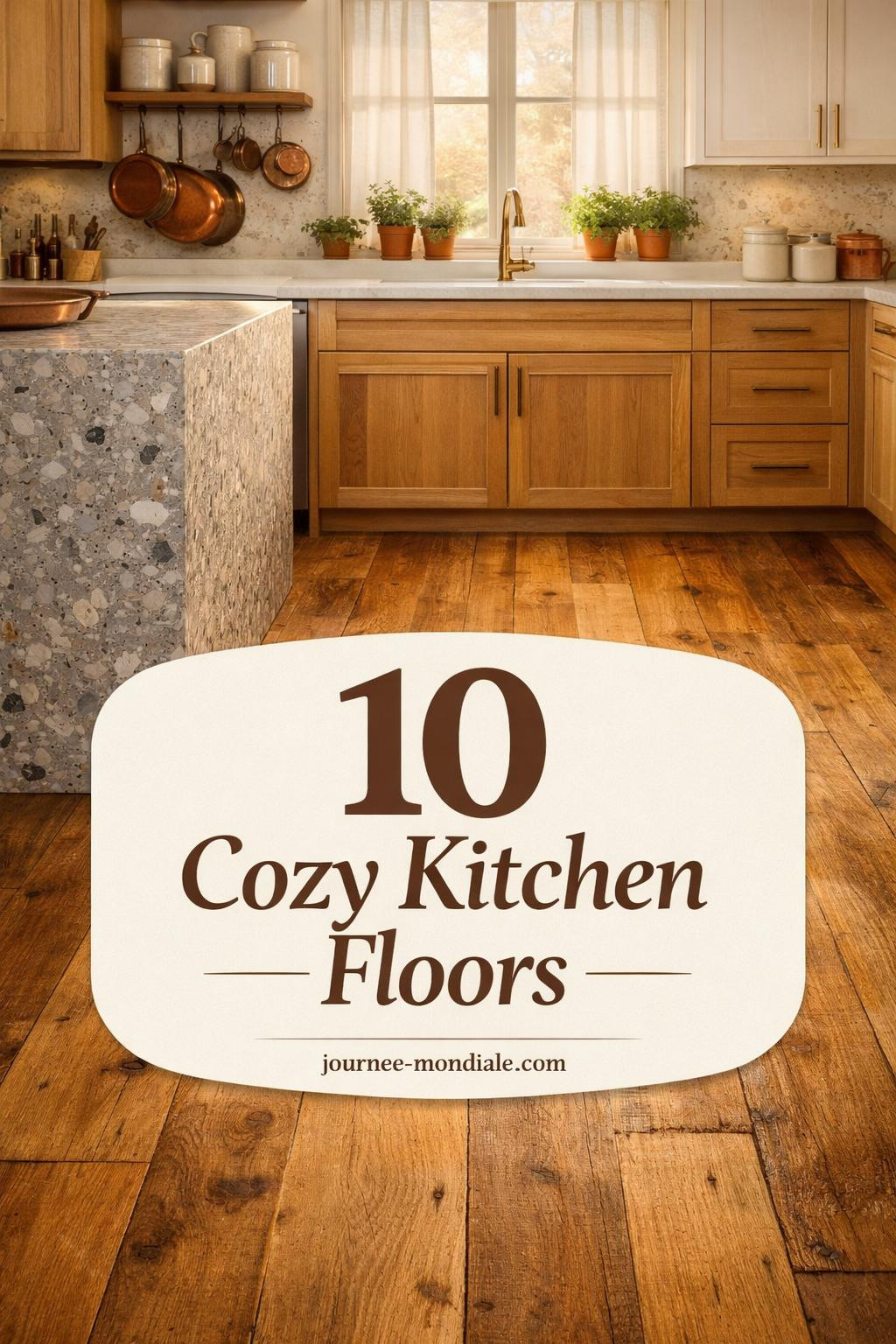
Kitchen flooring ideas are finally getting honest. The ones that actually make a space feel warm? They break a few rules.
The Zellige Move That Changed Small Kitchens
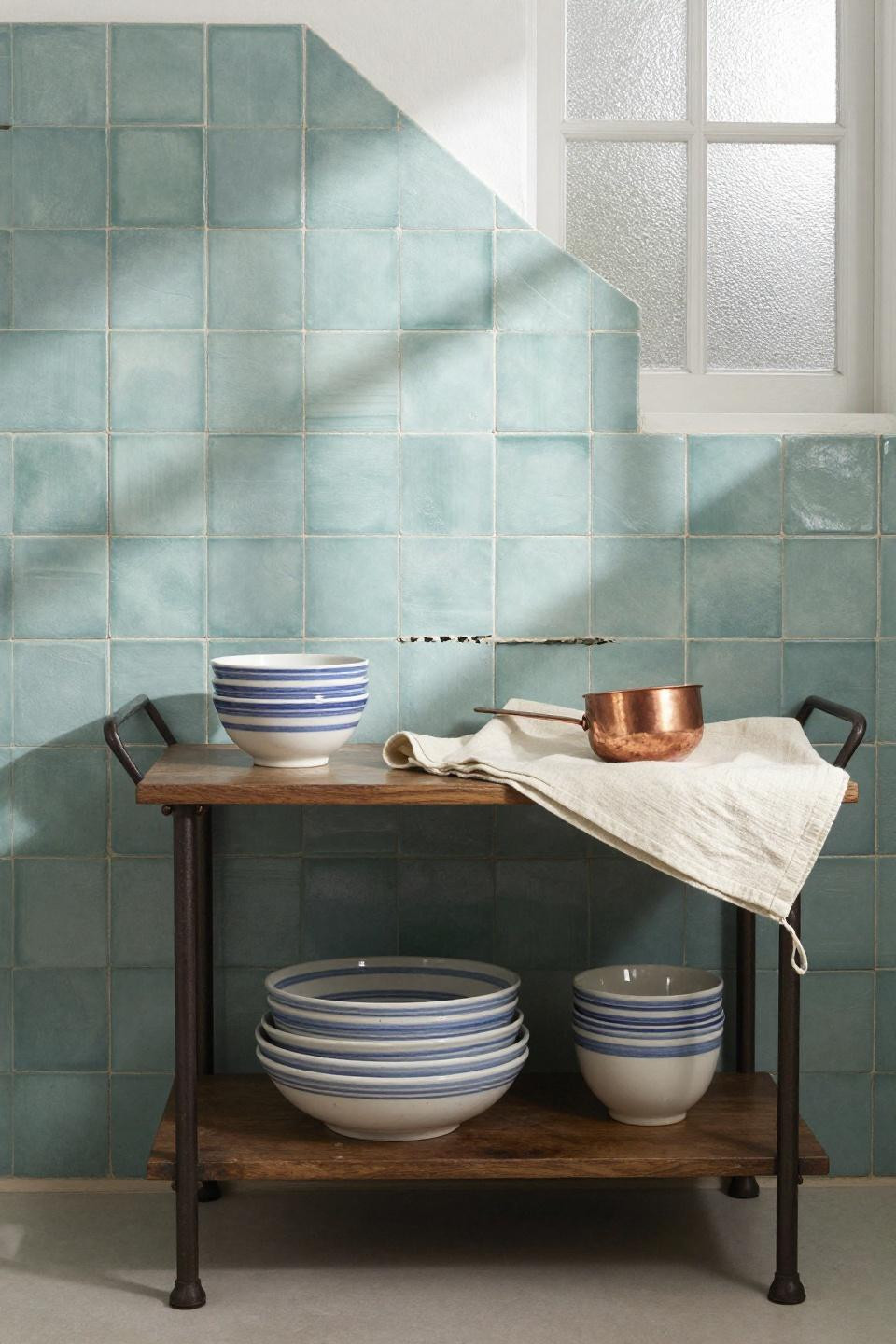
Handcrafted zellige tiles in dusty blue-green bring instant character to tight spaces. The uneven artisan installation—those deeper grout lines, the slightly irregular surface—makes everything feel lived-in from day one. Pair with butcher-block and open shelving to keep the vibe approachable, not precious. I’ve seen this combo in actual rentals now (which tells you it works).
Why Terracotta Porcelain Doesn’t Look Fake Anymore
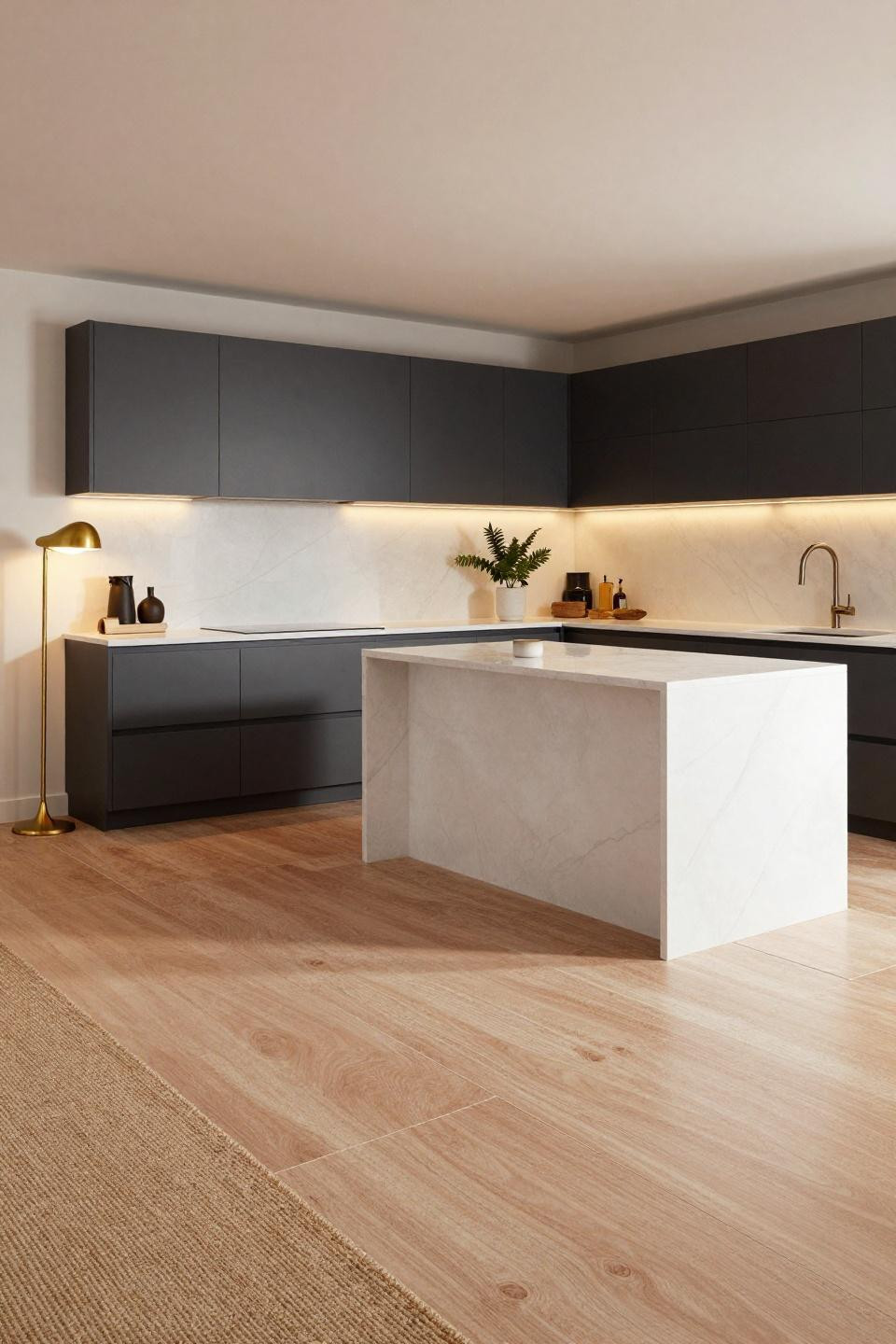
Large-format porcelain planks in warm terracotta-brown finally nail the natural stone look without the upkeep nightmare. The vein patterns mimic aged marble, but you can actually mop them. Works best in modern kitchens where charcoal cabinetry needs warming up. Bonus: no sealing, no staining, no wine-spill panic at 11 PM.
Slate That Actually Feels Cottage-Worthy
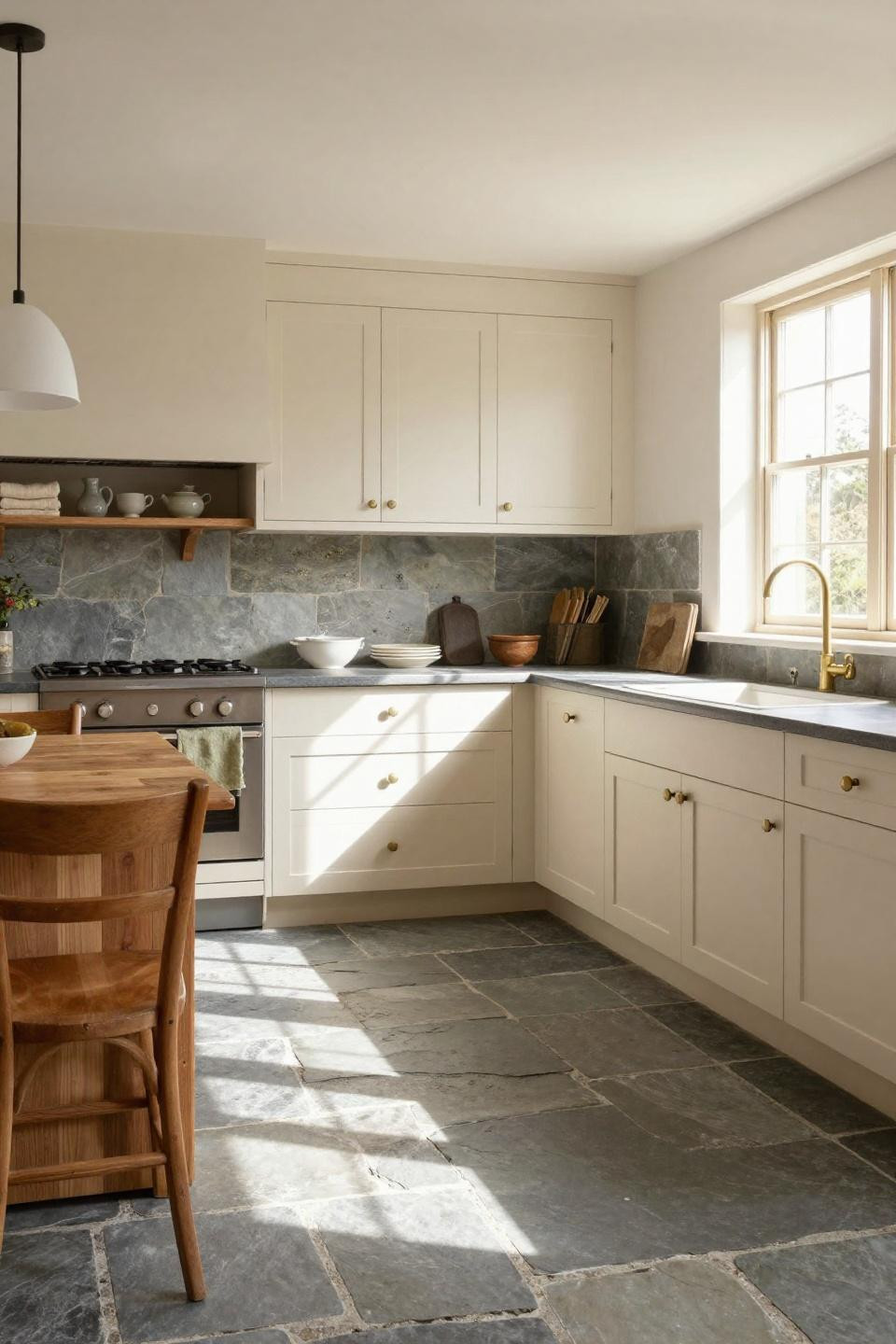
Irregular slate in muted charcoal-grey brings that English cottage energy without feeling stuffy. The mineral veining and subtle texture variations catch afternoon light in a way smooth tile never will. Great with cream Shaker cabinets and brass hardware. Just know the edges chip—and honestly, it adds to the whole thing.
Light Oak Chevron for People Who Hate Obvious Patterns
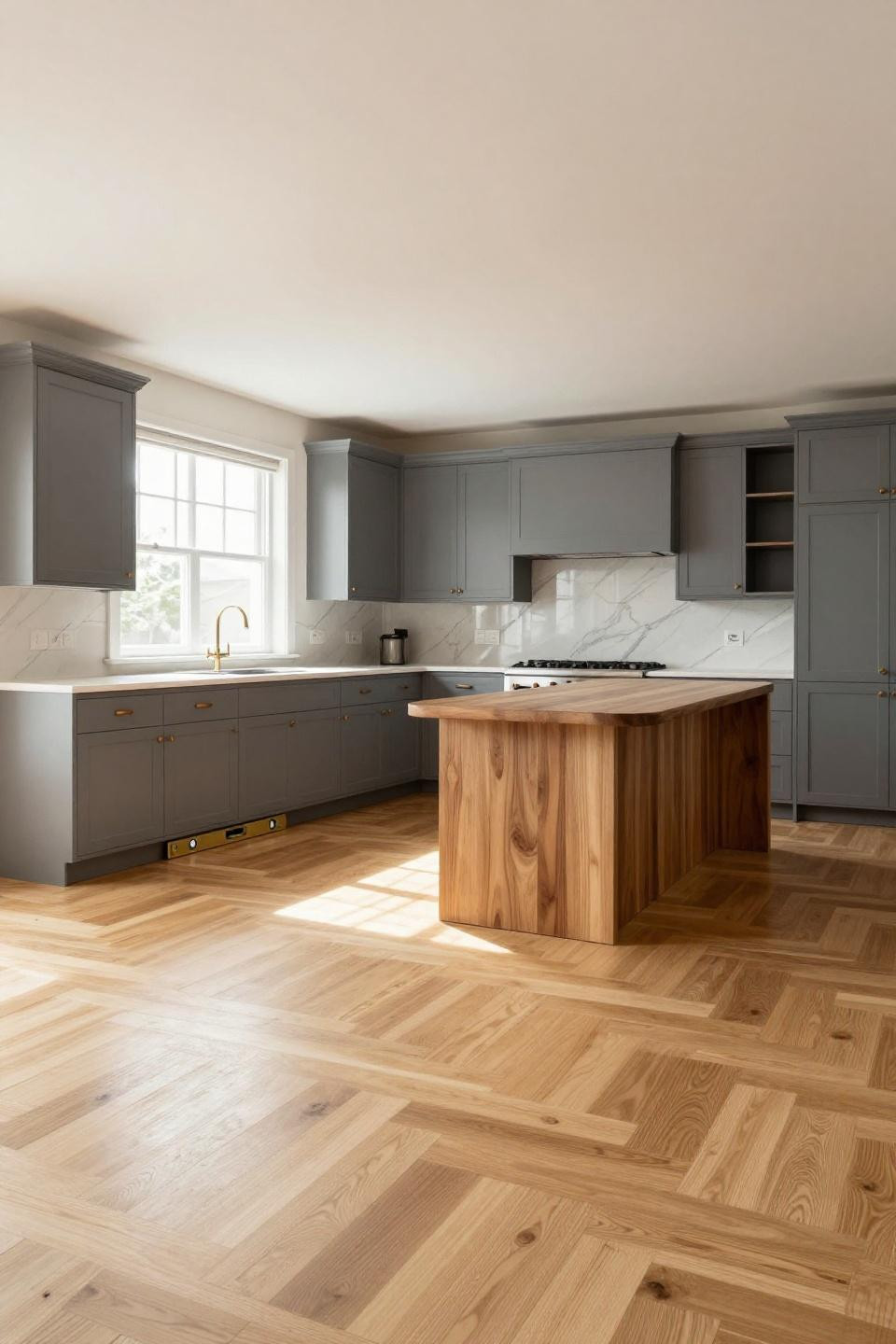
Chevron parquet in light oak creates movement without screaming for attention. The diagonal rhythm tricks your eye into thinking the space is bigger (it works). Best for open-plan kitchens where you need visual interest but not chaos. I’d pick this over herringbone if your cabinetry already has strong lines.
The Cork Flooring Trick Mid-Century Fans Swear By
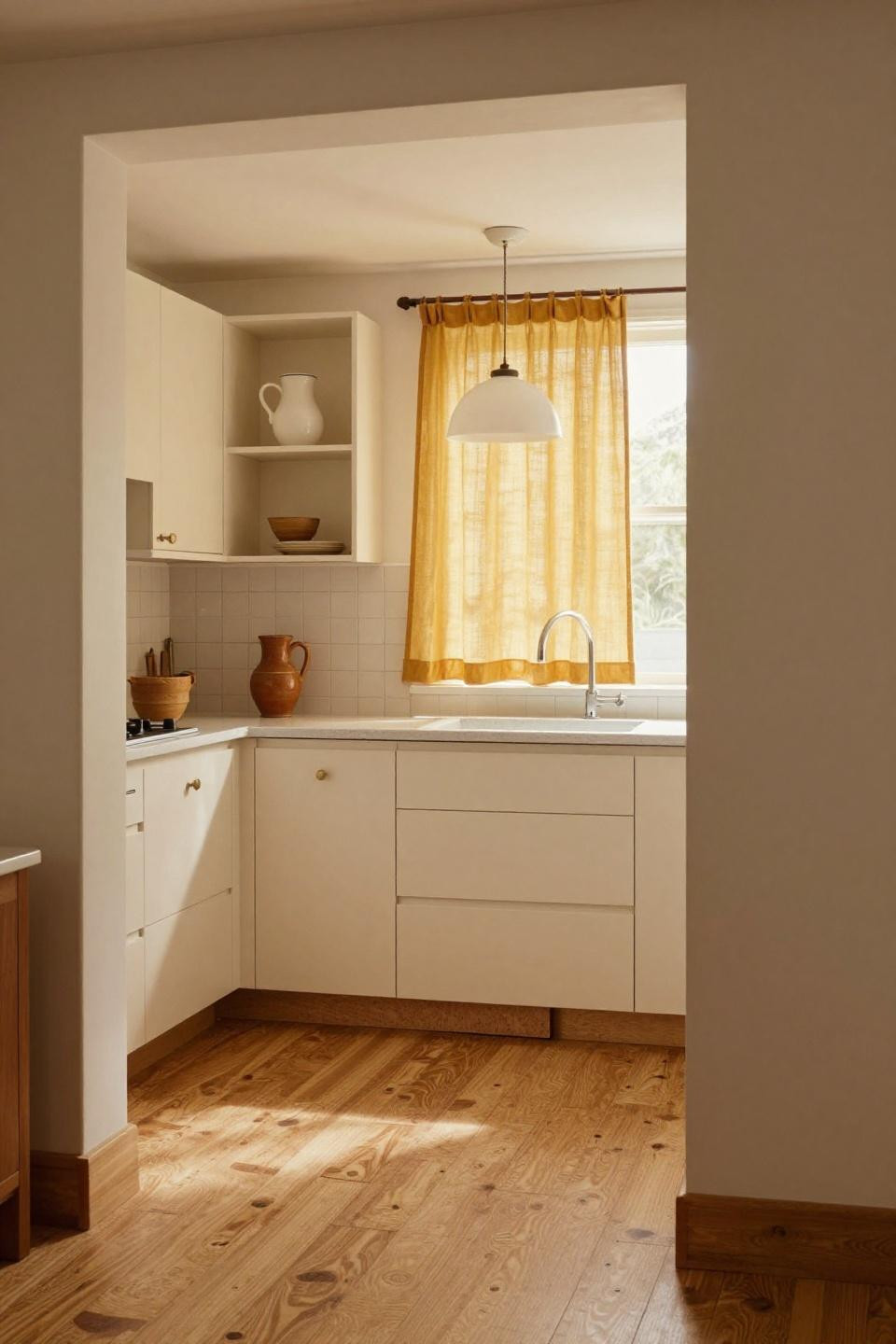
Cork flooring in honey tones brings mid-century warmth without the wood-floor price tag. Soft underfoot, naturally antimicrobial, and that organic grid pattern feels intentional. Perfect for eat-in kitchens with vintage dinettes. One warning: edges lift near cabinets if the installer skips expansion gaps (ask me how I know).
Travertine Hex Tiles Nobody’s Doing Yet
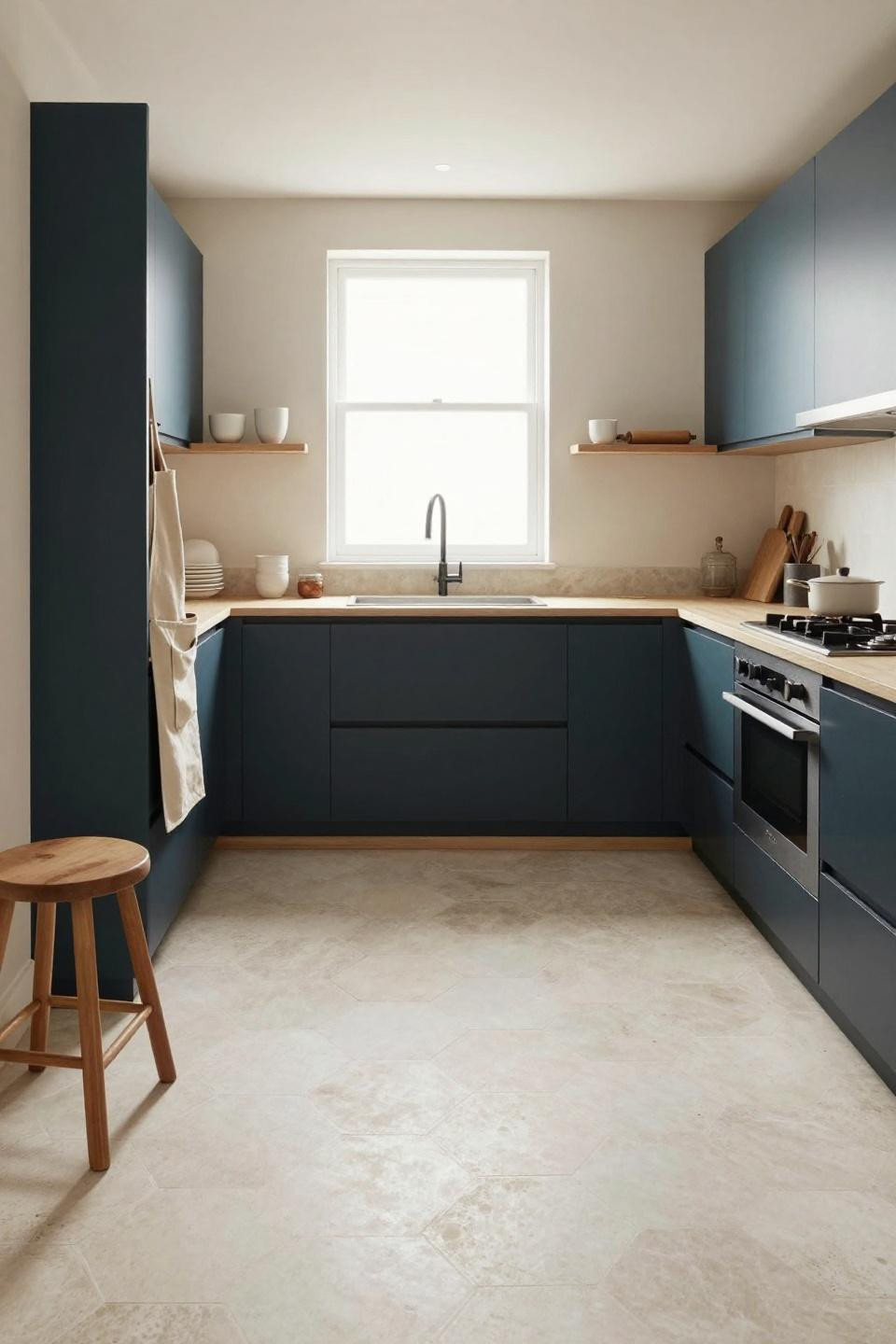
Large-format travertine hexagons in pale cream feel ancient and modern at the same time. The shadowless quality in natural light makes compact galleys feel twice as big. Works beautifully with blackened steel and minimal ceramics. And yes, dust shows in the grout joints—weekly sweeping becomes non-negotiable.
When Limestone Meets Birch Without Looking Precious
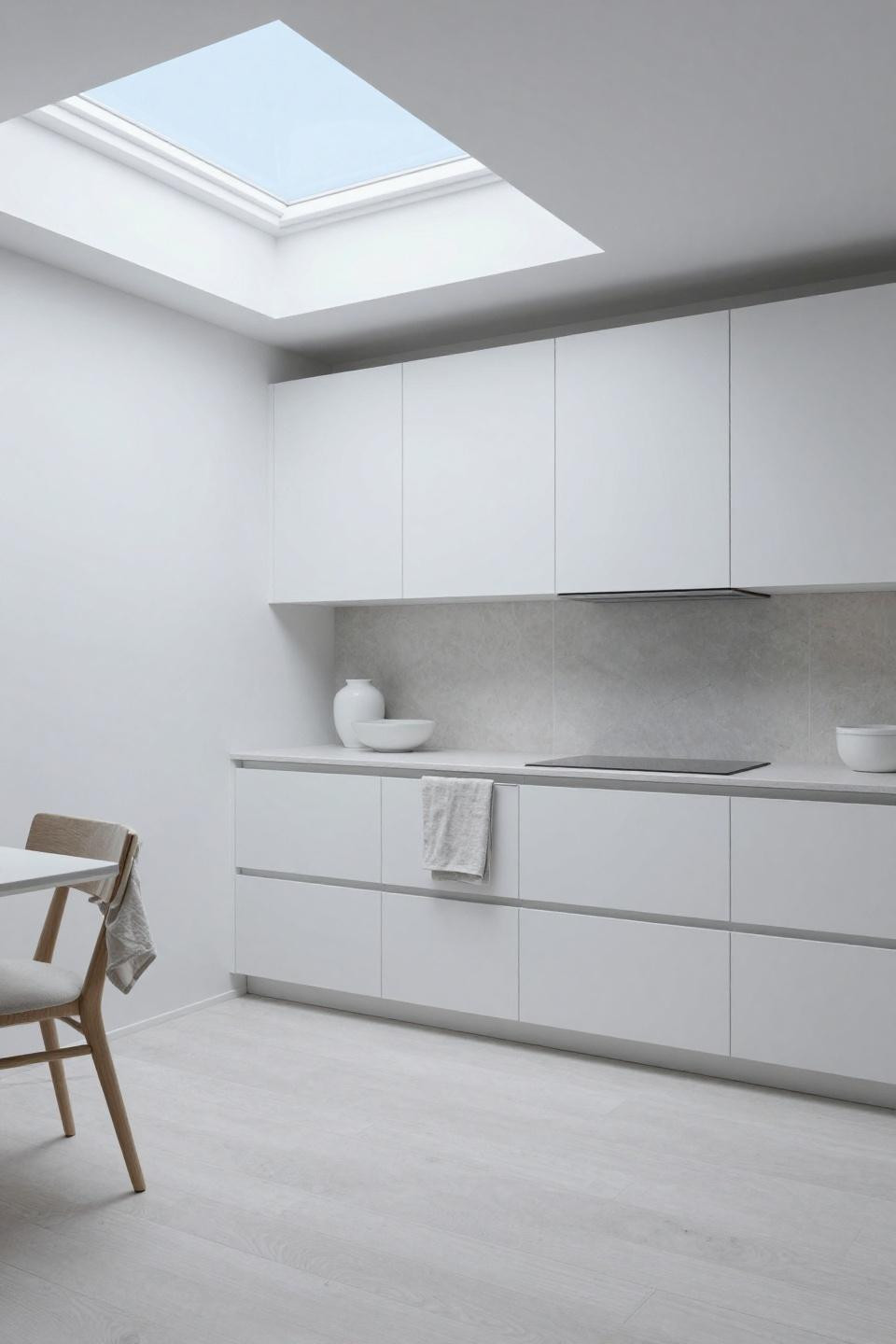
Pale limestone tiles transitioning to white birch hardwood at a subtle diagonal—this is how Scandinavian designers zone open kitchens. The material shift defines spaces without walls or rugs. Best in rooms with killer natural light where you want the floor to disappear. Just commit to one transition line and call it done.
Terracotta Encaustic Tiles That Actually Feel Cozy
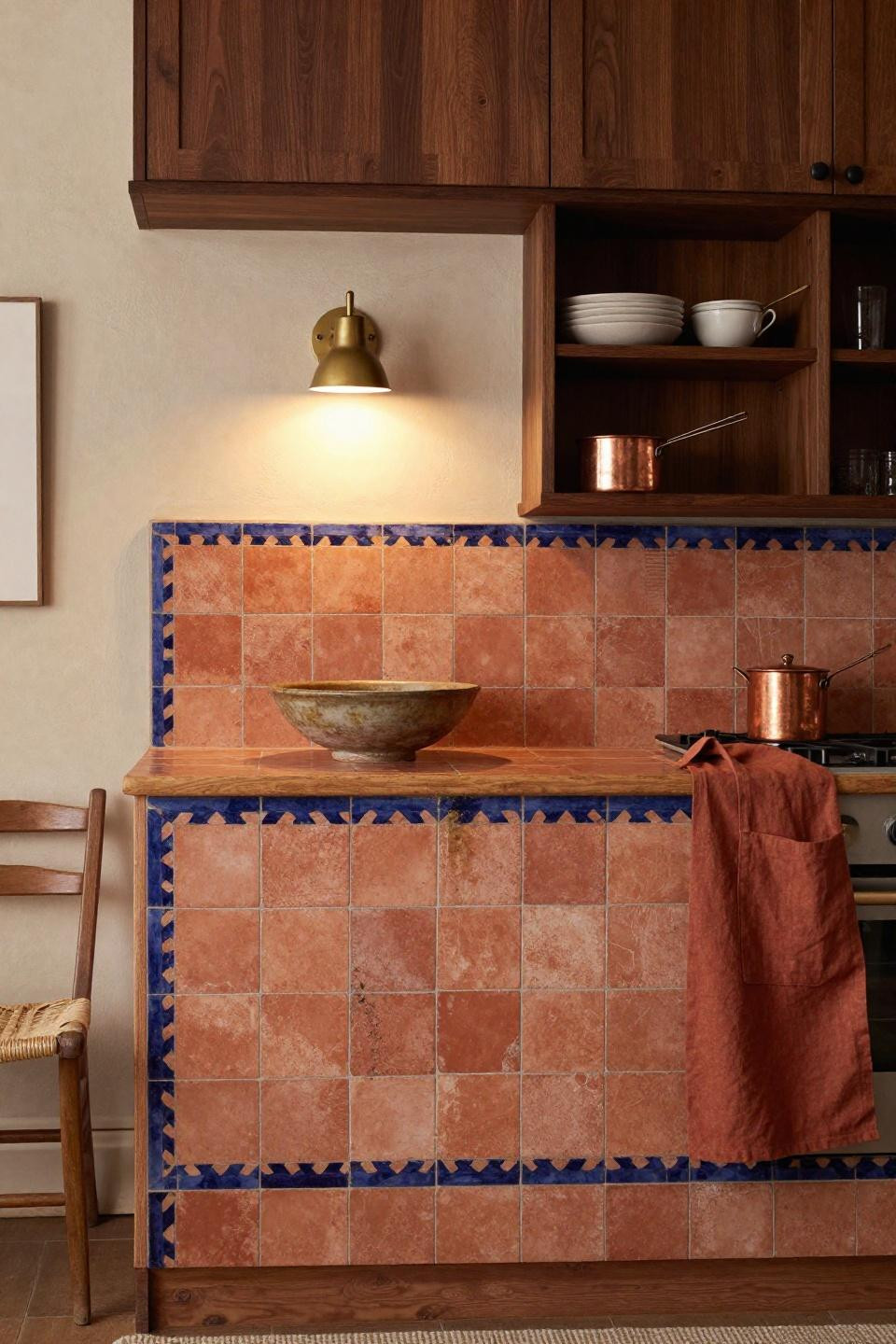
Handmade terracotta encaustic tiles with indigo borders bring pattern without the farmhouse-decor fatigue. The mineral staining in grout joints happens naturally and looks right (don’t fight it). Great for galley kitchens where limewashed walls need grounding. This works if you’re okay with floors that develop character, not pristine forever.
Wide-Plank Reclaimed Timber You Can Actually Find
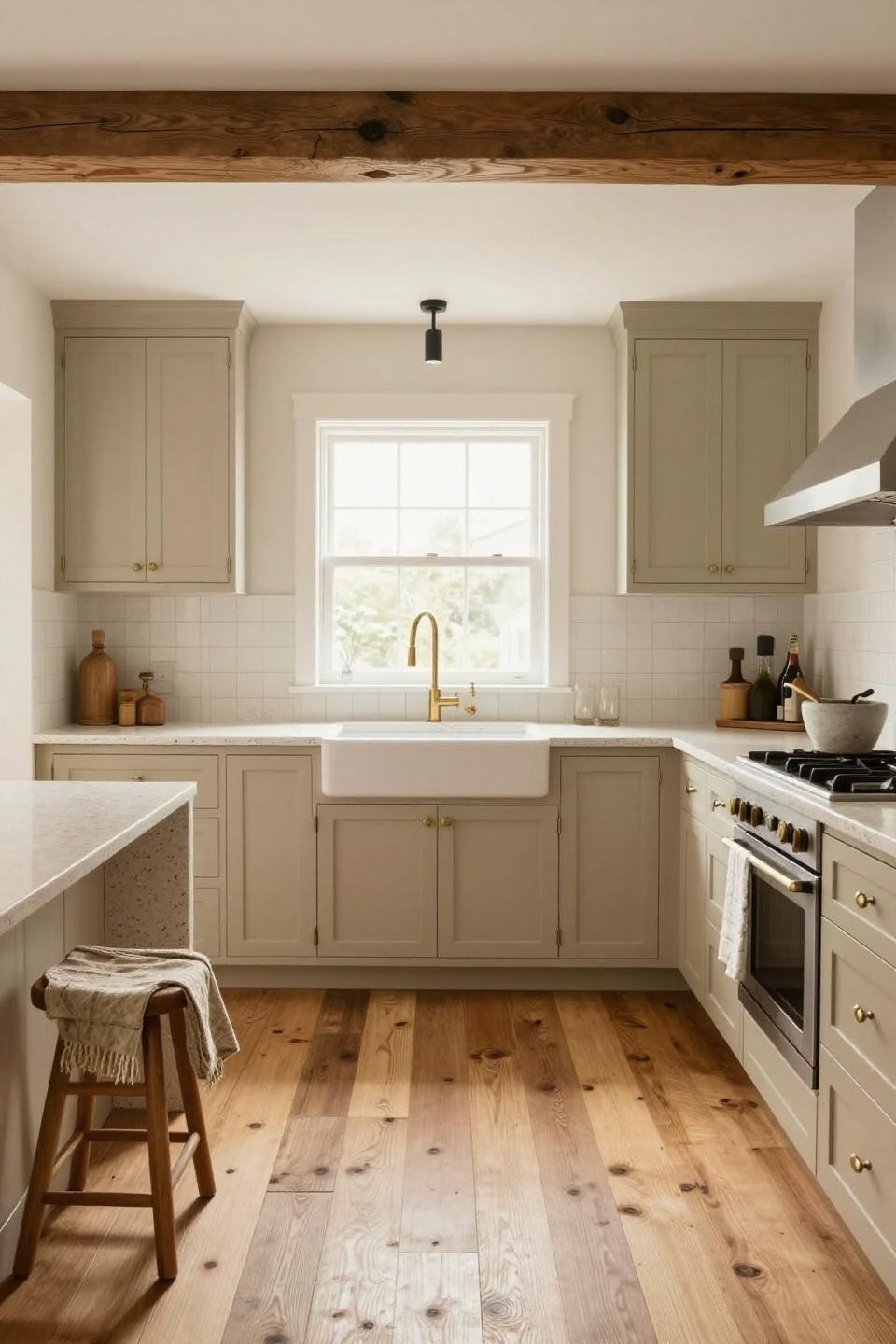
Reclaimed timber in honey tones with wide planks brings instant warmth to farmhouse kitchens without feeling staged. The slightly raised board edges near perimeters? That’s real wood doing real wood things. Pair with terrazzo islands and unlacquered brass to keep it from going full country. West Elm’s catalog is basically this combo on repeat.
The Tile-to-Hardwood Transition That Doesn’t Look Choppy
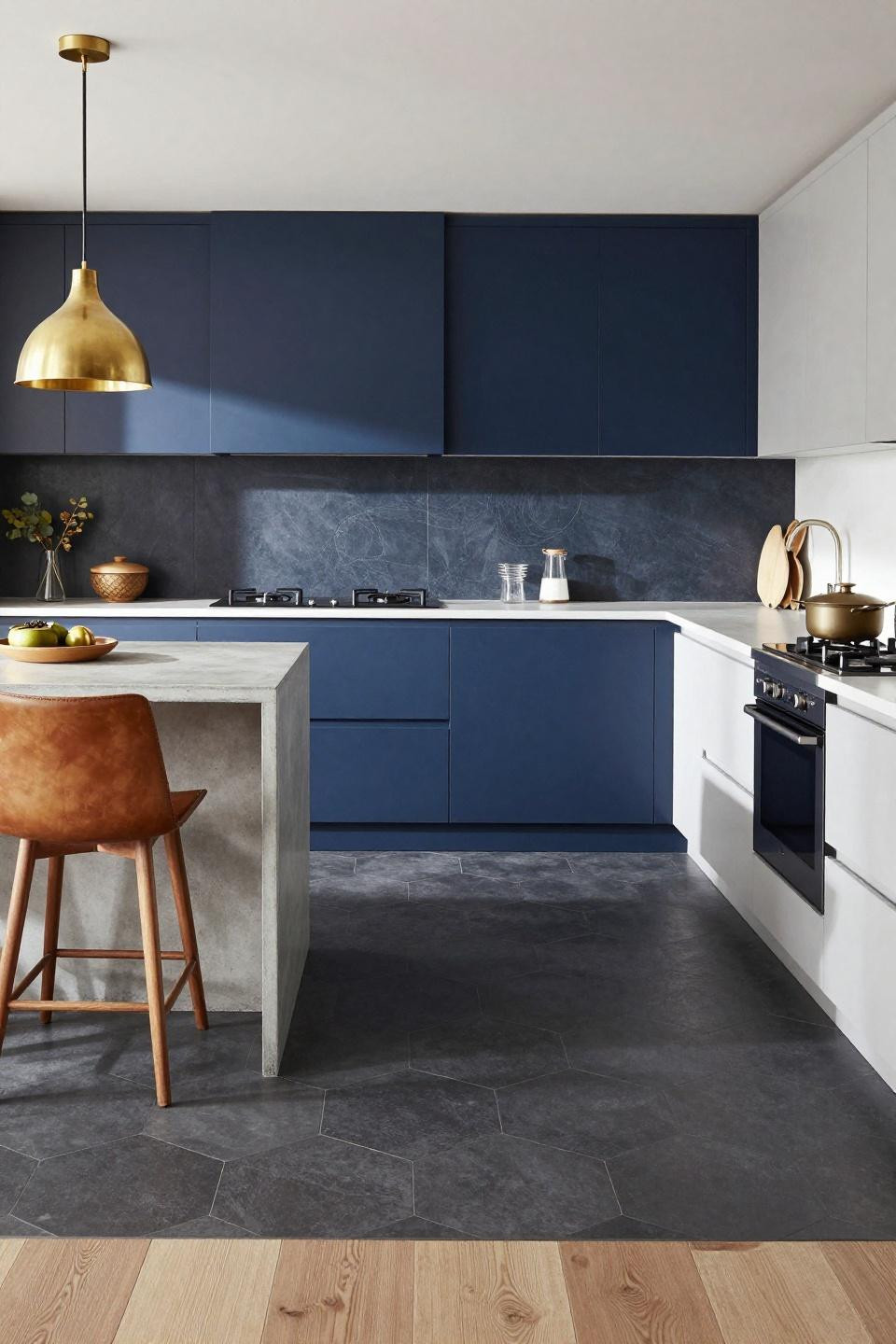
Matte charcoal hexagons meeting light ash hardwood in adjacent zones—this is how you define a kitchen workspace without dropping a rug. The contrast creates natural boundaries but feels cohesive. I’d pick this over one flooring type throughout if your kitchen flows into living space. Just prep for one grout line to come out wider (it always does).