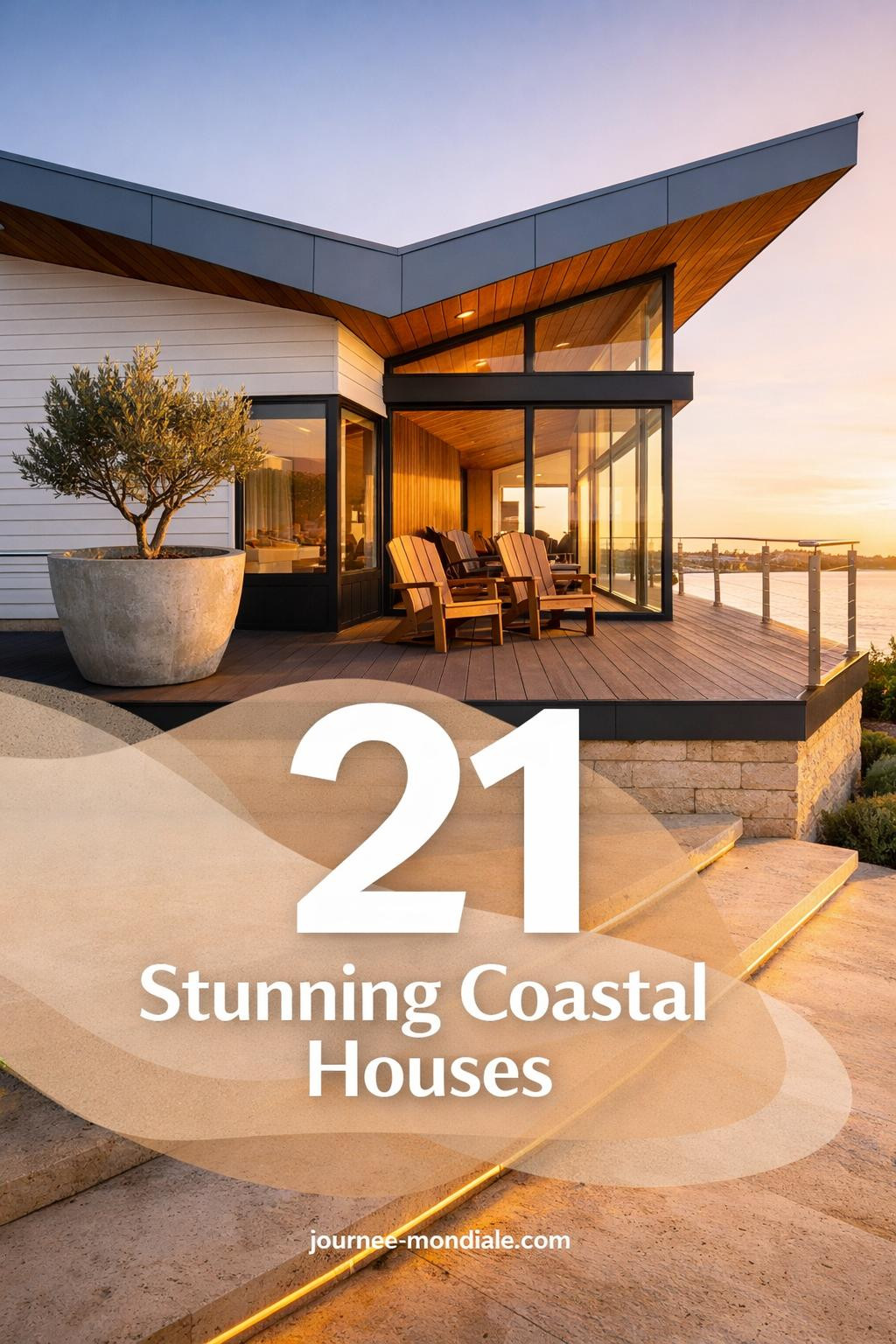
Bloxburg Coastal House builds are everywhere right now. And the good ones? They all nail a few specific things that make them feel real instead of blocky.
The Lake House That Ditches the Traditional Dock Look
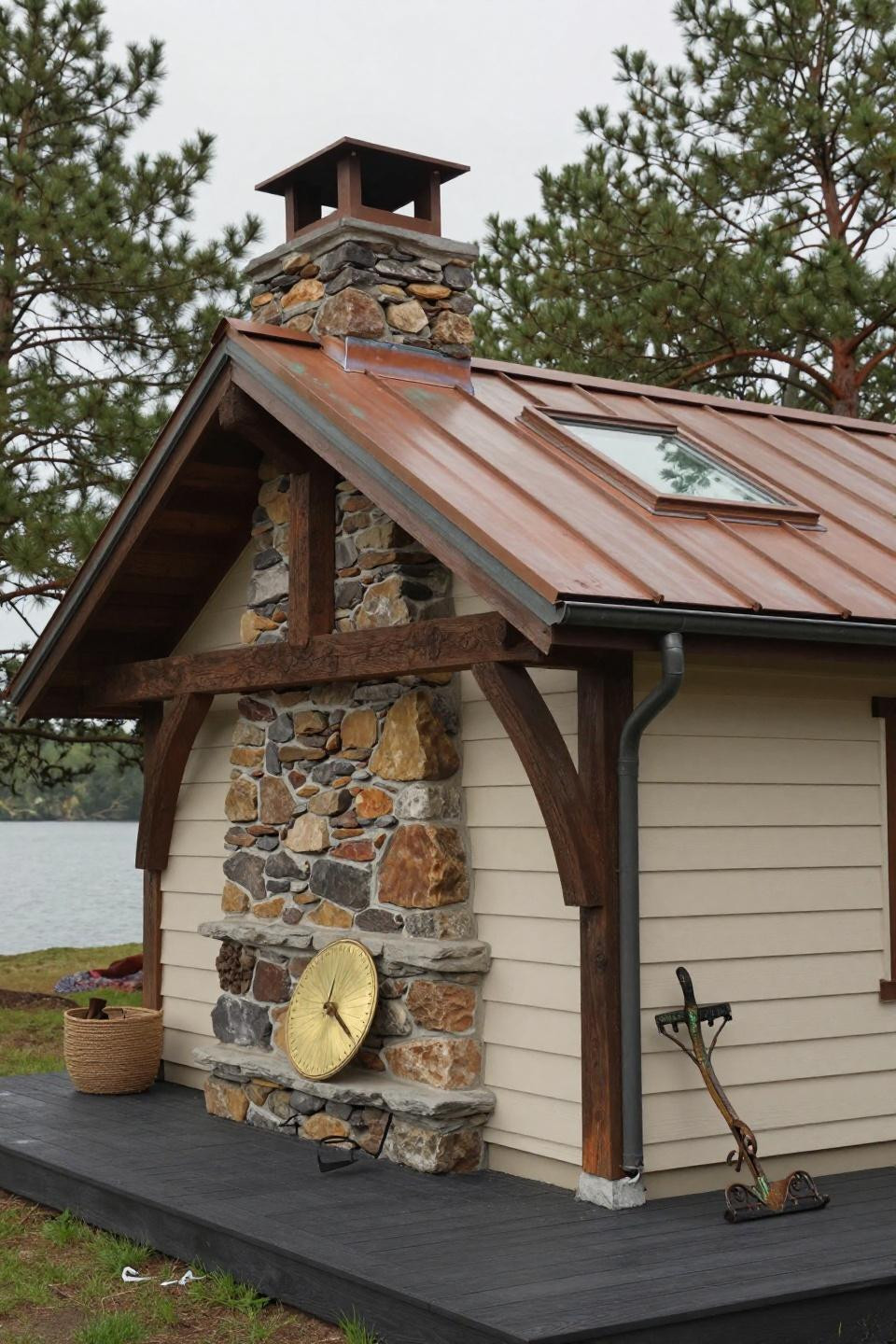
Burnt-sienna stone anchors this timber-frame cottage instead of the usual white pillars everyone defaults to. The weathered copper roof catches light completely differently than basic shingles (and it ages better in-game). That charcoal composite deck material? Way more realistic than the glossy options. I’d add the skylight halo detail—it’s subtle but makes the roofline interesting from every angle.
Why This Exterior Actually Photographs Well
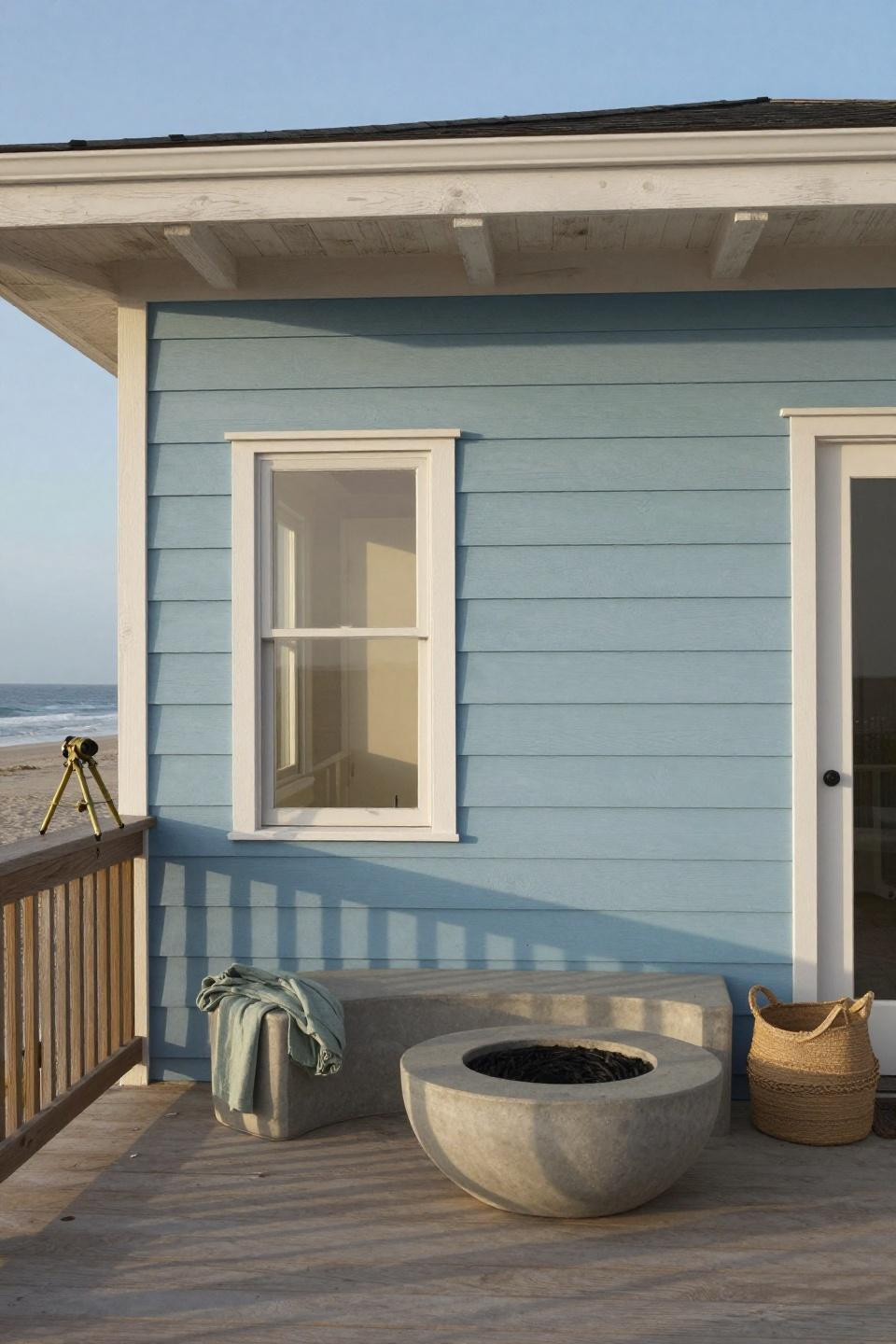
Soft-blue vertical siding works because it’s not trying to be bright turquoise. The driftwood overhang adds depth without eating your build budget. That curved fire pit bench? It’s the kind of detail that makes people stop scrolling. The sage linen throw is optional but helps sell the “someone actually lives here” vibe. Start with the deck railing placement—it frames views without blocking them.
The Floating Shelf Setup That Doesn’t Look Fake
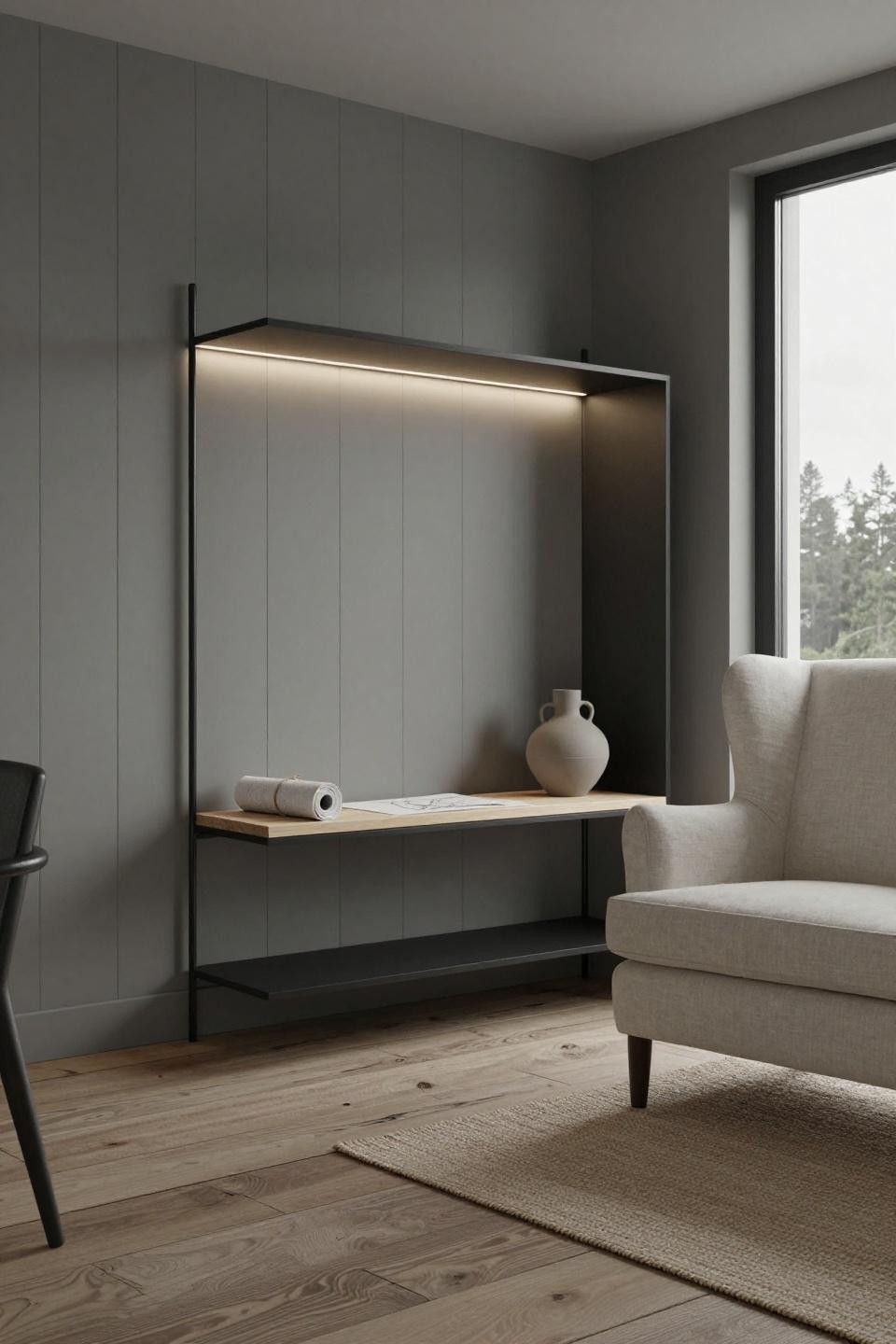
Matte-black steel with integrated LED shadow gaps. That’s it. The sage-grey shiplap keeps it coastal without going full nautical. Hickory flooring adds warmth so the black doesn’t read cold. This works in tiny spaces because the cantilever trick makes walls look deeper. I’d skip the wingback chair if you’re tight on space—just do the shelf and lighting.
Crisp White That Doesn’t Feel Like a Hospital
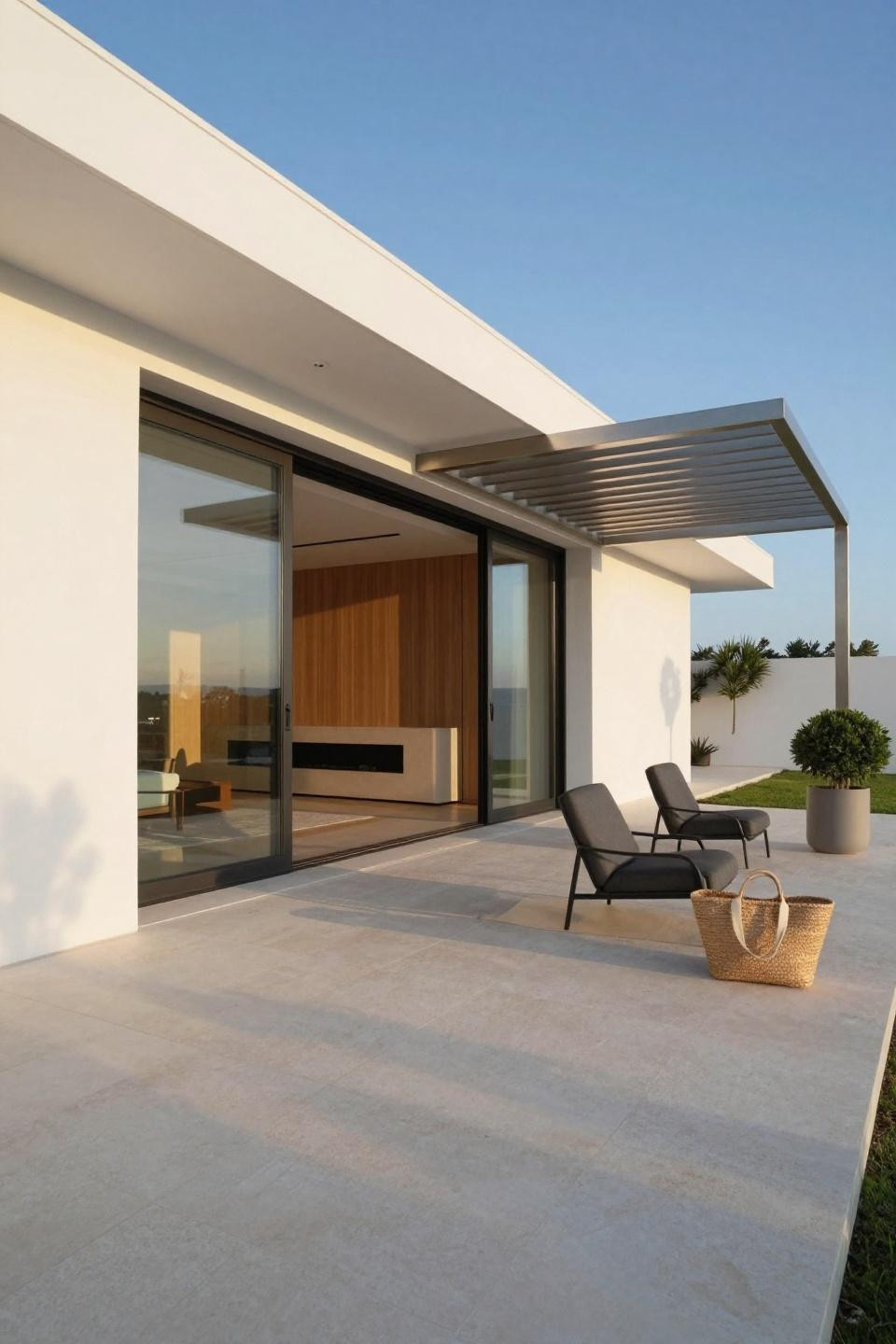
White render plus travertine terrace. The flat roof overhang is massive but balanced by that stainless steel pergola with shade louvers. Golden hour makes this build—place it facing west in-game. The linear fireplace visible through glass? Copy that exact placement. It anchors the whole interior from outside. Great if you want modern without going full concrete bunker.
The Butterfly Roof Everyone’s Trying to Replicate
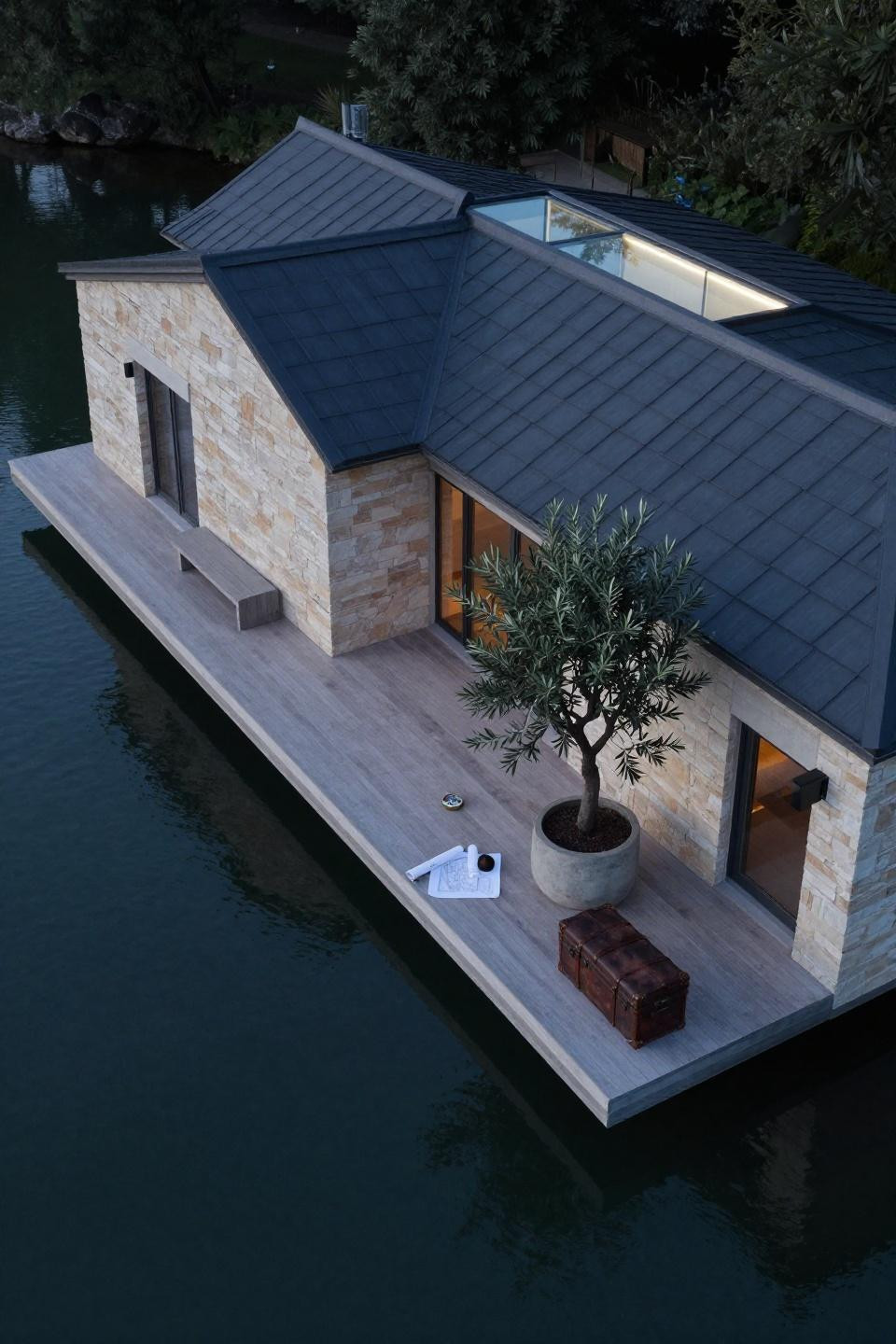
Limestone meets charcoal zinc in an asymmetrical roofline that’s tricky but worth it. The cantilevered deck over water is the move—use the terrain tools to drop your foundation partially submerged. That glass roof monitor floods light where you need it. Single olive tree in raw concrete keeps it minimal. This build looks expensive but uses standard materials smart.
How to Make a Galley Kitchen Feel Twice as Big
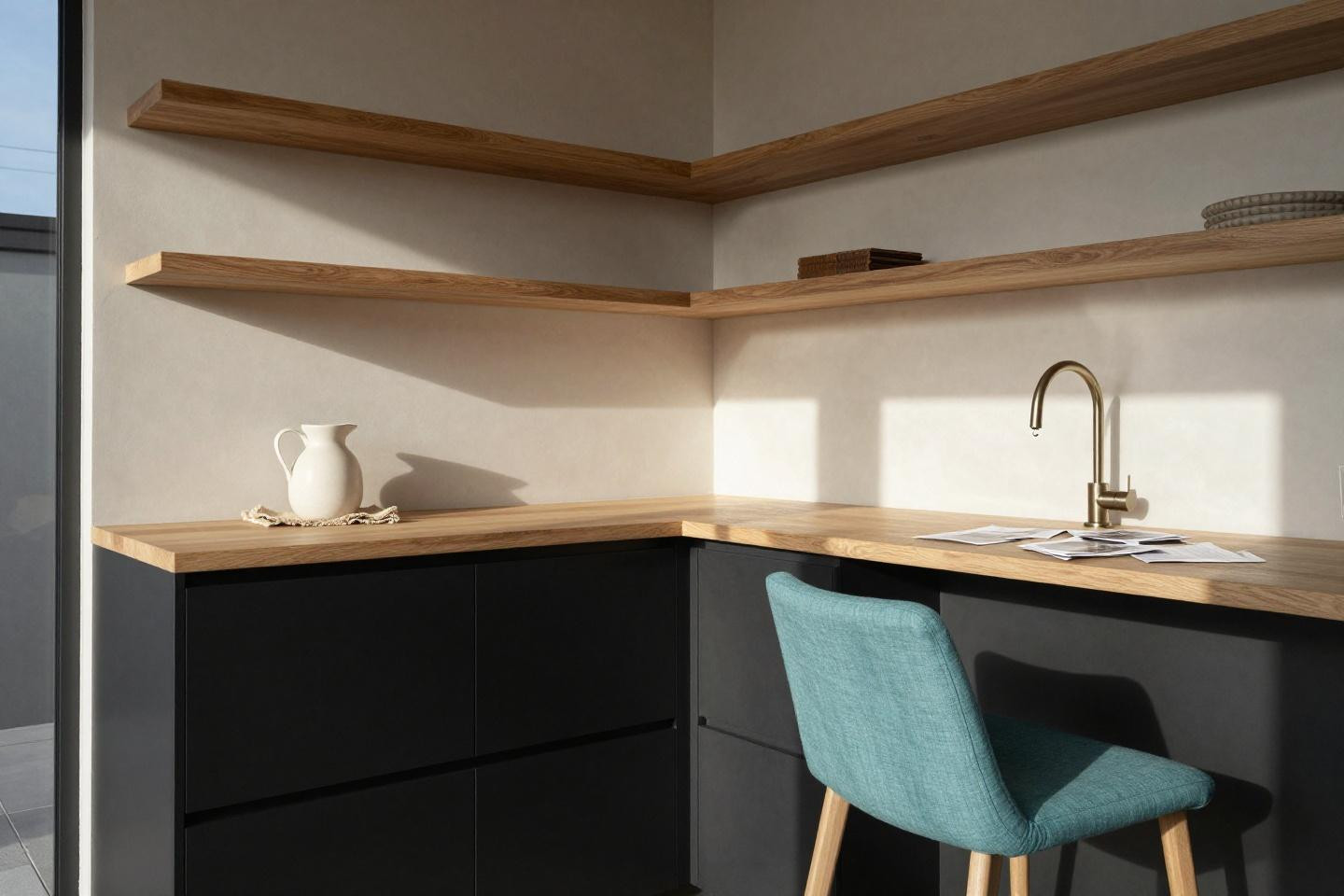
Matte-black lower cabinets. Light oak waterfall counter. Floating walnut shelves instead of upper cabinets. That’s the formula. The turquoise linen barstool adds just enough color without pattern overload. Afternoon sun through a placed window on the right wall creates those diagonal shadows—don’t skip that window placement. Works in 4×6 spaces if you stick to this exact layout.
The Two-Story Elevation That Actually Makes Sense
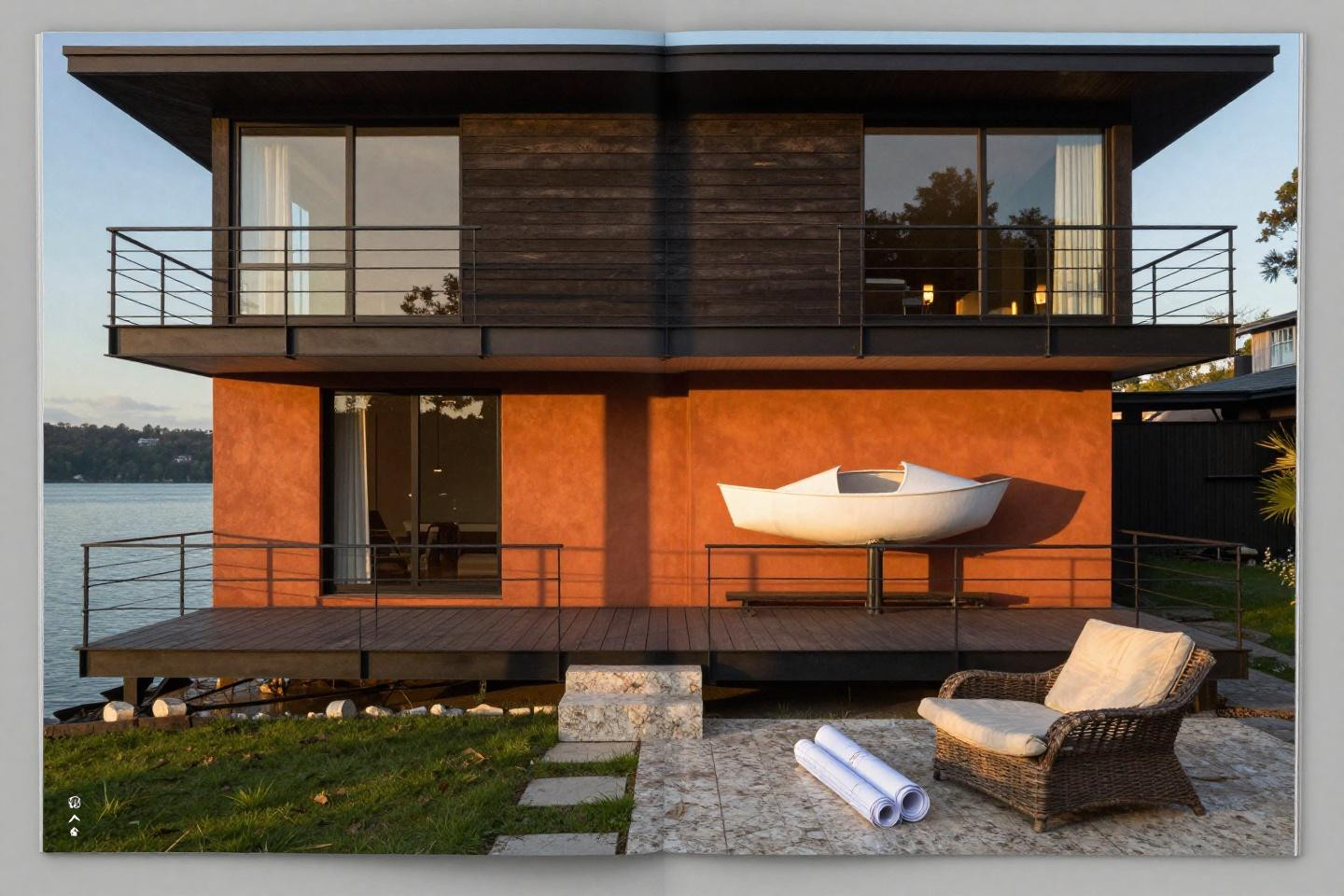
Burnt-orange stucco base. Deep charcoal horizontal slats on top. Ribbon windows instead of scattered squares. The floating steel deck with matte black rails ties both levels together visually. That sculptural white boat form at the entry? Optional but memorable. Great for sloped lots where you need the elevation to work with terrain. The travertine step detail is what separates this from basic two-story boxes.
The Summer Layout Nobody’s Talking About
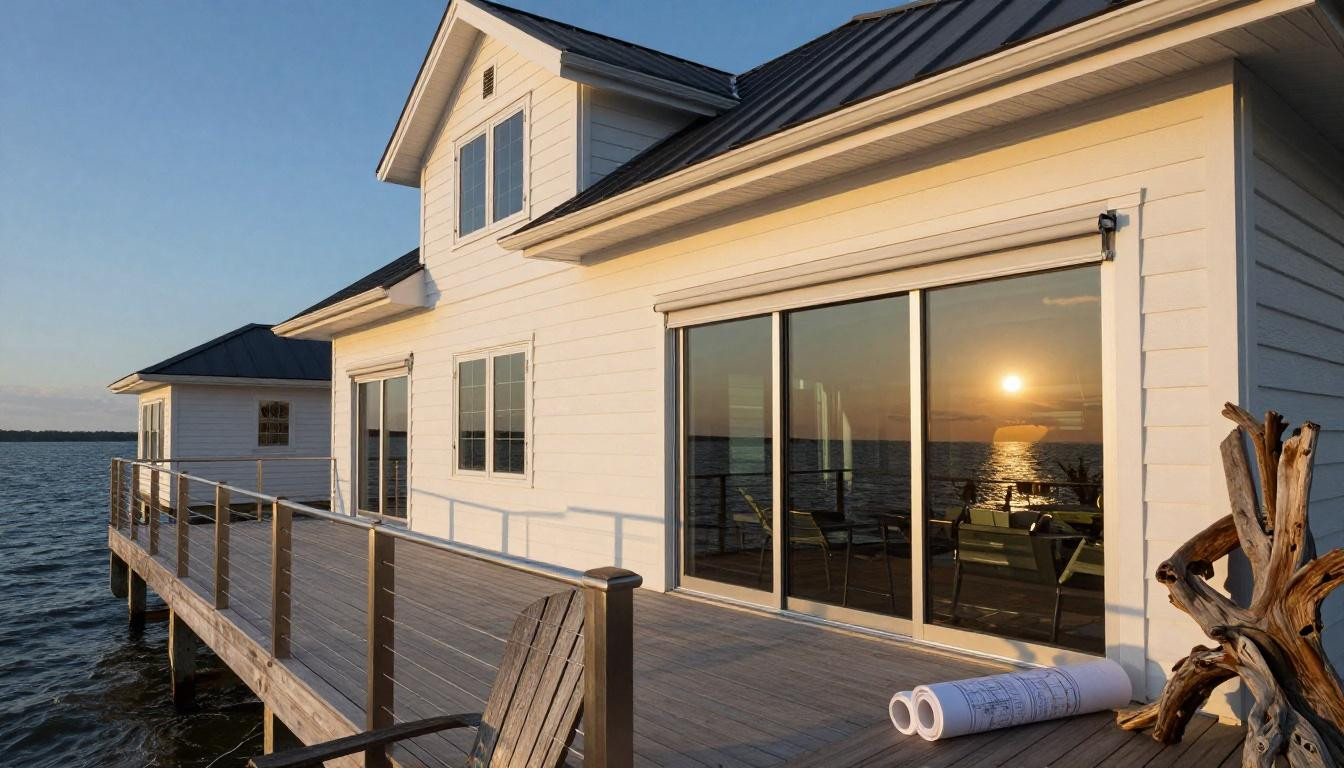
Wraparound deck with brushed stainless cable rails instead of solid panels. Changes everything. The white horizontal board-and-batten stays classic while the charcoal metal roof adds edge. That motorized roller shade on the slider is extra but sells the luxury feel. Best for builds where you want multiple outdoor zones without separate structures. The teak Adirondack placement? Put it where your sightlines naturally pull you.
Terracotta Done Right for Once
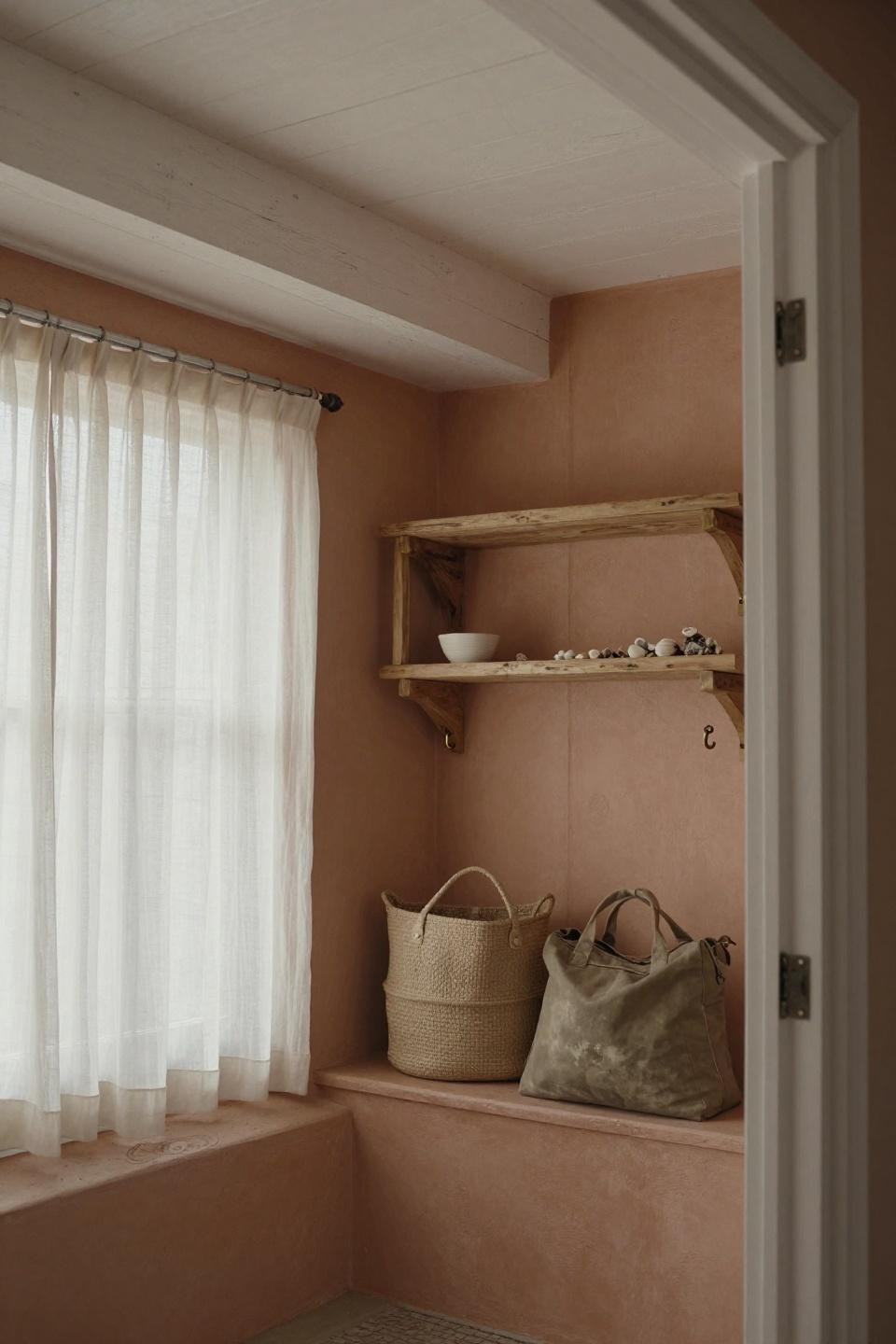
Pale terracotta board-and-batten. Whitewashed pine beam. Driftwood floating shelves with brass boat cleat hooks. This entry setup takes 10 minutes and makes people think you spent hours. The jute basket and canvas bag aren’t just props—they give you functional storage. Morning light through gauzy curtains is key. Place east-facing windows. That water ring on the shelf? Leave imperfections. They read as real.
Vaulted Ceilings Without Wasting Space
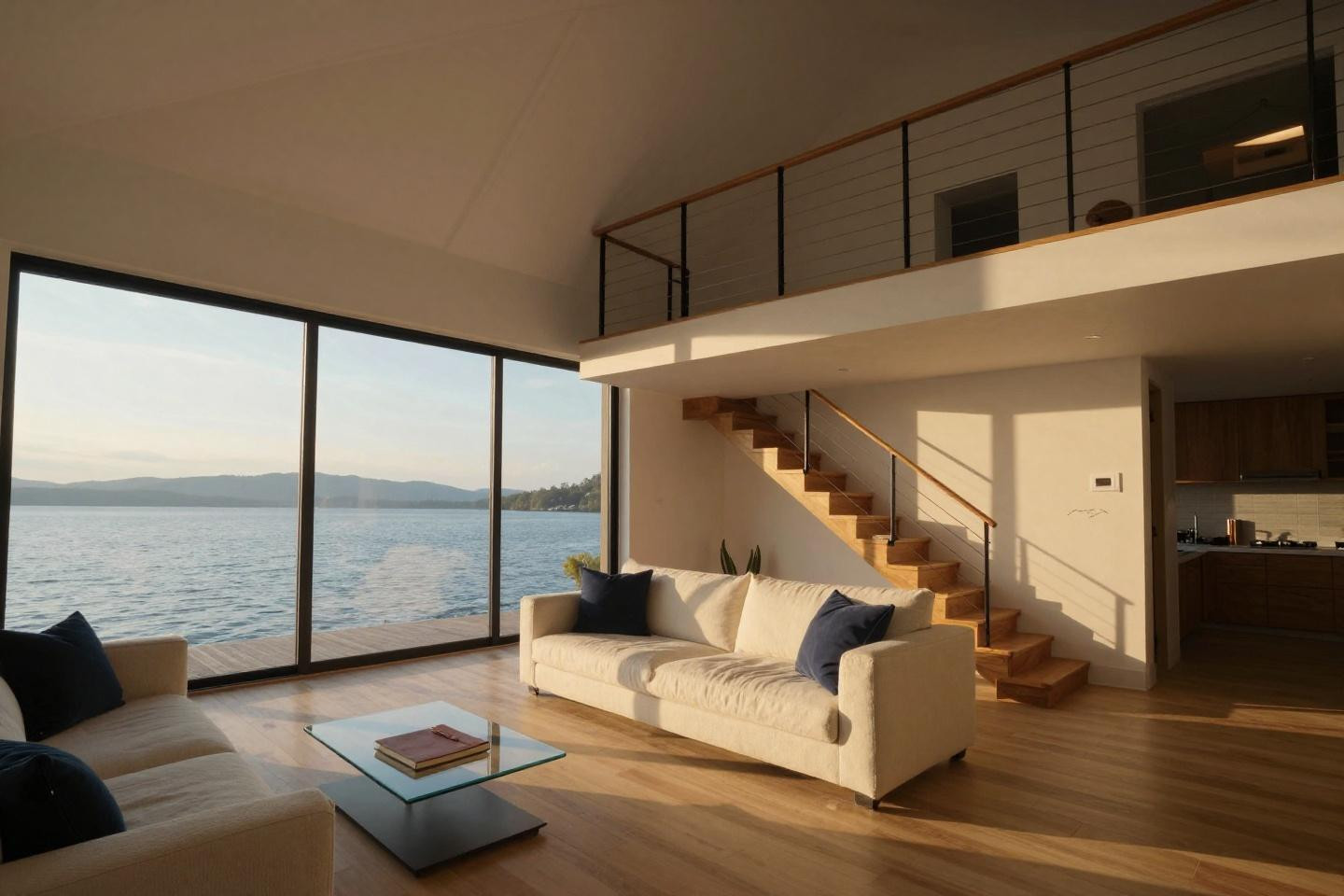
White vaulted ceiling. Floating walnut mezzanine with black steel rails. Floor-to-ceiling glass corner wall framing water. The trick? Keep the main floor open-concept so the height doesn’t feel empty. That cream linen sectional with navy cushion grounds the space. Golden hour amber light coming diagonally is all about window placement on the southwest wall. The leather journal on the glass table? Those small styled moments matter more than you think.
Charcoal Siding That Doesn’t Look Heavy
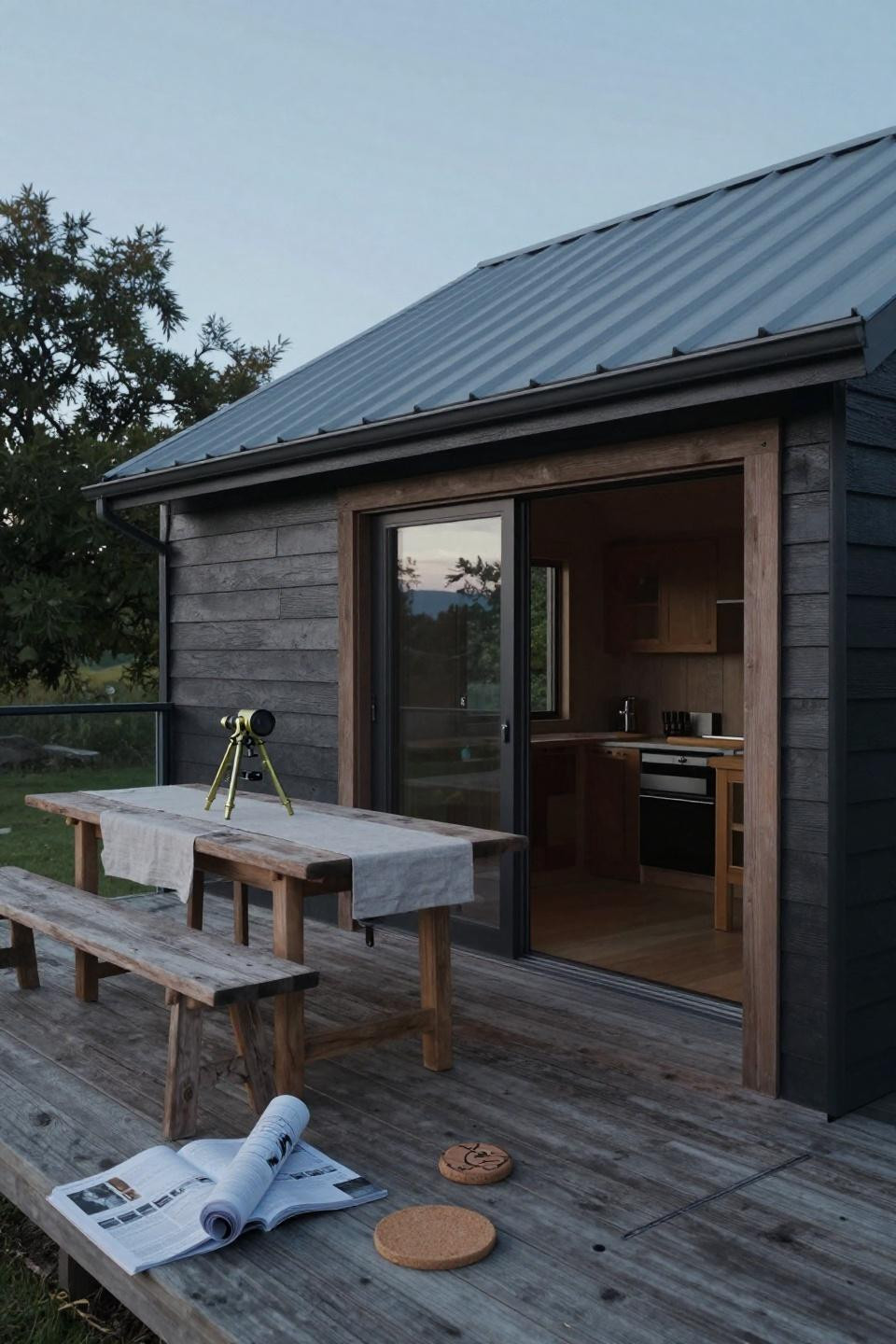
Charcoal board-and-batten stays light because of those glass panel rails on the deck. The corner slider revealing teak dining inside creates depth. Cool morning blue-grey light makes this palette work—wrong lighting and it reads flat. That vintage brass surveyor’s transit on the bench? One statement piece beats five small ones. The weathered composite deck material is more forgiving with shadows than smooth options.
Why Pivot Doors Are Worth the Extra Effort
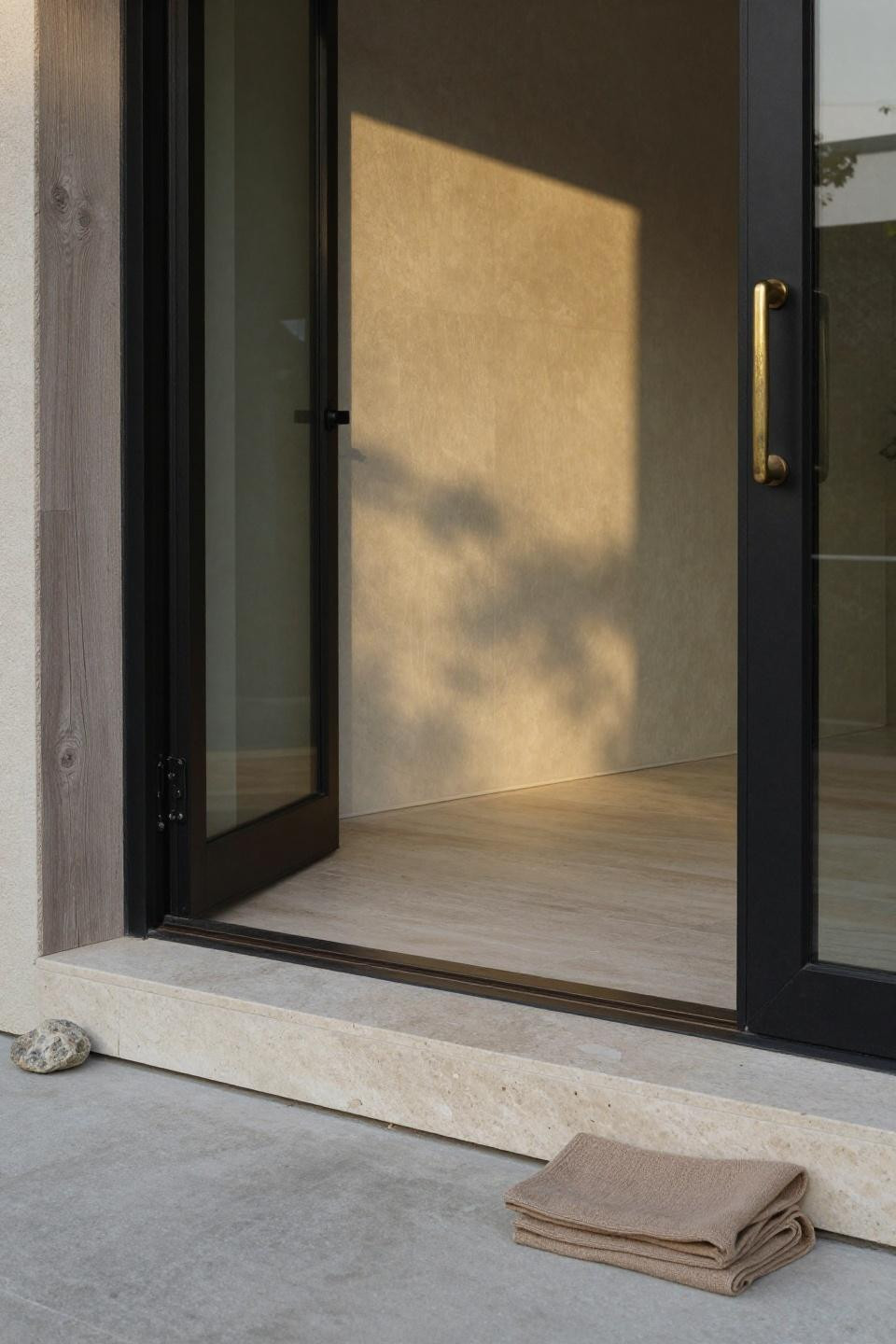
Glass pivot entry with brushed nickel mechanism. Travertine step detail showing radiant heat seams. Sage render meeting pale limestone floor. This threshold does all the work—you barely need to decorate inside. The sculptural step is what makes it expensive-looking (and it’s just two different materials). Golden hour raking across the textured render? That’s placement. Face southwest and you get that light twice a day.