“`html
Gili Trawangan pulls half a million visitors a year. They arrive for turquoise water and leave with hangovers. The island’s main strip throbs with beach clubs until 3am. Rooms cost $40-80 per night. Snorkel tours pack 30 people onto boats headed for the same turtle spots. Ten minutes by public ferry sits Gili Air, population 1,500. Same crystal-clear water. Same green sea turtles gliding past coral gardens. Half the crowds. Thirty percent lower prices. The party noise replaced by horse cart bells and morning prayer calls.
Why Gili Trawangan became too much
Gili Trawangan earned its reputation as Indonesia’s party island through sheer volume. Five hundred thousand annual visitors funnel through a 6-square-mile car-free zone. The main beachfront strip runs a mile of back-to-back bars. Music starts at sunset and continues past dawn. Budget backpackers pay $15 for dorm beds. Mid-range bungalows start at $40 and climb to $80 during July-August peak season.
The turtle snorkel sites that made Gili T famous now host tour groups of 20-30 swimmers at a time. Boats depart every 30 minutes from 8am to 4pm. The northeast reef where turtles feed gets so crowded that Gili Eco Trust volunteers patrol to enforce the 6-foot distance rule. Water visibility drops to 30 feet on busy days from stirred-up sand. The experience feels more like a marine zoo than a natural encounter.
Meet Gili Air, the Goldilocks island
Gili Air sits closest to Lombok’s mainland, just 15 minutes by public ferry from Bangsal Harbor. The island measures 1.5 square miles with a 4-mile perimeter you can bike in under an hour. Fast boats from Bali’s Padang Bai take 90 minutes and cost $25-35 one way. The same boats that service Gili Trawangan stop here first. Most tourists stay on board.
Same turquoise, half the crowds
The northeast reef off Gili Air hosts the same green sea turtles that made the Gilis famous. Morning snorkel tours leave at 8am with groups capped at 10-12 swimmers. Cost runs $15-25 including equipment and a guide who knows where turtles feed on seagrass beds. Water visibility holds at 50-65 feet most mornings. The reef sits 100 yards offshore, an easy swim from several beach access points.
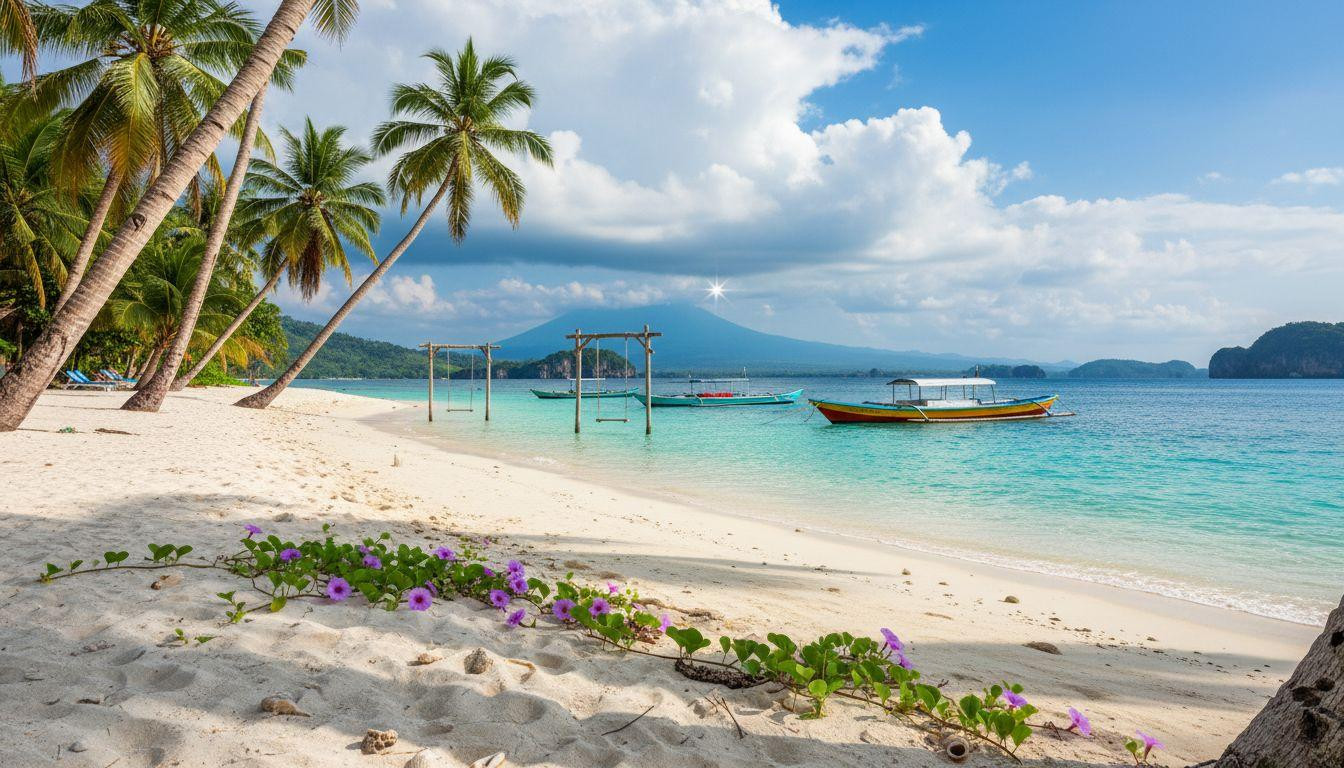
Low tide exposes wooden swings built over shallow turquoise water. The Instagram-famous structures sit empty most mornings. By 10am a few swimmers arrive. Compare this to turquoise waters that evoke Maldives atolls but without the $250-per-night price tags. Gili Air’s mid-range beachfront bungalows cost $30-60 per night in 2026.
The price makes sense
Budget bamboo huts with fans and shared bathrooms rent for $10-25 per night. Mid-range options with air conditioning and private terraces run $30-60. High-end resorts with pools start at $80, still below Gili Trawangan’s equivalent properties. Meals at local warungs cost $3-7 for nasi goreng, fresh grilled fish, or squid satay. Beach cafes charge $5-10 for Western breakfasts.
Bicycle rentals cost $3-4 per day from shops near the main boat dock. The 4-mile island loop takes 45 minutes at a leisurely pace. Horse-drawn carts called cidomos charge $2-5 for trips across the island. No motorized vehicles allowed means no rental scooters, no taxis, no traffic noise. Just hoofbeats on sand paths and waves breaking on coral reefs.
What makes Air different
Car-free without the scene
Gili Air maintains the same no-motor-vehicle policy as its sister islands. The difference shows in how locals use the space. Sasak fishermen still launch wooden boats at dawn from the east coast. They return by 2pm with catches sold directly to island restaurants. Sandy paths wind past family compounds where chickens scratch in yards and laundry dries on bamboo poles.
The west coast hosts most tourist development. Beach cafes line the shore with bean bag chairs facing Bali’s Mount Agung volcano 25 miles across the strait. Sunset brings out couples and small groups, not the party crowds that pack Gili Trawangan’s beach clubs. Music stays acoustic. Conversations stay possible. Similar to fishing boats that leave at dawn while tourists stay away, Gili Air preserves working island rhythms.
Social but not a party
Gili Air attracts digital nomads, families, and travelers seeking the balance between isolation and activity. Yoga studios offer morning classes for $8-12. Dive shops run PADI certification courses for $350-400. Cooking classes teach Indonesian dishes for $20-30 per session. Beach volleyball games start spontaneously most afternoons on the west coast.
Nightlife exists but stays low-key. A handful of beach bars serve cocktails until midnight. Live music happens twice weekly at rotating venues. No thumping bass. No light shows. The loudest sound after 10pm comes from waves and occasional laughter from late diners. This mirrors the calm found where monk seals rest beside octopus-filled tidepools in protected Hawaiian coves.
Practical comparison
Fast boats from Bali depart Padang Bai multiple times daily from 9am to 3pm. Companies like Eka Jaya and BlueWater Express charge $25-35 one way. The 90-minute crossing stops at Gili Air before continuing to Gili Trawangan and Gili Meno. From Lombok’s Praya Airport, taxis run $15-20 to Bangsal Harbor. Public boats to Gili Air cost $5-10 and leave when full, usually every 30-60 minutes.
Best time to visit runs May through October during dry season. Water stays calm. Visibility peaks. Crowds thin out after August. February 2026 marks the tail end of monsoon season with occasional afternoon showers but fewer tourists than high season. Water temperature holds steady at 82-86°F year-round. The northeast turtle reef produces sightings 80-90% of mornings according to Gili Eco Trust patrol logs.
Your questions about Gili Air answered
How do I get between the three Gili islands?
Public island-hopping boats run continuously from 8am to 5pm. Cost is $1.50-7 per person depending on distance. Gili Air to Gili Trawangan takes 10 minutes. Gili Air to Gili Meno takes 15 minutes. Boats leave when they fill with 15-20 passengers or every 30-60 minutes. Private charters cost $25-40 for groups. Some visitors bike the full perimeter of Air in the morning then boat to Meno for afternoon snorkeling.
What’s the local culture like compared to Bali?
Gili Air’s 1,500 residents are predominantly Sasak Muslims from Lombok. Prayer calls sound five times daily from the island’s small mosque. Modest dress is appreciated when walking through the village center away from beaches. Ramadan brings quieter evenings and earlier restaurant closures. The atmosphere feels more authentically Indonesian than Bali’s heavily touristed areas. Local women still wear traditional sarongs. Men fish using methods passed down for generations.
Is Gili Air better than Gili Meno for couples?
Gili Meno offers more isolation with just 400 residents and minimal development. Only a handful of restaurants operate. No ATMs exist on the island. Gili Air provides the romantic sunset views and quiet beaches Meno offers but adds yoga studios, diverse dining, and social atmosphere without Trawangan’s party excess. Couples seeking complete seclusion choose Meno. Those wanting romantic setting plus activities choose Air. The comparison resembles El Nido’s Big Lagoon that caps at eighty visitors versus completely empty beaches.
The morning boat back to Lombok leaves at 8am. Most visitors extend their planned two nights to four or five. The island works its quiet magic slowly. Sunrise bike rides become daily rituals. The same turtle appears at the same reef patch each morning. Bean bag sunset watching turns into a meditation practice you didn’t know you needed.
“`