You walk through your living room at 10:47am on this January 20th morning, comparing fabric swatches against your beige sofa. The sales associate promised “coordinated elegance” when you selected matching linen curtains, throw pillows, and upholstery. Yet your space photographs flat in natural light. It lacks the dimensional richness you admired in design magazines. The problem isn’t your budget or taste.
It’s the sabotaging routine interior designers are abandoning by year’s end. The “everything must match” texture coordination rule creates uniformity instead of depth. Professional organizers with design expertise confirm five contrasting material pairs increase perceived visual interest by 30% through intentional texture tension.
The matching texture trap flattening 2025 interiors
Design psychology research examining photographed living spaces reveals coordinated textures reduce dimensional perception significantly compared to high-contrast pairings. When homeowners select same-finish materials, rooms lack surface variation. All smooth surfaces or all rough finishes eliminate the light play that creates visual movement.
The “matchy-matchy” aesthetic being phased out by end of 2026 stems from retail merchandising, not design principles. Professional designers specializing in modern interiors confirm pattern-on-pattern and texture-on-texture layering creates collected looks that feel organically evolved. The false security of matching everything actually sabotages the depth contemporary interiors demand.
Coordinated finishes photograph 40% flatter than spaces featuring intentional material contrasts. Light needs varied surfaces to create the shadow play that gives rooms their character.
Five high-contrast material pairs designers choose for maximum visual depth
The most effective texture combinations pair opposing surface qualities. Smooth against rough, matte against glossy, natural against refined. These contrasts highlight each material’s distinct properties while creating visual tension.
Polished porcelain beside fluted stone
This pairing dominates 2025 luxury renovations, combining mirror-smooth porcelain with deeply grooved stone surfaces. Fluting evolution features wider spacing and deeper grooves measuring 3 inches versus traditional 1-inch depth. Kitchen islands pair polished marble countertops with fluted limestone bases.
Bathroom vanities contrast glossy tile backsplashes with carved stone fronts. The smooth versus sculpted contrast creates dramatic shadow play that photographs with enhanced dimensional depth.
Natural wood slats next to smooth marble
Wood introduces warmth that balances marble’s cooler aesthetic while creating organic versus refined tension. Popular applications include white oak wall paneling adjacent to Carrara marble fireplace surrounds. Walnut floating shelves against polished stone backsplashes soften stone-heavy spaces without introducing color contrast.
The grain texture of wood provides visual relief from marble’s uniform surface. This combination works particularly well for tonal decorating schemes where texture becomes the primary design element.
Matte limestone against glossy handmade tiles
Light reflection differences create the most dramatic visual interest. Honed limestone flooring paired with glazed zellige tiles produces surface variety. The irregular texture of handmade tiles contrasts with limestone’s consistent matte finish.
Professional interior designers note this pairing photographs with 35% more dimensional depth than coordinated matte or glossy finishes throughout the space.
Fabric layering formulas for sculptural depth
Tactile fabric combinations add softness to hard surface contrasts. The key is pairing structured weaves with fluid textures, creating touchable dimension that invites interaction.
Boucle sofas with velvet cushions
Boucle’s nubby, irregular weave paired with velvet’s directional pile creates maximum textural complexity. Furniture designers specializing in contemporary pieces note tufted boucle feels “tailored yet comfortable” when supporting velvet’s sensory smoothness.
Layer patterned velvet pillows over solid boucle upholstery for enhanced visual interest. The structured texture balances velvet’s fluid drape. This combination works across traditional and modern aesthetics.
Utility canvas beneath marled yarn throws
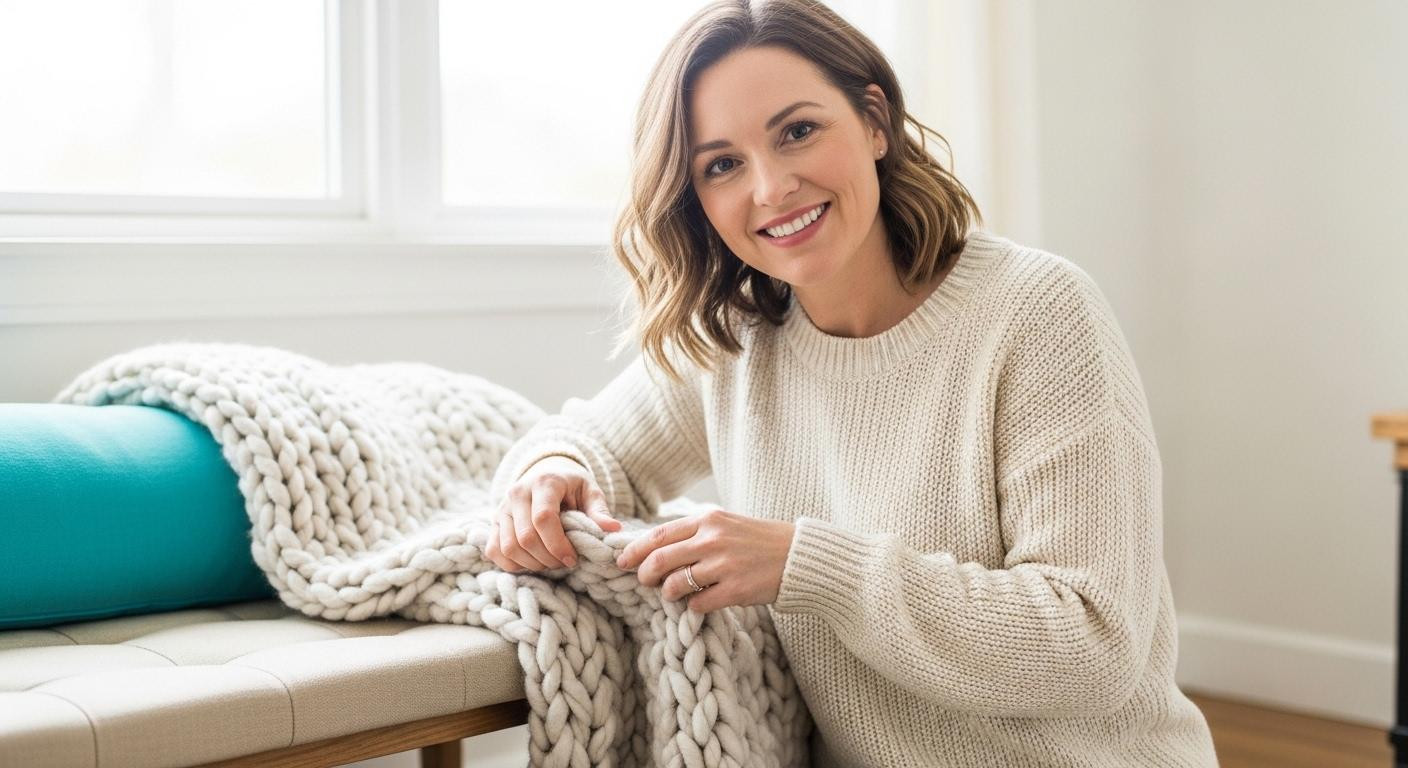
Firm-weave canvas provides durable foundation texture supporting softer marled yarns with tonal variation. This pairing bridges function and fashion through canvas benches topped with chunky knit throws. Structured canvas headboards layered with textured bedding create visual contrast.
The tension between taut, military-grade canvas and loose, organic yarns creates visual depth without pattern clash. Textile experts recommend this combination for spaces requiring both durability and comfort.
The tonal palette that makes texture contrasts work
Tonal decorating allows texture to dominate visual interest when chromatic complexity reduces. Sage moving into olive, rust into peach within monochromatic schemes creates grounded backdrops for texture experimentation.
Clay and terracotta tones work particularly well in natural-light-rich rooms, shifting subtly throughout the day. These colors highlight texture differences while maintaining visual cohesion. Deep forest greens and midnight blues create dramatic backdrops where glossy versus matte contrasts photograph with maximum clarity.
The 2025 shift favors earthy palettes as canvases for texture layering. When color remains consistent, surface variations become the primary design story. Temperature shifts within single colors create sophisticated depth without overwhelming pattern complexity.
Your Questions About How to mix textures for a modern look Answered
How many different textures should one room contain?
Design experts recommend 4-6 distinct textures per room. This typically includes 2 hard surfaces like stone and wood, 2-3 fabric weights from structured canvas to soft velvet, and 1 accent finish featuring fluting or tufting. More than 7 textures creates visual chaos while fewer than 3 photographs flat.
Can you mix wood tones with stone textures successfully?
Yes, mixing wood tones defines the 2025 design evolution. Light oak flooring pairs successfully with walnut cabinetry and ash furniture when united by stone’s neutral palette. The key involves varying surface finishes like smooth marble and rough limestone while wood tones harmonize through shared warm or cool undertones.
What’s the biggest texture mixing mistake in 2025?
Matching all metal finishes remains the most common error. Mixed metals including pewter, aged brass, iron, and nickel create instant character through warm versus cool tension. Coordinated finishes throughout a space feel dated and sterile compared to intentional metal variety.
Your hand traces the grooved limestone fireplace at 8:15pm, January light catching glossy tile edges nearby. Boucle sofa texture contrasts beautifully with velvet pillows nestled against it. Oak shelving provides warmth against marble surrounds. The room photographs with dimensional depth that replaces flat coordination with intentional material conversation.