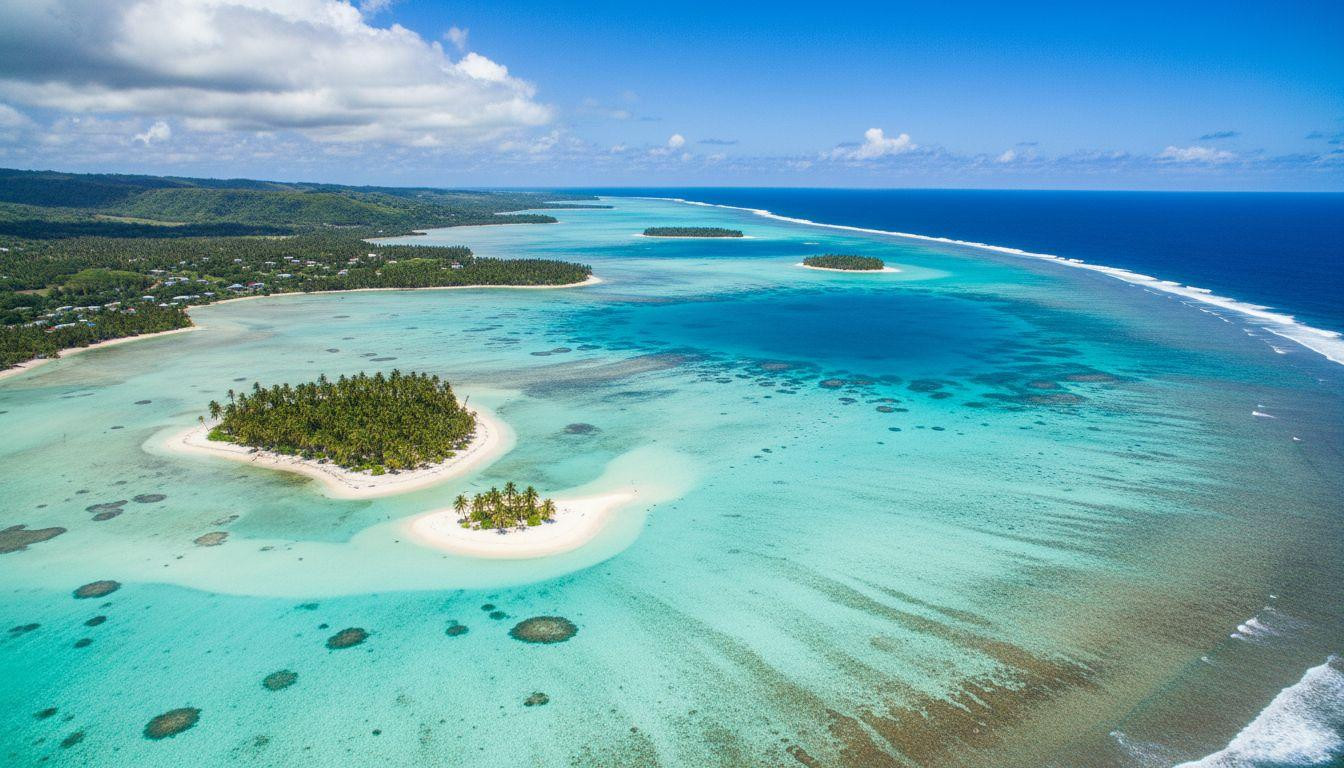
Bora Bora’s overwater villas command $1,600-2,500 per night at Four Seasons and St. Regis resorts. The French Polynesian icon delivers postcard perfection but walls guests inside resort bubbles. Forty-five minutes north of Rarotonga, Aitutaki Lagoon offers the same multi-tone turquoise waters and pristine motu for $150-800 nightly with authentic Polynesian culture intact.
Why Bora Bora feels overpriced in 2025
Resort monopolies control Bora Bora’s experience. Luxury properties average $800-2,000 nightly with mandatory meal plans adding $200-400 daily per person. Seven-day packages from Los Angeles reach $7,000-12,000 per traveler including flights.
The island’s 500,000 annual visitors crowd lagoon tours into 20-40 person groups. Resort-scheduled fire dancing and tourist luaus replace authentic Polynesian traditions. Long-haul flights from LAX cost $2,000-3,000 roundtrip before accommodation expenses.
Commercialized “Polynesian” shows feel scripted. Resort isolation prevents genuine cultural encounters with local families. Guests pay premium prices for manufactured experiences rather than living traditions.
Meet Aitutaki’s under-the-radar paradise
The lagoon that rivals any resort
Aitutaki’s triangular atoll spans 31 square miles of multi-tone turquoise waters. Fifteen pristine motu (islets) dot the lagoon with bone-white beaches and coconut palm groves. Crystal-clear visibility reaches 65-130 feet for snorkeling among giant clams and coral gardens.
Lagoon cruises cost $72-96 with operators like Wet & Wild and Bubbles Below. Groups stay intimate at 8-15 people versus Bora Bora’s crowded boats. Shore snorkeling requires no mandatory tours or resort gatekeeping.
Real Polynesian life versus resort theatre
Aitutaki’s 2,000 residents maintain living traditions. Sunday church services feature vibrant imene tuki (a cappella hymn-singing with thigh percussion). Everything closes for authentic Sabbath observance welcoming visitors to join congregations.
Umu feasts showcase earth-oven cooking with pork, taro, and ika mata (marinated raw fish). Village performances happen by locals for locals during Saturday night island gatherings in Vaipae. Pacific Resort Aitutaki offers overwater bungalows for $500-800 nightly without resort isolation.
What you’ll experience without resort gatekeeping
Lagoon adventures with authentic access
Maunga Pu’s 404-foot summit provides 360-degree views after a moderate two-hour hike. Giant clams measuring six feet across live 50-100 years in snorkeling sites at Motu Mapu. One Foot Island’s tiny post office stamps passports for $3 as a cultural souvenir.
Kitesurfing at Honeymoon Island costs $48 daily for equipment rentals. Whale swimming operates June-October with 70% success rates. Private lagoon charters avoid crowded group tours entirely.
Cultural immersion Bora Bora can’t deliver
Saturday markets at Arutanga Wharf sell fresh ika mata for $9 and tropical fruits at $3 per kilogram. Te Maeva Nui festival (July 25-August 4, 2026) celebrates Cook Islands self-governance with parades and traditional dance. Maori heritage sites like Marae Te Poaki O Rae welcome respectful visitors to ancient ceremonial grounds.
The Giant Banyan Tree near Akaiami hides WWII airstrip relics through its 65-foot drivable trunk. Vaipae’s “Hollywood of the South Pacific” trains fire dancers for global performances in weekly $30 classes.
Practical details for the authentic alternative
Air New Zealand connects Los Angeles to Rarotonga with connections through Papeete or Honolulu. Air Rarotonga operates 4-6 daily flights to Aitutaki (20-45 minutes, $240-360 roundtrip). Total travel time matches Bora Bora routes at 30-50% lower airfare costs.
Accommodation spans $90-480 nightly from guesthouses to Pacific Resort’s overwater villas. Meals average $36-54 at restaurants like Rapae Bay versus Bora Bora’s $200 resort dinners. Seven-day trips cost $3,000-5,000 per person including flights and activities.
May-October dry season offers 75-84°F temperatures with calmer seas. January-March wet season provides 20-40% accommodation discounts despite occasional showers. Cook Islands citizens welcome US visitors visa-free for 31 days.
Your questions about Aitutaki Lagoon answered
How does accommodation compare to Bora Bora’s resorts?
Pacific Resort Aitutaki’s overwater bungalows cost $500-800 nightly versus Bora Bora’s $1,600-2,500. Tamanu Beach Resort offers beachfront rooms for $250-450. Budget options like Aitutaki Seaside Lodges start at $150 nightly with authentic village proximity.
What cultural experiences distinguish Aitutaki from resort destinations?
Sunday church services welcome visitors to join congregations for authentic imene tuki singing. Umu feasts cost $48 per person at village homestays versus resort’s scheduled entertainment. Island nights feature local families sharing drumming and fire dancing traditions organically.
How do lagoon activities compare in crowds and pricing?
Aitutaki receives 50,000 annual visitors versus Bora Bora’s 500,000. Lagoon cruises accommodate 8-15 people for $72-96 compared to Bora Bora’s 20-40 person groups at $150-200. One Foot Island sees fewer than 50 daily visitors during peak season.
Trade winds whisper through coconut fronds as morning light paints the lagoon in shifting blues. Sunday hymns echo across calm waters while umu smoke rises from village gatherings. This is the Pacific paradise Bora Bora commercialized away.