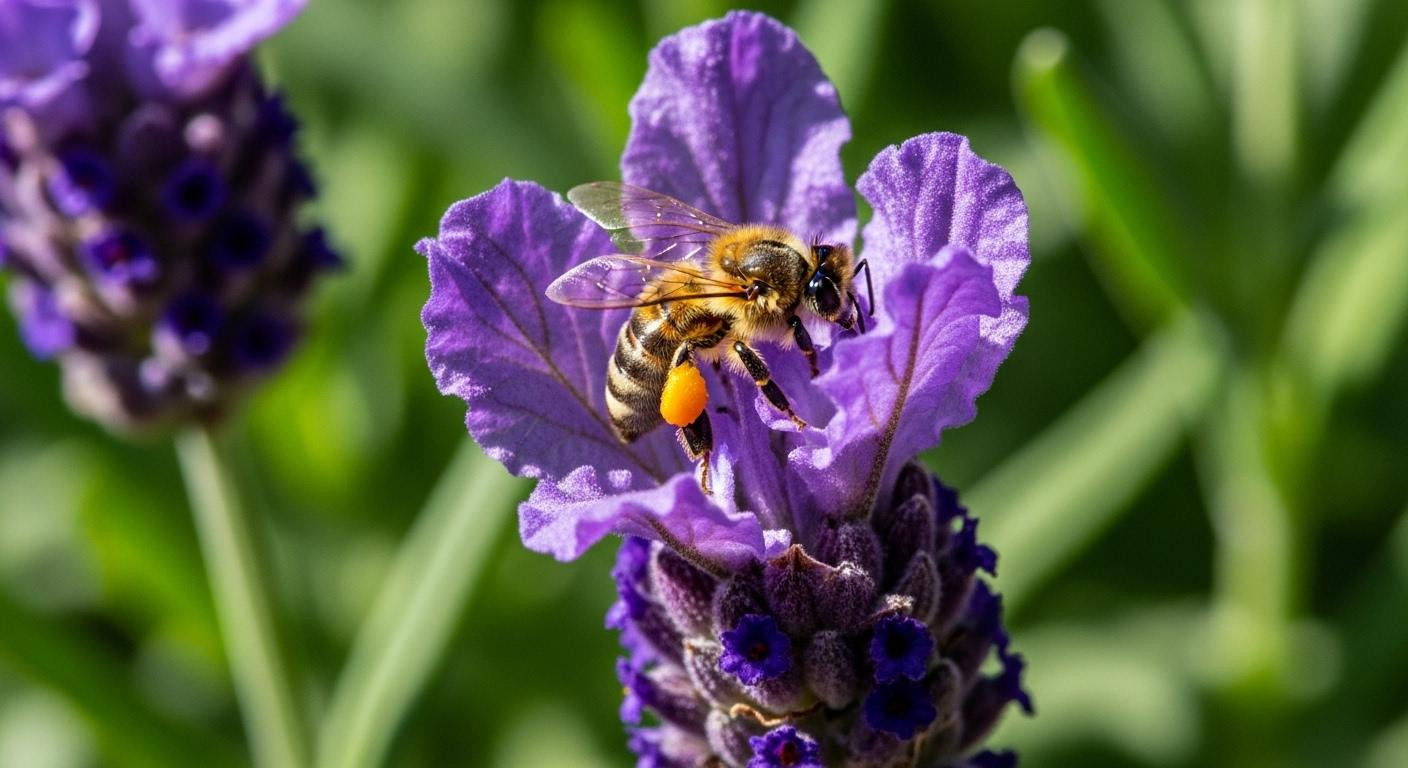
Your nursery cart contains two choices at 10:47am this January morning. Hybrid roses demand $50 per bush plus weekly deadheading schedules. Boxwood shrubs offer zero blooms for nine months straight. The worker suggests picking one path or the other. Yet your phone displays saved Provence garden photos. French Lavender transforms this false choice entirely. Professional organizers confirm how this $15 perennial delivers six months of frilly purple blooms without rose maintenance or shrub monotony.
The false choice trapping American gardeners in 2025
Garden centers present two extremes this spring. High-maintenance roses require weekly pest control and $200 annual upkeep. Evergreen shrubs like boxwood provide structure but zero seasonal interest.
This binary traps homeowners seeking elegant outdoor spaces without overwhelming care routines. 67% of gardeners abandon spring plans due to upkeep anxiety. Rose enthusiasts face aphid invasions and blackspot diseases requiring frequent chemical interventions.
Boxwood advocates settle for unchanging green walls that bore after one season. Neither choice satisfies the desire for aromatic, pollinator-friendly spaces that evolve through seasons. The nursery industry perpetuates this either-or mentality despite better alternatives existing.
Why French Lavender outperforms both extremes through three mechanisms
Mountain Valley Growers confirm French Lavender blooms significantly longer than competitors. This extended performance saves replacement costs while maintaining visual drama. Heat tolerance and pollinator attraction create additional advantages neither roses nor shrubs provide.
Extended bloom period eliminates replanting cycles
French Lavender flowers from late spring through fall in Zones 8-11. This six-month display surpasses roses’ two-month peaks and eliminates annual replacements. Container specialists report 50-70% cost savings compared to petunias requiring seasonal swaps.
Heat tolerance slashes watering by 60%
Unlike roses needing daily irrigation, French Lavender thrives in drought conditions above 100°F. California gardeners reduce water bills while maintaining purple spikes through summer heat. Deep, infrequent watering satisfies established plants versus roses’ constant moisture requirements.
Pollinator attraction without pesticide dependency
Frilly blooms attract bees and butterflies continuously from May through October. Natural oils deter common garden pests without chemical sprays. This creates organic-friendly ecosystems supporting local biodiversity while roses often require intervention to survive.
The 2025 variety guide: matching French Lavender to your space
New hybrid releases offer compact growth and sweeter fragrances for diverse garden situations. Container options suit small spaces while landscape varieties fill large areas efficiently. Professional recommendations guide variety selection based on climate zones.
Hybrid Gros Bleu for compact gardens
This new hybrid offers sweeter scent with less camphor in darkly colored flowers. Reaching only 2-3 feet versus standard 4-5 foot heights, it suits patio containers perfectly. Zones 8-10 provide perennial performance with minimal winter protection needed.
Anouk cultivars for maximum drama
Anouk varieties feature showy purple flowers resembling rabbit ears that create conversation pieces in landscape beds. Purple Flare and Medly variations provide vivid options for dramatic color transformations similar to fashion psychology principles.
Container versus landscape strategy
Starter pots at $10-15 fill three square feet in one growing season. Bulk plug trays cost $2-5 per plant equivalent for hedge installations. Three-year establishment creates gorgeous mature bushes transforming entire landscape sections.
The Provence pricing advantage over roses
Initial investment comparisons reveal significant long-term savings with French Lavender choices. Premium varieties reach $89.95 for mature specimens while remaining below rose costs. Zero fertilizer regimens save $50 annually compared to rose feeding schedules.
Minimal pruning requires 10 minutes post-bloom versus roses’ weekly maintenance sessions. Three-year totals show French Lavender costs $45 including establishment while roses demand $600+ for plants, amendments, and pest control combined.
The 720% price range between starter plants and mature specimens offers budget flexibility. Aromatherapy benefits provide stress reduction similar to lavender oil’s documented calming effects. Container gardens enable space optimization techniques that visually expand small areas through vertical growth patterns.
Your Questions About The elegant French crop that never fails to impress Answered
Can French Lavender survive winter in Zone 7?
French Lavender remains evergreen in Zones 8-11 but grows as annual in Zone 7 and below. Container planting allows indoor protection from November through March in colder regions. Hardy hybrids like Phenomenal tolerate Zone 5 conditions with proper mulching and drainage.
Does it require the same pruning as English Lavender?
Horticulturists recommend pruning after flowering to promote neat growth patterns. End-of-season hard cuts prevent unruly spreading while requiring only 15 minutes annually versus English Lavender’s monthly shaping requirements. Spring cleanup removes winter damage easily.
Is French Lavender safe for culinary use?
Higher camphor levels make French Lavender better for ornamental and aromatic purposes rather than cooking applications. Gros Bleu hybrids contain reduced camphor for limited culinary use in desserts. True culinary lavender requires English varieties with lower essential oil concentrations.
March morning light touches silver foliage as purple bracts frame coffee steam. Bees hum through frilly blooms while camphor-sweet aroma mingles with dawn air. No deadheading schedule interrupts this peaceful scene. The elegant French crop delivers its promise of effortless beauty.