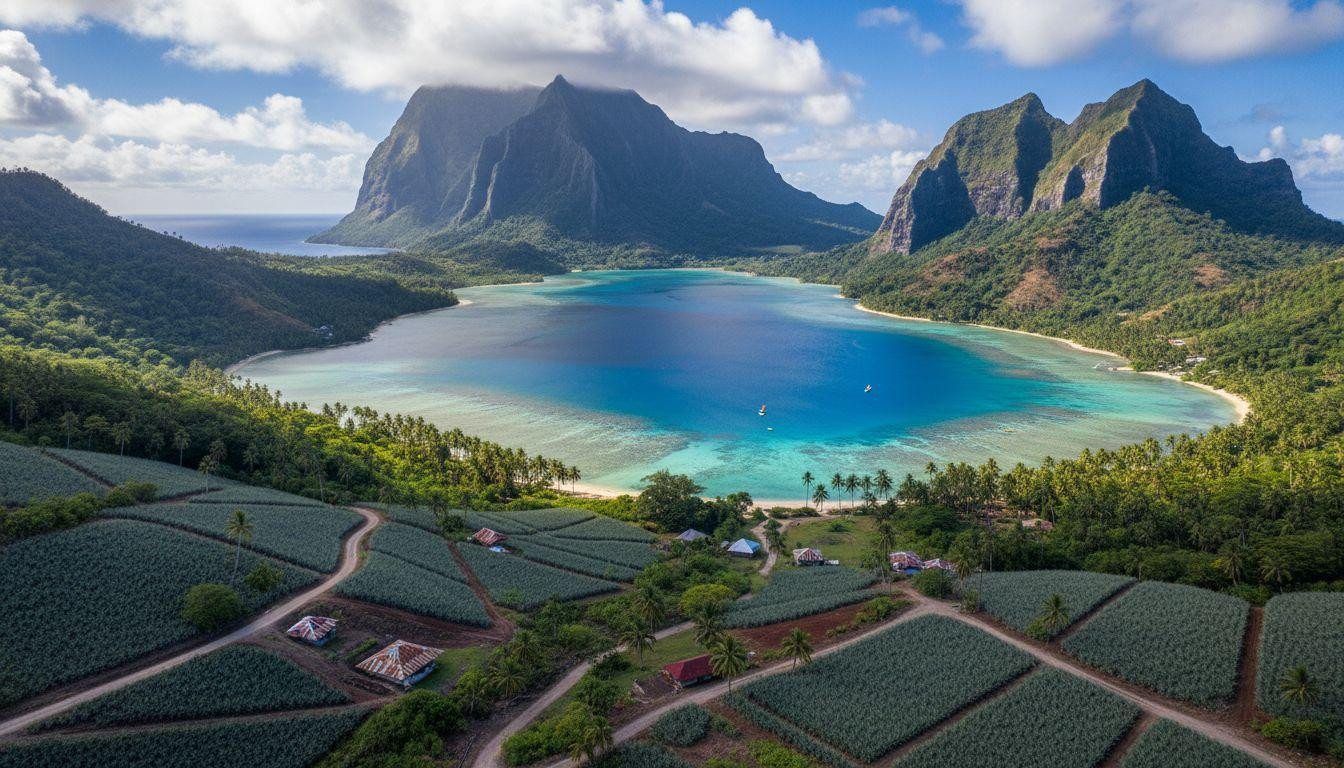
Forget Bora Bora’s $800 overwater bungalows and $500 inter-island flights. A 40-minute ferry ride from Tahiti for $25 delivers you to Opunohu Bay on Moorea. This emerald fjord carved between volcanic peaks offers the same turquoise drama that made Bora Bora famous. The difference? You can kayak here without dodging tour boats every 20 minutes.
Why Bora Bora drains your budget and patience
Bora Bora recorded 326,632 visitors in 2024 on a 12-square-mile island. That’s 895 visitors per day competing for the same lagoon space. Inter-island flights cost $450-750 one way, trapping you once you arrive.
Overwater bungalows start at $281 per night in low season. Luxury resorts push rates above $1,000. Commercialized snorkel tours charge $150-250 per person for crowded encounters with stingrays everyone’s already photographed.
Resort compounds isolate travelers from authentic Polynesian culture. You’re paying premium prices for a scripted version of paradise. The same pattern ruins island destinations worldwide when overtourism takes hold.
Meet Opunohu Bay: the fjord Bora Bora can’t match
A bay that looks like Norway moved to Polynesia
Opunohu Bay stretches 3 kilometers between volcanic walls rising 3,960 feet. Mount Tohivea towers above emerald waters 260 feet deep. This creates fjord-like drama unique in French Polynesia.
The twin-bay system with Cook’s Bay offers protected harbors that Norwegian cruisers recognize instantly. Steep basalt cliffs drop straight into turquoise channels. Similar cliff-framed bays exist in the Caribbean, but none combine volcanic peaks with Polynesian coral gardens.
The price reality that changes everything
Ferry access costs $25 from Tahiti versus Bora Bora’s $500 flights. Accommodations range from $150 guesthouses to $600 luxury villas. That’s 40-60% below Bora Bora rates for comparable quality.
A three-day Moorea trip totals $800 including ferry, hotel, and activities. The same Bora Bora experience costs $2,240. You save 64% choosing Opunohu Bay over the famous alternative.
What you actually do here
The water everyone skips
Snorkel tours cost $80-120 versus Bora Bora’s $150-250 premium. You’ll encounter blacktip reef sharks, stingrays, and parrotfish in 65-100 feet visibility. Water depths of 3-16 feet stay safe for families.
Kayak rentals cost $40 per half-day. You can paddle the entire bay without competing for space. Morning mist creates ethereal lighting between volcanic peaks. Empty lagoons like this become rarer each year as tourism spreads.
The valley everyone misses
Over 500 marae ruins hide throughout pineapple plantations. These sacred Polynesian sites predate European contact by centuries. Access costs nothing and requires respectful silence.
The Magic Mountain hike covers 0.6 miles with 656 feet elevation gain. Belvedere Lookout provides panoramic views of twin bays framed by sawtooth ridges. Rotui fruit juice factory offers tastings for $14.
How to get there without the Bora Bora tax
Fly to Faa’a International Airport on Tahiti. This is the same entry point serving Bora Bora. Vaiare Express ferries depart every 45 minutes during daylight hours.
The 40-60 minute ferry ride costs $23-28 one way. Car rentals run $50-80 per day. The drive from Vaiare Terminal to Opunohu overlooks takes 20-25 minutes via Route 10.
January through March offers low-season pricing with 20-40% accommodation discounts. Water temperature stays 79-82°F year-round. Royal visitors have long recognized exceptional bays before mass tourism arrives.
Your Questions About Opunohu Bay Answered
How does Opunohu Bay compare to other Polynesian destinations?
Opunohu Bay offers fjord-like geography that Bora Bora’s shallow atoll cannot match. The 260-foot depth creates dramatic underwater topography. Moorea receives fewer tourists while maintaining ferry accessibility from Tahiti.
What makes the cultural experience more authentic than Bora Bora?
The Opunohu Valley preserves over 500 marae sites within working pineapple farms. Visitors can explore ancient Polynesian temples without resort-managed tours. Papetoai village maintains traditional island life with family-run cafes serving poisson cru for $15.
When is the best time to visit for fewer crowds?
January through March represents low season with 34% accommodation occupancy versus peak periods. Morning hours before 10am offer the calmest waters for kayaking. Most tour groups concentrate on afternoon schedules, leaving early hours peaceful.
Morning light touches volcanic peaks as stingrays glide through shallow channels. Pineapple blooms scent the air while salt spray mists your face. This is French Polynesia without the performance.