Bear Lake’s parking lot fills by 8:30am on summer weekends. Shuttle waits stretch 45 minutes while thousands queue for one alpine lake photo. Rocky Mountain National Park’s 4.7 million annual visitors crowd into the same corridors, missing a summit that delivers 360-degree panoramas just 3 miles away.
Deer Mountain rises quietly above the chaos. At 10,013 feet, this overlooked summit offers what Bear Lake cannot: true alpine solitude and views that span from Estes Park to Longs Peak’s pointed massif.
Why Bear Lake disappoints in 2025
The Bear Lake corridor operates on a timed-entry reservation system. Daily capacity caps at 20,000 visitors park-wide during peak season. Bear Lake’s parking lot holds a fraction of demand, forcing most visitors into Park & Ride shuttles.
Summer mornings bring parking lot chaos by 8:30am. The free shuttle system helps, but wait times reach 45-60 minutes on busy weekends. You’re paying $30 for a seven-day vehicle pass to stand in line for a lake view that thousands of others photograph daily.
Bear Lake itself sits at 9,450 feet, offering a single-angle lake reflection. The paved 0.6-mile loop provides beautiful but constrained views of surrounding cirque walls. This Alabama canyon drops 600 feet into river water few Americans know exists while Bear Lake crowds miss better options nearby.
Deer Mountain’s forgotten summit advantage
The panoramic difference
Deer Mountain’s exposed summit delivers near-360-degree views impossible from Bear Lake’s forested basin. Estes Park spreads 2,500 feet below to the east. Longs Peak (14,259 feet) dominates the northwest horizon with its distinctive diamond face.
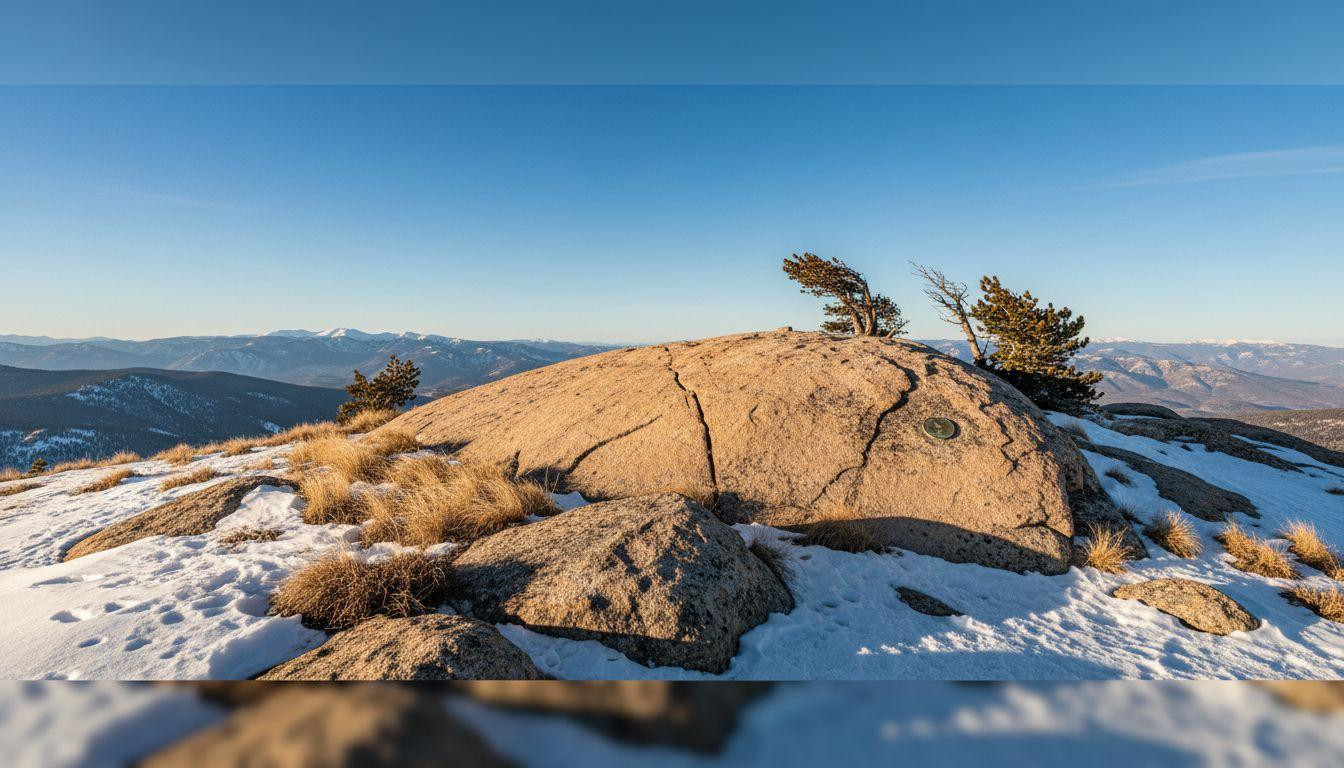
The Continental Divide ridgeline extends west and southwest. The Mummy Range fills the northern view. Winter transforms this alpine tundra into stark white expanses punctuated by dark conifer silhouettes and warm tan granite outcrops.
The winter access secret
December through February brings Deer Mountain’s best advantage: solitude. While Bear Lake remains accessible but crowded, Deer Mountain requires microspikes or snowshoes, filtering out casual visitors. Local tourism boards confirm winter guided hikes provide equipment for those unprepared.
Trail conditions in December 2025 show snowpacked and icy surfaces according to National Park Service advisories. 6 snowshoe zones where lava ledges frame blue water above winter silence offer similar winter solitude rewards across America.
The experience nobody takes
What you actually do
The trailhead sits within the same Bear Lake Road corridor that frustrates summer visitors. Parking here proves far easier year-round. The 3-mile roundtrip with 1,000 feet of elevation gain takes most hikers 1.5-2.5 hours depending on conditions.
Summit moments unfold without guardrails or crowds. Morning light paints Longs Peak’s granite walls golden while Estes Park awakens in the valley below. Wind over tundra grass creates the only sound on clear winter days.
Winter gear reality
Microspikes rent for $15-20 per day from Estes Park outfitters. Snowshoes cost $20-40 daily when deeper snow requires them. Visit Estes Park runs guided winter programs supplying gear based on current conditions.
Temperatures range from 20-40°F at the trailhead, dropping 10-20 degrees colder at the windswept summit. Better than Taos where lift tickets cost $130 and Cloudcroft keeps family skiing affordable at 9,100 feet demonstrates how winter mountain access rewards the prepared.
The locals’ training summit
Estes Park residents use Deer Mountain for acclimatization before attempting Colorado’s fourteeners. The moderate elevation gain and exposed conditions simulate higher altitude challenges without committing to technical climbs. Recent visitor surveys reveal that repeat hikers choose Deer Mountain specifically to avoid Bear Lake’s tourist infrastructure.
Winter solitude transforms the experience entirely. Where Bear Lake maintains steady foot traffic even in snow, Deer Mountain can offer complete isolation for hours. 8 waterfall zones where New York’s gorge drops 600 feet through winter silence captures similar overlooked winter beauty across the country.
Your Questions About Deer Mountain answered
How does winter access actually work?
Bear Lake Road stays plowed for winter vehicle access, though shuttles don’t run December-April. Microspikes become mandatory on icy trail sections above treeline. Park entrance fees remain $30 for seven days regardless of season, but winter parking proves dramatically easier than summer chaos.
What makes this different from other Rocky Mountain trails?
Deer Mountain offers summit views typically requiring longer, more technical hikes. The exposed dome shape provides 360-degree panoramas rather than directional overlooks. Local historians note its use as an early recreational hiking destination when Rocky Mountain National Park opened in 1915.
How does the difficulty compare to Bear Lake’s accessibility?
Bear Lake requires no elevation gain but demands patience for parking and shuttles. Deer Mountain needs moderate fitness for 1,000 feet of climbing but rewards effort with solitude and superior views. Winter conditions add technical requirements but eliminate crowds entirely.
December morning light touches Deer Mountain’s summit rocks with thin golden glaze. Longs Peak stands sharp against deep blue sky. Estes Park sleeps in the valley below while you stand where crowds never gather.