Bali’s surf breaks now charge $200 for crowded lineups where you fight 50 surfers for each wave. Meanwhile, Siargao’s Cloud 9 delivers perfect barrels for $40 with space to breathe. This Philippine island keeps the authentic surf culture that Bali traded for mass tourism.
The numbers tell the story. Bali’s Uluwatu and Canggu host thousands of surfers daily during peak season. Siargao’s General Luna maintains just 380 year-round residents who still fish at dawn.
Why Bali became a surf theme park
Canggu transforms into a traffic jam of scooters carrying surfboards. Uluwatu charges $15 parking fees for beach access. Resort development eliminated the rice paddies that once surrounded surf breaks.
Surf lesson prices reflect this commercialization. Group sessions cost $80-120 in Canggu compared to $20-40 in Siargao. Private coaching reaches $300 in Bali versus $150 maximum in the Philippines.
Local tourism boards report Bali receives over 6 million visitors annually. The island’s surf spots operate at capacity from sunrise to sunset. Lineups become aggressive as territorial locals compete with visiting surfers for waves.
Siargao preserves what surfing used to be
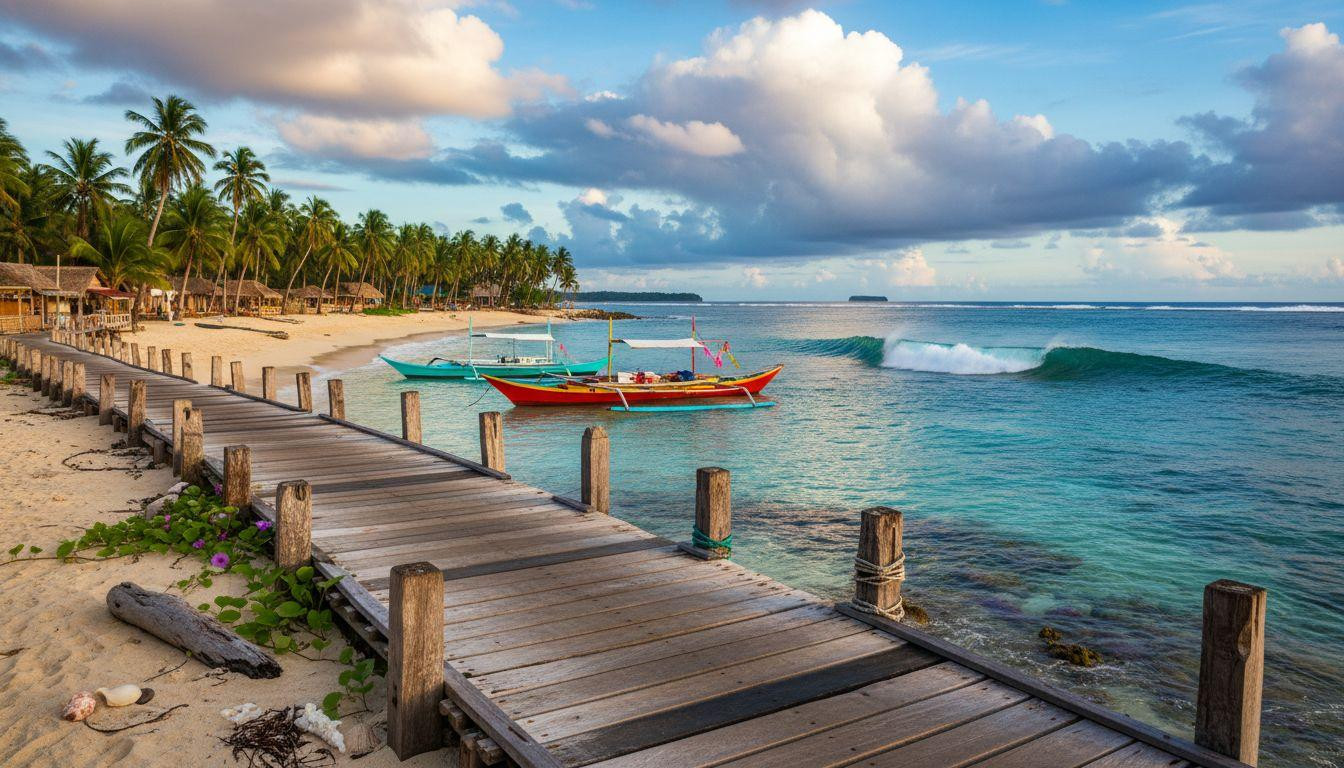
Cloud 9’s wooden boardwalk extends over the reef like a meditation platform. The famous break earned its nickname from the heavenly barrels that form over sharp coral. An environmental fee of just $0.90 maintains this viewing deck.
Dawn sessions with Filipino fishing crews
Banca boats carry surfers to outer reefs at 5am alongside fishermen checking nets. These traditional outrigger vessels cost $14-45 for half-day trips to breaks like Rock Island and Stimpy’s. The sound of wooden hulls cutting through glassy water replaces Bali’s jetski noise.
Water temperatures hold steady at 84-86°F year-round. No wetsuits required unlike many world-class surf destinations.
Authentic island economics
Local meals cost $2-6 at family-run carinderias serving fresh seafood and rice. Mid-range accommodation ranges $40-120 per night for beachfront bungalows. Compare this to similar tropical island experiences where boutique resorts charge triple the price.
Scooter rentals cost $7-12 daily for exploring the 46-mile coastline. Fuel remains affordable at local stations.
The surf experience money can’t buy in Bali
Siargao offers 15 documented surf breaks accessible within 30 minutes of General Luna. Most require short banca rides that connect visitors with local boat operators who’ve surfed these reefs for decades.
Empty lineups during shoulder seasons
Peak surf season runs August-November when Cloud 9 produces its most powerful barrels. However, December-February and March-June offer consistent waves with fraction of the crowds. Discover similar uncrowded tropical surfing alternatives across Southeast Asia.
Recent visitor surveys from 2025 show average lineup counts of 8-12 surfers during shoulder months versus 40+ in Bali year-round.
Filipino surf culture integration
Local surfers welcome visitors into lineups rather than defending territory. Surf shops offer board repairs using traditional Filipino craftsmanship. Evening sessions often include impromptu beach barbecues where fresh fish costs under $5.
The island’s surf community maintains respect for fishing schedules and reef conservation. Experience more authentic local water cultures preserved in the Philippines.
Planning your escape from Bali’s crowds
Flights from Manila to Siargao’s Sayak Airport cost $80-250 depending on season. Budget airlines offer promotional fares as low as $40 during off-peak periods. Total travel time from US West Coast averages 20-24 hours including connections.
Book accommodations 2-3 weeks ahead for shoulder seasons or 6-8 weeks for peak surf months. Many guesthouses don’t accept reservations beyond two months, maintaining the island’s spontaneous character.
Travel research published in 2025 confirms Siargao costs 60-70% less than comparable Bali surf trips. Consider other emerging surf destinations offering similar value and authentic experiences.
Your questions about Siargao’s surf scene answered
What’s the best time to visit for uncrowded waves?
December-February offers the quietest lineups with consistent 3-5 foot waves perfect for intermediate surfers. March-June provides reliable surf with minimal international crowds. Avoid August-November if you prefer empty sessions.
How does Siargao’s surf culture differ from Bali?
Filipino surfers prioritize community over competition. Local surf shops focus on repairs and rentals rather than expensive retail. Beach culture revolves around fishing families who’ve lived here for generations, not expatriate surf instructors.
Is the surf quality really comparable to Bali’s famous breaks?
Cloud 9 ranks among Asia’s most powerful reef breaks, producing barrels that rival Uluwatu’s best days. The island hosts international surf competitions and attracts professional surfers seeking uncrowded practice sessions. Reef quality and wave consistency match Bali’s top breaks.
Dawn breaks over Cloud 9 as wooden bancas slip past the reef. Coconut palms frame empty waves that cost a fraction of Bali’s price. This is surfing before the crowds discovered it.