Napa Valley’s harvest crowds pack tasting rooms at $75 per pour while unhosted Airbnbs inflate housing costs beyond $500 nightly. Meanwhile, California valleys implementing strict short-term rental caps preserve residential calm at 40% lower prices. Seven protected valleys offer authentic wine country experiences without the tourist chaos.
Why Napa Valley pricing spiraled beyond locals
Napa County’s 140,000 residents face housing displacement as unregulated short-term rentals dominated neighborhoods through 2024. Harvest season (September-October) brings 4 million annual visitors competing for 1,200 hotel rooms. Average accommodation costs hit $300-500 nightly during peak periods.
Wine tastings average $75 per session compared to $50 in protected valleys. Restaurant reservations require 6-week advance booking while dining costs reach $150 per person at premier establishments. The county only began implementing 90-night annual caps in late 2025, years after damage occurred.
Carmel Valley leads the protection movement
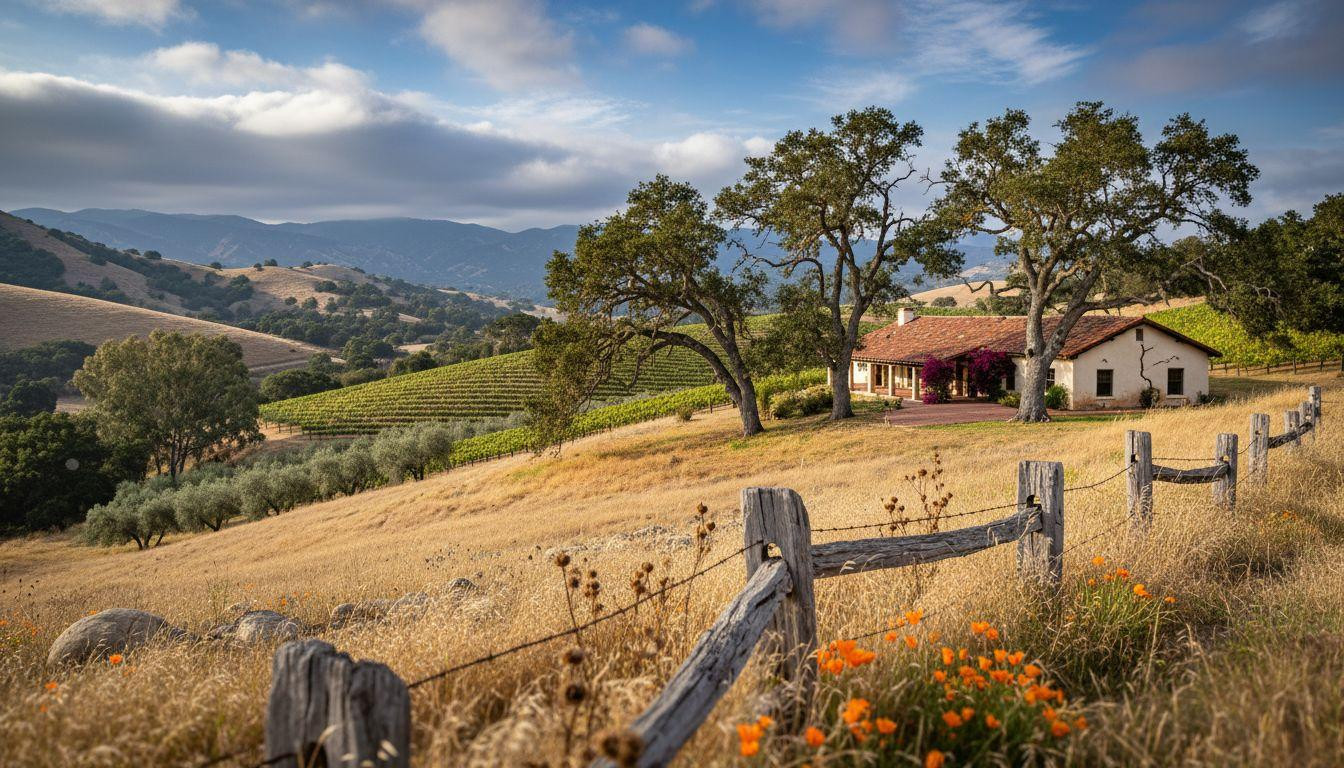
This golden valley (30 square miles, 3,500 residents) banned commercial vacation rentals in residential zones effective April 14, 2025. Monterey County’s 4% housing stock cap ensures authentic community preservation over tourism profits. Oak-studded ranch lands stretch between vineyard rows without tour bus intrusions.
The landscape locals protected
Ranch-style homes with red-tile roofs dot rolling hills at 100-2,000 foot elevations. Morning fog lifts over valley olives and eucalyptus groves by 9am. Gravel paths crunch underfoot leading to family wineries operating since the 1800s without corporate ownership.
Pricing that reflects residential priority
Hosted accommodations range $150-250 nightly versus Napa’s $300-500 averages. Local restaurants serve artichoke dishes and valley specialties for $20-40 per meal. Wine tastings cost $50 compared to Napa’s $75 standard, with family vintners personally pouring samples.
Santa Cruz valleys maintain coastal authenticity
Santa Cruz County capped non-hosted rentals at 270 properties countywide in March 2025. Board supervisors unanimously voted to require platforms like Airbnb remove illegal listings within 10 days. The 70-mile drive from San Francisco reaches emerald meadows backed by redwood ridges where locals maintain farm-to-table restaurants.
Preserved valley experiences
Scotts Valley farmers markets operate Saturday mornings with organic produce from multi-generation family farms. Hiking trails through redwood groves remain uncrowded year-round. Coastal access points stay quiet compared to Highway 1’s tourist magnets.
Local food culture intact
Family cafes serve breakfast for $12-18 without tourist markup pricing. Organic farm tours cost $15 per person versus Napa’s $45 equivalents. Evening farmers markets feature live acoustic music from valley residents, not hired entertainment.
Silicon Valley neighborhoods fight back
Mountain View bans entire-home rentals under 30 days unless hosted stays. Palo Alto homeowner associations enforce strict quiet hours while tech workers seeking residential peace support neighborhood preservation over rental income.
Palm-lined streets maintain residential character despite proximity to San Francisco (35 miles, 1-hour Caltrain access). Clean bay air carries birdsong rather than tour group chatter. Neighborhood cafes serve tech workers and families without tourist crowds competing for tables.
Your Questions About Places Locals Protect / Limit / Keep Secret,Top 7 Valleys Where Locals Restrict Airbnb Growth Answered
Which valleys have the strictest short-term rental bans?
Monterey County banned all commercial vacation rentals in Carmel Valley, Big Sur Valley, and Carmel Highlands residential areas. Mountain View prohibits entire-home rentals under 30 days. Santa Cruz County limits non-hosted properties to 270 permits with one permit per owner maximum.
How do locals benefit from these restrictions?
Housing costs decreased 15-25% below California averages in restricted zones. Residential neighborhoods maintain quiet hours without party houses. Local businesses serve year-round residents rather than seasonal tourists, creating stable community economies and authentic cultural preservation.
How do protected valleys compare to famous destinations?
Carmel Valley offers ranch land wine experiences for $150-250 nightly versus Napa’s $300-500 rates. Santa Cruz valleys provide coastal access 70% less crowded than Yosemite Valley. Anderson Valley maintains Basque shepherd heritage without Sonoma’s commercial development pressures.
Dawn markets in Carmel Valley operate without tourist crowds. Fog lifts over vineyard rows while locals exchange morning greetings. Gravel paths lead past oak groves where only birdsong breaks the valley silence.