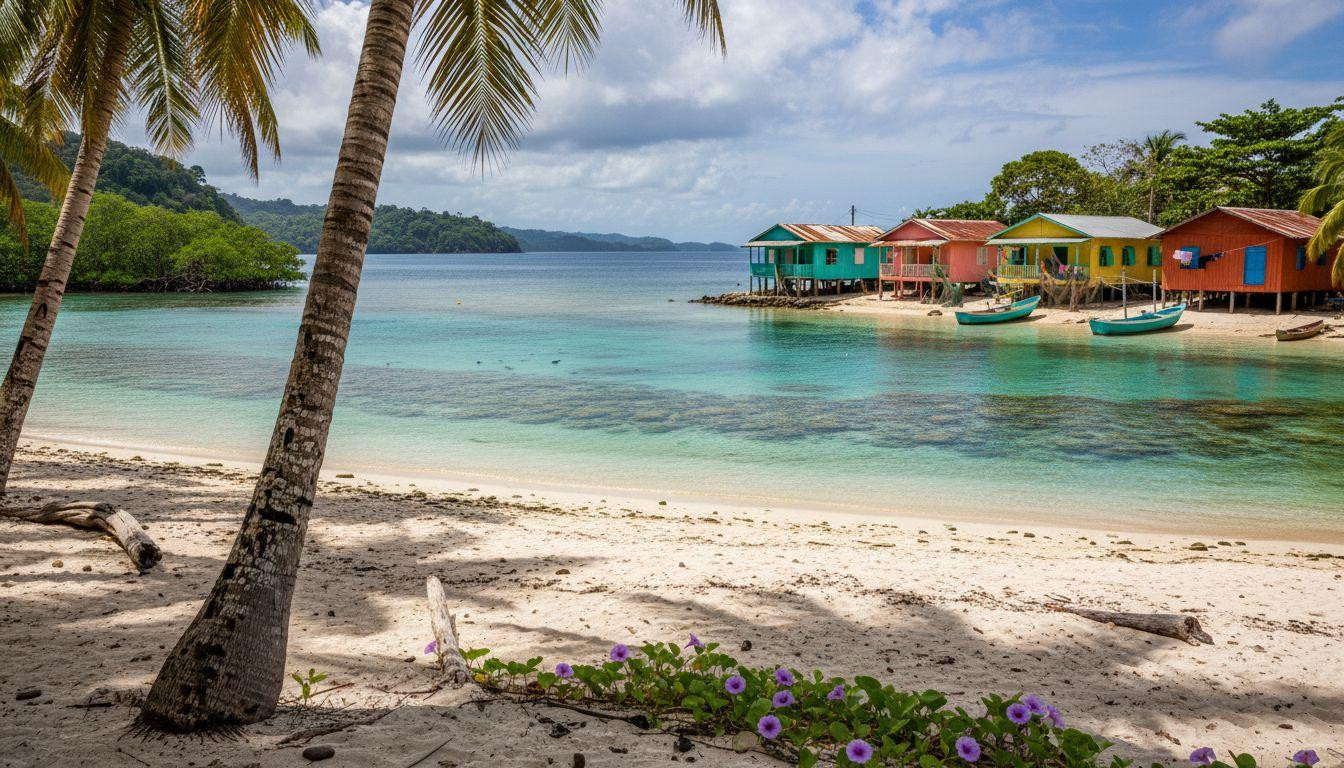
Manuel Antonio National Park charges $18 per person and requires advance booking that sells out days ahead. The parking lot fills by 7am. Tour buses dominate narrow trails where 465,735 annual visitors compete for photos with sloths. Just 90 minutes south, Gandoca-Manzanillo Wildlife Refuge offers identical turquoise Caribbean waters, superior coral reef snorkeling, and authentic Afro-Caribbean culture for free.
Why Manuel Antonio no longer works for travelers
Costa Rica’s most famous national park implemented timed entry tickets in 2024. Daily capacity limits reach 2,500 visitors who must book specific morning slots through SINAC’s website. December through April slots disappear 3-5 days in advance.
The Pacific coast delivers rough 3-5 foot swells that make snorkeling challenging. Rocky shores and limited reef systems pale compared to Caribbean alternatives. Tour operators charge $95-125 for guided excursions that don’t include the mandatory $18 park entrance fee.
Accommodation around Manuel Antonio averages $220-350 per night for mid-range lodges. Restaurants cater to tour groups with breakfast costing $12-18 and dinner reaching $25-40 per person. The authentic Costa Rica experience vanishes under commercial tourism pressure.
Meet Manzanillo: Costa Rica’s quiet Caribbean secret
Gandoca-Manzanillo Wildlife Refuge spans 23,348 acres from Puerto Viejo to the Panamanian border. This protected coastline welcomes only 169,162 annual visitors (roughly 474 per day) compared to Manuel Antonio’s overcrowded 1,275 daily average. Entry remains completely free with optional $5-10 donations to support local rangers.
The reef advantage that changes everything
Caribbean waters stay consistently calm with 1-2 foot waves year-round. The continental shelf’s gradual slope creates perfect snorkeling conditions. Coral reefs here rival Maui’s protected zones with 68% live coral cover and 40-60 foot visibility.
Sea turtles nest on southern beaches from February through April. December brings hatchling season alongside migratory bird species. Manatees frequent mangrove channels where morning boat tours encounter dolphins and tropical fish without crowds.
Authentic Afro-Caribbean culture lives here
Manzanillo village maintains 75% Afro-Caribbean population with reggae and calypso rhythms echoing through palm-lined streets. The KeKöLdi Indigenous Reserve (Bribri and Cabecar tribes) encompasses refuge portions where community members offer cultural tours and traditional crafts.
Local sodas serve coconut rice and beans for $5-10 plates. Fresh seafood comes directly from village fishermen who arrive at dawn with snapper and tuna catches. Similar authentic Caribbean experiences throughout the region cost significantly more.
What you experience in Manzanillo
December brings optimal conditions with 79-84°F air temperatures and 82°F water. The Caribbean dry season begins with 40-50% chance of brief afternoon showers compared to 70% during rainy months. Morning snorkeling from 9am-1pm offers calmest conditions and best underwater visibility.
Shore snorkeling without boats or crowds
Walk directly into calm turquoise water from Manzanillo Beach. Punta Mona delivers turtle sightings while Gandoca Beach serves as nesting grounds. Reef sites within swimming distance reveal tropical fish weaving through living coral gardens. Equipment rentals cost $8-10 per day from beachfront lodges.
Community guides through Manzanillo Ecotourism Association charge $35-50 for 3-hour reef tours including equipment. Mangrove kayaking explores brackish channels where herons and occasional manatees appear during quiet morning hours.
Affordable lodging that supports locals
Almonds & Corals Lodge offers reef-front bungalows for $115 per night (expanded with 6 new units in 2024). Family-run Manzanillo Beach Hotel provides comfortable rooms at $75 nightly. Budget options rival Cozumel’s value with Jungle Beach B&B at $55 and Cabinas Caribe at $65.
La Terraza serves jerk chicken and rice plates for $10-15. El Chiringuito specializes in fresh fish with coconut rice for $12-20. Local markets stock essentials though Puerto Viejo (15 minutes away) offers wider selection and reliable ATM access.
The relief of finding authentic Costa Rica
Manzanillo delivers the “pura vida” experience Manuel Antonio promised before overtourism arrived. Morning light filters through palm fronds onto turquoise water where coral gardens reveal themselves to snorkelers. No advance booking stress. No crowded trails. No tour bus exhaust.
Conservation rules limit large-scale development while supporting community-based tourism. Local guides share Bribri cultural knowledge alongside marine biology. Similar overtourism alternatives prove smaller destinations often deliver superior experiences at lower costs.
Your questions about Manzanillo Beach answered
How do you reach Manzanillo from San José?
Drive 4.5 hours (220 km) via Route 32 and Route 257. The final 15 miles feature paved but narrow roads with occasional potholes. Public buses connect San José-Limón ($5-7, 2.5 hours), then Limón-Puerto Viejo ($3, 1.5 hours), then Puerto Viejo-Manzanillo ($1.50, local buses every 2 hours). Car rentals cost $40-90 daily depending on vehicle type.
What makes Manzanillo different from other Caribbean beaches?
Gandoca-Manzanillo contains Costa Rica’s second-largest coral reef system with protected status preventing resort development. The combination of reef snorkeling, rainforest trails, Afro-Caribbean culture, and Indigenous heritage creates unique diversity. Only two bathrooms serve the entire refuge, maintaining low-impact tourism principles.
Is December good weather for visiting?
December marks Caribbean dry season beginning with fewer rainy days and stable weather patterns. Water temperature stays consistent at 82°F year-round. Pre-Christmas visits (December 1-20) offer moderate crowds while Christmas week brings elevated but manageable visitor numbers compared to Manuel Antonio’s chaos.
Dawn breaks over glassy water revealing coral gardens beneath. Palm silhouettes frame sunrise while village fishermen prepare nets for morning catches. The gentle sound of Caribbean waves replaces tour bus engines and crowded trail chatter.