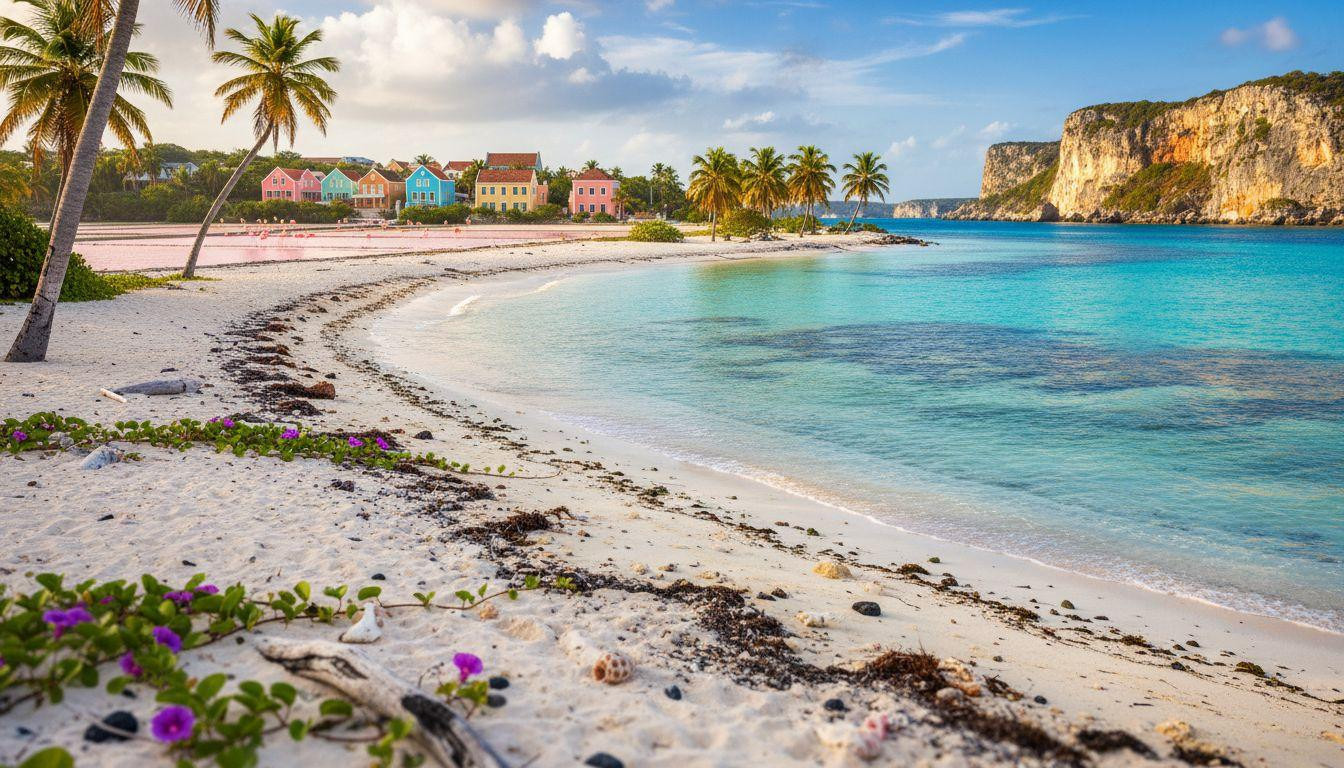
Aruba charges $275 per night for beachfront hotels. Curaçao delivers the same Dutch colonial charm and turquoise water for $185. The Maldives demands $1,000 flights from Miami. Grenada costs $350 and feels just as remote. These nine Caribbean islands offer powder-soft sand, glass-clear shallows, and empty beaches at 40-60% below famous alternatives. February 2026 brings peak conditions without peak crowds.
Most travelers overpay for tropical escapes. They book Cancún because everyone does. They choose Tulum because Instagram says so. Meanwhile, tiny islands with populations under 20,000 sit 45 minutes away by ferry, charging half the price with better reefs.
Rincón trades Tulum’s influencer scene for actual surf culture
Puerto Rico’s northwest corner wakes at 5am when surfers paddle out to Domes break. No passport required. Flights from New York cost $200 round-trip. The 2.5-hour drive from San Juan passes through mountain fog that lifts around Aguadilla.
Villa Cofresi charges what San Juan hotels ask for a parking spot. Surf lessons run $50 at Maria’s break where beginners catch waist-high rollers. The Punta Higüero Lighthouse marks sunset at 6:15pm in February when golden light bathes the cliffs.
Tulum’s beach clubs charge $80 minimum spend. Rincón’s local cafes serve mofongo for $12. The difference shows in morning light when you have the sand to yourself.
Curaçao costs 40% less than Aruba with identical water clarity
Willemstad’s pastel buildings glow coral pink and ochre yellow along the harbor. The Dutch settled here in 1634. UNESCO listed the architecture in 1983. Salt air mixes with nutmeg from spice vendors in Punda district.
Hotels average $185 per night in February 2026. Saint Tropez Boutique scores 8.8 on recent reviews. Aruba charges $275 for similar beachfront access. The 100-foot visibility at Klein Curaçao matches anything in the Maldives.
Klein Curaçao boat trips leave at 7am
The uninhabited cay sits 90 minutes offshore. Boats cost $80 and return by 4pm. White sand stretches empty except for an abandoned lighthouse. Reef fish cluster in water so clear you count scales from the boat.
Tambú dance venues charge $10 cover
Tinto Tambú opens Thursday nights when locals gather for traditional drumming. The rhythm starts slow around 9pm and builds until midnight. Tourists who find it usually stay until closing.
A three-day Curaçao trip costs $600 per person including hotels, meals, and activities. The same itinerary in Aruba runs $900. For more affordable Caribbean options, eight islands feel like luxury resorts but cost $120 a night.
Bonaire’s 1,000 flamingos outnumber daily visitors
The pink salt flats glow at dawn when birds wade through shallow pools. Population holds at 20,000 year-round. Annual visitors total 200,000 compared to Aruba’s 2 million. Shore diving costs $25 per tank at 1000 Steps where visibility reaches 100 feet.
Ferries from Curaçao run twice daily for $60 round-trip. The 45-minute crossing delivers you to an island where UNESCO marine park rules keep reefs pristine. No touching coral. No feeding fish. The restrictions work.
Slave huts mark 19th-century salt worker history
Six orange structures sit near the southern salt pans. Workers lived here during harvest weeks under brutal conditions. The National Historic Site preserves them as reminders. Most visitors drive past without stopping.
Chogogo Dive & Beach offers value packages
Shore access sits steps from rooms. Dive masters lead morning trips to unmarked sites locals protect. The resort keeps prices competitive with Curaçao alternatives while delivering quieter beaches.
St. Kitts delivers fortress views at one-third St. Barts prices
Brimstone Hill rises 800 feet above the Caribbean. The British built this UNESCO fortress after repelling a French siege in 1690. Panoramic views sweep across Nevis and Montserrat on clear mornings. Entry costs $15.
Mount Liamuiga’s volcanic peak reaches 3,792 feet. Black sand beaches contrast with turquoise shallows at Cockleshell Bay. Hourly ferries to Nevis cost $10 for the 20-minute crossing. Hotels charge half what St. Barts demands for similar oceanfront access.
Flights from Miami run $300-450 in February 2026. Royal St. Kitts keeps rates affordable while newer eco-lodges like Timbers Kitts target mid-range travelers. The island handles 400,000 annual visitors without feeling crowded.
Puerto Plata’s Victorian cable car costs $25 for mountain views
The Mount Isabel de Torres ride takes 10 minutes to reach 360-degree vistas. Operating hours run 9am to 5pm daily. Victorian architecture lines the streets below in amber and cream tones. Morning mist veils the peaks until 10am most days.
The Amber Museum displays the world’s largest deposits for $5 entry. All-inclusive resorts average $200 per night compared to Punta Cana’s higher rates. Local buses to beaches cost $2. The authenticity shows in details Punta Cana lost years ago.
Flights from New York cost $250-400 round-trip. The north coast stays 40% cheaper than southern resort zones while delivering fewer crowds and more local character.
Cozumel’s reefs beat Cancún for clarity and calm
Palancar Reef drops to 80 feet with February visibility past 100 feet. Coral textures glow purple and orange in morning light. San Gervasio ruins mark a 13th-century Mayan pilgrimage center inland. Entry costs $10.
Ferries from Playa del Carmen run hourly for $15. The 45-minute crossing escapes Cancún’s crowds for island rhythms. Shore diving packages cost $50 per day. Boat trips run $100 with two tank dives. Beach cycling rents for $10 per hour along coastal routes.
Cruise ships dock three days weekly but reef access stays protected. The island handles tourism better than mainland zones. For similar underwater experiences, five Caribbean bays keep crescent reefs calm in December swells.
Negril’s Seven Mile Beach stretches empty most mornings
The crescent runs its full length with powder sand and calm shallows. Rick’s Cafe cliff jumps drop 35 feet into turquoise water at sunset around 6pm. Jerk chicken shacks like Rockhouse charge $10 for authentic plates. Reggae venues along the beach ask $5-10 covers.
Hotels and meals cost 30-50% less than Montego Bay resort zones. Flights from major US hubs run $300-500 in February. The beach soul musicians talk about stays intact here while resort areas lost it to development.
Grenada’s spice markets open at dawn for vendor haggling
Nutmeg scents mix with salt air along Grand Anse’s two-mile crescent. The island exports 20% of world nutmeg supply with harvests from March to August. Vendor culture encourages polite bargaining. Most tourists sleep through the best hours.
Annual visitors total 400,000 compared to Barbados’s 800,000. Siesta Hotel charges $121 per night in February with 9.0 review scores. Flights from Miami cost $350-500. The Spice Island nickname fits when you smell cinnamon and clove drying in village cooperatives.
Eco-lodges target travelers seeking authentic experiences without resort isolation. Tourism enhances local spice identity rather than overwhelming it. The balance works because crowds stay manageable.
Playa del Carmen cenotes cost $10 for limestone pool access
Gran Cenote and Dos Ojos sit 5-10 minutes from town center. Light shafts pierce limestone at noon creating cathedral effects underwater. Freshwater holds at 75°F year-round. Solo entry runs $10-20 while guided tours cost $30.
Grand Sirenis all-inclusive charges $90-120 per night in February 2026. Chichén Itzá sits 2.5 hours away with tours from $50-80. Flights from Miami, LA, and Chicago cost $200-400. The Cancún shuttle runs $20-40 for mainland access.
Activities cost 20% less than Cozumel with similar quality. Casa Melissa places divers near cenote clusters. The mainland delivers island vibes without island premiums. For Greek alternatives to Caribbean travel, five Greek islands feel like Santorini but cost $70 a night.
Your questions about affordable tropical islands answered
When should I book for best February 2026 prices?
Book flights and hotels 8-12 weeks ahead for optimal rates. February sits in peak season but shoulder pricing applies before March spring break. Tuesday and Wednesday departures save $50-100 on most routes. Hotel rates drop 15-20% for stays longer than five nights.
Which islands allow easy island-hopping?
Curaçao and Bonaire connect via twice-daily ferries for $60 round-trip. St. Kitts and Nevis run hourly crossings at $10. Cozumel and Playa del Carmen link every hour for $15. These clusters let you sample multiple destinations without repositioning flights.
How do costs compare to Maldives or Aruba?
Maldives flights from Miami average $1,000 versus $200-500 for these Caribbean islands. Aruba hotels charge $275 per night compared to $90-185 across these nine alternatives. Daily meal costs run $12-25 here versus $40-60 in premium destinations. Total savings reach 40-60% for equivalent beach quality.
Morning light hits Grenada’s Grand Anse around 6:30am in February. The crescent glows gold for maybe 20 minutes before tourists arrive. Fishermen pull nets near the north point. The water stays glass-calm until 9am when wind picks up. That window costs nothing and beats any resort pool.