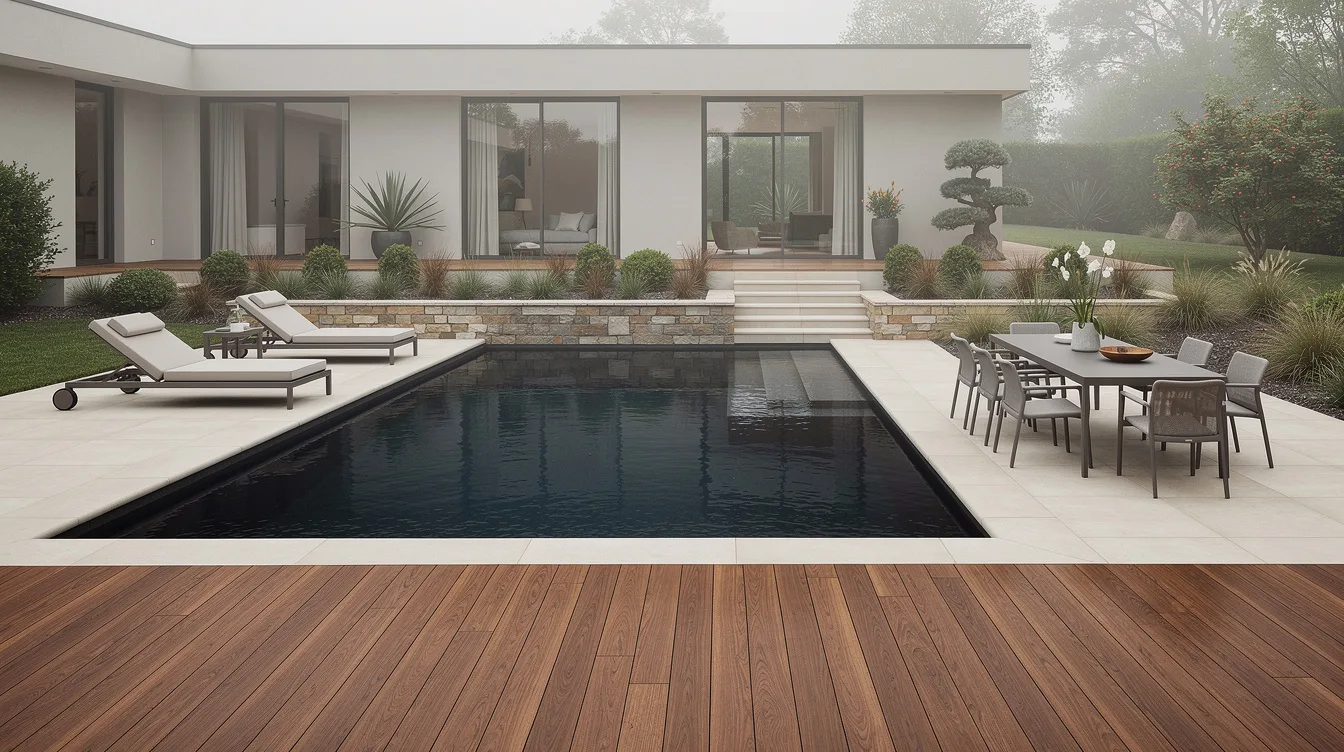
I can usually tell a dated pool deck in ten seconds. The water is bright blue, the paving is icy gray, and every chair seems to belong to the same boxed set that was picked in one rushed weekend.
This summer, designers are pushing pool areas in a quieter direction. Less theme, fewer shiny finishes, more natural texture, and layouts that actually work when people want to lounge, eat, and move around without bumping into each other.
Darken the water and warm up the edges
The bright baby-blue pool basin that dominated backyard builds for years now reads a little flat, especially next to newer homes with warmer stone and softer landscaping. Designers are leaning toward moodier water with charcoal pebble aggregate, deep teal, graphite, and sand-toned finishes because the surface gives depth instead of that old postcard-blue glare.
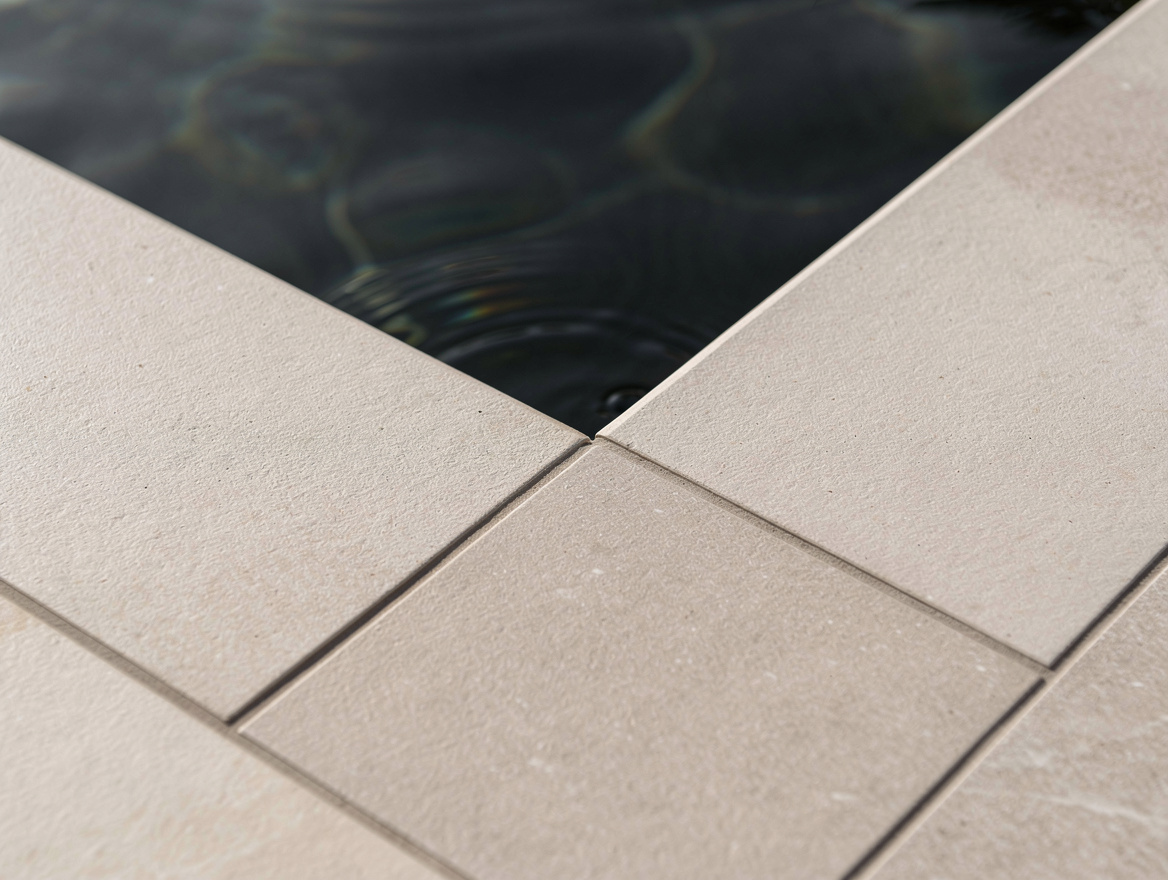
For the perimeter, large-format non-slip porcelain pavers are replacing pale concrete coping and cool gray slabs. A typical plunge pool today is about 10 to 15 feet long, 6.5 to 10 feet wide, and 4 to 5 feet deep, while average installed pricing for a simple aggregate-finish plunge pool often lands around $27,000 to $49,000, depending on access and site work.
Split one giant deck into real destinations
The old move was one oversized rectangle with loungers, grill, dining table, and fire pit all fighting for space on the same plane. A smarter 2026 layout creates a lounging pad, a dining zone, and a conversation area so the pool deck feels closer to a resort and less like a patio furniture showroom.
A lounge platform usually needs about 10 to 13 feet of depth along the pool to hold two to four chaises comfortably, and a dining area for six to eight seats usually starts around 10 by 13 feet. If you are pricing hardscape, a typical installed stone-look paver surround often runs roughly $8 to $15 per square foot in developed markets, which is a useful reality check before you start adding extras.
Choose matte boards over shiny fake-wood decking
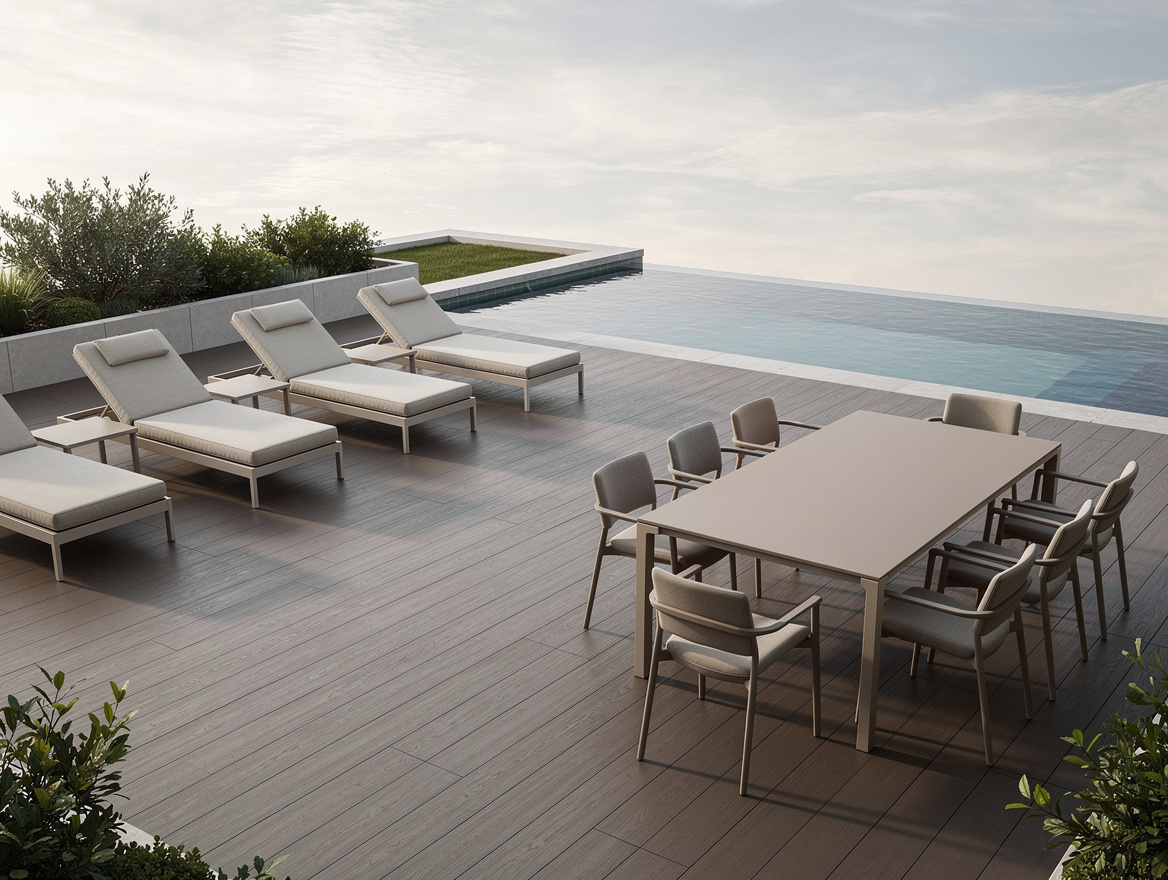
Plastic-looking deck boards had a long run because they promised low maintenance, but the glossy finish now gives away the budget too fast. Designers are moving toward matte, wood-grain composite with warmer browns and drifted taupes, the kind of surface you can actually pair with limestone, sandy textiles, and darker pool interiors without visual friction.
You do not need a mansion-sized deck to make this work. A raised terrace finished with a matte board from Home Depot or Lowe’s usually feels more current than a slick gray composite, and premium installed composite systems often average about $12 to $20 per square foot once hidden fasteners and framing details enter the conversation.
Strip out farmhouse props and loud outdoor prints
I still see pool areas loaded with rope signs, faux-rustic lanterns, heavy jute, and busy tropical prints that pull the whole yard backward. Around water, designers want cleaner texture and quieter contrast, so a few pieces in teak-look resin, canvas, and stone usually win over themed decor every time.
This is also where shopping discipline matters more than money. A solid neutral umbrella from Target, simple seat cushions from Wayfair, and one textured outdoor rug usually look sharper than five decorative accessories trying to explain a mood that the architecture does not support.
Mix materials instead of buying the matching set
The fully matched outdoor suite, same frame, same finish, same cushions, has started to feel generic around a pool. Designers are replacing those bulky packages and ornate wrought-iron sets with combinations that feel lighter: powder-coated aluminum, slatted wood tones, performance fabric, and one or two pieces with actual shape.
A dining table from IKEA can sit next to slimmer lounge chairs from Amazon and still look intentional if the palette stays tight. I would rather see two strong materials repeated well than a giant pre-bundled set that eats the deck and makes every zone feel identical.
Shrink the water features and let the architecture lead
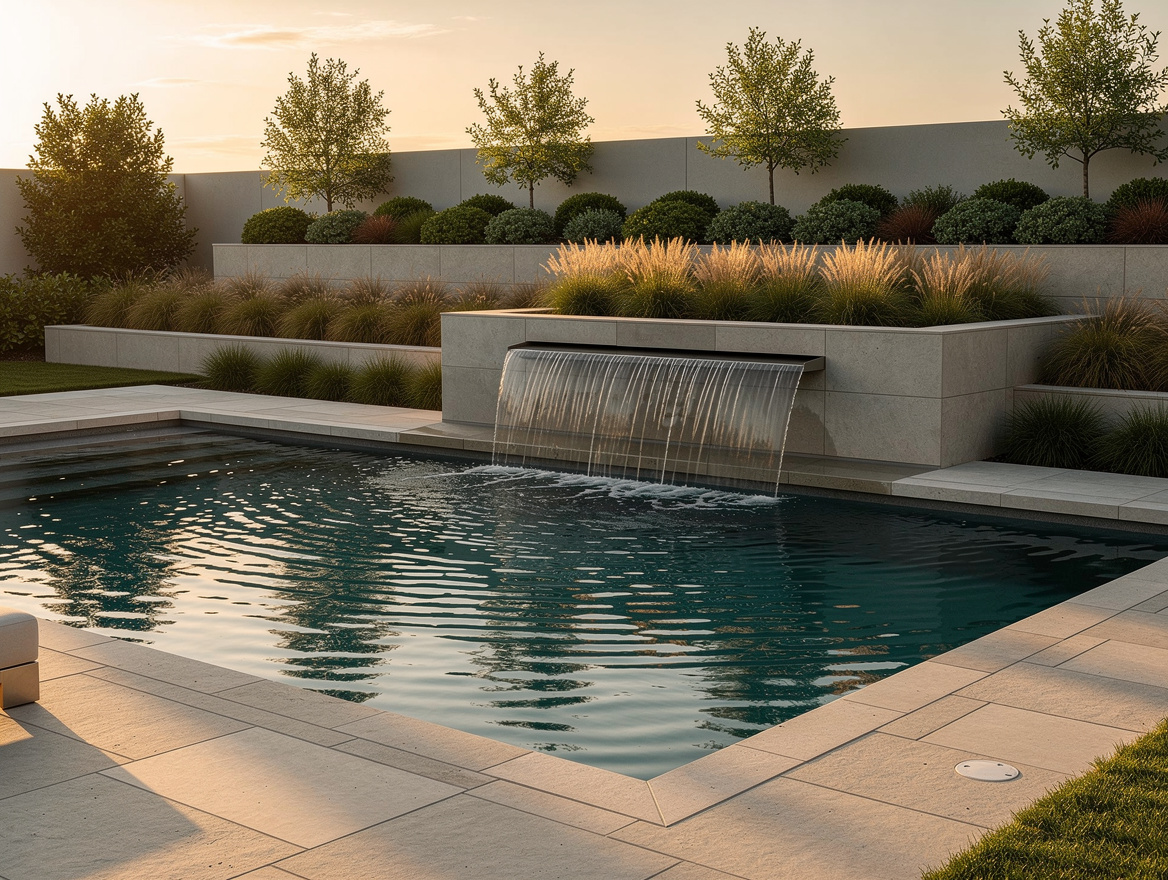
Oversized rock waterfalls had their moment, but they now read more theme-park than private retreat. In 2026, the better move is a restrained sheet water feature or a clean spillway that disappears into the pool wall and lets the sound do the work.
This shift pairs especially well with darker interiors and large-format coping because the pool starts to feel calmer and more architectural. If you are already spending roughly $49,000 to $87,000 on an average lap or exercise pool in the 33 to 49 foot range, I would put the extra budget into clean detailing, better lighting, and high-grip surfaces before I paid for a fake boulder scene.
Start with the surface that covers the most visual ground: the pool interior or the deck underfoot. Once the water color and flooring feel right, the furniture and accessories get much easier, and you are far less likely to waste money on poolside pieces that already look old.
Mia Carter writes about small-space living and budget home makeovers. She has restyled three rentals and tests most ideas in her own 45 sqm flat.