
Japandi bathrooms hit different. That perfect tension between Nordic minimalism and Japanese warmth? It actually works in real life.
The Wet Room Layout That Changed Everything

Vertical ash slats divide the toilet from the shower without closing anything off. The charcoal slate floor slopes to a nearly invisible drain—no curb, no glass door, just continuous space. That rolled towel on the blackened iron rail? Adds just enough softness without cluttering the sightlines. Works best in smaller spaces where traditional shower enclosures would make everything feel cramped.
Why Copper Sinks Are Having a Moment Again

Hand-hammered copper against terracotta plaster sounds risky. But that warm metal catches golden hour light in a way polished chrome never will. The floating ash console keeps the floor visible—makes even a loft bathroom feel airy. And honestly, that visible paint drip on the plaster? It’s part of the wabi-sabi appeal. Everything doesn’t need to be perfect.
The Single Shelf That Does It All
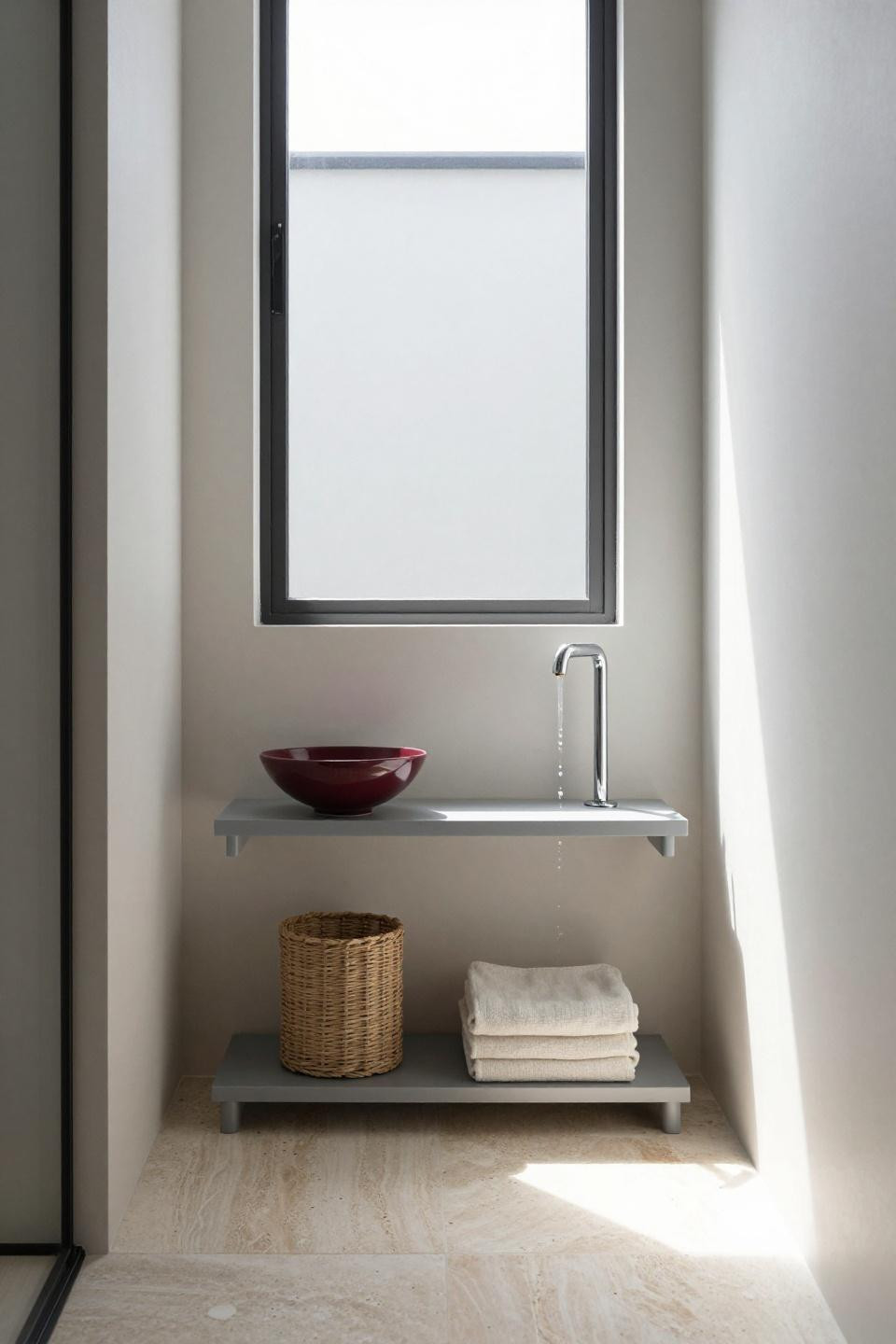
One ash shelf with an integrated towel peg. That’s the whole storage system. The seagrass basket below holds extra towels, and the burgundy ceramic bowl adds just enough color without demanding attention. I’d pick this for anyone trying to make a small bathroom feel intentional instead of just “small.”
Concrete Tubs That Actually Look Inviting
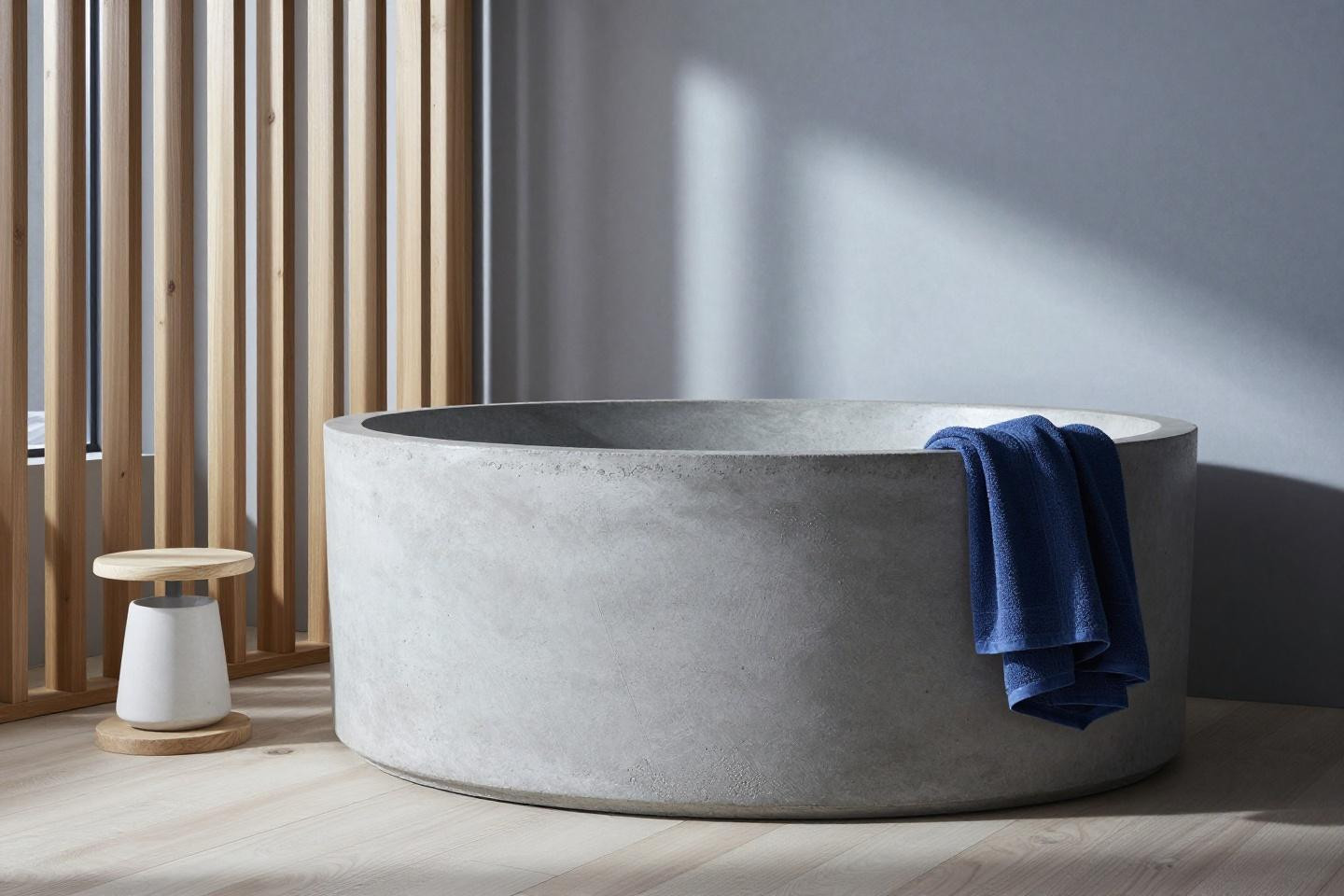
Poured concrete with visible trowel marks feels industrial until you add that wooden plinth and indigo linen. The cylindrical shape takes up less floor space than traditional rectangles. That mineral deposit ring on the rim? Real bathrooms have those. The horizontal slat screen filters light without blocking it completely—gives you privacy without that closed-in cave feeling.
Matte Black Vanities Done Right
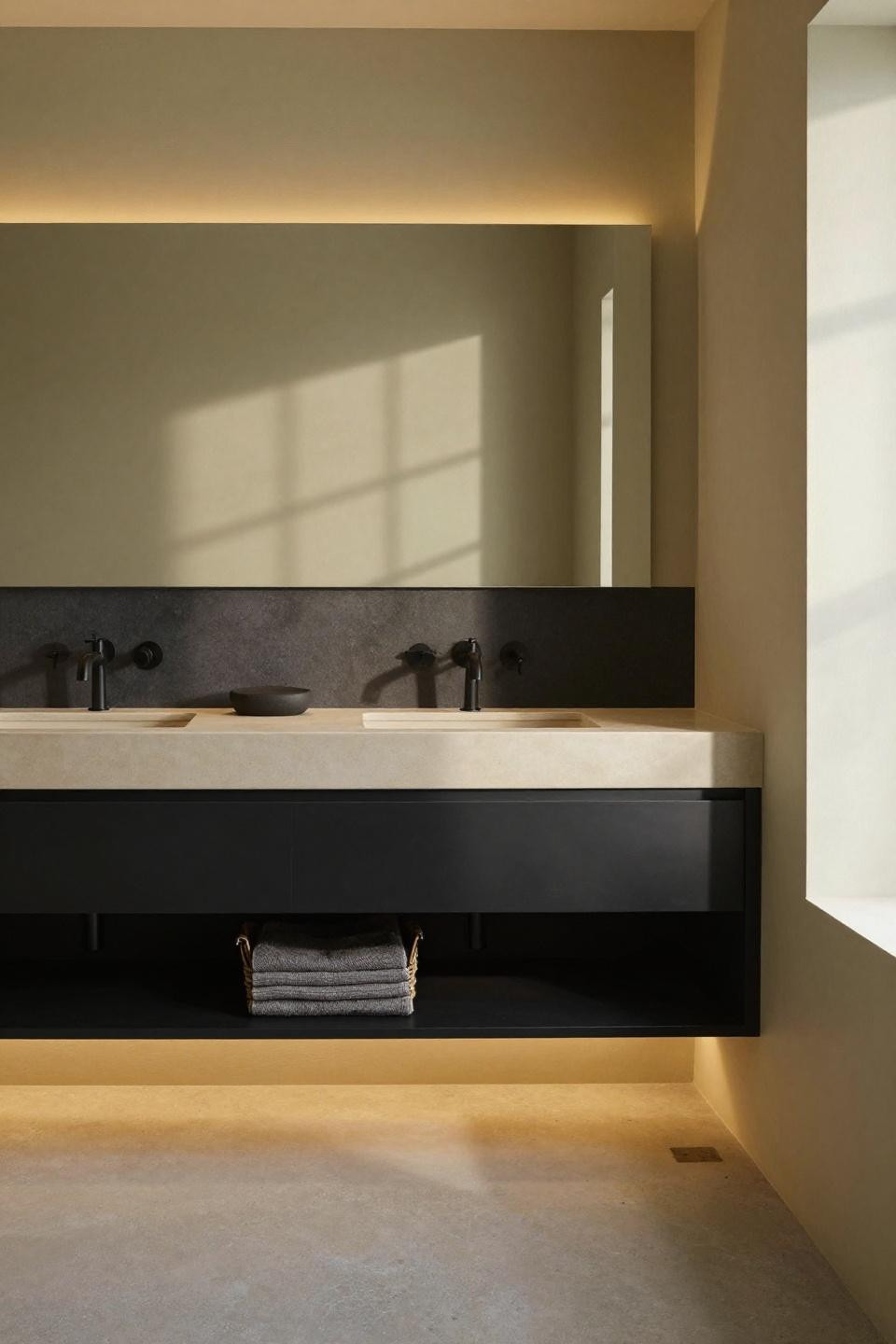
The blonde ash countertop keeps the matte black steel from reading too dark. That single charcoal stripe at waist height? It grounds the whole composition without needing full accent walls. Best for compact spaces where you want drama but can’t afford to shrink the room visually. The rush basket on the lower shelf adds texture that steel and wood alone can’t deliver.
Terrazzo That Doesn’t Scream 1950s
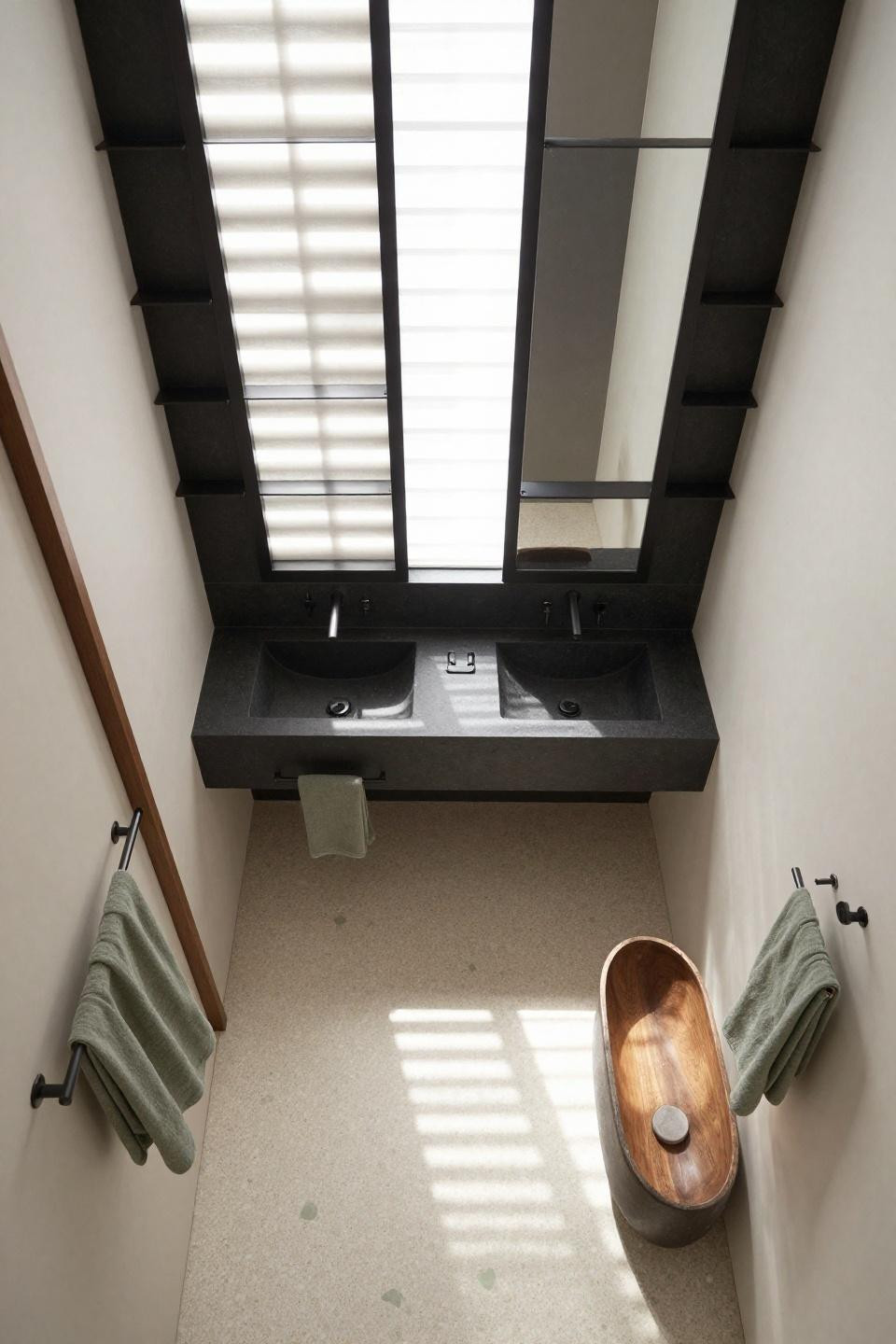
Cream terrazzo with sage aggregate feels current when you pair it with blackened steel and charcoal slate. The dual floating shelves flank the sink without boxing it in. That washi screen diffuses midday light into something softer, more forgiving. Great when you need storage but wall cabinets would kill the openness.
Exposed Brick Without the Industrial Cliché
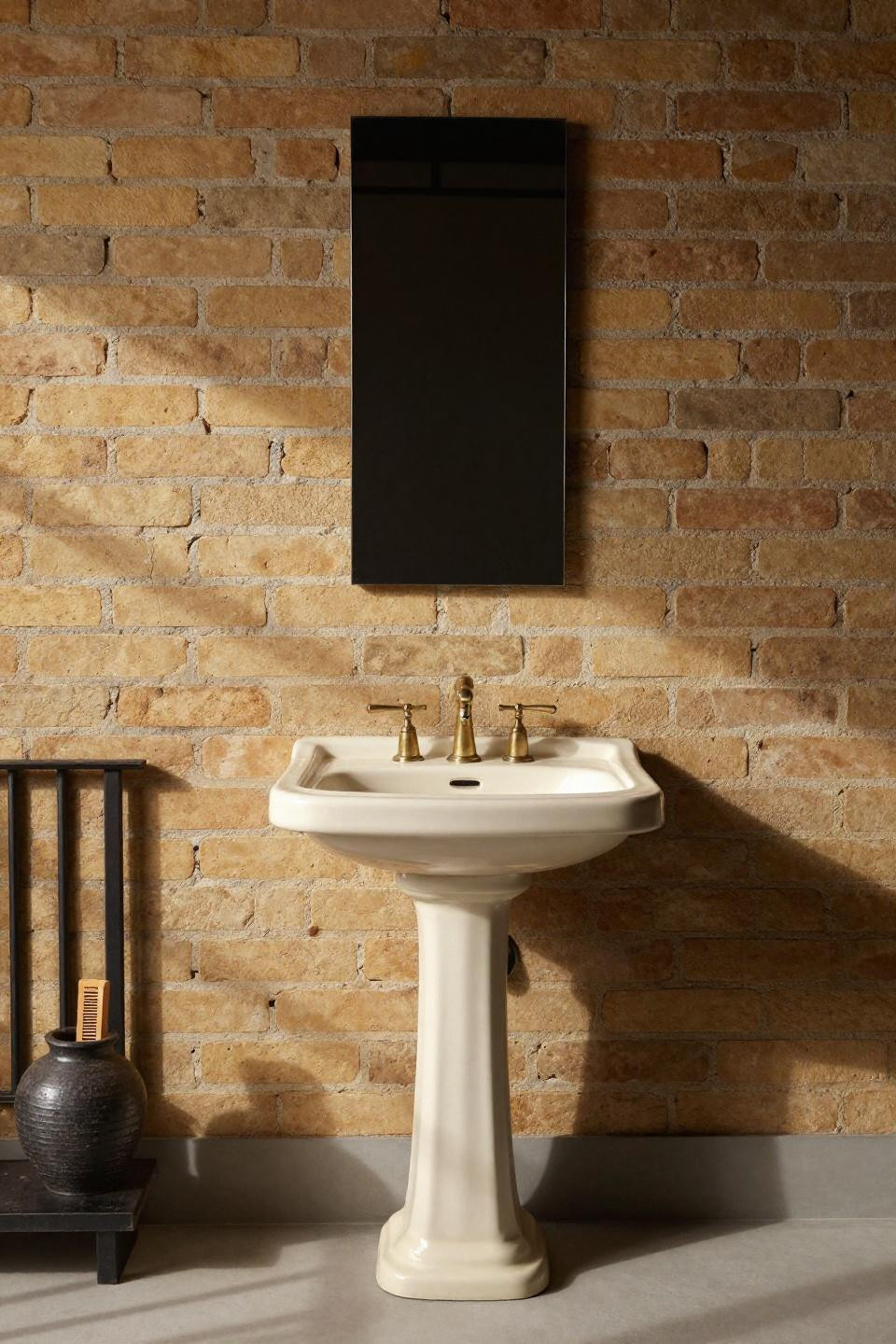
Honey-toned brick warms up the cream pedestal sink. The narrow matte black mirror keeps things minimal without feeling sparse. And that vintage brass faucet with verdigris? It’s the detail that makes everything feel collected over time instead of ordered in one CB2 trip. The hairline mortar crack catching sidelight adds character most renovations sand away.
Built-In Benches That Don’t Waste Space
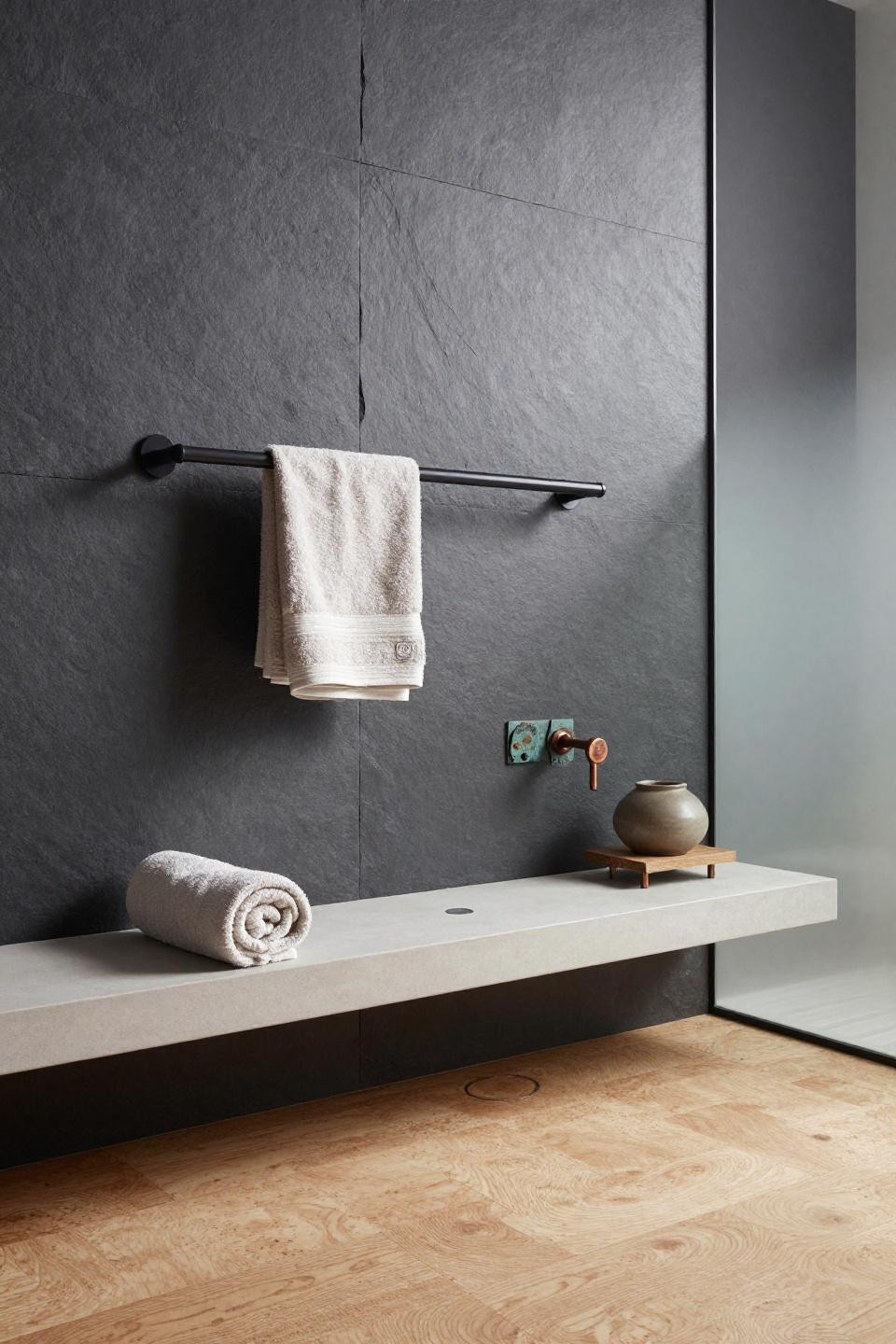
The floating bench doubles as towel storage and a place to actually sit when you’re painting your toenails. Charcoal slate behind it creates a feature wall without tile. Cork flooring feels warm underfoot in a way concrete never will. That weathered copper fixture with verdigris patina? You can’t buy that finish new—it earns itself over time.
Recessed Vanities That Create Depth
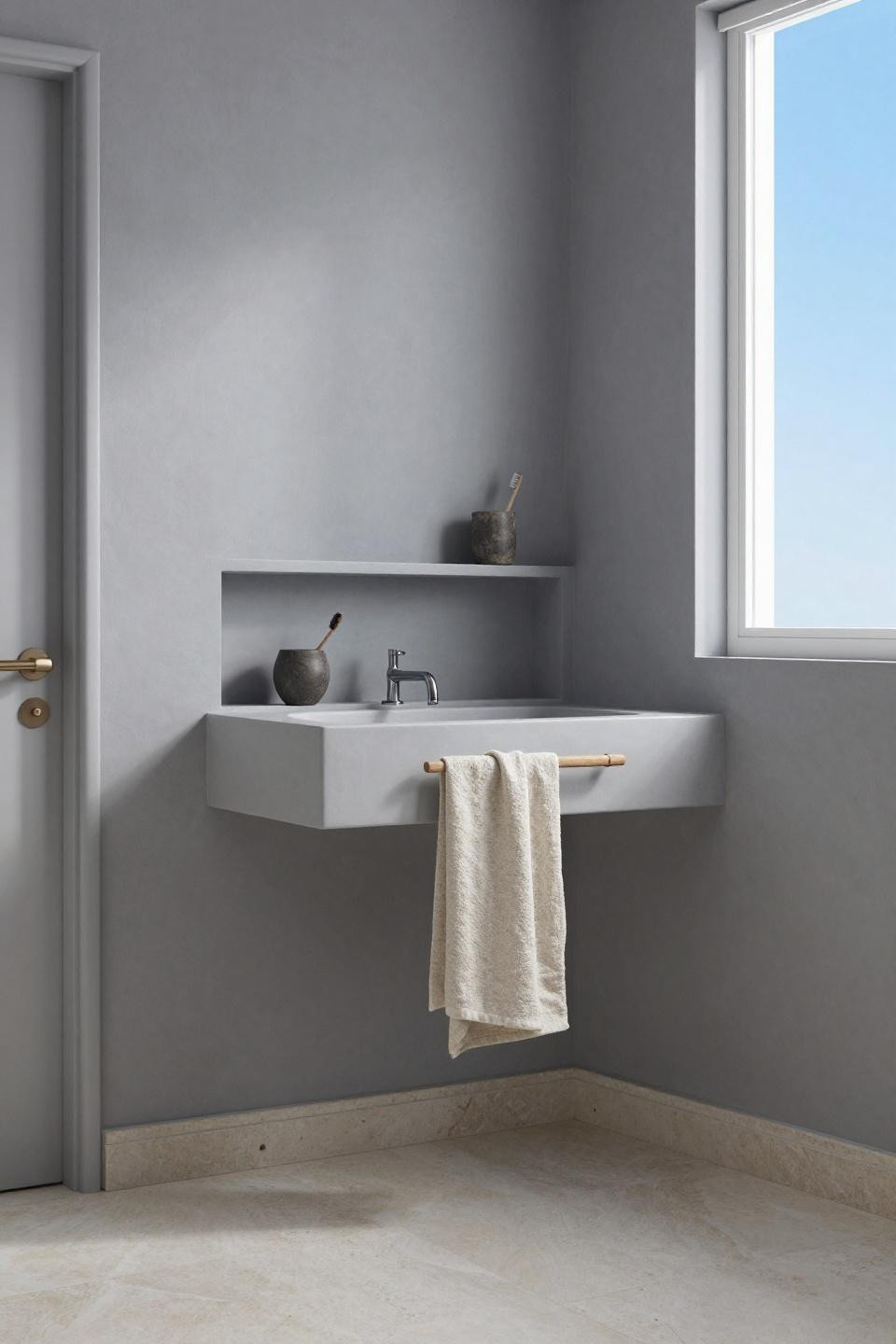
Recessing the ash vanity into dove-grey plaster makes the wall feel thicker, more substantial. The integrated teak towel niche keeps hand towels within reach without needing bars or hooks. That single copper droplet on the vanity edge catching cold winter light? These small moments make a bathroom feel lived-in instead of staged for the listing photos.
Open Shelving That Actually Organizes
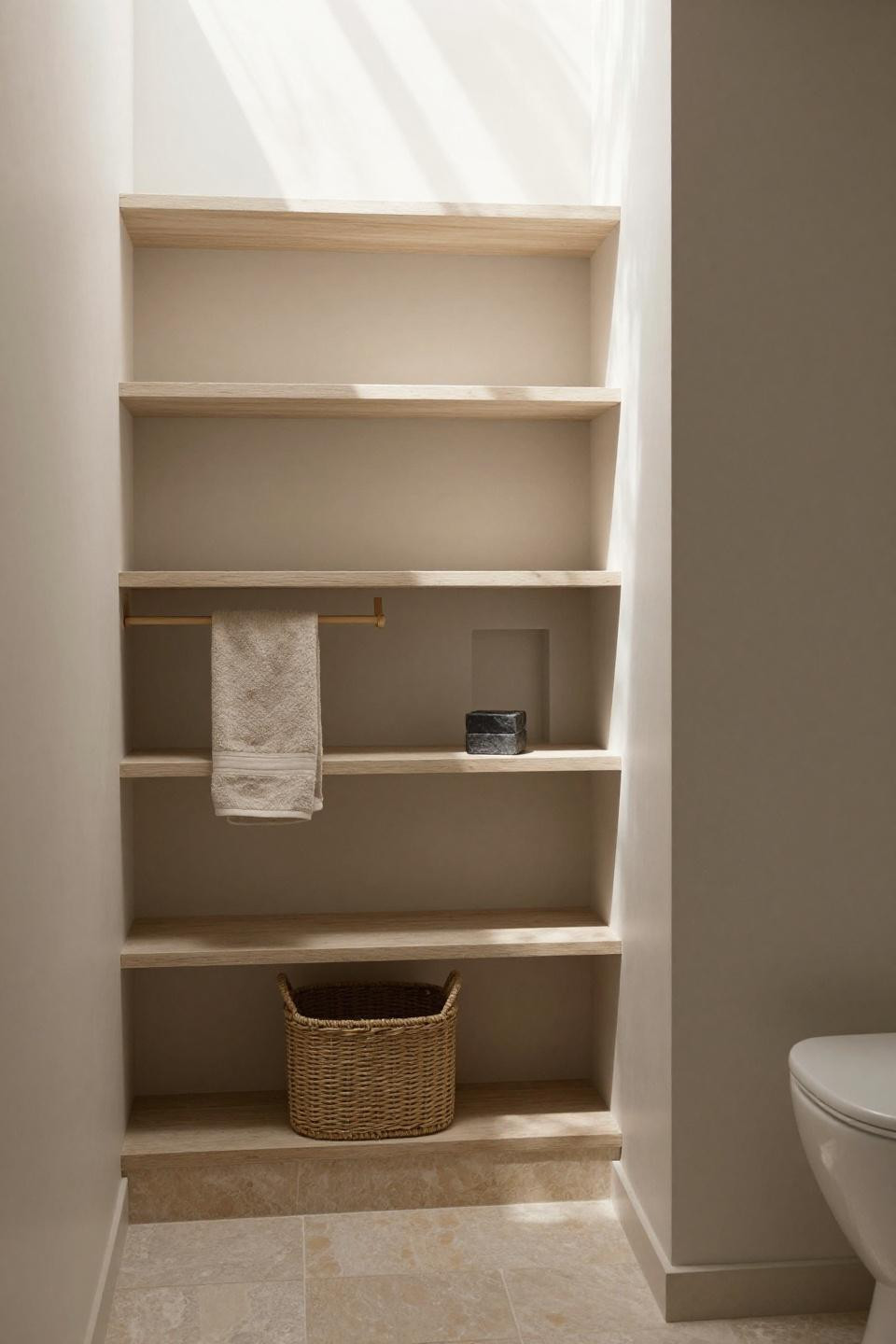
The floating teak divider gives the toilet alcove privacy without a door. Open shelving forces you to keep things tidy, which honestly makes small bathrooms function better. Rolled flax towels and woven rush baskets keep the aesthetic consistent. That tiny pencil mark in the wood joint? Evidence that real people built this, not IKEA robots.
Medicine Cabinets That Don’t Look Medical
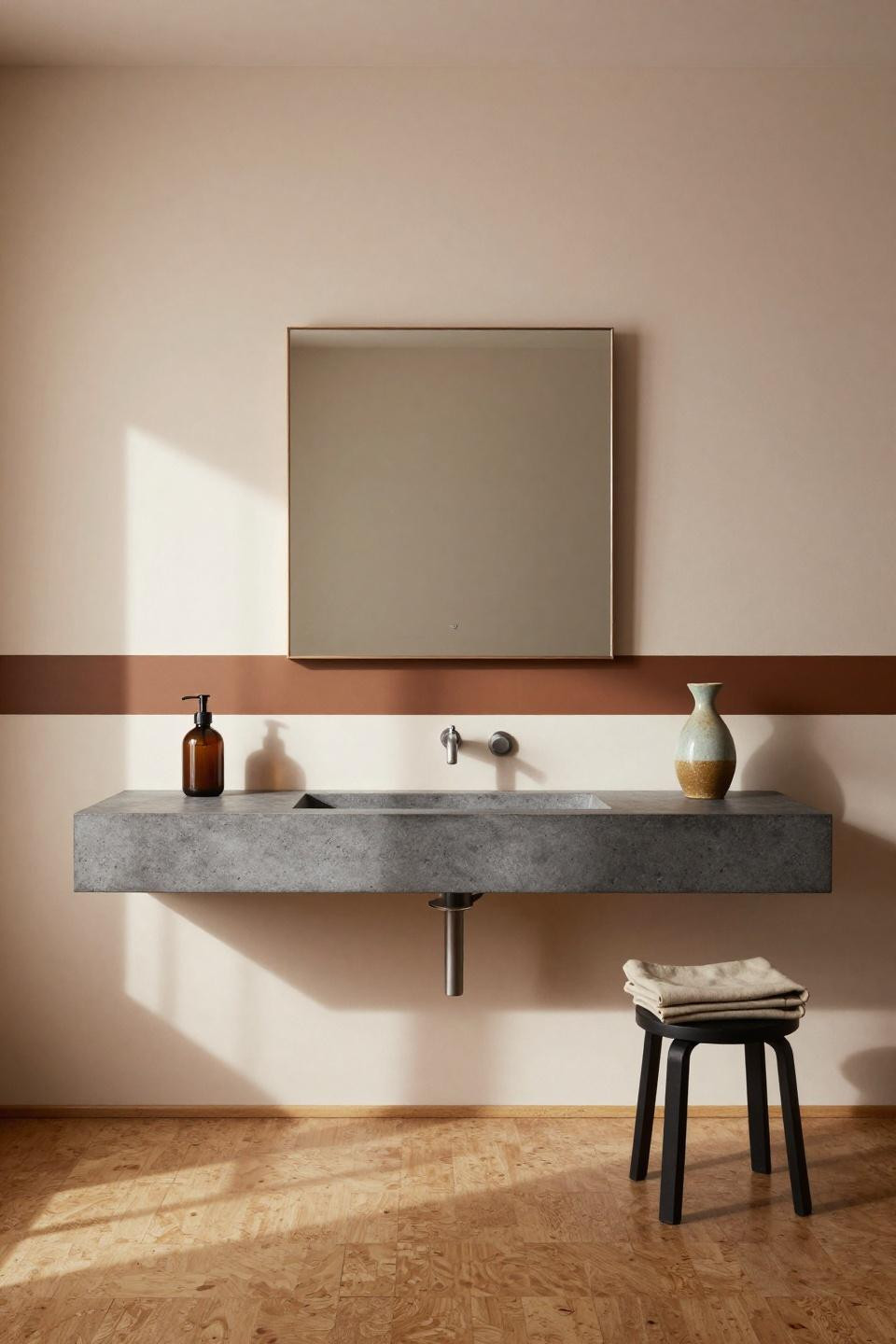
Teak slats warm up the concrete sink console below. The blush limewash with burnt sienna stripe adds color without shouting about it. That vintage ceramic sake bottle as a soap dispenser? West Elm could never. Cork flooring stays warm under bare feet even in winter—tile would feel brutal by comparison.
Hinoki Soaking Tubs Worth the Investment
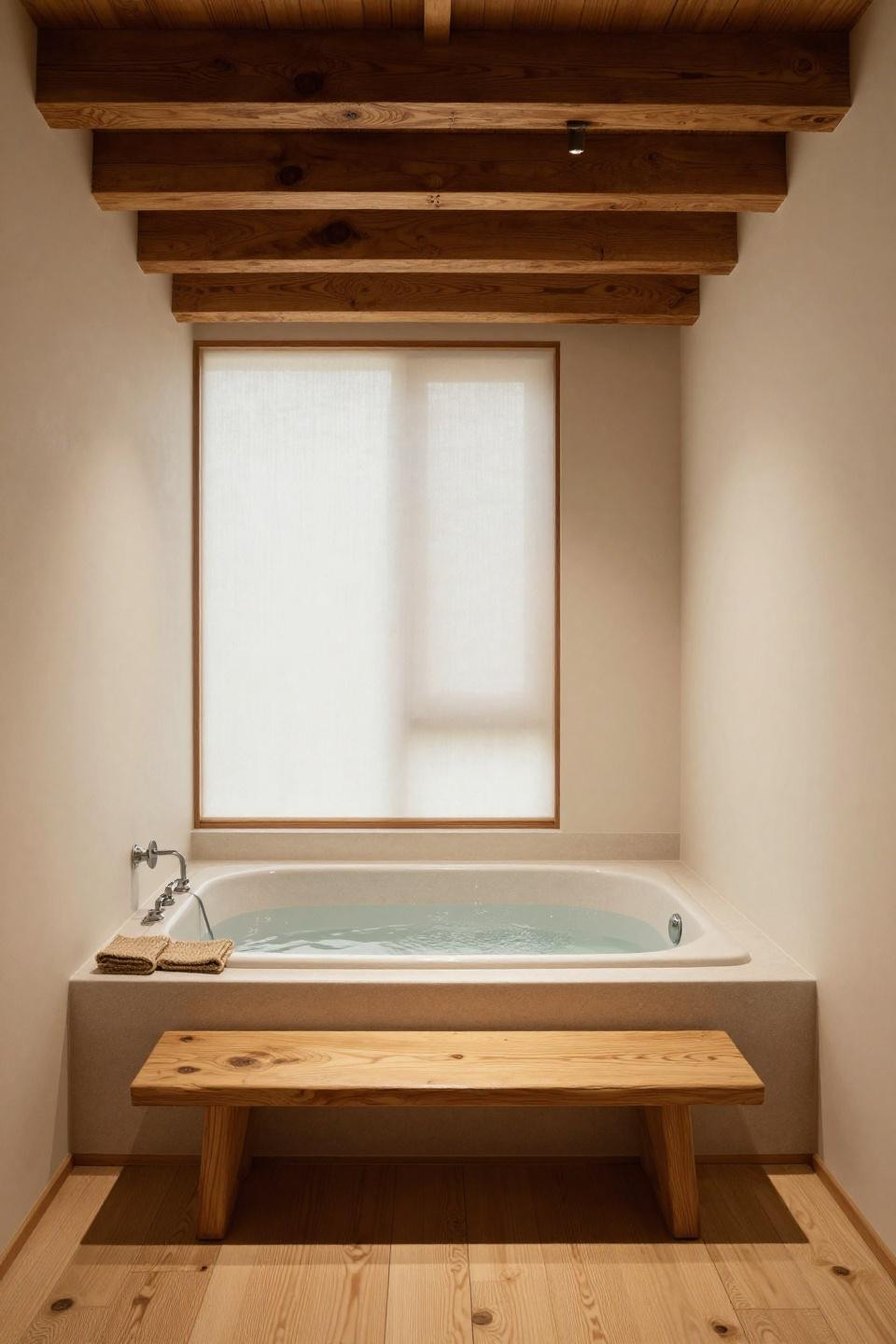
Hinoki cypress smells incredible and gets better with age. The exposed honey-toned beam structure creates traditional Japanese proportions without feeling like you’re cosplaying. That deep indigo vertical stripe keeps things from reading too precious. Works best when you have ceiling height to show off those beams—ranch bathrooms need not apply.
Wet Rooms That Don’t Feel Like Locker Rooms
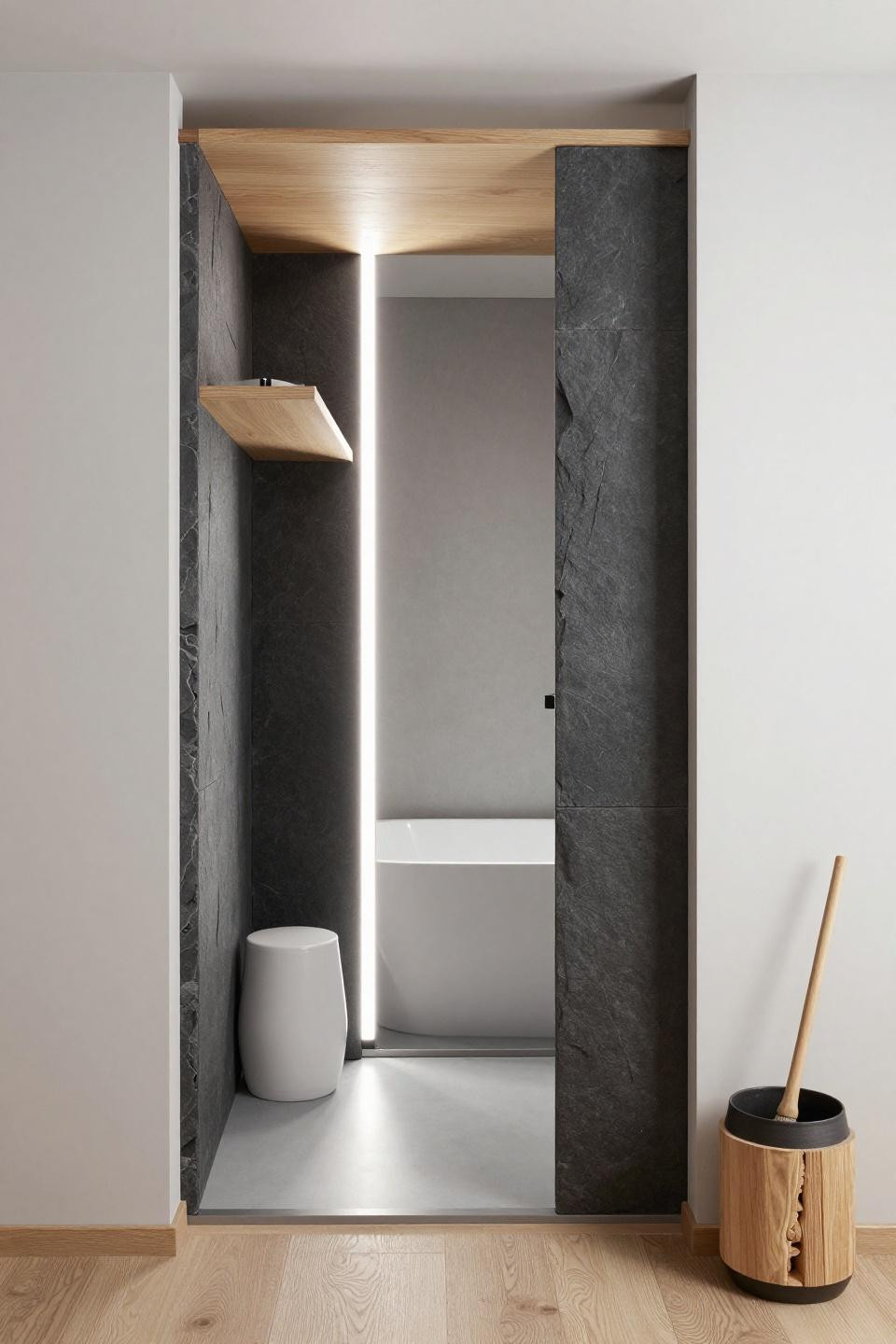
Charcoal slate walls meet pale birch plywood in a compact wet room with seamless epoxy floors. The invisible corner drain means water disappears without you noticing where. That single vertical LED strip casts cool light downward—way better than overhead fixtures that highlight every water spot. The white ceramic stool is practical for leg-shaving without cluttering the floor when not in use.
Walnut Tubs That Age Like Wine
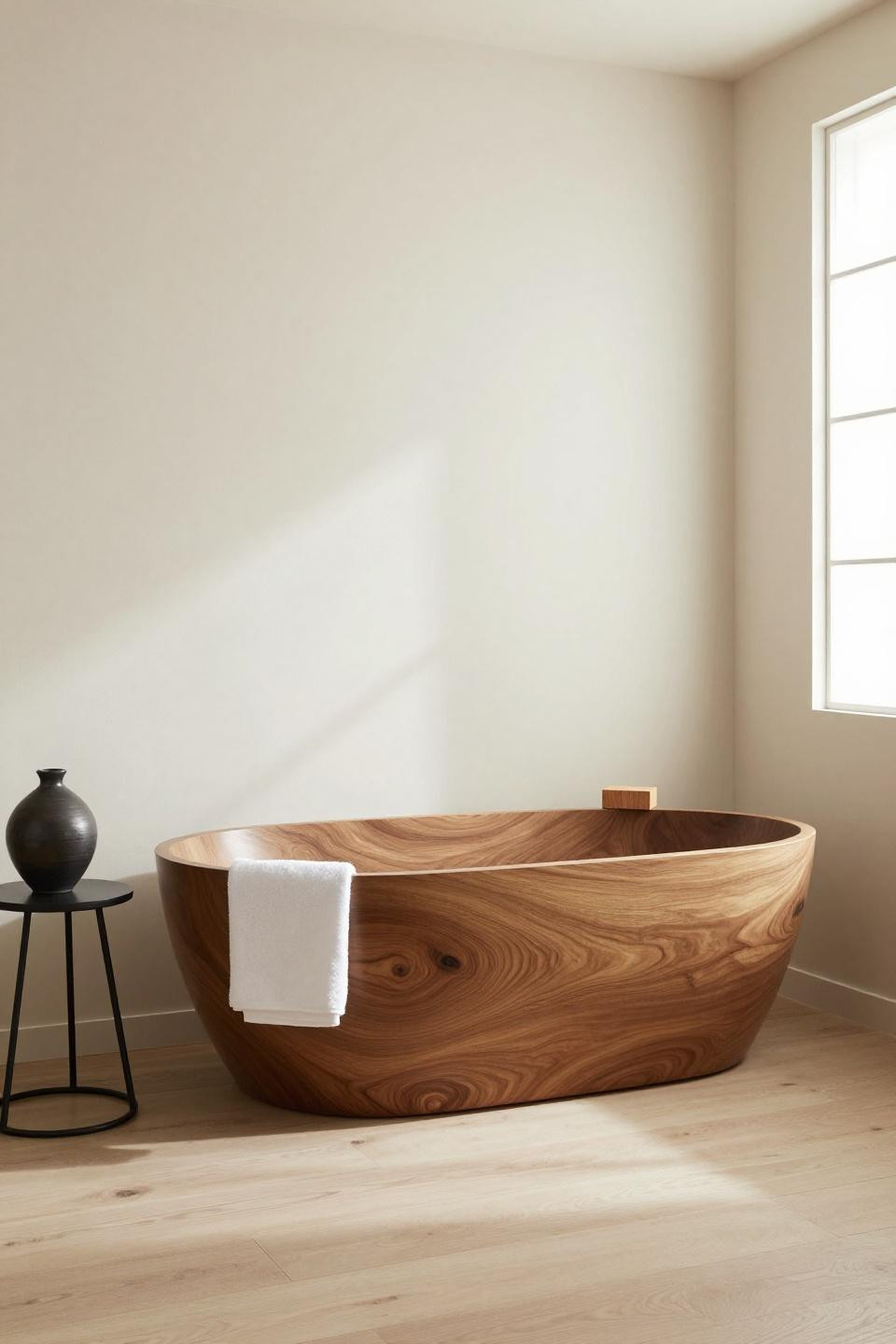
Walnut’s growth rings tell a story that fiberglass never will. The freestanding shape works off-center in bright spaces where traditional alcove tubs would disappear. Belgian linen draped over black steel creates softness against all that wood and plaster. That hairline separation at the baseboard? Houses settle. It’s fine.
Wall-Hung Toilets That Free Up Floor Space
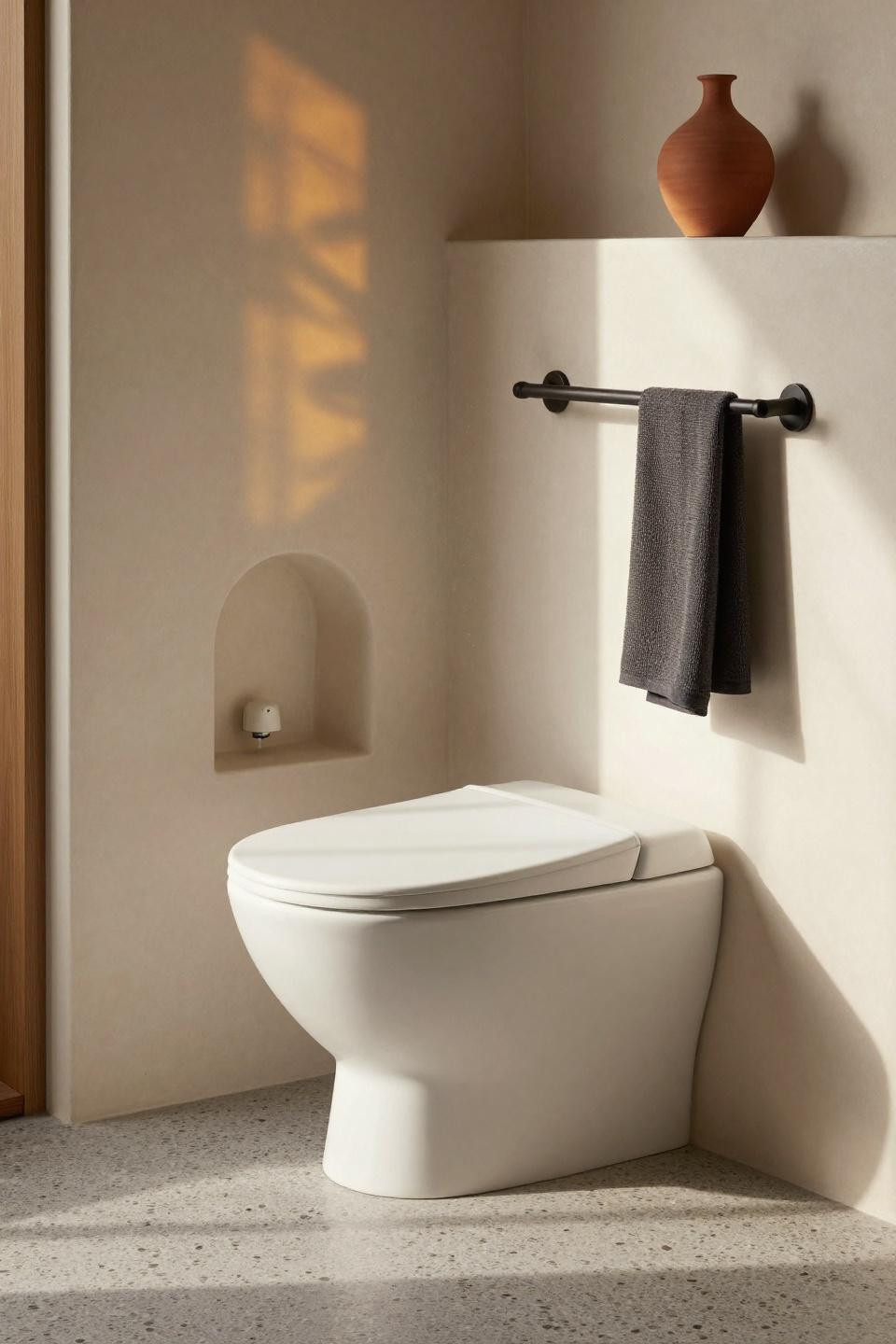
The wall-hung mount makes floor cleaning actually possible. Integrated bidet nozzles save counter space and that separate bidet footprint. Eucalyptus-tinted plaster adds warmth that stark white would kill. Terrazzo with fossil aggregate grounds the whole composition—literally and visually. Best for renovations where you’re already opening walls anyway.
Stone Basins Carved, Not Molded
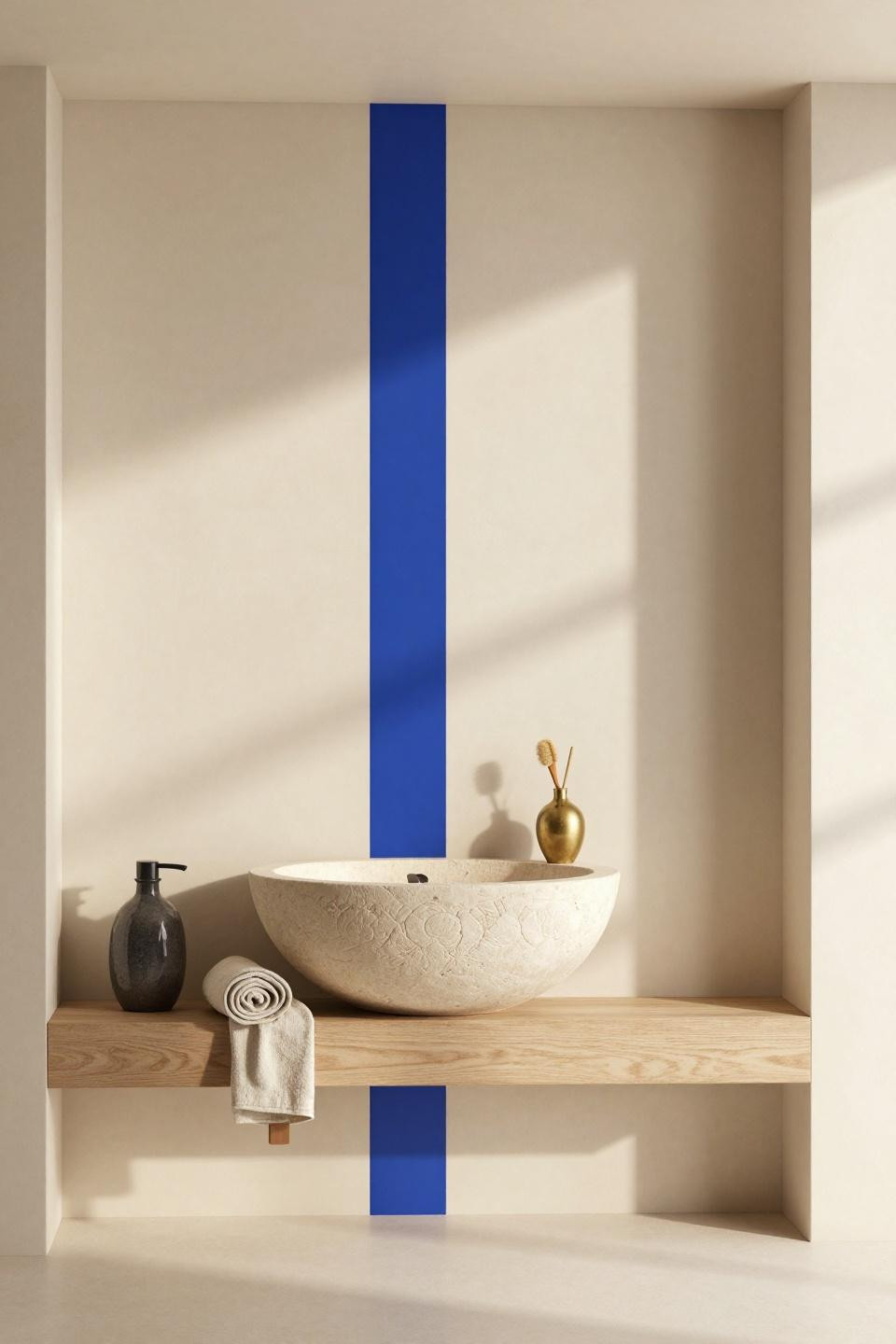
That carved stone basin feels substantial in a way ceramic never does. The teak wall system integrates storage without upper cabinets. Single indigo stripe creates asymmetry that makes the whole wall more interesting. Rolled linen on wooden pegs keeps towels accessible but not screaming for attention. The subtle water stain on plaster? Evidence this bathroom gets used.
Forest Green That Doesn’t Read Dark
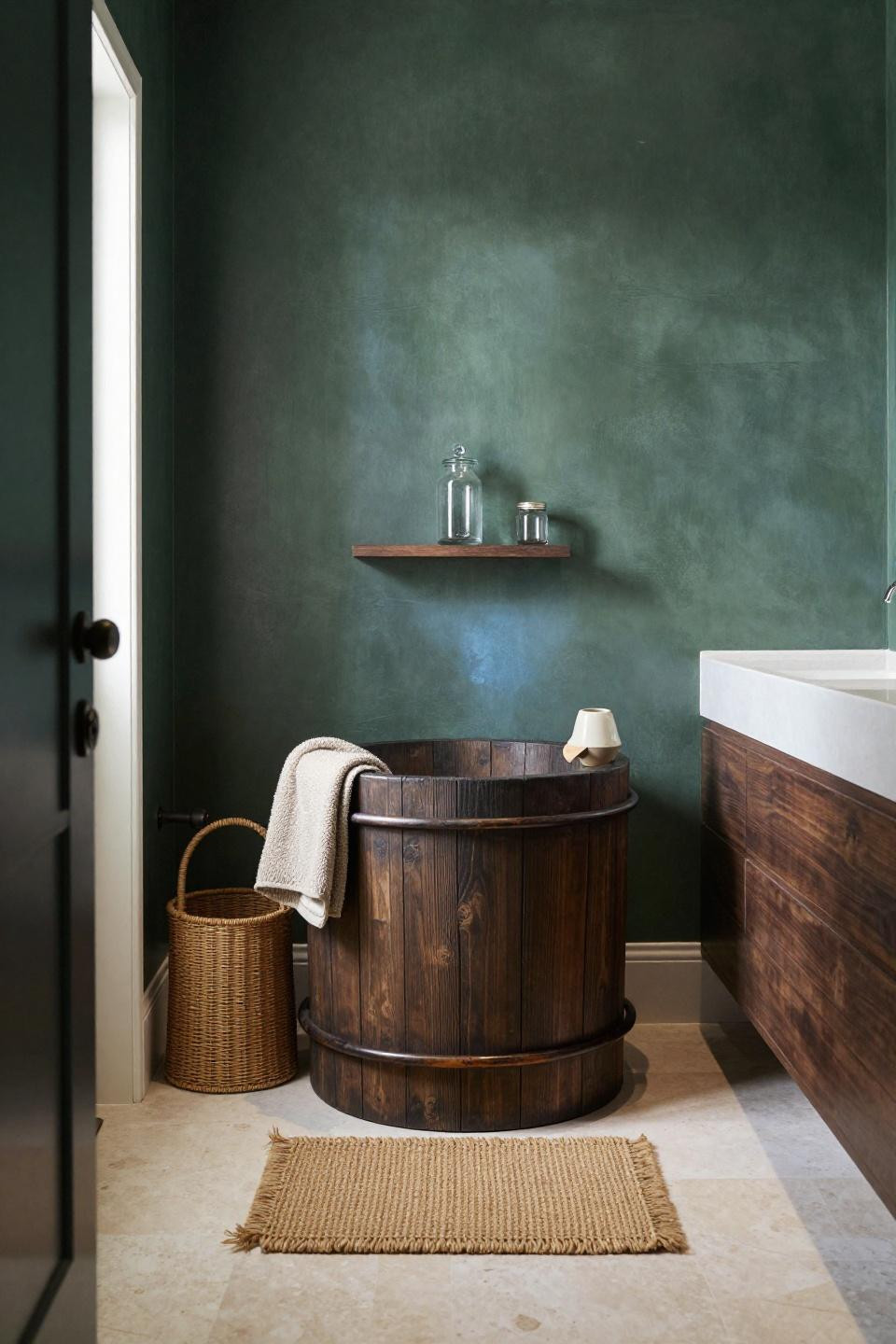
Deep forest green plaster behind charcoal-stained hinoki wood creates drama without darkness. Travertine flooring reflects enough light to keep things from feeling like a cave. That burnt sienna patina on the vintage iron towel rail? You earn that over decades, not with a spray can. Works in mid-century ranch bathrooms where ceiling height limits your other options.
Platform Tubs That Define Zones
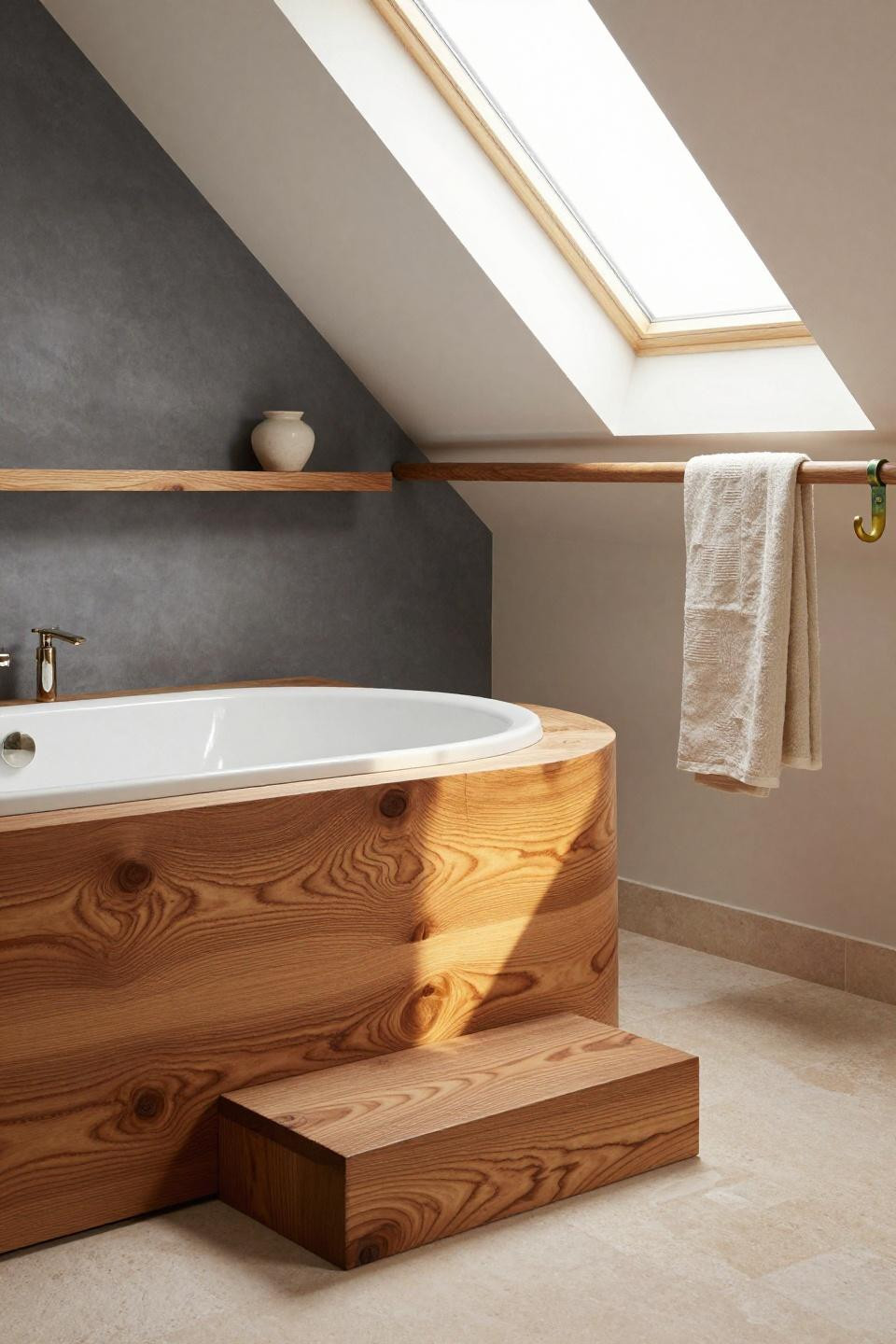
The ash platform with integrated step turns the tub into furniture. Corner placement frees up the center floor for movement. Deep growth rings on hand-finished timber show craftsmanship that factory-made acrylic can’t touch. That vertical hairline crack in the plaster behind the tub? Real plaster does that. It’s not a flaw—it’s proof of material honesty.
Floating Shelves That Don’t Sag
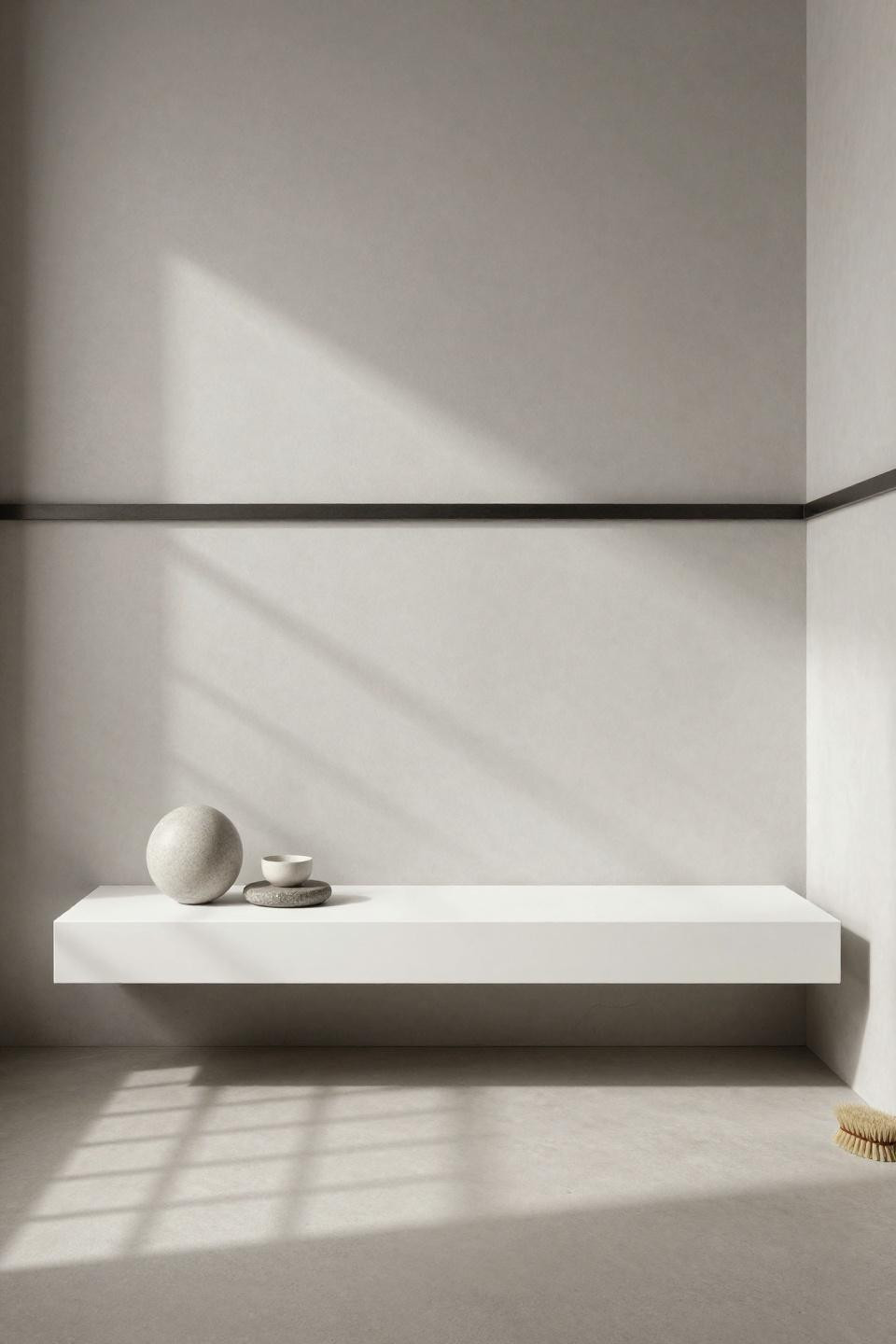
White zelkova cantilevered above the toilet creates storage without cabinets. That dark charcoal dado stripe keeps the pale grey limewash from reading too precious. River stones and ceramic holders add organic texture without tchotchkes. Rice paper panels diffuse light into gentle grids across ash concrete floors. Great for compact ensuites where every inch of floor space matters.
Vessel Sinks on Brass That Ages Beautifully
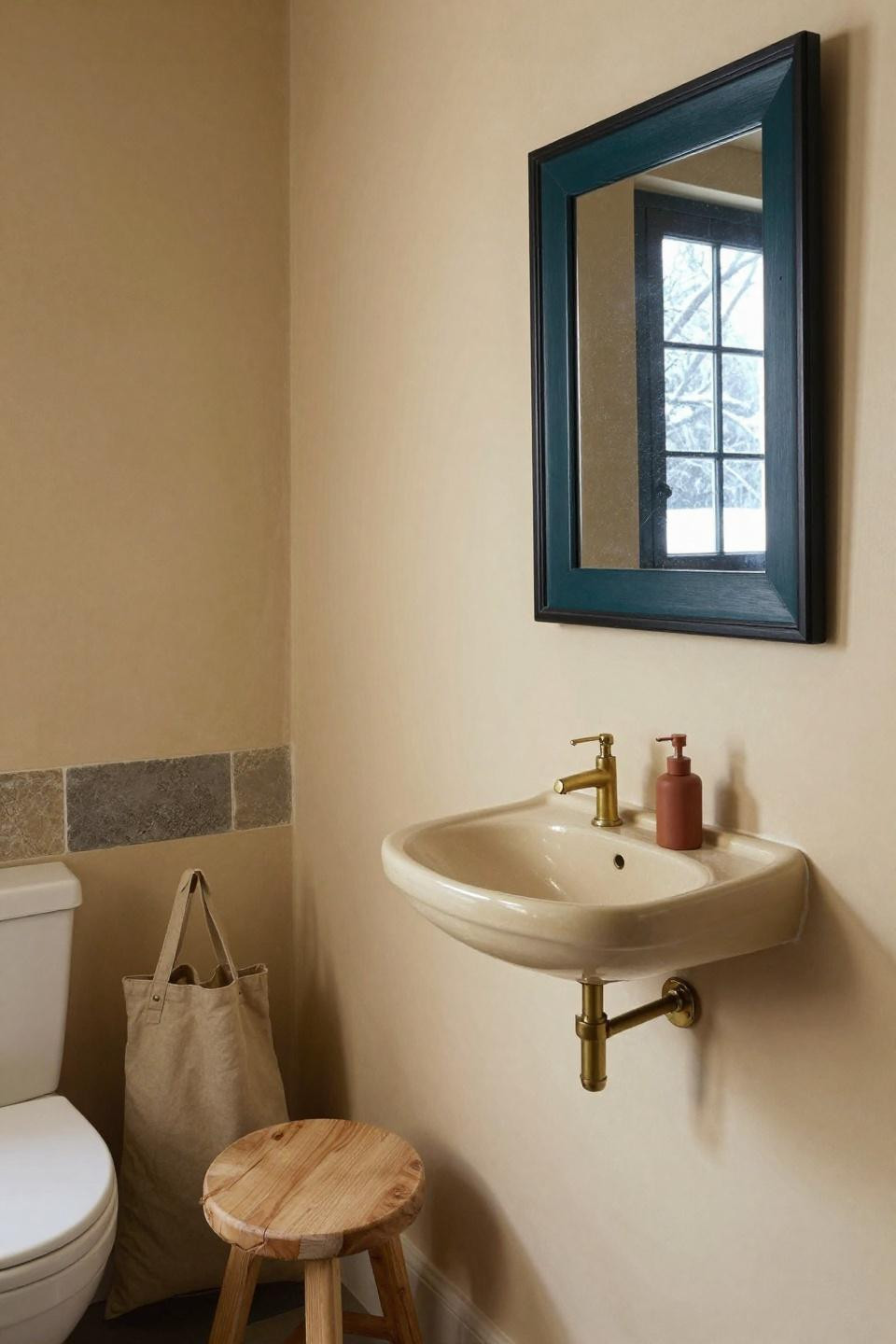
Aged brass brackets hold the vessel sink with more character than wall-mount hardware. The matte black mirror tilted asymmetrically reflects winter light in unexpected ways. Unfinished cedar stool beside the toilet adds warmth where chrome accessories would feel cold. Those irregular wide mortar joints between grey stone tiles? They’re intentional, not sloppy—traditional Japanese joinery celebrates the space between things.
Teak Vanities with Concrete That Actually Last
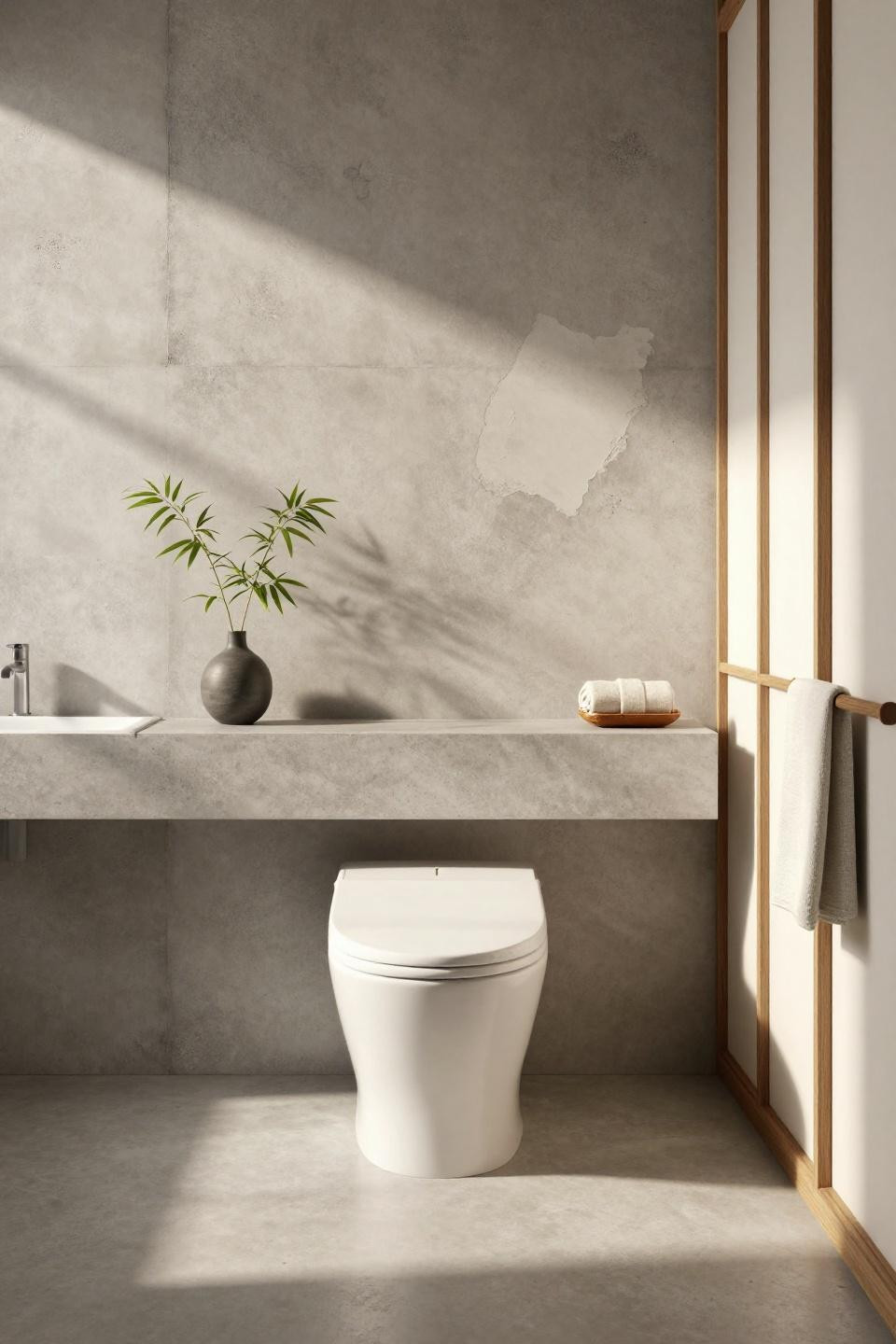
Concrete countertops integrated into teak vanities develop patina instead of showing wear. The raw concrete accent wall behind the toilet doesn’t try to hide that unfilled plaster patch—it owns it. Shoji-inspired screens filter morning light into diagonal shadows across polished concrete floors. That single potted bamboo in the corner? Just enough green without turning the bathroom into a greenhouse.